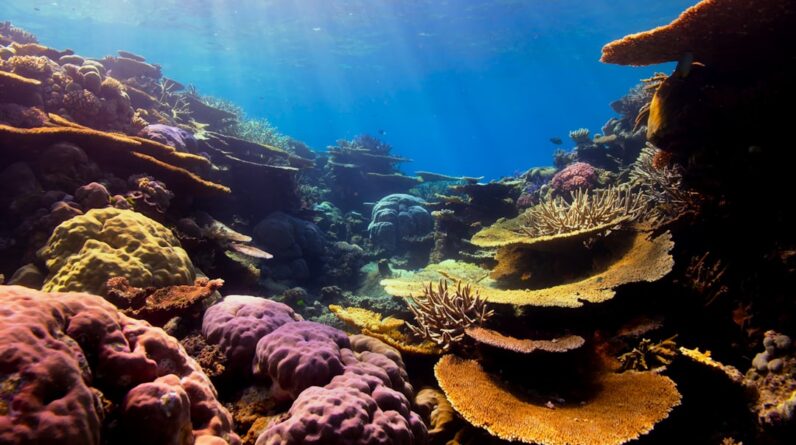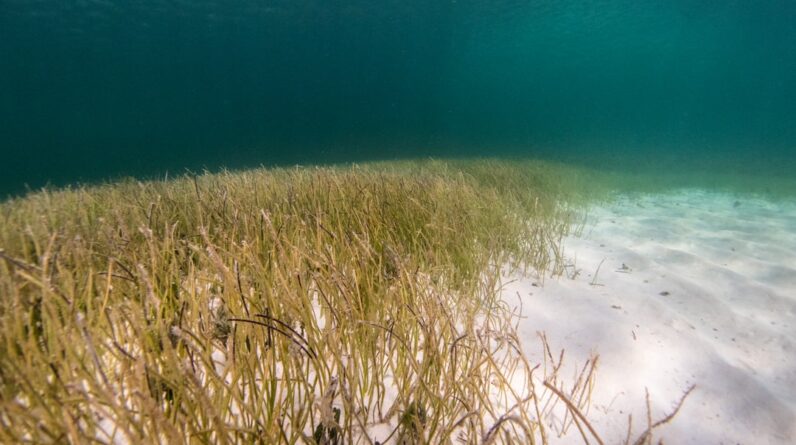
When you think about the air you breathe, it’s easy to overlook the vast oceans that play a crucial role in producing the oxygen essential for life on Earth. The oceans are not just a source of beauty and biodiversity; they are also a vital component of the planet’s respiratory system. Approximately 50% to 80% of the oxygen in our atmosphere is generated by marine organisms, primarily through the process of photosynthesis.
This staggering statistic underscores the oceans’ importance in maintaining the balance of gases in our atmosphere, which is essential for sustaining life. The significance of oceanic oxygen production extends beyond just human survival. It supports a myriad of ecosystems, from the smallest microorganisms to the largest marine mammals.
The health of these ecosystems is intricately linked to the oxygen levels in the water, which in turn affects global climate patterns and weather systems. As you consider the interconnectedness of life on Earth, it becomes clear that protecting oceanic oxygen production is not merely an environmental concern; it is a fundamental necessity for the survival of all living beings.
Key Takeaways
- Oceanic oxygen production is crucial for maintaining the balance of oxygen in the atmosphere and supporting marine life.
- Phytoplankton play a key role in oceanic oxygen production through photosynthesis, converting carbon dioxide into oxygen.
- Threats to oceanic oxygen production include climate change, pollution, and ocean acidification, which can disrupt phytoplankton populations.
- Declining oceanic oxygen production can lead to hypoxic (low oxygen) conditions, harming marine life and disrupting ecosystems.
- Human activities such as overfishing, pollution, and climate change contribute to the decline in oceanic oxygen production, highlighting the need for conservation efforts.
The Role of Phytoplankton in Oxygen Production
Phytoplankton, the microscopic plants that float on the surface of the ocean, are often referred to as the lungs of the Earth. These tiny organisms are responsible for a significant portion of the oxygen produced in our atmosphere. Through photosynthesis, phytoplankton convert sunlight and carbon dioxide into energy, releasing oxygen as a byproduct.
This process not only contributes to atmospheric oxygen levels but also plays a critical role in regulating carbon dioxide concentrations, helping to mitigate climate change. As you delve deeper into the world of phytoplankton, you may find it fascinating that these organisms are incredibly diverse, with thousands of species thriving in various marine environments. Their abundance and distribution are influenced by factors such as nutrient availability, water temperature, and light penetration.
This diversity allows phytoplankton to adapt to changing conditions, making them resilient contributors to oceanic oxygen production. However, their delicate balance can be easily disrupted by environmental changes, highlighting the need for ongoing research and monitoring.
Threats to Oceanic Oxygen Production
Despite their importance, oceanic oxygen production faces numerous threats that jeopardize both marine ecosystems and human life. Climate change is one of the most pressing issues, as rising sea temperatures can lead to harmful algal blooms and shifts in phytoplankton populations. These changes can disrupt the delicate balance of marine ecosystems and reduce the overall efficiency of oxygen production.
Additionally, ocean acidification—caused by increased carbon dioxide absorption—can hinder phytoplankton growth and photosynthesis, further exacerbating the problem. Pollution also poses a significant threat to oceanic oxygen production. Nutrient runoff from agricultural practices leads to eutrophication, where excess nutrients stimulate algal blooms that deplete oxygen levels in the water.
This phenomenon creates “dead zones,” areas where marine life cannot survive due to insufficient oxygen. As you consider these threats, it becomes evident that human activities have far-reaching consequences on ocean health and, consequently, on our own well-being.
The Impact of Oceanic Oxygen Production on Marine Life
The impact of oceanic oxygen production on marine life is profound and multifaceted. Healthy levels of dissolved oxygen are essential for the survival of fish, crustaceans, and other aquatic organisms. When oxygen levels drop due to pollution or climate change, marine species struggle to thrive, leading to declines in fish populations and disruptions in food webs.
As you explore this topic further, you may find it alarming that many commercially important fish species rely on specific oxygen levels for breeding and feeding. Moreover, the interconnectedness of marine ecosystems means that a decline in one species can have cascading effects throughout the food chain. For instance, if phytoplankton populations decline due to environmental stressors, it can lead to reduced food availability for zooplankton and subsequently for larger fish species.
This ripple effect can ultimately impact human communities that depend on fishing for their livelihoods. Understanding these dynamics emphasizes the need for sustainable practices that protect oceanic oxygen production and preserve marine biodiversity.
Human Impact on Oceanic Oxygen Production
Your daily activities may seem disconnected from the vast oceans, but human impact on oceanic oxygen production is significant and often detrimental. Industrial pollution, agricultural runoff, and overfishing are just a few examples of how human actions can disrupt marine ecosystems. The introduction of toxins into the water can harm phytoplankton populations and reduce their ability to produce oxygen effectively.
Additionally, overfishing can lead to imbalances in marine food webs, further stressing already vulnerable species. As you reflect on your own lifestyle choices, consider how they contribute to or mitigate these impacts. Simple actions such as reducing plastic use, supporting sustainable seafood practices, and advocating for policies that protect marine environments can collectively make a difference.
By being mindful of your ecological footprint, you can play a role in safeguarding oceanic oxygen production for future generations.
Protecting and Preserving Oceanic Oxygen Production

Protecting and preserving oceanic oxygen production requires a multifaceted approach that involves individuals, communities, governments, and organizations working together. One effective strategy is the establishment of marine protected areas (MPAs), which restrict human activities in designated regions to allow ecosystems to recover and thrive. These areas serve as sanctuaries for marine life and help maintain healthy levels of oxygen production by supporting diverse habitats.
Education and awareness are also crucial components in this effort. By understanding the importance of oceanic oxygen production and its role in global health, you can inspire others to take action. Community initiatives focused on clean-up efforts, habitat restoration, and sustainable practices can foster a sense of stewardship for our oceans.
As you engage with your local community or participate in global campaigns, remember that collective action can lead to meaningful change.
Future Implications of Declining Oceanic Oxygen Production
The future implications of declining oceanic oxygen production are dire if current trends continue unchecked. As you contemplate this issue, consider how reduced oxygen levels could lead to widespread marine die-offs and loss of biodiversity. The decline of key species could disrupt entire ecosystems and threaten food security for millions who rely on fish as a primary protein source.
Furthermore, as ocean temperatures rise and acidification progresses, the ability of phytoplankton to produce oxygen may diminish even further. The consequences extend beyond marine life; they also pose risks to human health and well-being. A decline in fish populations could lead to economic instability in coastal communities dependent on fishing industries.
Additionally, changes in oceanic oxygen levels could influence global weather patterns and climate systems, exacerbating existing challenges related to climate change. As you consider these potential outcomes, it becomes clear that immediate action is necessary to protect our oceans and ensure a sustainable future.
The Global Effort to Safeguard Oceanic Oxygen Production
The global effort to safeguard oceanic oxygen production is gaining momentum as awareness grows about its critical importance. International agreements such as the Paris Agreement aim to address climate change by reducing greenhouse gas emissions and promoting sustainable practices worldwide. Collaborative initiatives among countries focus on protecting marine biodiversity and restoring degraded ecosystems through conservation efforts.
You can contribute to this global movement by staying informed about environmental issues and supporting organizations dedicated to ocean conservation. Engaging with local advocacy groups or participating in global campaigns can amplify your voice in calling for policy changes that prioritize ocean health. By joining forces with others who share your passion for protecting our planet’s oceans, you can help ensure that future generations inherit a thriving marine environment capable of sustaining life on Earth.
In conclusion, understanding the importance of oceanic oxygen production is essential for recognizing our interconnectedness with marine ecosystems. By acknowledging the role of phytoplankton, addressing threats to oxygen production, and taking action to protect our oceans, you can contribute to a healthier planet for all living beings. The time to act is now; together we can safeguard this vital resource for generations to come.
The importance of protecting our forests and biodiversity is closely linked to the health of our oceans and their oxygen production. Forests play a crucial role in absorbing carbon dioxide and producing oxygen, which in turn helps to regulate the Earth’s climate and support marine life. In a related article, Stop Forest Burning: Save Trees and Animals, the devastating impact of deforestation and forest fires on our environment and wildlife is highlighted. By preserving our forests and promoting reforestation efforts, we can help ensure a healthy planet for future generations.
FAQs
What is the importance of the ocean’s oxygen production?
The ocean’s oxygen production is crucial for supporting marine life and maintaining the balance of the Earth’s atmosphere. It is estimated that the ocean produces at least 50% of the world’s oxygen.
How does the ocean produce oxygen?
The ocean produces oxygen through the process of photosynthesis carried out by marine plants, algae, and phytoplankton. These organisms use sunlight, carbon dioxide, and water to produce oxygen as a byproduct.
Why is it important to protect the ocean’s oxygen production?
Protecting the ocean’s oxygen production is essential for maintaining the health of marine ecosystems and ensuring a stable supply of oxygen for all living organisms on Earth. Human activities such as pollution, overfishing, and climate change can negatively impact the ocean’s ability to produce oxygen.
What are some ways to protect the ocean’s oxygen production?
Some ways to protect the ocean’s oxygen production include reducing carbon emissions, minimizing pollution and plastic waste, establishing marine protected areas, and promoting sustainable fishing practices. Additionally, supporting conservation efforts and raising awareness about the importance of the ocean’s oxygen production can help in its protection.