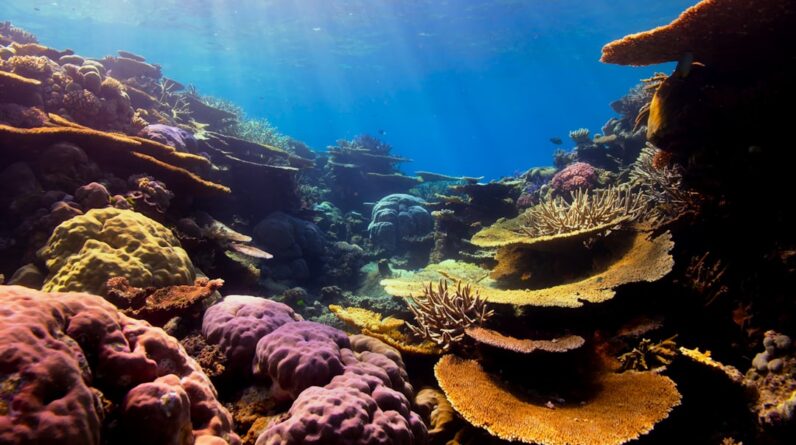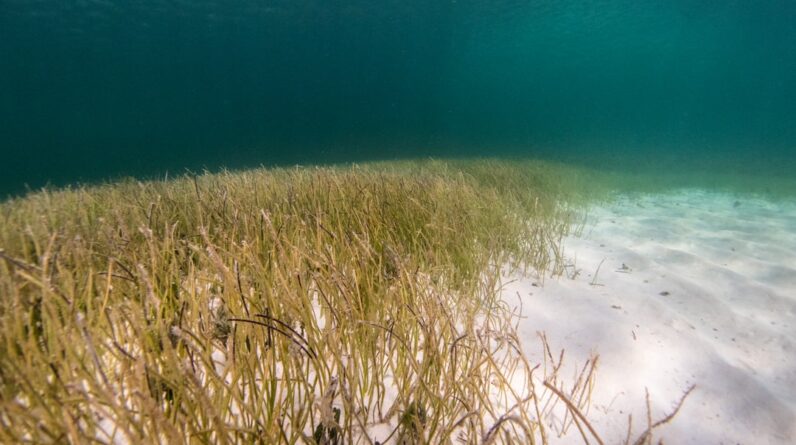
When you toss your clothes into the washing machine, you might not think about the broader implications of that simple act. However, your laundry habits can significantly impact the ocean and its ecosystems. Each time you wash synthetic fabrics, tiny fibers are released into the water system, eventually making their way to rivers, lakes, and oceans.
These microfibers can be ingested by marine life, leading to a cascade of ecological consequences. The ocean, which covers over 70% of the Earth’s surface, is not just a vast body of water; it is a complex ecosystem that supports countless species. Your laundry choices can disrupt this delicate balance.
Moreover, the chemicals found in many laundry detergents and fabric softeners can also contribute to ocean pollution. These substances often contain phosphates and surfactants that can harm aquatic life. When wastewater from your laundry enters the ocean, it can lead to nutrient pollution, which causes harmful algal blooms.
These blooms deplete oxygen in the water and create dead zones where marine life cannot survive. By understanding how your laundry habits affect the ocean, you can take steps to mitigate this impact and contribute to a healthier planet.
Key Takeaways
- Laundry habits can have a significant impact on ocean pollution, with microplastics and chemicals from synthetic fabrics contributing to the problem.
- Wastewater from laundry is a major contributor to ocean pollution, as it often contains harmful substances that can harm marine life.
- Using eco-friendly laundry products is important for reducing ocean pollution, as they are less harmful to the environment.
- Sustainable laundry practices, such as using cold water and air-drying clothes, can help protect the ocean from pollution.
- The future of ocean conservation and sustainable laundry practices relies on individuals and industries making conscious choices to reduce their impact on the environment.
Microplastics and Chemicals: The Hidden Dangers in Your Laundry
Microplastics are one of the most insidious pollutants affecting our oceans today, and they often originate from your laundry. When you wash synthetic fabrics like polyester or nylon, tiny plastic fibers break off and enter the water system. These microplastics are so small that they can easily evade filtration systems at wastewater treatment plants, ultimately finding their way into rivers and oceans.
Once in the marine environment, these particles can be ingested by fish and other marine organisms, leading to bioaccumulation of toxins in the food chain. This not only poses a risk to marine life but also threatens human health as these toxins can eventually make their way back to our plates. In addition to microplastics, the chemicals in conventional laundry detergents pose another layer of risk.
Many of these products contain harmful substances that can disrupt aquatic ecosystems. For instance, phosphates can lead to excessive growth of algae, which depletes oxygen levels in the water and creates dead zones where fish and other marine life cannot thrive. Furthermore, some surfactants used in detergents are toxic to aquatic organisms.
By being aware of these hidden dangers in your laundry routine, you can make informed choices that protect both marine life and your health.
The Role of Synthetic Fabrics in Ocean Pollution
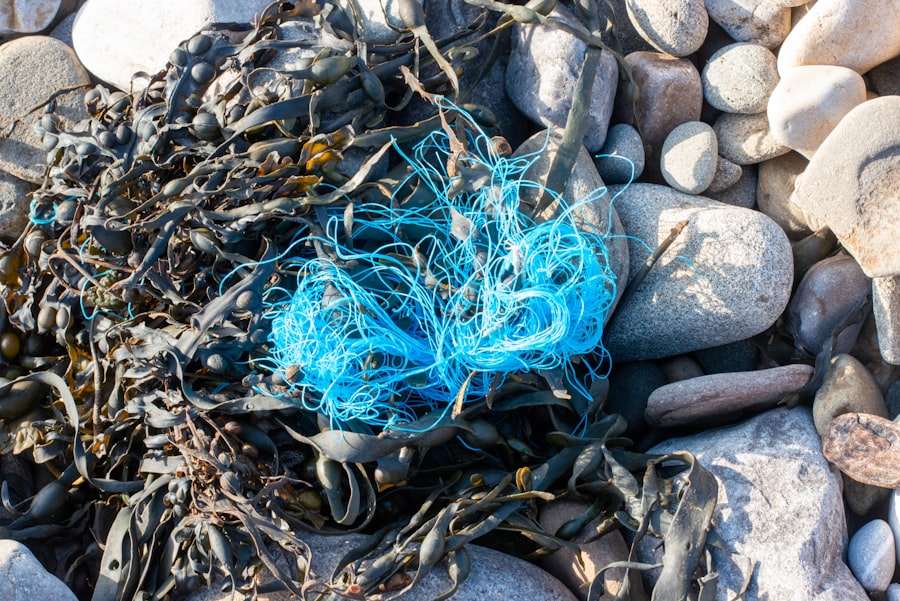
Synthetic fabrics have become a staple in modern wardrobes due to their durability and affordability. However, these materials are a significant contributor to ocean pollution. When you wash clothes made from polyester, acrylic, or nylon, microfibers are released into the water system.
Studies estimate that a single load of laundry can release thousands of these tiny fibers, which are often too small to be filtered out by wastewater treatment facilities. As a result, they end up in rivers and oceans, where they can be ingested by marine animals. The problem is compounded by the fact that synthetic fabrics are not biodegradable.
Unlike natural fibers such as cotton or wool, which break down over time, synthetic materials persist in the environment for hundreds of years. This means that every piece of clothing you wash contributes to a growing problem of plastic pollution in our oceans. By choosing natural fabrics or more sustainable alternatives, you can help reduce the amount of synthetic waste entering marine ecosystems.
How Wastewater from Laundry Contributes to Ocean Pollution
The journey from your washing machine to the ocean is often overlooked but is crucial in understanding how laundry contributes to ocean pollution. When you wash your clothes, the wastewater generated contains not only microfibers but also various chemicals from detergents and fabric softeners. This wastewater typically flows into sewage systems and treatment plants; however, many facilities are not equipped to filter out microplastics effectively.
Consequently, a significant portion of this polluted water is discharged into rivers and oceans. Once in the ocean, this wastewater can have devastating effects on marine ecosystems. The introduction of nutrients from detergents can lead to algal blooms that suffocate marine life by depleting oxygen levels in the water.
Additionally, the presence of microplastics can disrupt food chains as smaller organisms ingest these particles, which may contain harmful chemicals or toxins. By recognizing how your laundry contributes to this cycle of pollution, you can take proactive steps to minimize your impact on ocean health.
Solutions for Reducing Ocean Pollution from Laundry Habits
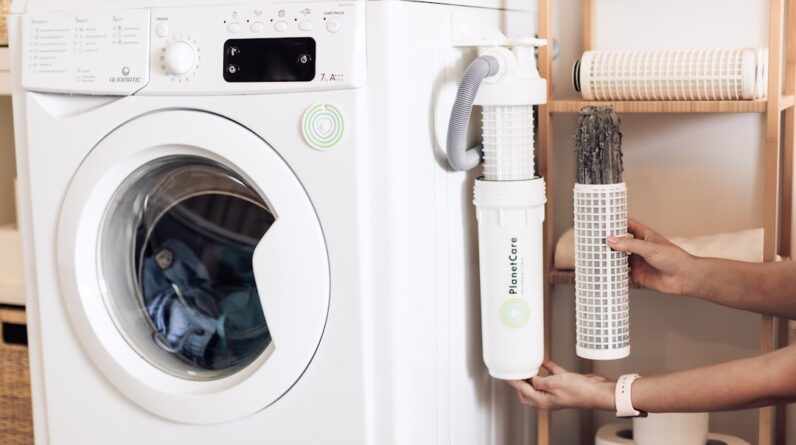
Fortunately, there are several effective solutions you can adopt to reduce ocean pollution stemming from your laundry habits. One of the most impactful changes you can make is to switch to washing bags designed to capture microfibers during the wash cycle. These bags act as filters that trap tiny fibers before they enter the wastewater system.
By using such products, you can significantly decrease the number of microplastics released into the environment. Another solution is to choose natural or organic laundry detergents that are free from harmful chemicals and phosphates. These eco-friendly alternatives are designed to be biodegradable and less harmful to aquatic ecosystems.
Additionally, consider washing your clothes less frequently or using cold water settings whenever possible; both practices can help reduce microfiber shedding and energy consumption. By implementing these solutions into your laundry routine, you can play an active role in protecting our oceans.
The Importance of Eco-Friendly Laundry Products

The choice of laundry products plays a crucial role in determining your environmental impact. Eco-friendly laundry detergents are formulated with biodegradable ingredients that break down naturally without harming aquatic ecosystems. Unlike conventional detergents that may contain phosphates and toxic surfactants, eco-friendly options prioritize sustainability while still providing effective cleaning power.
Moreover, many eco-friendly brands are committed to transparency regarding their ingredients and manufacturing processes. By choosing these products, you support companies that prioritize environmental responsibility and contribute to a cleaner planet. Additionally, some eco-friendly detergents come in concentrated forms or refillable packaging, reducing plastic waste associated with traditional detergent bottles.
Making the switch to eco-friendly laundry products is a simple yet powerful way to lessen your impact on ocean pollution.
Tips for Sustainable Laundry Practices to Protect the Ocean
Incorporating sustainable practices into your laundry routine doesn’t have to be complicated; small changes can make a significant difference over time. One effective tip is to wash full loads whenever possible. This not only conserves water and energy but also reduces the frequency of washes, thereby minimizing microfiber release into the environment.
Additionally, consider air-drying your clothes instead of using a dryer; this practice saves energy and prolongs the lifespan of your garments. Another helpful tip is to avoid washing synthetic fabrics too frequently. Instead of tossing clothes into the wash after every wear, consider spot cleaning or airing them out when possible.
This approach reduces wear and tear on your garments while also decreasing microfiber shedding during washes. By adopting these sustainable laundry practices, you contribute positively to ocean conservation efforts while maintaining a responsible household.
The Future of Ocean Conservation and Sustainable Laundry Practices
As awareness grows about the impact of laundry habits on ocean health, there is hope for a future where sustainable practices become the norm rather than the exception. Innovations in textile technology are emerging that focus on creating biodegradable fabrics and reducing microfiber shedding during washes. Additionally, more consumers are demanding transparency from brands regarding their environmental practices, leading companies to adopt more sustainable manufacturing processes.
The future also holds promise for improved wastewater treatment technologies that can effectively filter out microplastics before they reach our oceans. As communities come together to advocate for better regulations and practices surrounding textile production and waste management, we move closer to a world where our laundry habits no longer pose a threat to marine ecosystems. By staying informed and making conscious choices today, you play an essential role in shaping a healthier future for our oceans and planet as a whole.
If you’re concerned about the impact of your daily habits on the environment, you may also be interested in learning about the benefits of planting trees in combating deforestation and global warming. Check out this article on how planting trees helps deforestation and consider how you can contribute to creating a healthier planet. Just as small changes in our laundry habits can make a big difference in ocean pollution, planting trees can have a significant impact on preserving biodiversity and combating climate change.
FAQs
What are the common laundry habits that can pollute the ocean?
Common laundry habits that can pollute the ocean include using laundry detergents containing harmful chemicals, overusing laundry products, and washing synthetic fabrics that release microplastics into the water.
How do laundry detergents contribute to ocean pollution?
Many laundry detergents contain chemicals such as phosphates, surfactants, and fragrances that can be harmful to marine life when they enter the waterways. These chemicals can disrupt the balance of aquatic ecosystems and harm marine organisms.
What are microplastics and how do they end up in the ocean from laundry?
Microplastics are tiny pieces of plastic less than 5mm in size. When synthetic fabrics such as polyester and nylon are washed, they release microplastics into the water. These microplastics can then make their way into the ocean, where they can be ingested by marine animals.
How can individuals reduce the impact of their laundry habits on ocean pollution?
Individuals can reduce the impact of their laundry habits on ocean pollution by using eco-friendly and biodegradable laundry detergents, washing clothes in cold water, using a microfiber filter in the washing machine to capture microplastics, and choosing natural fabrics over synthetic ones.
What are some eco-friendly alternatives to traditional laundry products?
Eco-friendly alternatives to traditional laundry products include plant-based and biodegradable detergents, soap nuts, and laundry balls. These alternatives are less harmful to the environment and can help reduce the pollution of the ocean.