As you step outside, you may notice the air feels different—thicker, warmer, and more oppressive than it used to be. Rising temperatures and increasingly frequent heatwaves are becoming the new normal in many parts of the world. The average global temperature has risen significantly over the past century, primarily due to human activities such as burning fossil fuels and deforestation.
This increase in temperature not only affects your immediate environment but also has far-reaching consequences for the planet as a whole. Heatwaves, defined as prolonged periods of excessively hot weather, are becoming more intense and frequent. You might recall the last time you experienced a particularly sweltering summer; it’s likely that such extremes will only become more common.
These heatwaves can lead to severe consequences, including heat-related illnesses and increased mortality rates, particularly among vulnerable populations such as the elderly and those with pre-existing health conditions. As you navigate through these hotter days, it’s essential to recognize that these rising temperatures are not just a fleeting phenomenon but a significant indicator of climate change that demands urgent attention.
Key Takeaways
- Rising temperatures and heatwaves are becoming more frequent and intense, posing a significant threat to human health and well-being.
- Changes in weather patterns, including more extreme weather events, are being observed as a result of climate change, leading to increased risks for communities and ecosystems.
- Climate change is impacting agriculture and food supply, with changes in precipitation patterns and rising temperatures affecting crop yields and food security.
- Rising sea levels and coastal flooding are threatening coastal communities and infrastructure, leading to increased risks of displacement and economic costs.
- Climate change is contributing to the spread of diseases and health effects, with vulnerable populations being particularly at risk.
Changes in Weather Patterns
You may have noticed that the weather seems less predictable than it once was. Changes in weather patterns are a direct consequence of climate change, leading to more erratic and extreme weather events. For instance, you might experience sudden downpours followed by prolonged droughts, or storms that seem to intensify overnight.
These shifts can disrupt your daily life and challenge your understanding of seasonal norms. The alteration in weather patterns can be attributed to the warming atmosphere, which holds more moisture and energy. This results in heavier rainfall in some regions while others suffer from droughts.
As you observe these changes, consider how they affect not just your immediate surroundings but also the broader climate system. The unpredictability of weather can lead to challenges in planning for agriculture, water supply, and even disaster preparedness. It’s crucial to understand that these changes are interconnected and reflect a larger trend of climate instability that requires collective action.
Impact on Agriculture and Food Supply
As you sit down to enjoy a meal, it’s easy to overlook the complex systems that bring food to your table. However, the impact of climate change on agriculture and food supply is profound and far-reaching. Rising temperatures and altered weather patterns can significantly affect crop yields, leading to food shortages and increased prices.
You may find that certain fruits and vegetables are no longer available year-round or that their prices have skyrocketed due to poor harvests. Farmers are already feeling the effects of climate change as they struggle to adapt to shifting growing seasons and unpredictable weather. You might hear stories of farmers who have had to change their planting schedules or switch to more resilient crop varieties in response to these challenges.
The implications extend beyond individual farmers; entire communities can face food insecurity as local agriculture becomes less reliable. As you consider your own food choices, it’s essential to recognize the broader implications of climate change on global food systems and the need for sustainable practices that can help mitigate these impacts.
Rising Sea Levels and Coastal Flooding
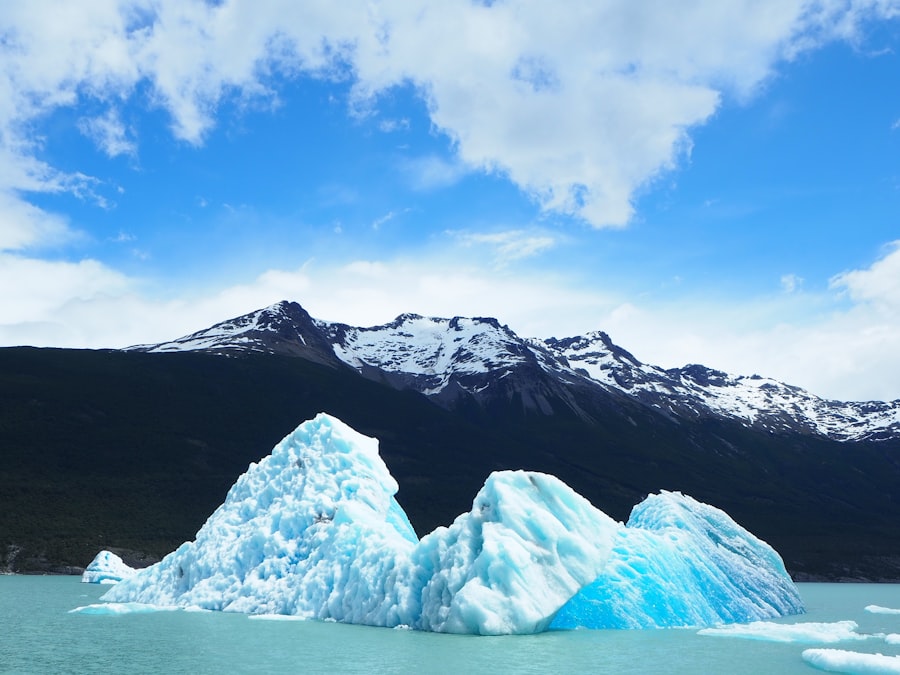
If you live near a coast or have visited one recently, you may have noticed changes in the shoreline or experienced flooding during high tides. Rising sea levels are one of the most visible effects of climate change, primarily driven by melting ice caps and glaciers as well as the thermal expansion of seawater as it warms. As you walk along the beach, it’s important to understand that these rising waters pose a significant threat to coastal communities.
Coastal flooding can lead to devastating consequences for infrastructure, homes, and ecosystems. You might recall news stories about cities grappling with flooding during storms or king tides, which are becoming more frequent due to rising sea levels. The impact is not just physical; it also affects local economies reliant on tourism and fishing industries.
As you consider the beauty of coastal areas, remember that their future is at risk unless we take action to address climate change and protect these vital ecosystems.
Health Effects and Spread of Diseases
Your health is intricately linked to the environment around you, and climate change poses several risks that can affect your well-being. Rising temperatures can exacerbate air quality issues, leading to respiratory problems and other health concerns. You may find yourself more susceptible to allergies or asthma as pollen seasons lengthen and intensify due to warmer weather.
Moreover, climate change can facilitate the spread of diseases. Warmer temperatures create favorable conditions for vectors like mosquitoes and ticks, which can carry diseases such as malaria, dengue fever, and Lyme disease. As you go about your daily life, it’s essential to be aware of these health risks and take precautions when necessary.
The intersection of climate change and public health is a growing concern that requires attention from individuals and policymakers alike.
Displacement of Communities and Migration
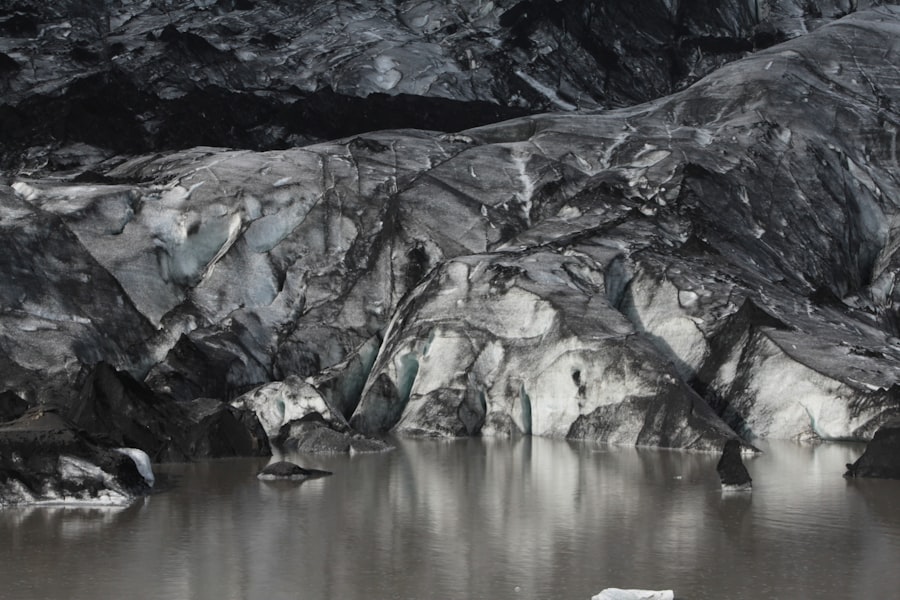
As climate change continues to wreak havoc on various regions, displacement becomes an increasingly pressing issue. You may have heard stories of communities forced to leave their homes due to rising sea levels, extreme weather events, or dwindling resources like water and arable land. This phenomenon is often referred to as “climate migration,” where individuals and families seek refuge in safer areas.
The emotional toll of displacement is profound; leaving behind familiar surroundings can lead to a sense of loss and uncertainty. As you consider the plight of those affected by climate change, it’s crucial to recognize that this issue transcends borders. Climate migration can lead to tensions in receiving communities as they grapple with an influx of newcomers seeking resources and opportunities.
Understanding the complexities of this issue is vital for fostering empathy and advocating for policies that support displaced populations.
Threat to Biodiversity and Ecosystems
The natural world is intricately woven together, with each species playing a role in maintaining ecological balance. However, climate change poses a significant threat to biodiversity and ecosystems worldwide. As temperatures rise and habitats shift, many species struggle to adapt or migrate to more suitable environments.
You may notice changes in local wildlife populations or shifts in plant life as ecosystems respond to these pressures. The loss of biodiversity has far-reaching consequences for human life as well. Healthy ecosystems provide essential services such as clean air, water filtration, and pollination of crops.
As you reflect on your connection to nature, consider how climate change threatens these vital systems that sustain life on Earth. Protecting biodiversity is not just an environmental issue; it’s a matter of ensuring a sustainable future for all living beings.
Economic Costs and Impacts on Infrastructure
The economic implications of climate change are staggering and affect every aspect of society. As you navigate your daily life, consider how rising temperatures, extreme weather events, and shifting patterns impact infrastructure—roads, bridges, public transportation systems—all face increased strain due to climate-related challenges. You may have experienced delays or disruptions caused by severe weather events; these occurrences are likely to become more frequent as climate change progresses.
The financial costs associated with climate change are immense. Governments may find themselves allocating significant resources for disaster relief efforts or investing in infrastructure upgrades to withstand extreme weather events. As you think about your community’s resilience in the face of these challenges, it’s essential to advocate for sustainable practices that can mitigate future costs while promoting economic stability.
The intersection of climate change and economics is complex but critical for ensuring a sustainable future for generations to come. In conclusion, the multifaceted impacts of climate change are evident in various aspects of life—from rising temperatures and changing weather patterns to health risks and economic costs. As you navigate this evolving landscape, it’s crucial to remain informed and engaged in discussions about sustainability and resilience.
By understanding the interconnectedness of these issues, you can contribute to meaningful solutions that address the challenges posed by climate change while fostering a healthier planet for all.
If you are interested in learning more about how trees can help combat global warming, check out the article How Can Trees Save the Earth from Global Warming. This article discusses the important role that trees play in mitigating the effects of climate change and offers practical tips on how you can help by planting trees in your community. By understanding the impact of trees on the environment, we can all work together to create a more sustainable future for our planet.
FAQs
What is global warming?
Global warming refers to the long-term increase in Earth’s average surface temperature due to human activities, primarily the release of greenhouse gases such as carbon dioxide and methane.
How is global warming affecting everyday life?
Global warming is already affecting everyday life in various ways, including more frequent and severe weather events, rising sea levels, changes in ecosystems and agriculture, and impacts on human health.
What are some examples of how global warming is affecting everyday life?
Examples of how global warming is affecting everyday life include more intense heatwaves, increased frequency of extreme weather events such as hurricanes and wildfires, disruptions to food and water supplies, and health impacts from air pollution and the spread of diseases.
How does global warming impact the economy?
Global warming can impact the economy through damage to infrastructure from extreme weather events, increased healthcare costs due to heat-related illnesses, loss of productivity in agriculture and other industries, and the need for adaptation and mitigation measures.
What can individuals do to mitigate the effects of global warming in their everyday lives?
Individuals can take actions such as reducing energy consumption, using public transportation or carpooling, supporting renewable energy sources, reducing waste and recycling, and advocating for policies to address climate change.