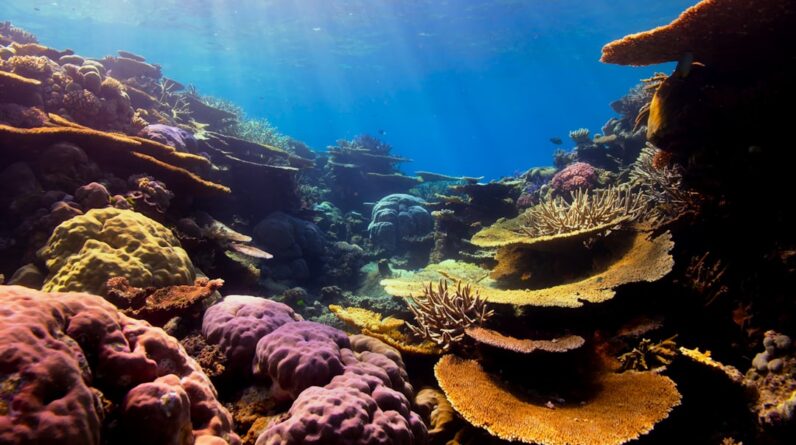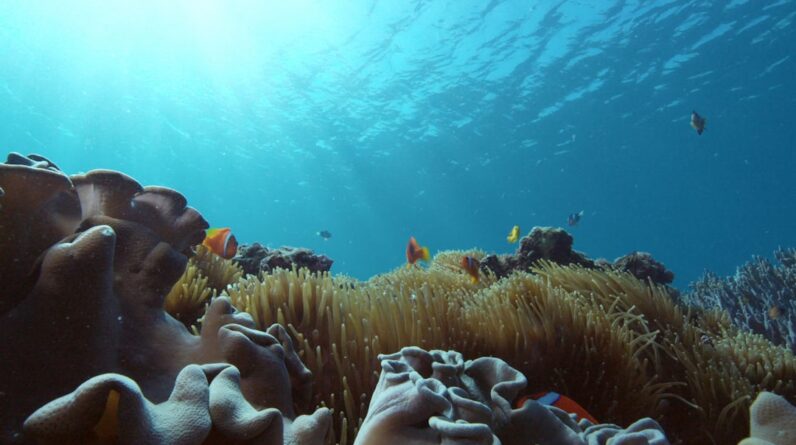
As you gaze out at the vast expanse of the ocean, it’s easy to overlook the intricate balance that sustains life beneath the surface. The oceans, covering over 70% of our planet, are not just a beautiful backdrop; they are vital to the health of the Earth’s ecosystems. One of the most pressing issues facing these waters today is the decline in ocean oxygen levels, a phenomenon that poses a significant threat to marine life and, by extension, human existence.
The oxygen content in our oceans is crucial for the survival of countless species, from the smallest plankton to the largest whales. As you delve deeper into this topic, you will uncover the alarming trends and consequences of this decline, as well as the urgent need for action. The decline in ocean oxygen levels, often referred to as hypoxia, is not merely a scientific concern; it is a harbinger of broader environmental changes that could have dire implications for biodiversity and climate stability.
As you explore this issue, you will find that the health of our oceans is intricately linked to the overall health of our planet. The oceans act as a carbon sink, absorbing carbon dioxide and regulating global temperatures. However, as oxygen levels drop, the ability of these waters to perform their essential functions diminishes, leading to a cascade of ecological consequences.
Understanding the causes and impacts of ocean oxygen decline is crucial for anyone who cares about the future of our planet.
Key Takeaways
- Ocean oxygen decline is a serious environmental issue that is threatening marine life and ecosystems.
- The main causes of ocean oxygen decline include climate change, nutrient pollution, and ocean warming.
- Ocean oxygen decline can lead to the loss of biodiversity, harmful algal blooms, and the disruption of marine food webs.
- Current efforts to address ocean oxygen decline include monitoring and research, as well as the implementation of marine protected areas.
- Innovative solutions to combat ocean oxygen decline include the development of oxygenation technologies and the restoration of coastal wetlands.
Causes of Ocean Oxygen Decline
The decline in ocean oxygen levels can be attributed to a variety of interrelated factors, many of which stem from human activities. One of the primary culprits is climate change, which has led to rising sea temperatures. As you may know, warmer waters hold less oxygen than cooler ones.
This phenomenon creates a feedback loop where increased temperatures lead to lower oxygen levels, further exacerbating the problem. Additionally, climate change contributes to altered ocean circulation patterns, which can disrupt the natural processes that replenish oxygen in marine environments. Another significant factor contributing to ocean oxygen decline is nutrient pollution, primarily from agricultural runoff and wastewater discharge.
When excess nutrients, particularly nitrogen and phosphorus, enter the ocean, they stimulate algal blooms. While these blooms may seem harmless at first glance, they can lead to hypoxic conditions when they die off and decompose. The decomposition process consumes large amounts of oxygen, creating “dead zones” where marine life struggles to survive.
As you consider these causes, it becomes clear that addressing ocean oxygen decline requires a multifaceted approach that tackles both climate change and pollution.
Impacts of Ocean Oxygen Decline
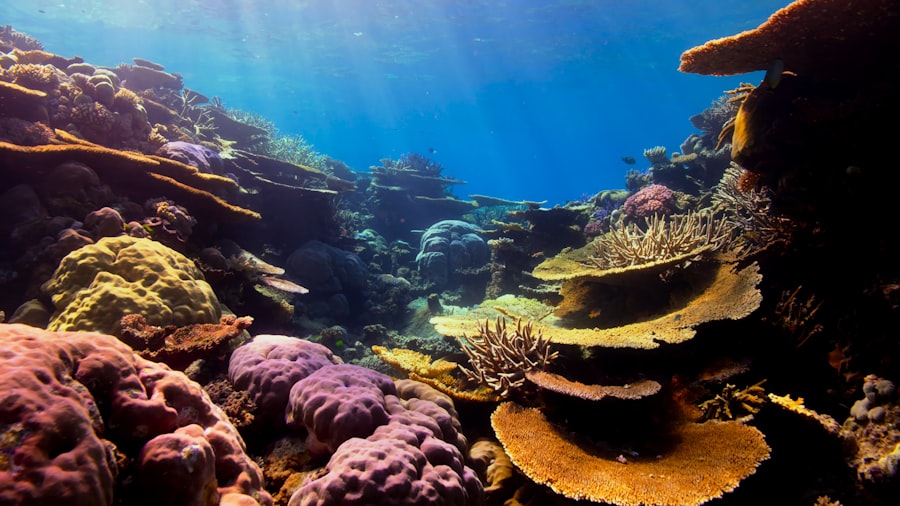
The impacts of declining ocean oxygen levels are profound and far-reaching. As you explore this issue further, you will discover that hypoxia poses a direct threat to marine biodiversity. Many fish and invertebrate species rely on adequate oxygen levels for survival; when these levels drop, they may experience stress or even death.
This decline in marine life can disrupt entire ecosystems, leading to shifts in species composition and loss of biodiversity. For instance, commercially important fish species may migrate to more oxygen-rich waters, impacting local fisheries and economies. Moreover, the effects of ocean oxygen decline extend beyond marine life; they also have significant implications for human communities.
As fish populations dwindle due to hypoxia, food security becomes a pressing concern for millions who depend on seafood as a primary source of protein. Additionally, the economic ramifications can be severe for coastal communities reliant on fishing and tourism. As you reflect on these impacts, it becomes evident that ocean oxygen decline is not just an environmental issue; it is a socio-economic challenge that demands urgent attention.
Current Efforts to Address Ocean Oxygen Decline
In response to the growing crisis of ocean oxygen decline, various organizations and governments are taking steps to address this pressing issue. You may be interested to learn about initiatives aimed at reducing nutrient pollution through better agricultural practices and wastewater management. For example, some regions are implementing buffer zones along waterways to filter out excess nutrients before they reach the ocean.
These efforts not only help improve water quality but also promote healthier ecosystems. Additionally, international collaborations are emerging to monitor and combat hypoxia on a global scale. Programs such as the Global Ocean Oxygen Network (GO2NE) aim to enhance scientific understanding of ocean deoxygenation and its impacts while promoting sustainable practices across nations.
As you explore these current efforts, it becomes clear that while progress is being made, much more needs to be done to effectively combat ocean oxygen decline.
Innovative Solutions to Combat Ocean Oxygen Decline
As you consider innovative solutions to combat ocean oxygen decline, it’s essential to recognize the role of technology and research in addressing this challenge. One promising approach involves the use of artificial intelligence and remote sensing technologies to monitor oxygen levels in real-time. By harnessing data analytics and machine learning algorithms, scientists can better predict areas at risk of hypoxia and implement timely interventions.
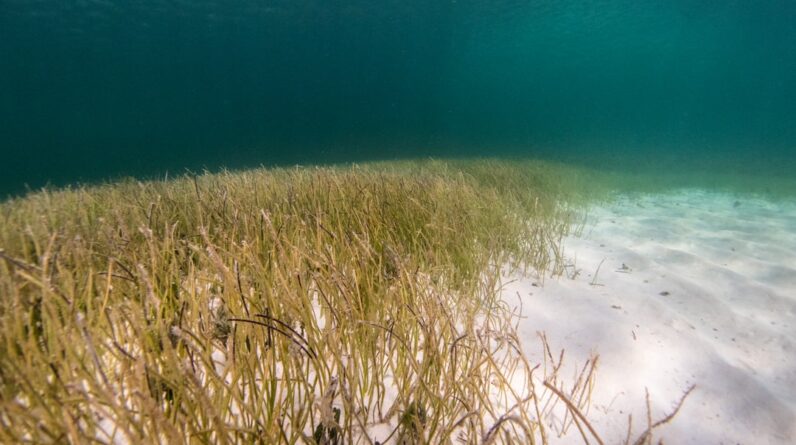
Another innovative solution lies in restoring coastal ecosystems such as mangroves and seagrasses. These habitats not only provide critical nursery grounds for marine species but also enhance oxygen production through photosynthesis. By investing in restoration projects and protecting these vital ecosystems, you can contribute to improving overall ocean health and mitigating the impacts of hypoxia.
Individual Actions to Help Preserve Ocean Oxygen Levels
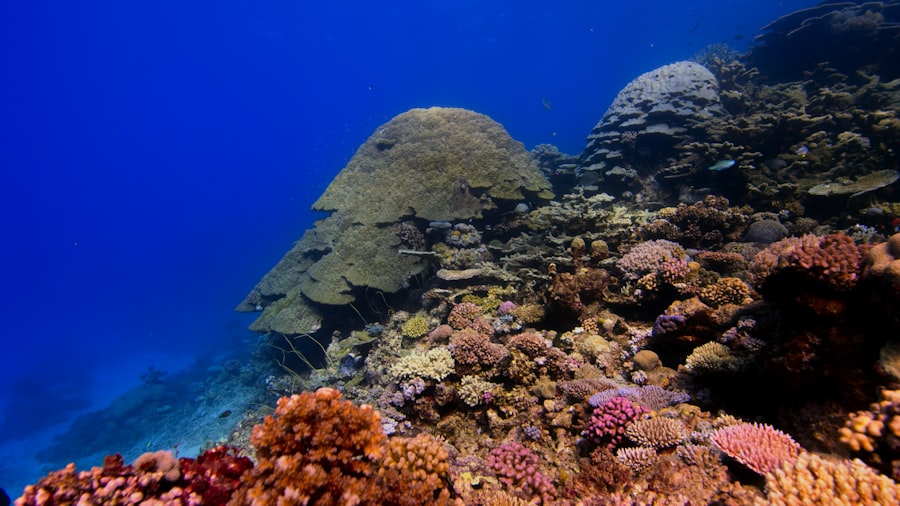
While large-scale efforts are crucial in addressing ocean oxygen decline, individual actions also play a significant role in preserving marine ecosystems. You can start by making conscious choices in your daily life that reduce your carbon footprint. Simple actions such as using public transportation, reducing energy consumption at home, and supporting renewable energy initiatives can collectively make a difference in combating climate change.
Moreover, being mindful of your consumption habits can help reduce nutrient pollution. You might consider supporting sustainable agriculture by purchasing locally grown produce or choosing organic products that minimize chemical runoff into waterways. Additionally, participating in beach clean-ups or advocating for policies that protect marine environments can amplify your impact on preserving ocean oxygen levels.
Policy Recommendations for Government and Industry
To effectively combat ocean oxygen decline, comprehensive policy measures are essential at both governmental and industrial levels. You may advocate for stricter regulations on agricultural runoff by promoting practices such as precision farming and nutrient management plans that minimize excess fertilizer use. Governments should also invest in infrastructure improvements for wastewater treatment facilities to ensure they adequately filter out harmful nutrients before discharging into oceans.
Furthermore, international cooperation is vital in addressing this global issue. You can support initiatives that promote cross-border collaboration on marine conservation efforts and share best practices for managing nutrient pollution. By fostering partnerships between governments, industries, and communities, we can create a unified front against ocean oxygen decline.
The Urgent Need to Address Ocean Oxygen Decline
As you reflect on the complexities surrounding ocean oxygen decline, it becomes increasingly clear that this issue demands immediate attention from all sectors of society. The health of our oceans is intricately linked to our own well-being; thus, addressing this crisis is not just an environmental imperative but a moral one as well. The time for action is now—whether through individual choices or collective policy efforts—every step taken towards preserving ocean oxygen levels contributes to a healthier planet.
In conclusion, understanding the causes and impacts of ocean oxygen decline empowers you to take meaningful action in your own life while advocating for broader systemic changes. The future of our oceans—and ultimately our planet—depends on our ability to confront this challenge head-on with urgency and determination. Together, we can work towards restoring balance in our oceans and ensuring a sustainable future for generations to come.
In addition to addressing the alarming decline in ocean oxygen levels, it is crucial to also consider the impact of deforestation on our environment. A related article on Stop Forest Burning: Save Trees and Animals highlights the importance of preserving our forests to maintain biodiversity and combat climate change. By preventing deforestation and promoting massive tree planting initiatives, we can work towards a healthier planet for future generations.
FAQs
What is causing the decline in ocean oxygen levels?
The decline in ocean oxygen levels is primarily caused by climate change, which leads to warmer ocean temperatures and reduced oxygen solubility. Additionally, nutrient runoff from agriculture and other human activities can lead to algal blooms, which consume oxygen as they decompose.
What are the consequences of declining ocean oxygen levels?
Declining ocean oxygen levels can have severe consequences for marine life, leading to habitat loss, decreased biodiversity, and disruptions in the food chain. It can also result in the expansion of oxygen-depleted “dead zones” where marine life cannot survive.
What can be done to address the decline in ocean oxygen levels?
Addressing the decline in ocean oxygen levels requires global efforts to mitigate climate change, reduce nutrient runoff, and protect marine ecosystems. This can include measures such as reducing carbon emissions, improving agricultural practices to minimize nutrient runoff, and establishing marine protected areas.
How does declining ocean oxygen levels impact human society?
Declining ocean oxygen levels can impact human society by affecting fisheries and the livelihoods of coastal communities that depend on marine resources. It can also have implications for global food security and the economy, as well as for the health of marine ecosystems that provide valuable services such as carbon sequestration and nutrient cycling.