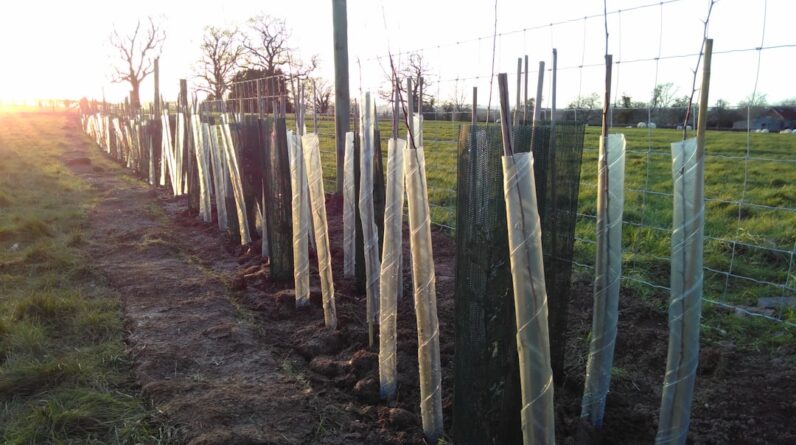
Carbon sequestration is a natural process that plays a crucial role in mitigating climate change. At its core, it involves capturing and storing atmospheric carbon dioxide (CO2) to prevent it from contributing to the greenhouse effect. You may find it fascinating that carbon sequestration occurs in various forms, including biological, geological, and oceanic processes.
In the biological context, plants, particularly trees, absorb CO2 during photosynthesis, converting it into biomass. This process not only helps reduce the concentration of greenhouse gases in the atmosphere but also supports the growth of ecosystems. As you delve deeper into the concept of carbon sequestration, you will discover that it is not merely a passive process.
It is influenced by various factors, including land use, soil type, and climate conditions. Understanding these dynamics is essential for developing effective strategies to enhance carbon storage in natural and managed ecosystems. By recognizing the importance of carbon sequestration, you can appreciate its potential to combat climate change while simultaneously promoting biodiversity and ecosystem health.
Key Takeaways
- Carbon sequestration is the process of capturing and storing carbon dioxide to mitigate climate change.
- Reforestation plays a crucial role in carbon sequestration by capturing and storing carbon in trees and soil.
- Factors affecting carbon sequestration in reforestation include tree species, age, and management practices.
- Techniques for maximizing carbon sequestration in reforestation include agroforestry and sustainable forest management.
- Monitoring and measuring carbon sequestration in reforestation is essential for understanding the impact of reforestation efforts on climate change.
The Role of Reforestation in Carbon Sequestration
Carbon Sequestration through Tree Growth
As trees grow, they absorb CO2 from the atmosphere, effectively acting as carbon sinks. The larger and healthier the forest, the more carbon it can sequester over time.
Additional Benefits of Reforestation
Reforestation offers additional benefits beyond carbon sequestration. It helps restore biodiversity by providing habitats for various species and improving soil quality through organic matter accumulation.
A Multifaceted Approach to Environmental Restoration
When you engage in or support reforestation efforts, you contribute to a multifaceted approach to environmental restoration that addresses climate change while fostering ecological resilience. The synergy between reforestation and carbon sequestration highlights the importance of trees in our fight against global warming.
Factors Affecting Carbon Sequestration in Reforestation
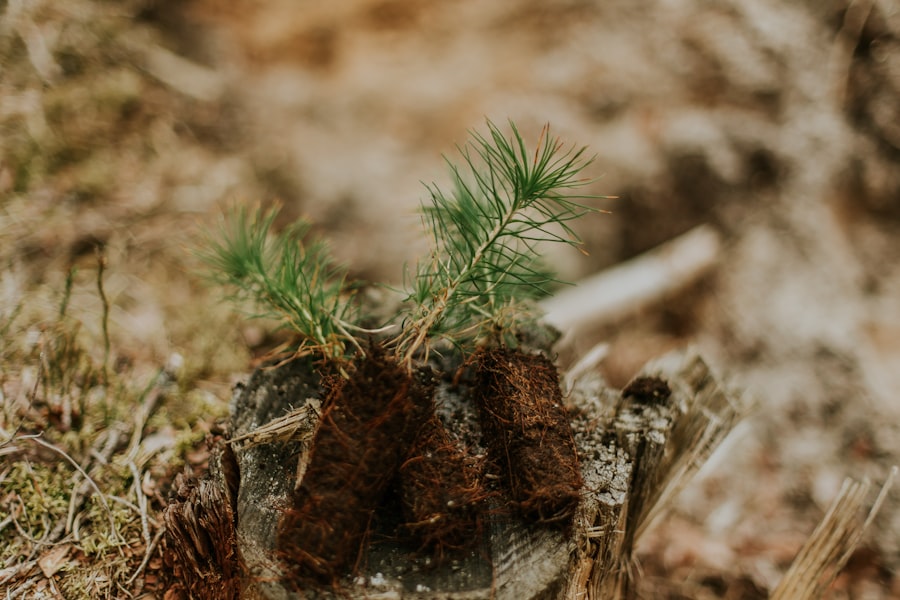
Several factors influence the effectiveness of carbon sequestration in reforestation efforts. One significant aspect is the choice of tree species planted. Different species have varying growth rates, lifespans, and carbon storage capacities.
When you consider reforestation projects, selecting native species that are well-adapted to local conditions can enhance both growth rates and ecosystem resilience. Additionally, the age of the trees plays a crucial role; younger trees typically sequester carbon at a faster rate than older ones. Soil quality is another critical factor affecting carbon sequestration in reforestation.
Healthy soils rich in organic matter can store more carbon than degraded soils. As you explore reforestation initiatives, you may notice that practices such as soil amendment and conservation tillage are often employed to improve soil health. Furthermore, climate conditions—such as temperature, precipitation patterns, and seasonal variations—also impact tree growth and carbon uptake.
Understanding these factors allows you to appreciate the complexity of reforestation as a tool for carbon sequestration.
Techniques for Maximizing Carbon Sequestration in Reforestation
To maximize carbon sequestration in reforestation projects, various techniques can be employed. One effective method is agroforestry, which integrates trees with agricultural practices. By combining crops with trees, you can enhance biodiversity while increasing overall carbon storage.
This approach not only provides food and resources but also creates a more resilient ecosystem capable of withstanding climate fluctuations. Another technique involves implementing mixed-species planting rather than monoculture forests. When you plant a diverse array of tree species, you create a more robust ecosystem that can better adapt to changing environmental conditions.
This diversity can lead to increased resilience against pests and diseases while optimizing carbon uptake across different species. Additionally, employing sustainable forest management practices ensures that forests remain healthy and productive over time, further enhancing their capacity for carbon sequestration.
Monitoring and Measuring Carbon Sequestration in Reforestation
Monitoring and measuring carbon sequestration in reforestation efforts are essential for assessing their effectiveness and guiding future initiatives. Various methods exist for quantifying carbon storage, ranging from ground-based measurements to remote sensing technologies. You might find it interesting that ground-based methods often involve measuring tree diameter and height to estimate biomass and subsequently calculate carbon content.
Remote sensing technologies, such as satellite imagery and aerial surveys, provide a broader perspective on forest cover changes over time. These tools allow you to track reforestation progress on a larger scale and assess the overall impact on carbon sequestration. By combining both ground-based and remote sensing methods, you can gain a comprehensive understanding of how well reforestation efforts are contributing to carbon storage.
Benefits of Carbon Sequestration in Reforestation
Enhancing Biodiversity
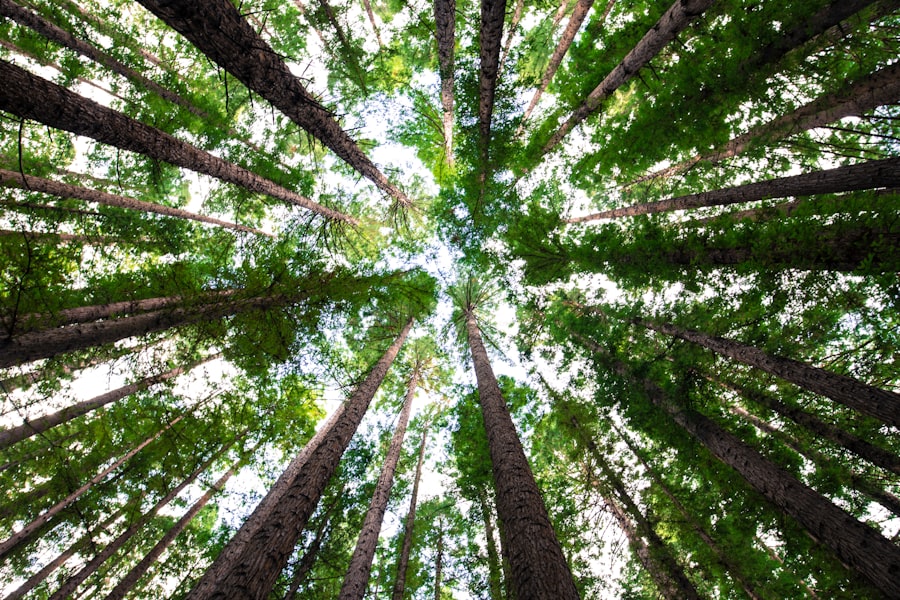
One significant advantage is the enhancement of biodiversity. As you support reforestation initiatives, you contribute to restoring habitats for countless species that rely on forests for survival. This restoration not only helps protect endangered species but also promotes ecosystem stability and resilience.
Improving Environmental Quality
Additionally, reforestation can improve air and water quality. Trees act as natural filters, absorbing pollutants and releasing oxygen into the atmosphere. They also play a vital role in regulating water cycles by reducing runoff and enhancing groundwater recharge.
Fostering Healthier Ecosystems
When you engage with reforestation projects, you are not only helping to sequester carbon but also fostering healthier ecosystems that benefit both people and wildlife.
Challenges and Limitations of Carbon Sequestration in Reforestation
Despite its numerous benefits, carbon sequestration through reforestation faces several challenges and limitations. One major concern is land availability; as urbanization continues to expand, finding suitable areas for reforestation becomes increasingly difficult. You may also encounter issues related to land tenure and ownership disputes that complicate reforestation efforts.
Moreover, the success of reforestation initiatives can be hindered by climate change itself. Changing weather patterns may affect tree growth rates and survival rates, making it challenging to predict long-term outcomes for carbon sequestration. Additionally, invasive species can threaten native tree populations, further complicating restoration efforts.
Recognizing these challenges is crucial for developing adaptive strategies that ensure the success of reforestation as a tool for carbon sequestration.
Future Implications and Opportunities for Carbon Sequestration in Reforestation
Looking ahead, the future implications of carbon sequestration through reforestation are promising yet require concerted efforts from individuals, communities, and governments alike. As awareness of climate change grows, there is an increasing opportunity for investment in reforestation projects worldwide. You may find it encouraging that many organizations are now prioritizing sustainable land management practices that incorporate reforestation as a key component of their climate action strategies.
Furthermore, advancements in technology offer new avenues for enhancing carbon sequestration in reforestation efforts. Innovations such as genetic engineering may lead to the development of tree species with improved growth rates or resilience to environmental stressors. By staying informed about these developments and supporting sustainable practices, you can play an active role in promoting effective reforestation initiatives that contribute to global carbon sequestration goals.
In conclusion, understanding the intricacies of carbon sequestration through reforestation reveals its potential as a powerful tool in combating climate change while fostering biodiversity and ecosystem health. By engaging with this vital process, you can contribute to a more sustainable future for our planet.
In a related article on biodiversity reservoirs in healthy forests, the importance of maintaining diverse ecosystems through reforestation efforts is highlighted. This article discusses how planting trees not only helps combat climate change but also supports a wide range of plant and animal species that rely on healthy forests for survival. By understanding the interconnectedness of carbon sequestration and biodiversity conservation, we can work towards creating a more sustainable future for our planet.
FAQs
What is carbon sequestration in reforestation?
Carbon sequestration in reforestation refers to the process of capturing and storing carbon dioxide from the atmosphere by planting and growing trees. Trees absorb carbon dioxide during photosynthesis and store it in their biomass and in the soil, helping to mitigate climate change.
How does reforestation contribute to carbon sequestration?
Reforestation contributes to carbon sequestration by increasing the number of trees, which in turn increases the amount of carbon dioxide that is removed from the atmosphere and stored in the trees and soil. This helps to offset carbon emissions and reduce the impact of climate change.
What are some benefits of carbon sequestration in reforestation?
Some benefits of carbon sequestration in reforestation include mitigating climate change by reducing the amount of carbon dioxide in the atmosphere, improving air and water quality, providing habitat for wildlife, and enhancing biodiversity.
What are some challenges of carbon sequestration in reforestation?
Challenges of carbon sequestration in reforestation include the time it takes for trees to reach maturity and store significant amounts of carbon, the potential for deforestation to counteract reforestation efforts, and the need for sustainable management practices to ensure long-term carbon storage.
How can individuals and organizations support carbon sequestration in reforestation?
Individuals and organizations can support carbon sequestration in reforestation by participating in tree planting initiatives, supporting sustainable forestry practices, and advocating for policies that promote reforestation and forest conservation. Additionally, supporting carbon offset programs that invest in reforestation projects can help to offset carbon emissions.