When you think about the air you breathe, it’s easy to overlook the fact that a significant portion of that oxygen comes from the ocean. In fact, it is estimated that around 50% to 80% of the Earth’s oxygen is produced by marine plants, particularly phytoplankton. These microscopic organisms play a crucial role in the global oxygen cycle, converting carbon dioxide into oxygen through the process of photosynthesis.
As you take a deep breath, remember that the health of our oceans directly influences the air you inhale. The oceans are not just vast bodies of water; they are vital ecosystems that sustain life on Earth. The importance of ocean oxygen extends beyond just human survival.
Healthy ocean ecosystems contribute to biodiversity, support fisheries, and regulate climate patterns. The oxygen produced by marine life helps maintain the balance of gases in the atmosphere, which is essential for all living organisms. Without sufficient oxygen levels in the ocean, marine life suffers, leading to a cascade of negative effects that can ultimately impact terrestrial ecosystems as well.
Understanding this interconnectedness is crucial for appreciating why ocean oxygen is not just an environmental issue but a fundamental aspect of life on Earth.
Key Takeaways
- Ocean oxygen is crucial for marine life and the overall health of the ocean ecosystem.
- Climate change, pollution, and nutrient runoff are major threats to ocean oxygen levels.
- Marine life, particularly phytoplankton and algae, play a vital role in producing oxygen through photosynthesis.
- Human activities such as overfishing, coastal development, and carbon emissions are impacting ocean oxygen levels.
- Restoring ocean oxygen levels requires reducing carbon emissions, protecting marine habitats, and promoting sustainable fishing practices.
The Threats to Ocean Oxygen Levels
As you delve deeper into the challenges facing ocean oxygen levels, it becomes clear that various factors are at play. One of the most pressing threats is climate change, which leads to rising sea temperatures and altered ocean currents. Warmer waters can hold less dissolved oxygen, creating conditions that are detrimental to marine life.
This phenomenon, known as ocean deoxygenation, is becoming increasingly common and poses a significant risk to both marine ecosystems and the overall health of our planet. In addition to climate change, pollution plays a critical role in diminishing ocean oxygen levels. Nutrient runoff from agricultural practices leads to algal blooms, which can deplete oxygen in the water as they decay.
These blooms create “dead zones,” areas where oxygen levels are so low that most marine life cannot survive. As you consider these threats, it’s essential to recognize that they are often interconnected; human activities exacerbate climate change and pollution, creating a vicious cycle that further endangers ocean health.
The Role of Marine Life in Oxygen Production
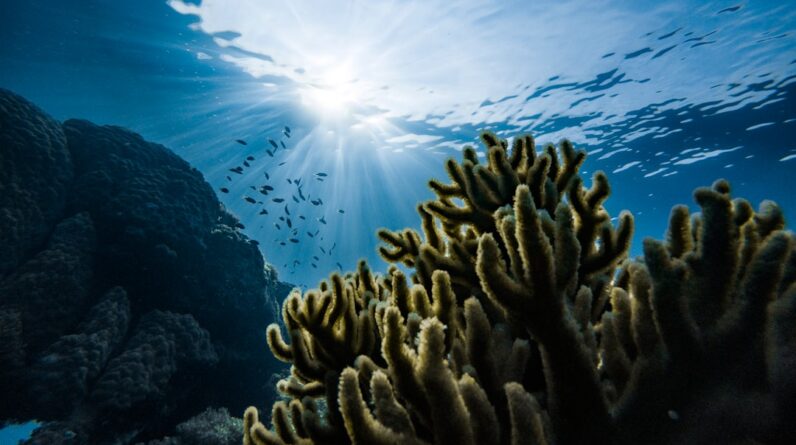
Marine life is not just a passive contributor to oxygen production; it is an active participant in maintaining the delicate balance of our planet’s ecosystems. Phytoplankton, the tiny plants that float near the surface of the ocean, are responsible for producing a significant amount of the world’s oxygen. They thrive in nutrient-rich waters and are at the base of the marine food web, supporting a diverse array of species from small fish to large whales.
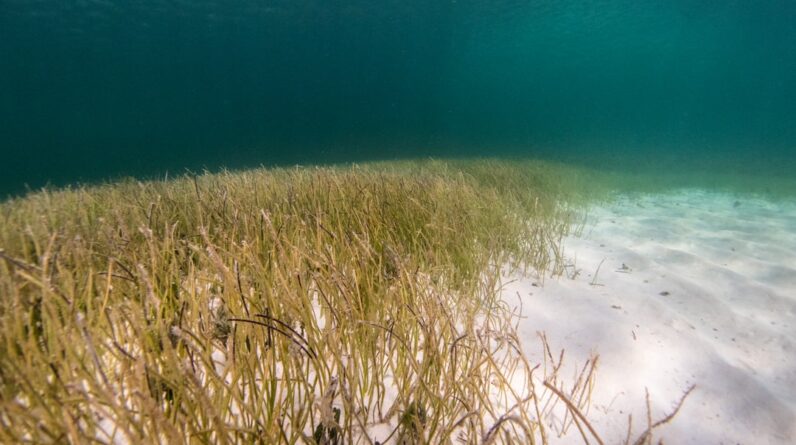
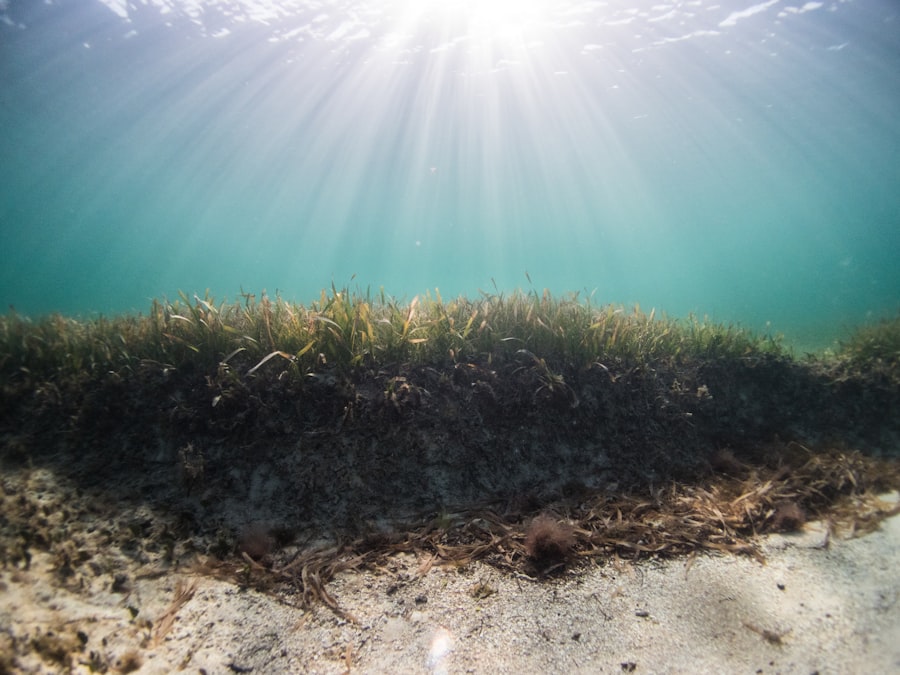
As you explore the ocean’s depths, consider how these tiny organisms are foundational to life as we know it. Moreover, larger marine plants like seagrasses and kelp forests also play a vital role in oxygen production. These underwater plants not only produce oxygen but also provide habitats for countless marine species.
They help stabilize sediments and improve water quality, creating a healthier environment for all forms of life. By understanding the importance of these organisms, you can appreciate how their survival is intricately linked to the overall health of our oceans and, by extension, our atmosphere.
Human Activities Impacting Ocean Oxygen
Your daily choices and actions have far-reaching consequences for ocean health and oxygen levels. Industrial activities, such as oil drilling and shipping, contribute to pollution that can harm marine ecosystems. Oil spills release toxic substances into the water, which can suffocate marine life and disrupt photosynthesis in phytoplankton.
Additionally, plastic pollution poses a significant threat to marine organisms, as it can lead to ingestion or entanglement, further destabilizing these vital ecosystems. Agricultural practices also play a significant role in impacting ocean oxygen levels. The use of fertilizers leads to nutrient runoff into rivers and eventually into the ocean.
This excess nitrogen and phosphorus fuel algal blooms that can create dead zones where oxygen levels plummet. As you reflect on these human activities, consider how they contribute to a cycle of degradation that threatens not only marine life but also your own well-being. The choices made today will shape the future health of our oceans and the air we breathe.
Solutions for Restoring Ocean Oxygen Levels
Restoring ocean oxygen levels requires a multifaceted approach that involves both policy changes and individual actions. One effective solution is the establishment of marine protected areas (MPAs), which can help safeguard critical habitats and promote biodiversity. By limiting human activities in these areas, we can allow ecosystems to recover and thrive, ultimately enhancing their ability to produce oxygen.
As you think about solutions, consider how supporting conservation efforts can make a tangible difference in restoring ocean health. Another promising avenue is investing in sustainable agricultural practices that minimize nutrient runoff into waterways. Techniques such as crop rotation, cover cropping, and reduced fertilizer use can significantly decrease pollution entering the ocean.
Additionally, promoting awareness about responsible fishing practices can help maintain healthy fish populations and ecosystems. By advocating for these changes in your community and supporting organizations dedicated to ocean conservation, you can play an active role in restoring ocean oxygen levels.
The Impact of Ocean Oxygen on Climate Change
The relationship between ocean oxygen levels and climate change is complex yet critical. Healthy oceans act as carbon sinks, absorbing significant amounts of carbon dioxide from the atmosphere. When ocean oxygen levels decline due to deoxygenation or pollution, this ability diminishes, exacerbating climate change effects.
As you consider this connection, it becomes evident that maintaining healthy ocean ecosystems is not just about preserving marine life; it is also about combating climate change. Furthermore, changes in ocean oxygen levels can influence weather patterns and climate systems globally. For instance, regions with low oxygen levels may experience shifts in fish populations and migration patterns, affecting local economies reliant on fishing industries.
As you reflect on these impacts, recognize that addressing ocean health is integral to tackling climate change and ensuring a sustainable future for all living beings on Earth.
How Individuals Can Take Action for Ocean Oxygen
You have the power to make a difference when it comes to protecting ocean oxygen levels through your everyday actions. Simple lifestyle changes can have a profound impact on reducing pollution and conserving marine ecosystems. For instance, reducing plastic use by opting for reusable bags and containers can help decrease plastic waste entering the oceans.
Additionally, being mindful of your water usage and avoiding harmful chemicals in household products can contribute to cleaner waterways. Engaging in community initiatives focused on beach cleanups or supporting local conservation organizations can amplify your impact. By participating in these activities, you not only contribute to cleaner oceans but also raise awareness about the importance of ocean health among your peers.
Every small action counts; by inspiring others to join you in these efforts, you can create a ripple effect that leads to significant positive change for our oceans.
The Importance of Urgent Action for Ocean Oxygen
The urgency of addressing declining ocean oxygen levels cannot be overstated. As threats continue to mount from climate change and human activities, immediate action is essential to safeguard marine ecosystems and ensure a sustainable future for all life on Earth. Delaying action only exacerbates existing problems and increases the likelihood of irreversible damage to our oceans.
You have a role to play in this urgent call for action. By advocating for policies that protect marine environments and supporting sustainable practices within your community, you contribute to a collective effort aimed at restoring ocean health. The time for action is now; every moment counts in preserving the delicate balance of our planet’s ecosystems and ensuring that future generations inherit a thriving ocean filled with life-giving oxygen.
Together, we can make a difference—one action at a time.
If you are interested in learning more about how to take action for the environment, check out the article How Does Planting Trees Help the Environment on Live Life with a Cause’s blog. This article discusses the importance of planting trees and how it can positively impact the environment. It provides valuable information on how individuals can make a difference through simple actions like planting trees. Take a deep breath, then act now by reading this insightful article and finding ways to contribute to a healthier planet.
FAQs
What is ocean oxygen?
Ocean oxygen refers to the dissolved oxygen present in the Earth’s oceans. It is essential for the survival of marine life, as many organisms rely on oxygen for respiration.
Why is ocean oxygen important?
Ocean oxygen is crucial for the survival of marine organisms, including fish, shellfish, and other marine animals. It also plays a key role in regulating the Earth’s climate and biogeochemical cycles.
What is causing the decline in ocean oxygen levels?
The decline in ocean oxygen levels is primarily attributed to human activities, such as climate change, nutrient pollution, and overfishing. These factors can lead to the depletion of oxygen in the water, creating “dead zones” where marine life cannot survive.
How does the decline in ocean oxygen impact marine ecosystems?
The decline in ocean oxygen can lead to the loss of marine biodiversity, as many species are unable to survive in low-oxygen conditions. It can also disrupt food webs and ecosystem dynamics, leading to negative impacts on fisheries and other marine resources.
What can be done to address the decline in ocean oxygen levels?
Addressing the decline in ocean oxygen levels requires a combination of global and local efforts. This includes reducing greenhouse gas emissions to mitigate climate change, implementing sustainable fishing practices, and reducing nutrient pollution from agricultural and urban sources. Additionally, protecting and restoring coastal habitats can help support healthy marine ecosystems.