When you think of the sources of oxygen that sustain life on Earth, your mind may immediately drift to lush forests or sprawling green fields. However, the ocean, often overlooked, plays a crucial role in this life-sustaining process. The vast blue expanse of water is not just a habitat for countless marine species; it is also a powerhouse of oxygen production.
This phenomenon is primarily driven by microscopic organisms that inhabit the ocean’s surface, which collectively contribute to a significant portion of the oxygen you breathe. Understanding this hidden gift from the ocean is essential for appreciating the delicate balance of our planet’s ecosystems. As you delve deeper into the ocean’s role in oxygen production, you will discover that it is not merely a backdrop for marine life but a dynamic environment that supports complex biological processes.
The ocean’s ability to produce oxygen is vital for maintaining atmospheric balance and supporting life on land. This article will explore the various contributors to oceanic oxygen production, the challenges they face, and the importance of preserving these ecosystems for future generations. By recognizing the ocean’s invaluable contribution, you can better appreciate the interconnectedness of life on Earth and the urgent need for conservation efforts.
Key Takeaways
- The ocean plays a crucial role in oxygen production, often overlooked by many.
- Phytoplankton, tiny marine plants, are responsible for producing a significant amount of the world’s oxygen through photosynthesis.
- Coral reefs are essential for oxygen production as they support a diverse range of marine life, including algae and phytoplankton.
- Seagrass and mangroves also contribute to oxygen production and provide vital habitats for marine organisms.
- Ocean acidification, caused by increased carbon dioxide levels, can negatively impact oxygen production and marine life.
The Role of Phytoplankton in Oxygen Production
Phytoplankton, the microscopic plants that float on the ocean’s surface, are often referred to as the lungs of the Earth. These tiny organisms are responsible for producing approximately 50% of the oxygen in our atmosphere. As you consider their significance, it becomes clear that these minute life forms are not just a footnote in the story of oxygen production; they are central characters.
Through the process of photosynthesis, phytoplankton convert sunlight and carbon dioxide into energy, releasing oxygen as a byproduct. This remarkable ability allows them to thrive in diverse marine environments, from coastal waters to the open ocean. You may be surprised to learn that phytoplankton come in various shapes and sizes, with thousands of species contributing to this vital process.
Some thrive in nutrient-rich waters, while others flourish in more challenging conditions. Their adaptability and resilience make them essential players in the oceanic ecosystem. However, their survival is intricately linked to environmental factors such as temperature, light availability, and nutrient levels.
As you reflect on their role, it becomes evident that protecting these organisms is crucial not only for maintaining oxygen levels but also for supporting the entire marine food web.
The Importance of Coral Reefs in Oxygen Production

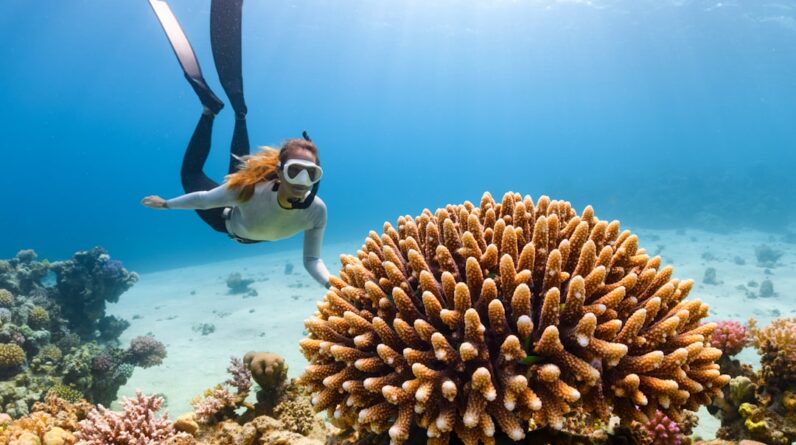
Coral reefs, often referred to as the rainforests of the sea, are another significant contributor to oceanic oxygen production. These vibrant ecosystems are home to a diverse array of marine life and play a vital role in maintaining ecological balance. You might be surprised to learn that corals themselves have a symbiotic relationship with zooxanthellae, tiny algae that live within their tissues.
Through photosynthesis, these algae produce oxygen and organic compounds that benefit both themselves and their coral hosts. This relationship highlights the interconnectedness of marine organisms and underscores the importance of coral reefs in oxygen production. As you explore coral reefs further, you’ll discover that they provide more than just oxygen; they also serve as critical habitats for countless marine species.
The complex structures formed by corals create shelter and breeding grounds for fish and other organisms, contributing to biodiversity in the ocean. However, coral reefs face numerous threats, including climate change, pollution, and overfishing. The degradation of these ecosystems not only jeopardizes marine life but also diminishes their capacity to produce oxygen.
Recognizing the importance of coral reefs in sustaining both marine and terrestrial life is essential for fostering a sense of stewardship toward these fragile ecosystems.
The Contribution of Seagrass and Mangroves to Oxygen Production
Seagrass meadows and mangrove forests are often overshadowed by their more glamorous counterparts like coral reefs, yet they play an equally vital role in oxygen production within marine environments. Seagrasses are flowering plants that grow underwater in shallow coastal areas, providing habitat for various marine species while also producing oxygen through photosynthesis. As you consider their significance, it becomes clear that seagrass meadows act as nurseries for fish and other marine organisms, supporting biodiversity while contributing to overall ocean health.
Mangroves, on the other hand, are coastal trees that thrive in brackish waters and serve as critical buffers between land and sea. Their complex root systems stabilize shorelines and prevent erosion while also providing essential habitat for numerous species. You may find it fascinating that mangroves contribute significantly to oxygen production as well; their leaves release oxygen into the atmosphere while also sequestering carbon dioxide from the air.
Together, seagrasses and mangroves form an intricate web of life that supports both marine ecosystems and coastal communities. Protecting these habitats is crucial not only for maintaining oxygen levels but also for ensuring the resilience of coastal environments against climate change.
The Impact of Ocean Acidification on Oxygen Production
As you explore the intricate relationship between ocean ecosystems and oxygen production, it is essential to consider the impact of ocean acidification—a consequence of increased carbon dioxide emissions. When carbon dioxide dissolves in seawater, it forms carbonic acid, leading to a decrease in pH levels. This change in acidity can have profound effects on marine life, particularly organisms like phytoplankton and corals that rely on stable conditions for growth and reproduction.
You may find it alarming that even slight changes in pH can disrupt these delicate ecosystems and hinder their ability to produce oxygen. The implications of ocean acidification extend beyond just phytoplankton and corals; it affects entire food webs and ecosystems. As you reflect on this issue, consider how reduced oxygen production can lead to cascading effects throughout marine environments.
Fish populations may decline due to habitat loss or changes in food availability, ultimately impacting human communities that rely on fishing for sustenance and economic stability. Understanding the consequences of ocean acidification is crucial for advocating for policies aimed at reducing carbon emissions and protecting our oceans.
Human Activities and Their Effects on Ocean Oxygen Production
Human activities have far-reaching consequences on ocean health and oxygen production. From pollution to overfishing, your actions can significantly impact marine ecosystems. Nutrient runoff from agricultural practices often leads to algal blooms that deplete oxygen levels in coastal waters—a phenomenon known as hypoxia.
As you consider your role in this issue, it becomes clear that addressing pollution is essential for maintaining healthy oceans capable of producing oxygen. Additionally, climate change poses a significant threat to oceanic oxygen production through rising temperatures and altered weather patterns. As you think about your own carbon footprint, consider how reducing energy consumption and supporting sustainable practices can contribute to healthier oceans.
By making conscious choices in your daily life—such as reducing plastic use or supporting local fisheries—you can play a part in preserving these vital ecosystems and ensuring they continue to produce oxygen for generations to come.
The Future of Ocean Oxygen Production
Looking ahead, the future of ocean oxygen production hangs in a delicate balance influenced by both natural processes and human actions. As you contemplate this future, consider how climate change will continue to affect marine ecosystems and their ability to produce oxygen. Rising sea temperatures may alter phytoplankton distribution patterns while also impacting coral health—both critical components of oceanic oxygen production.
However, there is hope on the horizon as scientists and conservationists work tirelessly to develop strategies aimed at protecting these vital ecosystems. Restoration efforts focused on seagrass meadows and coral reefs are gaining momentum, highlighting the importance of community involvement in conservation initiatives. You can contribute by supporting organizations dedicated to ocean health or participating in local clean-up efforts.
By fostering a sense of responsibility toward our oceans, you can help ensure that they continue to provide their invaluable gift of oxygen for future generations.
The Need to Protect and Preserve Ocean’s Gift
In conclusion, recognizing the ocean’s role as a significant source of oxygen is crucial for understanding our planet’s ecological balance. From phytoplankton to coral reefs and coastal habitats like seagrass meadows and mangroves, each component plays an integral part in sustaining life both underwater and on land. As you reflect on this interconnectedness, it becomes clear that protecting these ecosystems is not just an environmental issue; it is a matter of survival for all living beings.
The challenges posed by human activities and climate change underscore the urgency of conservation efforts aimed at preserving our oceans’ health. By taking action—whether through individual choices or collective initiatives—you can contribute to safeguarding this precious resource. The ocean’s gift of oxygen is invaluable; it is your responsibility to ensure its continued existence for generations to come.
Embrace this opportunity to be an advocate for change and a steward of our planet’s most vital ecosystems.
The Ocean’s Gift: The Unseen Oxygen Production highlights the crucial role that oceans play in producing oxygen and combating climate change. This article sheds light on the importance of planting trees for climate change mitigation, as discussed in Advantages of Planting Trees for Climate Change. By understanding the interconnectedness of our ecosystems, we can work towards a more sustainable future for our planet.
FAQs
What is the unseen oxygen production in the ocean?
The unseen oxygen production in the ocean refers to the process of oxygen being produced by marine plants, particularly phytoplankton and algae, through photosynthesis. This process is crucial for maintaining the Earth’s oxygen levels and supporting marine life.
How does the ocean produce oxygen?
The ocean produces oxygen through photosynthesis, where marine plants use sunlight, carbon dioxide, and water to produce oxygen and organic compounds. Phytoplankton, algae, and other marine plants are responsible for the majority of oxygen production in the ocean.
Why is the unseen oxygen production important?
The unseen oxygen production in the ocean is important because it contributes significantly to the Earth’s oxygen supply. It also supports marine ecosystems and helps regulate the planet’s climate by absorbing carbon dioxide from the atmosphere.
How does the unseen oxygen production impact the environment?
The unseen oxygen production in the ocean has a significant impact on the environment by supporting marine life, influencing the Earth’s climate, and contributing to the overall oxygen balance in the atmosphere. It also plays a crucial role in the carbon cycle by sequestering carbon dioxide from the atmosphere.
What are the threats to the unseen oxygen production in the ocean?
Threats to the unseen oxygen production in the ocean include pollution, climate change, ocean acidification, and habitat destruction. These factors can negatively impact marine plant populations and disrupt the balance of oxygen production in the ocean.