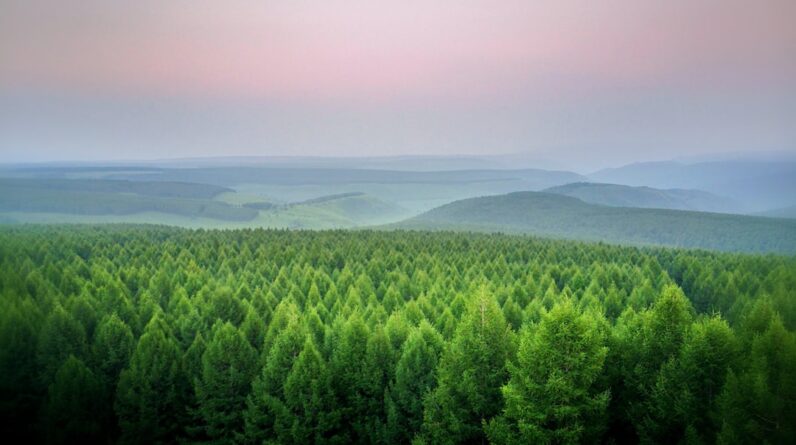
When you think about reforestation, it’s easy to envision a world where planting trees can solve many of our environmental woes. This perception often leads to the belief that reforestation is a panacea for issues like climate change, biodiversity loss, and soil degradation. However, this oversimplification can be misleading.
While reforestation is undoubtedly a vital component of environmental restoration, it is not a silver bullet that can single-handedly address the complex web of ecological challenges we face today. You may find it tempting to believe that simply planting trees will restore ecosystems to their former glory, but the reality is far more nuanced. The idea that reforestation can single-handedly reverse the damage done by deforestation and industrialization overlooks the intricate relationships within ecosystems.
Trees are essential, but they are just one part of a much larger picture. You might consider how ecosystems function as interconnected networks, where various species, including plants, animals, and microorganisms, play critical roles. Focusing solely on tree planting can lead to monocultures that lack the diversity necessary for a healthy ecosystem.
Thus, while reforestation is an important step, it should be viewed as part of a broader strategy that includes habitat preservation, sustainable land management, and community engagement.
Key Takeaways
- Reforestation is not a cure-all solution for environmental issues
- Reforestation efforts have limitations and may not fully restore ecosystems
- Biodiversity is crucial for successful reforestation and ecosystem health
- Indigenous communities play a vital role in sustainable reforestation efforts
- Climate change poses challenges to reforestation and may impact its effectiveness
The Reality of Reforestation Efforts and Their Limitations
As you delve deeper into the world of reforestation, you may come across numerous initiatives aimed at restoring forests around the globe. These efforts often receive significant media attention and funding, creating an impression that they are universally successful. However, the reality is that many reforestation projects face substantial challenges that can hinder their effectiveness.
For instance, you might discover that some initiatives prioritize speed over ecological integrity, leading to poorly planned tree-planting efforts that do not consider local conditions or species diversity. Moreover, the survival rate of newly planted trees can be alarmingly low. Factors such as inadequate maintenance, competition from invasive species, and changing climate conditions can all contribute to high mortality rates among young saplings.
You may find it disheartening to learn that in some cases, less than half of the trees planted in a reforestation project survive beyond a few years. This reality underscores the importance of not only planting trees but also ensuring that they are nurtured and integrated into their ecosystems in a sustainable manner.
The Importance of Biodiversity in Reforestation

As you explore the intricacies of reforestation, you will likely come to appreciate the critical role that biodiversity plays in these efforts. Biodiversity refers to the variety of life forms within an ecosystem, including different species of plants, animals, and microorganisms. When you engage in reforestation, it’s essential to recognize that simply planting trees is not enough; you must also consider the diverse array of species that inhabit these environments.
A biodiverse ecosystem is more resilient and better equipped to withstand environmental stressors such as disease outbreaks or climate fluctuations. Incorporating a variety of native species into reforestation projects can enhance ecosystem stability and promote healthier soil and water systems. You may find it fascinating that diverse plant communities can improve nutrient cycling and provide habitats for various wildlife species.
By prioritizing biodiversity in your reforestation efforts, you contribute to creating ecosystems that are not only more resilient but also more capable of supporting a wide range of life forms. This holistic approach ensures that your efforts lead to sustainable outcomes rather than temporary fixes.
The Role of Indigenous Communities in Reforestation
As you consider the various stakeholders involved in reforestation efforts, it becomes increasingly clear that Indigenous communities play a vital role in these initiatives. These communities often possess deep knowledge of local ecosystems and have been stewards of their lands for generations. When you engage with Indigenous peoples in reforestation projects, you tap into a wealth of traditional ecological knowledge that can inform sustainable practices and enhance the success of your efforts.
Moreover, involving Indigenous communities in reforestation not only respects their rights but also empowers them to take an active role in managing their resources. You may find it inspiring to learn about successful collaborations between conservation organizations and Indigenous groups that have led to thriving forests and revitalized cultural practices. By recognizing the importance of Indigenous voices in reforestation efforts, you contribute to a more equitable approach to environmental restoration that honors both people and nature.
The Impact of Climate Change on Reforestation Efforts
As you navigate the complexities of reforestation, it’s crucial to acknowledge the significant impact climate change has on these initiatives. Rising temperatures, shifting precipitation patterns, and increased frequency of extreme weather events pose serious challenges to successful reforestation efforts. You may find it concerning that many regions are experiencing conditions that make it increasingly difficult for newly planted trees to thrive.
For instance, droughts can severely limit water availability for young saplings, while intense storms can uproot or damage newly established forests. As you consider these challenges, it becomes evident that adaptive strategies are necessary for successful reforestation in a changing climate. This might involve selecting tree species that are more resilient to climate variability or implementing water conservation techniques to support young trees during dry spells.
By understanding the implications of climate change on reforestation efforts, you can better prepare for the uncertainties ahead.
The Challenges of Sustainable Reforestation

While the concept of sustainable reforestation is appealing, implementing it effectively presents numerous challenges. As you explore this topic further, you may encounter issues such as land tenure conflicts, economic pressures on local communities, and insufficient funding for long-term projects. These factors can complicate efforts to establish sustainable practices that benefit both the environment and local populations.
You might also find it interesting to learn about the importance of balancing ecological goals with social and economic needs. For example, if local communities rely on land for agriculture or grazing, they may be resistant to reforestation efforts that restrict their access to these resources. Engaging with these communities and finding ways to integrate their needs into reforestation plans is essential for achieving sustainable outcomes.
By addressing these challenges head-on, you can contribute to creating more effective and inclusive reforestation strategies.
The Need for Long-Term Commitment to Reforestation
As you reflect on the complexities surrounding reforestation efforts, one key takeaway is the necessity for long-term commitment. Many projects falter due to a lack of sustained investment and attention after the initial planting phase. You may find it disheartening to learn that without ongoing care and monitoring, even well-planned reforestation initiatives can fail over time.
Long-term commitment involves not only financial resources but also community engagement and education. You might consider how fostering a sense of ownership among local populations can lead to more successful outcomes. When communities are actively involved in monitoring and maintaining newly planted forests, they are more likely to see these areas as valuable resources rather than obstacles to their livelihoods.
By advocating for long-term commitment in reforestation efforts, you contribute to building resilient ecosystems that can thrive for generations.
The Potential Benefits of Reforestation for Local Communities
Finally, as you contemplate the broader implications of reforestation efforts, it’s essential to recognize the potential benefits they can bring to local communities. Beyond environmental restoration, reforestation can create economic opportunities through sustainable forestry practices, ecotourism, and improved agricultural productivity. You may find it encouraging to learn about communities that have successfully integrated reforestation into their livelihoods, leading to enhanced food security and economic resilience.
Additionally, reforested areas can provide vital ecosystem services such as clean water filtration, carbon sequestration, and habitat for wildlife. These benefits not only improve local quality of life but also contribute to global environmental goals. As you engage with reforestation initiatives, consider how they can serve as catalysts for positive change within communities while simultaneously addressing pressing environmental challenges.
By recognizing the interconnectedness of people and nature, you can help foster a more sustainable future for all.
If you are interested in learning more about the impact of forest burning on trees and animals, check out the article Stop Forest Burning: Save Trees and Animals. This article discusses the detrimental effects of forest fires on wildlife and the environment, emphasizing the importance of preventing these destructive practices.
FAQs
What is reforestation?
Reforestation is the process of planting trees in areas where forests have been depleted or destroyed. It is a crucial tool in combating deforestation and climate change.
Why is reforestation important?
Reforestation is important because trees play a vital role in absorbing carbon dioxide, providing habitat for wildlife, preventing soil erosion, and maintaining the balance of ecosystems. It also helps to mitigate the effects of climate change.
What are some common myths about reforestation?
Some common myths about reforestation include the belief that planting any type of tree will help, that reforestation is a quick fix for deforestation, and that reforestation efforts are always successful.
What are the facts about reforestation?
The facts about reforestation include the importance of planting native tree species, the need for long-term commitment to reforestation efforts, and the understanding that reforestation is just one part of a larger strategy to combat deforestation and climate change.
How can individuals contribute to reforestation efforts?
Individuals can contribute to reforestation efforts by supporting organizations that plant trees, participating in tree-planting initiatives, and advocating for sustainable land use and forest conservation.