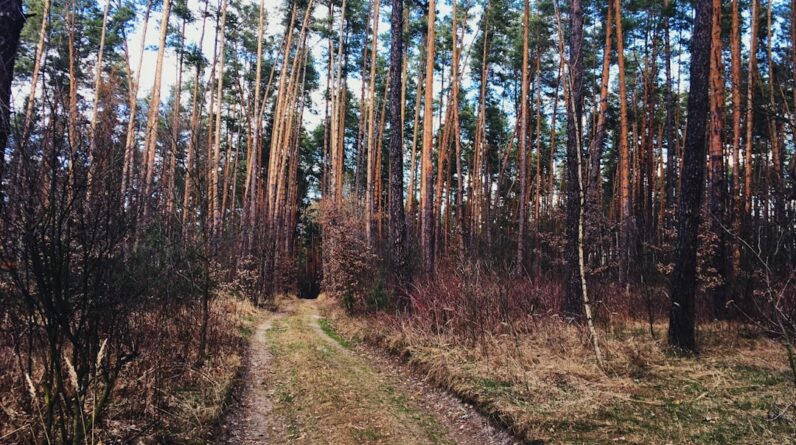
Ecosystem restoration is a vital process aimed at reviving and rehabilitating damaged or degraded ecosystems. As you delve into this subject, you will discover that it encompasses a wide range of activities designed to restore the natural balance and functionality of an ecosystem. This can include reestablishing native plant and animal populations, improving soil health, and enhancing water quality.
The ultimate goal is to create a self-sustaining environment that can thrive independently, providing essential services such as clean air, water filtration, and habitat for wildlife. You may find it fascinating to learn that ecosystem restoration is not merely about planting trees or cleaning up pollution; it is a holistic approach that considers the intricate relationships between various components of the ecosystem. This includes understanding the roles of different species, the importance of biodiversity, and the impact of human activities on natural systems.
By grasping these concepts, you can appreciate the complexity of ecosystems and the necessity of restoring them to their former glory.
Key Takeaways
- Ecosystem restoration involves repairing and revitalizing natural habitats to their original state.
- Identifying degraded ecosystems is crucial for understanding the extent of damage and planning restoration efforts.
- Setting clear goals and objectives is essential for effective planning and implementation of restoration projects.
- Reintroducing native species is a key technique in restoring the balance and biodiversity of ecosystems.
- Monitoring and evaluating progress is necessary to ensure the success of restoration efforts and make any necessary adjustments.
Assessing the Damage: Identifying Degraded Ecosystems
Before embarking on any restoration project, it is crucial to assess the damage and identify which ecosystems are in need of attention. You might begin this process by conducting field surveys, analyzing satellite imagery, and reviewing historical data to understand the extent of degradation. This assessment will help you pinpoint areas that have suffered from deforestation, pollution, invasive species, or climate change impacts.
By recognizing these issues, you can prioritize which ecosystems require immediate intervention. In your evaluation, you will also want to consider the ecological functions that have been lost due to degradation. For instance, wetlands may have been drained for agriculture, leading to a loss of biodiversity and water filtration capabilities.
Forests may have been logged unsustainably, resulting in soil erosion and habitat destruction. By identifying these specific problems, you can develop targeted strategies for restoration that address the root causes of degradation rather than just treating the symptoms.
Planning for Restoration: Setting Goals and Objectives
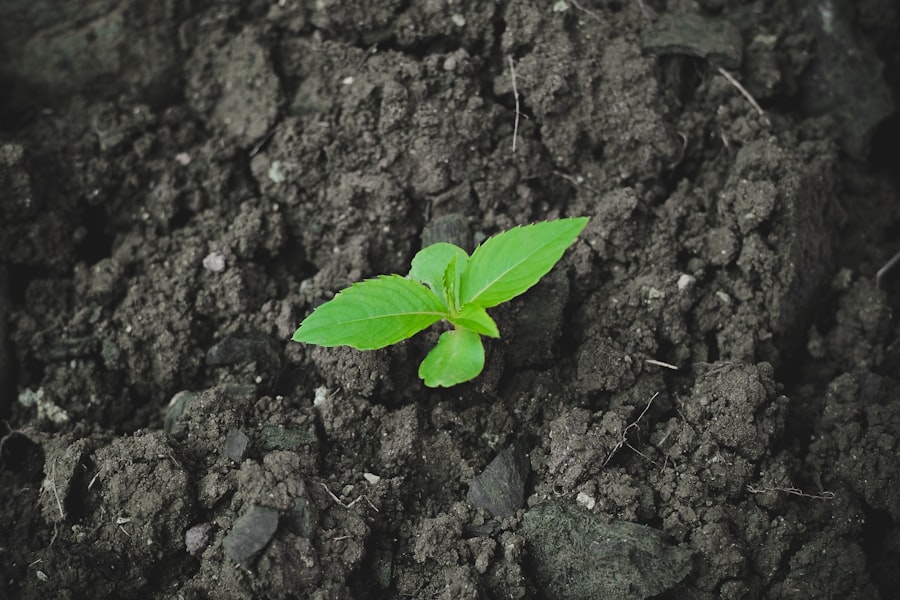
Once you have assessed the damage, the next step is to create a comprehensive restoration plan. This involves setting clear goals and objectives that will guide your efforts. You might start by defining what success looks like for the ecosystem you are working to restore.
For example, if you are focusing on a wetland area, your goals may include increasing native plant diversity, improving water quality, and enhancing habitat for migratory birds. As you set these objectives, it is essential to ensure they are specific, measurable, achievable, relevant, and time-bound (SMART). This framework will help you track progress and make necessary adjustments along the way.
Additionally, involving local stakeholders in this planning phase can provide valuable insights and foster a sense of ownership over the restoration project. By collaborating with community members, scientists, and conservation organizations, you can create a more robust plan that reflects the needs and values of those who depend on the ecosystem.
Implementing Restoration Techniques: Reintroducing Native Species
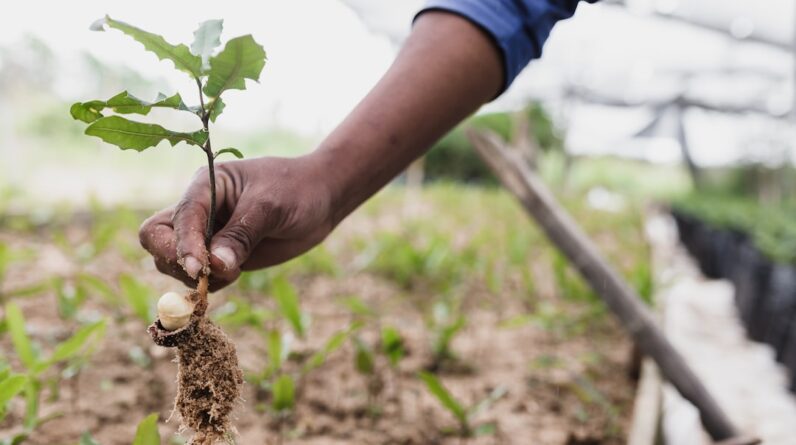
With a solid plan in place, you can begin implementing restoration techniques that focus on reintroducing native species. This step is critical because native plants and animals are adapted to local conditions and play essential roles in maintaining ecosystem health. You may choose to start by propagating native plants in nurseries before planting them in the restoration area.
This ensures that you have a diverse selection of species that can thrive in the specific conditions of the site. In addition to planting native flora, you might also consider reintroducing native fauna that have been displaced or diminished in number. This could involve creating habitats that support these species or even translocating individuals from healthy populations to bolster numbers in degraded areas.
As you implement these techniques, it is important to monitor their effectiveness and make adjustments as needed. The success of reintroduction efforts often hinges on creating a balanced ecosystem where all components can coexist harmoniously.
Monitoring and Evaluating Progress
Monitoring and evaluating progress is a crucial aspect of ecosystem restoration that should not be overlooked. As you implement your restoration plan, you will want to establish baseline data against which you can measure changes over time. This may involve regular assessments of plant and animal populations, soil health, water quality, and other ecological indicators.
By collecting this data systematically, you can gain insights into how well your restoration efforts are working. You might also consider using technology to enhance your monitoring efforts. For instance, remote sensing tools can provide valuable information about land cover changes, while citizen science initiatives can engage local communities in data collection.
By involving others in monitoring activities, you not only expand your capacity for evaluation but also foster a sense of stewardship among community members. This collaborative approach can lead to more sustainable outcomes as people become invested in the health of their local ecosystems.
Engaging the Community: Involving Stakeholders in Restoration Efforts
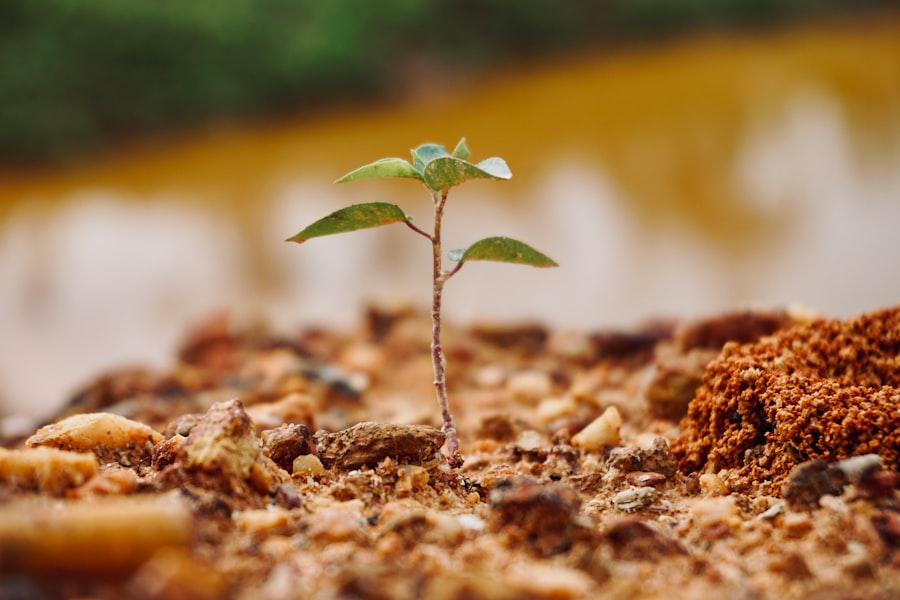
Engaging the community is essential for successful ecosystem restoration. You will find that involving stakeholders—such as local residents, businesses, schools, and government agencies—can significantly enhance the effectiveness of your efforts. By fostering collaboration and open communication, you create an environment where everyone feels valued and empowered to contribute to the restoration process.
You might organize workshops or informational sessions to educate community members about the importance of ecosystem restoration and how they can get involved. This could include volunteer opportunities for planting native species or participating in monitoring activities. By building relationships with stakeholders and encouraging their participation, you not only strengthen community ties but also increase public awareness about environmental issues.
Ultimately, this collective effort can lead to more resilient ecosystems and a greater commitment to conservation.
Overcoming Challenges: Dealing with Obstacles in Ecosystem Restoration
Despite your best efforts, you may encounter various challenges during the ecosystem restoration process. These obstacles can range from funding limitations and regulatory hurdles to unforeseen environmental changes such as extreme weather events or invasive species outbreaks. It is essential to remain adaptable and resilient in the face of these challenges.
One effective strategy for overcoming obstacles is to build partnerships with other organizations or agencies that share similar goals. By pooling resources and expertise, you can tackle challenges more effectively than if you were working alone. Additionally, staying informed about best practices in restoration science can help you anticipate potential issues and develop proactive solutions.
Remember that setbacks are often part of the journey; learning from these experiences can ultimately lead to more successful outcomes.
Celebrating Success: The Benefits of Restoring Nature’s Cathedral
As your restoration efforts begin to bear fruit, it is important to take time to celebrate your successes. Restoring ecosystems not only benefits the environment but also enhances community well-being and resilience. You may notice improvements in biodiversity as native species return and thrive in their restored habitats.
Additionally, healthier ecosystems provide essential services such as clean air and water, flood mitigation, and carbon sequestration. Celebrating these achievements can inspire others to engage in similar efforts and foster a culture of environmental stewardship within your community. You might consider hosting events or creating educational materials that highlight the positive impacts of your restoration work.
By sharing stories of success and showcasing the beauty of restored landscapes, you can motivate others to join the movement toward a healthier planet. Ultimately, restoring nature’s cathedral is not just about ecological recovery; it is about creating a legacy of sustainability for future generations to enjoy.
If you are interested in learning more about the importance of planting trees for climate change, check out the article Advantages of Planting Trees for Climate Change. This article discusses the benefits of reforestation and how it can help combat the effects of climate change. It complements the information provided in “Rebuilding Nature’s Cathedral: The Complete Guide to Ecosystem Restoration” by highlighting the role of trees in restoring and preserving ecosystems.
FAQs
What is ecosystem restoration?
Ecosystem restoration is the process of repairing and rebuilding damaged or degraded ecosystems to their natural state. This can involve a variety of techniques such as reforestation, wetland restoration, and reintroduction of native species.
Why is ecosystem restoration important?
Ecosystem restoration is important because healthy ecosystems provide essential services such as clean air and water, carbon sequestration, and habitat for wildlife. Restoring ecosystems can also help mitigate the impacts of climate change and protect biodiversity.
What are some common techniques used in ecosystem restoration?
Common techniques used in ecosystem restoration include planting native vegetation, removing invasive species, restoring natural water flow, and reintroducing native animal species. These techniques can vary depending on the specific ecosystem being restored.
What are the benefits of ecosystem restoration?
The benefits of ecosystem restoration include improved biodiversity, enhanced ecosystem services, and increased resilience to environmental changes. Restored ecosystems can also provide recreational and educational opportunities for communities.
What are some challenges associated with ecosystem restoration?
Challenges associated with ecosystem restoration can include limited funding and resources, regulatory hurdles, and the need for long-term monitoring and maintenance. Additionally, restoring ecosystems in heavily urbanized or industrialized areas can present unique challenges.
How can individuals get involved in ecosystem restoration?
Individuals can get involved in ecosystem restoration by volunteering with local conservation organizations, participating in community restoration projects, and supporting policies and initiatives that promote ecosystem health. Additionally, individuals can educate themselves and others about the importance of ecosystem restoration.