Have you ever wondered how the cutting down of trees could be closely linked to the rising temperatures of our planet? Our world is facing an environmental challenge that’s gaining more attention by the day: global warming. This phenomenon isn’t just about hotter summers; it has far-reaching consequences for our planet. One significant contributor to global warming is deforestation. Let’s examine how the reduction in our planet’s tree canopy is playing a disturbing role in climate change.
Global Warming: An Overview
Global warming refers to the increase in Earth’s average surface temperature due to human activities, primarily the emission of greenhouse gases. The greenhouse gases, such as carbon dioxide (CO2), methane (CH4), and nitrous oxide (N2O), trap heat in the atmosphere, leading to what is often called the “greenhouse effect.”
Causes of Global Warming
- Fossil Fuels: The burning of coal, oil, and natural gas for energy and transportation is the most significant source of greenhouse gas emissions.
- Industrial Processes: Factories and industries contribute a considerable amount of greenhouse gases.
- Agriculture: Agricultural activities emit gases like methane and nitrous oxide.
- Deforestation: Trees absorb CO2, and when they are cut down, this carbon is released back into the atmosphere, enhancing the greenhouse effect.
Deforestation stands out because it not only adds more CO2 to the atmosphere but also removes one of the Earth’s crucial tools for absorbing this harmful gas.
The Process of Deforestation
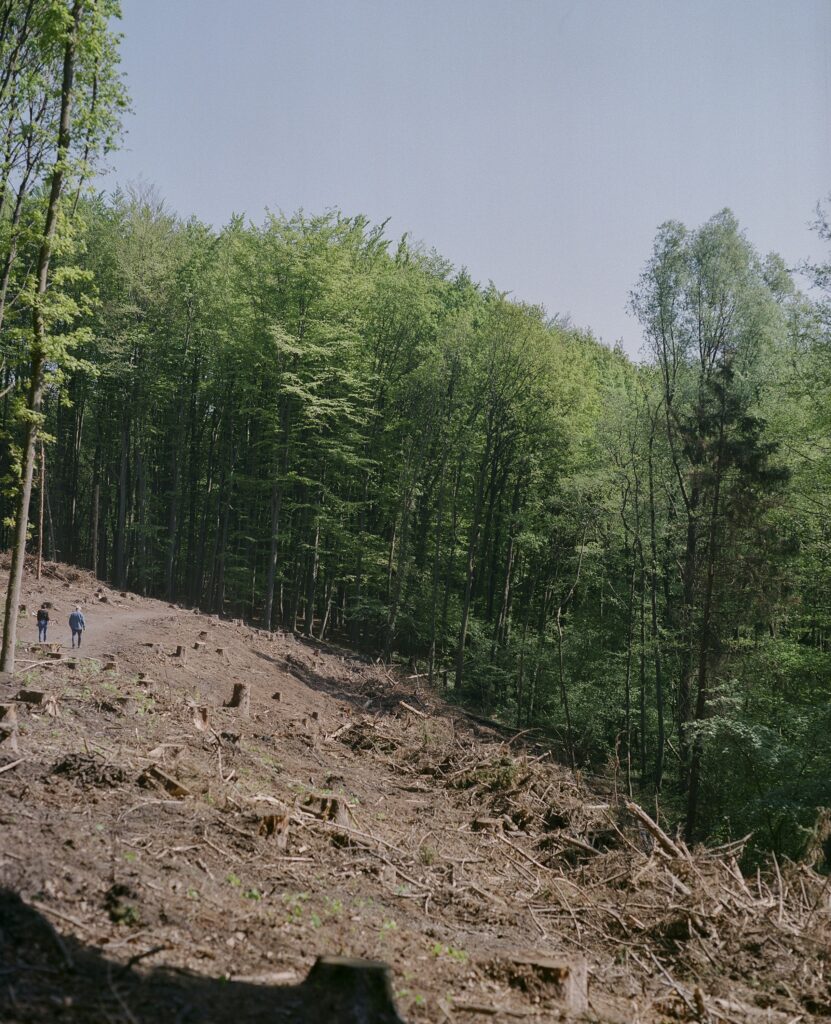
Deforestation involves the cutting, clearing, and removal of forested areas to make way for agricultural activities, urban development, or other uses. This process dramatically alters the landscape and has severe environmental consequences.
Why Is Deforestation Happening?
- Agricultural Expansion: More land is needed for crops and livestock as the human population increases.
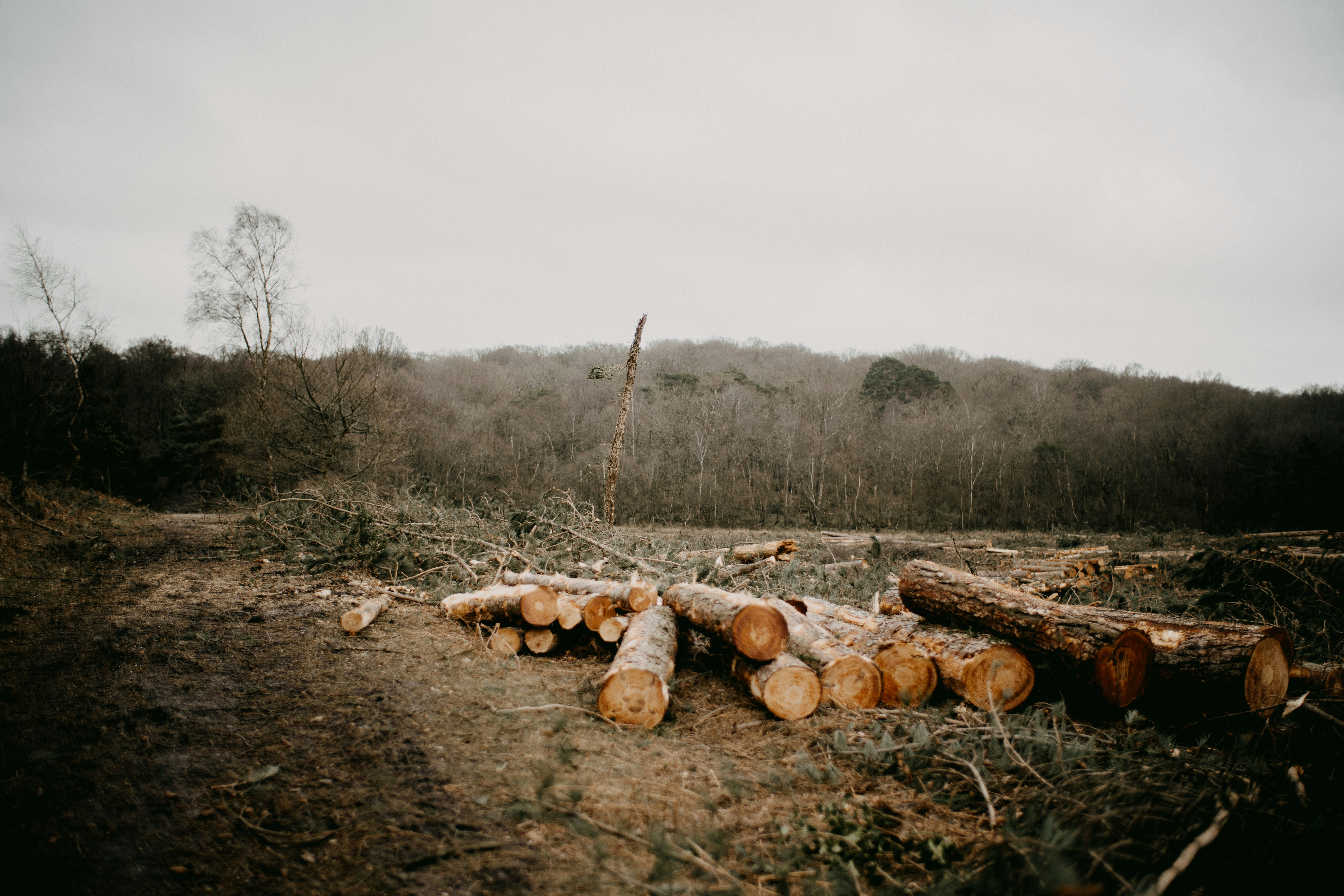
- Logging: Trees are cut down for timber and paper products.
- Infrastructure Development: Urbanization requires space, leading to the clearance of forests.
- Mining: Mining activities often require large tracts of land cleared for operations.
Each of these activities contributes to the erosion of our forests and the increase in atmospheric CO2 levels.
The Connection Between Deforestation and Global Warming
When trees grow, they absorb CO2 from the atmosphere through the process of photosynthesis, helping to mitigate climate change by reducing the amount of this greenhouse gas. However, when forests are cleared or burned, the stored carbon is released back into the atmosphere, significantly contributing to global warming.
Release of Stored Carbon
Forests store vast amounts of carbon in their biomass (trunks, branches, roots, and leaves) and in the soil. Deforestation releases this carbon in a few significant ways:
- Burning Trees: Often, forests are cleared by burning the trees, directly releasing CO2.
- Decomposition: Fallen and dead trees slowly decompose, emitting CO2 and methane over time.
Loss of Carbon Absorption
As forests shrink, their ability to absorb CO2 diminishes. This loss exacerbates the greenhouse effect, contributing to higher global temperatures.
| Cause of Deforestation | Impact on Global Warming |
|---|---|
| Agricultural Expansion | Increased CO2 from cleared land and reduced carbon sinks |
| Logging | Direct CO2 emissions from timber processing |
| Infrastructure Development | Loss of forests, increased urban heat islands |
| Mining | Habitat destruction, increased carbon release |
The Effects of Global Warming Aggravated by Deforestation
The combination of global warming and deforestation induces a series of environmental challenges that affect not just the climate, but also biodiversity, ecosystems, and human societies.
Rising Temperatures
The most noticeable impact of global warming is the rise in average global temperatures. This has several secondary effects such as:
- Heatwaves: More frequent and severe heatwaves, affecting human health and agricultural productivity.
- Melting Ice Caps: Accelerated melting of polar ice caps and glaciers, leading to rising sea levels.
Altered Rainfall Patterns
Deforestation affects local and global water cycles. Trees play a critical role in the water cycle by absorbing rainfall and releasing it back into the atmosphere through transpiration. When forests are cleared:
- Reduced Rainfall: Local and regional climates become drier.
- Droughts: More frequent and severe droughts can occur.
- Floods: Loss of tree cover can lead to more severe flooding, as there are fewer roots to absorb water.
Loss of Biodiversity
Forests are home to a vast range of species. When they are destroyed, countless animals and plants lose their homes, leading to:
- Species Extinction: Many species are either displaced or become extinct.
- Disrupted Ecosystems: The balance of ecosystems is disturbed, affecting all living organisms within it.
Impact on Human Communities
Deforestation and global warming have direct implications for human societies:
- Food Security: Changing climate conditions can affect crop yields, impacting food supply.
- Water Resources: Altered rainfall patterns can lead to water shortages.
- Health Concerns: Increased incidence of heat-related illnesses and diseases, such as malaria, due to changing ecosystems.
Preventing Deforestation to Combat Global Warming
Mitigating global warming requires a multifaceted approach, and one critical aspect is preventing further deforestation. Here are some strategies:
Legal and Policy Frameworks
Governments and international bodies can enact laws and policies to protect forests. Some measures include:
- Protected Areas: Designating national parks and reserves.
- Sustainable Forestry Management: Implementing practices that ensure trees are replanted and forests are maintained.
- Carbon Credits: Providing financial incentives for forest conservation through carbon trading.
Technological Innovations
Technology can play a significant role in reducing deforestation. Innovations include:
- Satellite Monitoring: Using satellites to monitor and identify areas at risk of deforestation.
- Drones: Employing drones for surveillance and planting trees in difficult-to-reach areas.
Community Involvement
Engaging local communities in conservation efforts is essential. Strategies involve:
- Education and Awareness: Teaching the importance of forests and sustainable practices.
- Alternative Livelihoods: Providing communities with economic incentives that do not involve forest clearance.
Reforestation and Afforestation
Planting trees is a direct way to replenish forests and absorb CO2. Efforts in this direction include:
- Reforestation: Replanting trees in deforested areas.
- Afforestation: Establishing new forests in areas that previously didn’t have trees.
The Role You Can Play
Your actions can make a difference in combating global warming and deforestation. Consider the following steps:
Reduce, Reuse, Recycle
Reducing the demand for paper and wood products, reusing what you have, and recycling materials reduce the pressure on forests.
Support Sustainable Products
Purchase products that are sourced sustainably, such as those with certifications from the Forest Stewardship Council (FSC).
Advocate for Change
Use your voice to advocate for stronger environmental policies and support organizations working to protect forests.
Educate Others
Raising awareness among your friends, family, and community about the importance of forests can drive collective action.
| Action | Impact |
|---|---|
| Reduce, Reuse, Recycle | Decreases demand for deforested products |
| Support Sustainable Products | Encourages sustainable industry practices |
| Advocate for Change | Influences policy decisions at local and national levels |
| Educate Others | Promotes community-wide conservation efforts |
Conclusion
Understanding the aftermath of deforestation in the context of global warming is crucial for developing effective strategies to protect our environment. The relationship between tree loss and climate change is intricate and deeply interconnected.
When forests are destroyed, stored carbon is released, driving temperatures higher and altering weather patterns. Such changes lead to significant environmental, ecological, and societal consequences. However, through concerted global efforts, from policy changes to individual actions, it is possible to combat deforestation and mitigate its impacts on global warming. Each small step taken towards conserving forests contributes to stabilizing our planet’s climate for future generations.
What steps will you take today to combat deforestation and its dire effects on global warming? The future of our planet depends on the actions we collectively undertake now.