
The greenhouse effect is a natural phenomenon that plays a crucial role in maintaining the Earth’s temperature and supporting life as we know it. You may have heard about it in discussions surrounding climate change, but understanding its mechanics and implications is essential for grasping the broader environmental challenges we face today. Essentially, the greenhouse effect refers to the way certain gases in the Earth’s atmosphere trap heat from the sun, preventing it from escaping back into space.
This process keeps our planet warm enough to sustain life, but it also poses significant risks when exacerbated by human activities. As you delve deeper into this topic, you will discover that the greenhouse effect is not merely a scientific concept; it is a pressing issue that affects every aspect of our lives. From the food you eat to the air you breathe, the consequences of an altered greenhouse effect are far-reaching.
The balance of this natural process is being disrupted, leading to a cascade of environmental changes that threaten ecosystems and human societies alike. Understanding the greenhouse effect is not just an academic exercise; it is a call to action for individuals and communities to engage in meaningful solutions.
Key Takeaways
- The greenhouse effect is a natural process that warms the Earth’s surface.
- Human activities, such as burning fossil fuels and deforestation, have intensified the greenhouse effect.
- An enhanced greenhouse effect leads to global warming, rising sea levels, and extreme weather events.
- Mitigating the greenhouse effect requires transitioning to renewable energy sources and reducing carbon emissions.
- International cooperation and urgent action are crucial in addressing the greenhouse effect and its impacts on the planet.
How the Greenhouse Effect Works
To grasp how the greenhouse effect operates, you need to visualize the Earth as a giant greenhouse. The sun emits energy in the form of sunlight, which reaches the Earth’s surface and warms it. In turn, the Earth radiates this heat back into space.
However, certain gases in the atmosphere—known as greenhouse gases—trap some of this outgoing heat, creating a thermal blanket around the planet. These gases include carbon dioxide (CO2), methane (CH4), nitrous oxide (N2O), and water vapor, among others. Without this natural insulation, the Earth would be inhospitably cold, making it impossible for life to thrive.
As you consider this process, it’s important to recognize that not all greenhouse gases are created equal. Some have a much greater warming potential than others. For instance, methane is significantly more effective at trapping heat than carbon dioxide, albeit present in smaller quantities.
This means that even small increases in methane emissions can have a disproportionately large impact on global temperatures. Understanding these nuances helps you appreciate the complexity of climate science and the urgent need for targeted action to reduce emissions.
Impact of Human Activities on the Greenhouse Effect
Human activities have significantly intensified the greenhouse effect over the past century, primarily through industrialization, deforestation, and agricultural practices. As you reflect on your daily life, consider how many products and services you use that contribute to greenhouse gas emissions. The burning of fossil fuels for energy—such as coal, oil, and natural gas—releases vast amounts of carbon dioxide into the atmosphere.
Transportation, electricity generation, and manufacturing processes are major culprits in this regard. Moreover, deforestation exacerbates the problem by reducing the number of trees available to absorb CO2 from the atmosphere. When forests are cleared for agriculture or urban development, not only is this vital carbon sink lost, but the act of burning or decomposing trees also releases stored carbon back into the atmosphere.
As you think about these activities, it becomes clear that individual choices and collective actions play a significant role in shaping our environmental future. The challenge lies in recognizing how interconnected our lives are with these global issues and understanding that your actions can contribute to either mitigating or exacerbating climate change.
Consequences of an Enhanced Greenhouse Effect
The consequences of an enhanced greenhouse effect are profound and multifaceted. As global temperatures rise due to increased concentrations of greenhouse gases, you may notice changes in weather patterns, more frequent extreme weather events, and rising sea levels. These changes can lead to devastating impacts on agriculture, water supply, and biodiversity.
For instance, shifting climate zones can disrupt traditional farming practices, making it difficult for farmers to grow crops that once thrived in their regions. Additionally, rising sea levels threaten coastal communities around the world. As polar ice melts and ocean waters expand due to warming, low-lying areas face increased flooding and erosion.
You might find it alarming that entire cities could become uninhabitable if current trends continue unchecked. The social implications are equally concerning; climate change can exacerbate existing inequalities and lead to displacement of populations, creating climate refugees who are forced to leave their homes in search of safety and stability.
Solutions to Mitigate the Greenhouse Effect
Addressing the greenhouse effect requires a multifaceted approach that involves both individual actions and systemic changes. On a personal level, you can make conscious choices to reduce your carbon footprint. This might include using public transportation instead of driving, reducing energy consumption at home by using energy-efficient appliances, or opting for a plant-based diet that has a lower environmental impact.
Every small action counts when it comes to mitigating climate change. On a larger scale, governments and organizations must implement policies aimed at reducing greenhouse gas emissions. This includes investing in renewable energy sources such as solar, wind, and hydroelectric power, which produce little to no emissions compared to fossil fuels.
Additionally, reforestation efforts can help restore vital carbon sinks while promoting biodiversity. By advocating for sustainable practices and supporting policies that prioritize environmental health, you can contribute to a collective movement toward a more sustainable future.
The Role of Renewable Energy in Combating the Greenhouse Effect

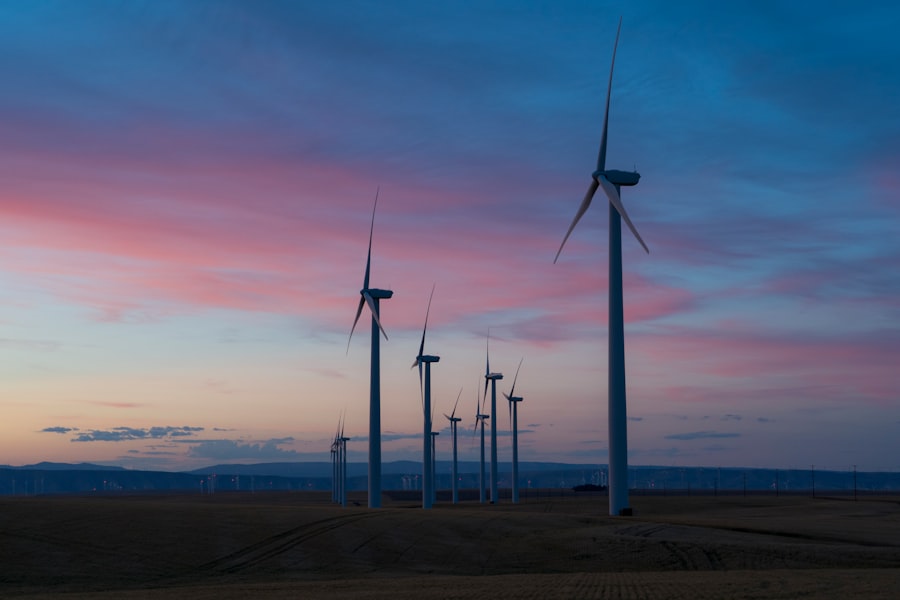
Renewable energy plays a pivotal role in combating the greenhouse effect by providing cleaner alternatives to fossil fuels. As you explore this topic further, consider how transitioning to renewable energy sources can significantly reduce carbon emissions while also promoting energy independence and security. Solar panels harness sunlight to generate electricity without emitting harmful pollutants, while wind turbines convert wind energy into clean power.
These technologies are not only environmentally friendly but also increasingly cost-effective. Moreover, investing in renewable energy creates jobs and stimulates economic growth. As more individuals and businesses adopt sustainable practices, you may find that entire communities benefit from cleaner air and reduced health risks associated with pollution.
The shift toward renewable energy is not just an environmental imperative; it is also an opportunity for innovation and progress that can lead to a more resilient economy.
International Efforts to Address the Greenhouse Effect
The global nature of climate change necessitates international cooperation and commitment. Various agreements and treaties have been established to address the greenhouse effect on a global scale. The Paris Agreement, for example, aims to unite countries in their efforts to limit global warming to well below 2 degrees Celsius above pre-industrial levels.
As you consider these international efforts, it’s important to recognize that they require participation from all nations—developed and developing alike—to be effective. You may also find it encouraging that many countries are setting ambitious targets for reducing emissions and transitioning to sustainable practices. Collaborative initiatives such as carbon trading systems and technology-sharing agreements can help facilitate progress across borders.
By staying informed about these international efforts and advocating for strong climate policies in your own community, you can contribute to a global movement aimed at addressing one of the most pressing challenges of our time.
The Urgency of Addressing the Greenhouse Effect
In conclusion, addressing the greenhouse effect is not merely an environmental concern; it is an urgent call to action for individuals, communities, and nations alike. As you reflect on what you’ve learned about this critical issue, consider how interconnected our lives are with the health of our planet. The choices you make today can have lasting impacts on future generations and the ecosystems that sustain us all.
The time for complacency has passed; now is the moment for decisive action. Whether through personal lifestyle changes or advocating for systemic reforms, your involvement matters. By understanding the complexities of the greenhouse effect and its implications for our world, you can become an informed advocate for change—one who contributes to a sustainable future where both people and nature can thrive together.
In a related article on combatting global warming, Combatting Global Warming by Massive Tree Planting, the importance of planting trees as a solution to climate change is highlighted. Trees play a crucial role in absorbing carbon dioxide and reducing greenhouse gas emissions, ultimately helping to mitigate the effects of the greenhouse effect on our planet. Additionally, healthy forests serve as biodiversity reservoirs, as discussed in another article on Biodiversity Reservoir by Having Healthy Forest, showcasing the interconnectedness of ecosystems and the vital role that trees play in maintaining a balanced environment. By understanding the unseen force of the greenhouse effect and taking action through tree planting initiatives, we can work towards a more sustainable future for our glass house planet.
FAQs
What is the greenhouse effect?
The greenhouse effect is a natural process that warms the Earth’s surface. It occurs when certain gases in the atmosphere trap heat from the sun, preventing it from escaping back into space.
What are greenhouse gases?
Greenhouse gases are gases that contribute to the greenhouse effect by absorbing and emitting radiation within the thermal infrared range. The primary greenhouse gases in Earth’s atmosphere are water vapor, carbon dioxide, methane, nitrous oxide, and ozone.
How does the greenhouse effect impact the Earth’s climate?
The greenhouse effect is essential for maintaining the Earth’s temperature within a habitable range. However, human activities, such as burning fossil fuels and deforestation, have increased the concentration of greenhouse gases in the atmosphere, leading to an enhanced greenhouse effect and global warming.
What are the consequences of an enhanced greenhouse effect?
An enhanced greenhouse effect can lead to a range of consequences, including rising global temperatures, melting polar ice caps, sea level rise, more frequent and severe weather events, and disruptions to ecosystems and agriculture.
What can be done to mitigate the greenhouse effect?
Mitigating the greenhouse effect requires reducing greenhouse gas emissions through measures such as transitioning to renewable energy sources, improving energy efficiency, protecting and restoring forests, and implementing policies to limit emissions from industry and transportation.