
In recent years, you may have noticed a significant surge in youth activism, particularly within the climate movement. This rise is not merely a trend; it represents a profound shift in how younger generations perceive their role in addressing one of the most pressing issues of our time. Fueled by a sense of urgency and a desire for change, young people around the globe are stepping up to demand action on climate change.
They are no longer content to sit on the sidelines, waiting for older generations to take the lead. Instead, they are mobilizing, organizing, and advocating for a sustainable future. This newfound activism is characterized by a blend of passion, creativity, and determination.
You might find young activists using innovative methods to raise awareness about climate issues, from art installations to community events. They are harnessing their collective voice to challenge the status quo and hold leaders accountable. The rise of youth activism is not just about protesting; it’s about creating a movement that emphasizes inclusivity and collaboration.
As you observe this phenomenon, it becomes clear that young people are not just participants in the climate movement; they are its driving force.
Key Takeaways
- Youth activism in the climate movement is on the rise, with young people taking a leading role in advocating for environmental action.
- Greta Thunberg and other young leaders have played a significant role in raising awareness and mobilizing youth around the world to demand climate action.
- Youth-led climate strikes and protests have had a significant impact in raising awareness and putting pressure on governments and corporations to take action on climate change.
- Young activists are influencing policy and legislation by advocating for more ambitious climate goals and holding decision-makers accountable for their actions.
- Social media and digital activism have empowered young people to amplify their voices and mobilize support for the climate movement on a global scale.
The Role of Greta Thunberg and Other Young Leaders
One of the most recognizable figures in this wave of youth activism is Greta Thunberg. You may have seen her impassioned speeches at international forums or her striking presence at climate strikes around the world. Greta’s journey began with a solitary protest outside the Swedish parliament, but it quickly evolved into a global movement known as “Fridays for Future.” Her ability to articulate the urgency of climate action resonates deeply with many, inspiring countless young people to join her cause.
Greta’s influence extends beyond her own activism; she has become a symbol of hope and determination for youth everywhere. However, Greta is not alone in this fight. Across the globe, numerous young leaders are emerging, each bringing their unique perspectives and experiences to the climate movement.
You might hear stories of young activists like Vanessa Nakate from Uganda or Xiye Bastida from Mexico, who are also making significant contributions to the cause. These leaders highlight the diverse voices within the movement, emphasizing that climate change affects everyone differently. By sharing their stories and advocating for their communities, they enrich the dialogue around climate action and inspire others to take a stand.
The Impact of Youth-Led Climate Strikes and Protests
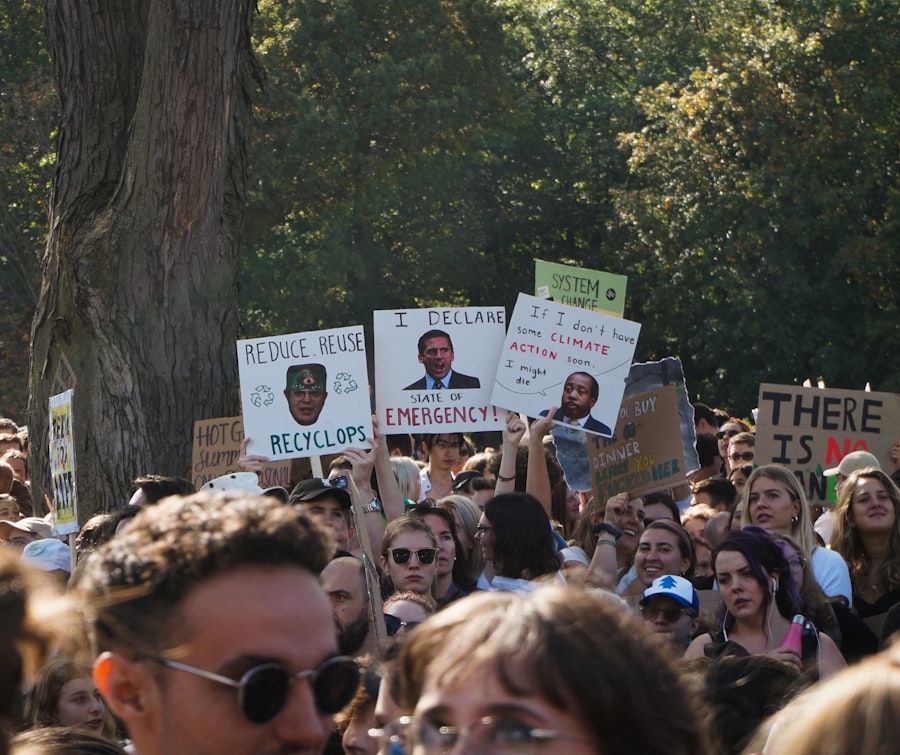
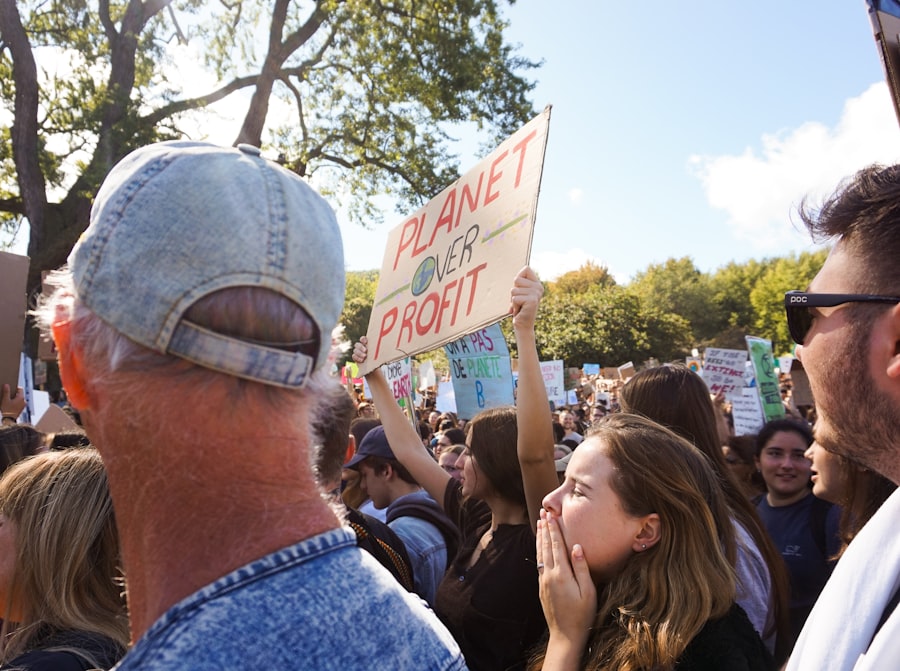
When you think about the impact of youth-led climate strikes and protests, it’s hard to overlook the sheer scale of participation. Millions of young people have taken to the streets, demanding immediate action from governments and corporations alike. These strikes have not only raised awareness about climate issues but have also galvanized public support for more sustainable policies.
You may recall images of students holding signs with powerful messages, their voices echoing through city streets as they call for change. This collective action has created a sense of solidarity among participants and has drawn attention from media outlets worldwide. The impact of these protests extends beyond mere visibility; they have sparked conversations about climate change in households, schools, and workplaces.
You might find that discussions about sustainability are now more prevalent than ever, thanks in part to the efforts of young activists. Their ability to mobilize large groups has forced politicians to acknowledge the demands of younger constituents. As you observe this dynamic, it becomes evident that youth-led protests are not just events; they are catalysts for broader societal change.
How Young Activists Are Influencing Policy and Legislation
As you delve deeper into the role of young activists in shaping policy and legislation, you may be surprised by their effectiveness. Many young people are not only raising awareness but are also actively engaging with policymakers to advocate for meaningful change. They understand that grassroots movements can lead to significant shifts in legislation when combined with strategic lobbying efforts.
You might see young activists attending town hall meetings, writing letters to representatives, or even testifying before legislative bodies to voice their concerns. The influence of youth activism on policy is becoming increasingly evident. You may have noticed that some governments are beginning to respond to the demands of young activists by implementing more ambitious climate policies.
For instance, initiatives aimed at reducing carbon emissions or investing in renewable energy sources often gain traction when supported by passionate youth advocates. As you reflect on this trend, it’s clear that young people are not just passive observers; they are active participants in shaping the future of environmental policy.
The Power of Social Media and Digital Activism in the Climate Movement
In today’s digital age, social media plays a crucial role in amplifying the voices of young climate activists. You may have seen hashtags like #FridaysForFuture or #ClimateStrike trending on platforms like Twitter and Instagram, showcasing the power of digital activism. Social media allows young activists to connect with one another across borders, share resources, and mobilize support for their causes.
It serves as a platform for storytelling, where individuals can share their experiences and highlight the impacts of climate change on their communities. Moreover, social media enables real-time engagement with followers and supporters. You might find that young activists use live streams or interactive posts to educate their audience about climate issues and encourage them to take action.
This digital landscape fosters a sense of community among activists and supporters alike, creating a global network united by a common goal: combating climate change. As you explore this aspect of youth activism, it becomes clear that social media is not just a tool; it is a powerful ally in the fight for environmental justice.
Challenges and Obstacles Faced by Young Climate Activists
Despite their passion and determination, young climate activists face numerous challenges and obstacles in their quest for change. One significant hurdle is the lack of resources and funding available to support their initiatives. You may find that many young activists operate on limited budgets, relying on grassroots fundraising efforts or volunteer work to sustain their campaigns.
This financial strain can hinder their ability to reach wider audiences or implement larger-scale projects. Additionally, young activists often encounter skepticism from older generations or policymakers who may dismiss their concerns as naive or overly idealistic. You might witness instances where their voices are marginalized in discussions about climate policy, leading to frustration among those who feel they have valuable insights to offer.
Navigating these challenges requires resilience and creativity, as young activists continue to push for recognition and respect within the broader climate movement.
The Importance of Intersectionality in the Climate Movement
As you engage with the climate movement, it’s essential to recognize the importance of intersectionality in addressing environmental issues. Young activists understand that climate change disproportionately affects marginalized communities, including people of color, low-income individuals, and indigenous populations. You may notice that many youth-led initiatives prioritize inclusivity and aim to amplify the voices of those most impacted by environmental degradation.
By embracing an intersectional approach, young activists highlight the interconnectedness of social justice and environmental sustainability. They advocate for policies that address systemic inequalities while also tackling climate change. This holistic perspective enriches the movement and fosters collaboration among diverse groups working toward common goals.
As you reflect on this aspect of youth activism, it becomes clear that true progress in combating climate change requires an understanding of how various social issues intersect.
The Future of Youth Activism in Addressing Climate Change
Looking ahead, the future of youth activism in addressing climate change appears promising yet challenging. As you consider the ongoing efforts of young activists, it’s evident that they will continue to play a vital role in shaping environmental discourse and policy. Their unwavering commitment to sustainability and justice will likely inspire future generations to take up the mantle of activism.
However, sustaining this momentum will require ongoing support from allies across various sectors—governments, businesses, and communities alike must recognize the importance of youth voices in decision-making processes. As you observe this evolving landscape, it’s crucial to remain engaged and supportive of young activists as they navigate both opportunities and obstacles in their pursuit of a more sustainable future. In conclusion, youth activism is reshaping the climate movement in profound ways.
From inspiring leaders like Greta Thunberg to impactful protests and digital engagement, young people are proving that they have both the power and determination to drive meaningful change. As you reflect on these developments, consider how you can support this vital movement and contribute to a more sustainable world for generations to come.
In a related article, How Does Planting Trees Help Deforestation?, the importance of reforestation efforts in combating deforestation is discussed. This article delves into the benefits of planting trees in areas affected by deforestation and how it can help restore ecosystems and mitigate the impacts of climate change. It highlights the crucial role that tree planting plays in the fight against environmental degradation and emphasizes the positive impact it can have on the planet.
FAQs
What is the climate movement?
The climate movement refers to a global effort to address climate change and its impacts through advocacy, activism, and policy change. It involves individuals, organizations, and communities working to raise awareness about climate issues and push for solutions.
Who are the young activists driving the climate movement?
Young activists driving the climate movement are individuals, often students or young professionals, who are passionate about addressing climate change. They are involved in organizing protests, advocating for policy change, and raising awareness about the urgency of the climate crisis.
What are some examples of young activists’ impact on the climate movement?
Young activists have played a significant role in raising awareness about climate change through movements like Fridays for Future, organizing climate strikes, and advocating for policy changes such as the Green New Deal. They have also influenced public opinion and pushed for climate action at local, national, and international levels.
How are young activists contributing to the climate movement?
Young activists contribute to the climate movement by organizing protests and demonstrations, engaging in advocacy and lobbying efforts, using social media to raise awareness, and participating in grassroots initiatives to address climate change.
What are the goals of the climate movement?
The goals of the climate movement include raising awareness about the urgency of climate change, advocating for policy changes to reduce greenhouse gas emissions, promoting renewable energy and sustainable practices, and addressing environmental justice issues related to climate impacts.