
As you step into the realm of new forests, you find yourself enveloped in a vibrant tapestry of life. These forests, often born from reforestation efforts or natural regeneration, serve as crucial habitats for countless species. They are not merely collections of trees; they are dynamic ecosystems that play a pivotal role in maintaining biodiversity.
The intricate web of life within these forests is essential for ecological balance, providing a sanctuary for flora and fauna alike. Understanding the significance of new forests in the context of biodiversity is vital, as it sheds light on their role in combating climate change, preserving species, and enhancing the overall health of our planet. New forests emerge from various circumstances, whether through human intervention or natural processes.
They can arise in areas previously cleared for agriculture, urban development, or even after natural disasters. Regardless of their origin, these forests represent a second chance for nature to reclaim its space. The biodiversity found within them is often a reflection of the resilience of ecosystems and their ability to adapt to changing conditions.
As you delve deeper into the world of new forests, you will discover how they contribute to the intricate balance of life on Earth and why their preservation is paramount for future generations.
Key Takeaways
- New forests play a crucial role in supporting biodiversity by providing habitat for a wide range of plant and animal species.
- Factors contributing to biodiversity in new forests include the presence of diverse tree species, the structure of the forest, and the connectivity with other habitats.
- Success stories of biodiversity in new forests highlight the restoration of degraded areas, the reintroduction of native species, and the establishment of protected areas.
- Challenges and threats to biodiversity in new forests include deforestation, habitat fragmentation, invasive species, and climate change.
- Conservation efforts to protect biodiversity in new forests involve sustainable forest management, reforestation, and the establishment of protected areas to ensure the long-term health of ecosystems.
The Role of New Forests in Supporting Wildlife
New forests serve as vital refuges for wildlife, offering a diverse range of habitats that cater to various species. As you explore these lush environments, you will notice how different layers of vegetation create unique niches for animals. From the towering canopy that shelters birds and insects to the understory that provides cover for small mammals, each stratum plays a crucial role in supporting life.
The presence of diverse plant species not only offers food sources but also fosters complex interactions among organisms, enhancing the overall health of the ecosystem. Moreover, new forests often act as corridors for wildlife movement, connecting fragmented habitats and allowing species to migrate and thrive. This connectivity is essential for maintaining genetic diversity, which is critical for the resilience of populations in the face of environmental changes.
As you observe the interplay between various species within these forests, you will come to appreciate how new forests contribute to the stability and sustainability of wildlife populations. They are not just places where animals live; they are thriving ecosystems that support intricate relationships among species.
Factors Contributing to Biodiversity in New Forests
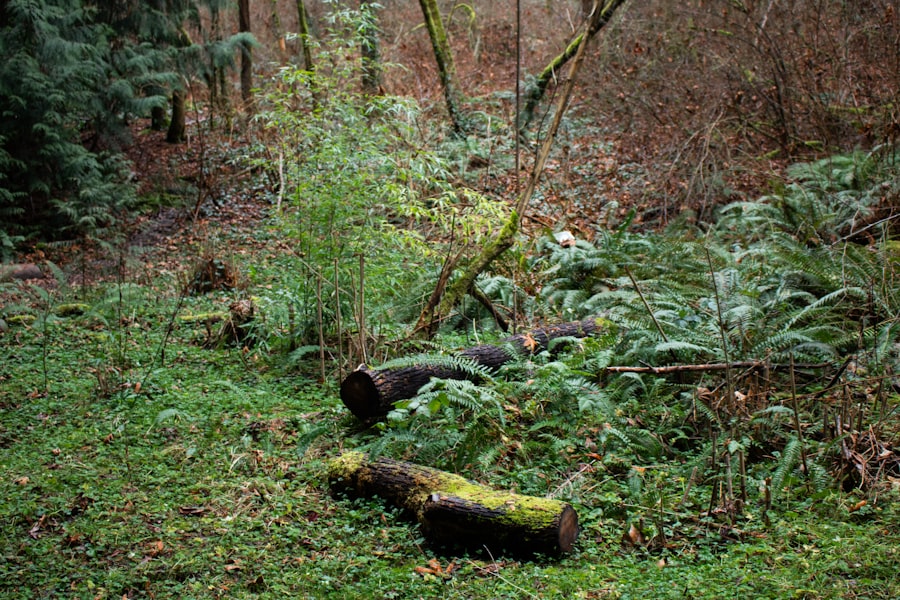
Several factors contribute to the rich biodiversity found in new forests. One significant element is the variety of tree species planted or naturally regenerated in these areas. A diverse array of trees leads to a more complex ecosystem, providing different habitats and food sources for various organisms.
As you walk through these forests, you may notice how certain trees attract specific insects or birds, creating a symbiotic relationship that enhances biodiversity. Another critical factor is the age and structure of the forest. Younger forests may initially have lower biodiversity, but as they mature, they develop layers and complexity that support a wider range of species.
The presence of deadwood, leaf litter, and understory plants also plays a vital role in fostering biodiversity. These elements create microhabitats that support fungi, insects, and other organisms essential for nutrient cycling and ecosystem health. By understanding these contributing factors, you can better appreciate the intricate dynamics that make new forests hotspots for biodiversity.
Success Stories of Biodiversity in New Forests
Across the globe, there are inspiring success stories that highlight the potential of new forests to restore biodiversity. One notable example is the reforestation efforts in Costa Rica, where large-scale tree planting initiatives have transformed degraded lands into thriving ecosystems. As you learn about these projects, you will discover how local communities have come together to restore native tree species, resulting in a resurgence of wildlife populations and improved ecosystem services.
In another instance, the restoration of the Atlantic Forest in Brazil has led to remarkable biodiversity recovery. Once heavily deforested, this region has seen concerted efforts to replant native species and create protected areas. As a result, endangered species such as the golden lion tamarin have begun to thrive once more.
These success stories serve as powerful reminders of what can be achieved when communities prioritize conservation and restoration efforts. They illustrate that new forests can indeed become bastions of biodiversity with the right commitment and resources.
Challenges and Threats to Biodiversity in New Forests
Despite their potential, new forests face numerous challenges and threats that can undermine their ability to support biodiversity. One significant issue is invasive species, which can outcompete native flora and fauna for resources. As you explore these forests, you may encounter non-native plants that disrupt local ecosystems and diminish biodiversity.
The introduction of invasive species often results from human activities, such as agriculture or landscaping, highlighting the need for careful management and monitoring. Additionally, climate change poses a significant threat to new forests and their biodiversity. Altered weather patterns can affect species distribution, growth rates, and reproductive cycles.
As temperatures rise and precipitation patterns shift, some species may struggle to adapt or migrate to suitable habitats. This can lead to declines in populations and even extinctions. Understanding these challenges is crucial for developing effective conservation strategies that ensure the long-term health and resilience of new forests.
Conservation Efforts to Protect Biodiversity in New Forests

In response to the challenges facing new forests, various conservation efforts are underway to protect and enhance biodiversity. One effective approach is the establishment of protected areas that safeguard critical habitats from development and exploitation. As you delve into these initiatives, you will find that many organizations work tirelessly to create reserves that prioritize biodiversity conservation while allowing for sustainable use by local communities.
Community engagement is another vital aspect of conservation efforts in new forests. By involving local populations in restoration projects and sustainable land management practices, you can witness firsthand how communities become stewards of their environment. Education programs that raise awareness about the importance of biodiversity can empower individuals to take action in preserving their natural surroundings.
These collaborative efforts not only enhance biodiversity but also foster a sense of ownership and responsibility toward the environment.
The Importance of Biodiversity in New Forests for Ecosystem Health
The health of ecosystems is intricately linked to biodiversity, particularly in new forests. As you explore these vibrant environments, you will come to understand that diverse ecosystems are more resilient to disturbances such as pests, diseases, and climate change. A rich variety of species contributes to ecosystem functions such as nutrient cycling, pollination, and water filtration—processes essential for maintaining ecological balance.
Moreover, biodiversity enhances ecosystem services that benefit humans directly. For instance, healthy forests provide clean air and water, regulate climate, and offer recreational opportunities. As you reflect on your experiences in new forests, consider how their biodiversity not only supports wildlife but also enriches your own life by providing essential resources and services.
Recognizing this interconnectedness underscores the importance of protecting biodiversity as a means to ensure ecosystem health for both nature and humanity.
The Future of Biodiversity in New Forests
As you contemplate the future of biodiversity in new forests, it becomes clear that proactive measures are essential for their preservation. The success stories from around the world demonstrate that with commitment and collaboration, it is possible to restore degraded landscapes and foster thriving ecosystems once more. However, ongoing challenges such as climate change and habitat loss require continuous attention and innovative solutions.
Looking ahead, it is crucial to prioritize sustainable practices that balance human needs with ecological integrity. By supporting conservation initiatives and advocating for policies that protect natural habitats, you can play a role in ensuring that new forests remain vibrant sanctuaries for biodiversity. The future of these ecosystems depends on collective action—your involvement can make a difference in safeguarding the rich tapestry of life within new forests for generations to come.
The article “How Does Planting Trees Help Deforestation?” explores the important role that tree planting plays in combating deforestation and its detrimental effects on the environment. By planting trees, we can help restore ecosystems, provide habitats for wildlife, and mitigate the impacts of climate change. This article further emphasizes the interconnectedness of reforestation efforts and biodiversity conservation, highlighting the benefits of creating new forests as wildlife havens. To learn more about the advantages of planting trees for climate change and how reforestation helps the environment, check out this article.
FAQs
What is biodiversity?
Biodiversity refers to the variety of life on Earth, including the different species of plants, animals, and microorganisms, the genetic differences within these species, and the ecosystems in which they live.
Why are new forests considered wildlife havens?
New forests are considered wildlife havens because they provide habitat for a wide variety of plant and animal species. As these forests mature, they create diverse ecosystems that support a range of wildlife, contributing to increased biodiversity.
How do new forests contribute to biodiversity?
New forests contribute to biodiversity by providing habitat for a variety of species, including insects, birds, mammals, and plants. They also help to restore and protect ecosystems, which in turn supports a healthy and diverse range of wildlife.
What are some examples of wildlife that thrive in new forests?
Some examples of wildlife that thrive in new forests include deer, squirrels, birds, insects, and various species of plants and trees. These forests also provide habitat for endangered and threatened species, helping to support their populations.
How can the creation of new forests benefit biodiversity conservation?
The creation of new forests can benefit biodiversity conservation by providing additional habitat for wildlife, helping to restore and protect ecosystems, and contributing to the overall health and diversity of the natural environment. This can help to support the conservation of a wide range of plant and animal species.