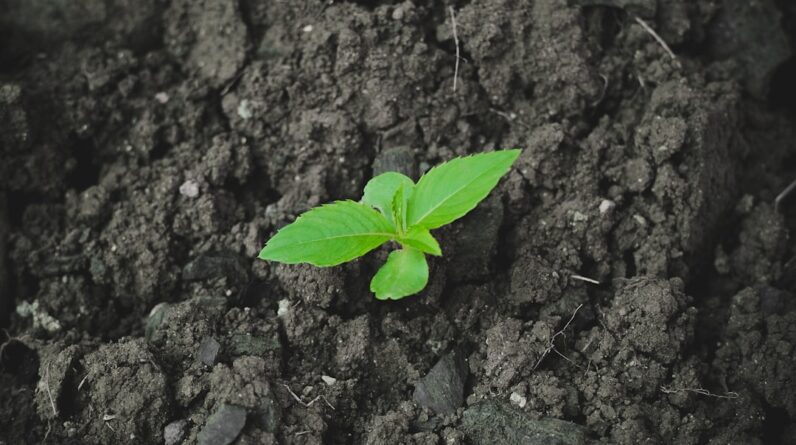
When you think about the air you breathe, it’s easy to overlook the intricate processes that contribute to its composition. Trees, those towering giants of the land, play a pivotal role in producing oxygen, a vital component for life on Earth. Through the process of photosynthesis, trees convert carbon dioxide and sunlight into glucose and oxygen, releasing the latter as a byproduct.
This natural phenomenon not only sustains the trees themselves but also supports countless other organisms, including humans. As you delve deeper into the world of trees, you’ll discover how their oxygen production is essential for maintaining ecological balance and supporting life. The significance of trees extends beyond mere oxygen production; they are integral to the health of our planet.
Forests cover approximately 31% of the Earth’s land area, acting as carbon sinks that absorb carbon dioxide from the atmosphere. This process helps mitigate climate change while simultaneously providing habitats for diverse wildlife. Understanding the oxygen production of trees is crucial for appreciating their role in sustaining life and maintaining environmental stability.
As you explore this topic further, you will uncover the interconnectedness of trees, oxygen, and the broader ecosystem.
Key Takeaways
- Trees on land are important producers of oxygen through the process of photosynthesis, which converts carbon dioxide into oxygen.
- Phytoplankton in the oceans also play a significant role in oxygen production through photosynthesis, contributing about half of the oxygen in the Earth’s atmosphere.
- While trees on land produce more oxygen overall, phytoplankton are more efficient oxygen producers, given their larger surface area and faster growth rates.
- Factors such as temperature, light, water availability, and nutrient levels can affect the oxygen production of trees on land.
- Deforestation has a significant impact on oxygen production, as it reduces the number of trees available to produce oxygen and disrupts the balance of carbon dioxide in the atmosphere.
The Role of Phytoplankton in Oxygen Production
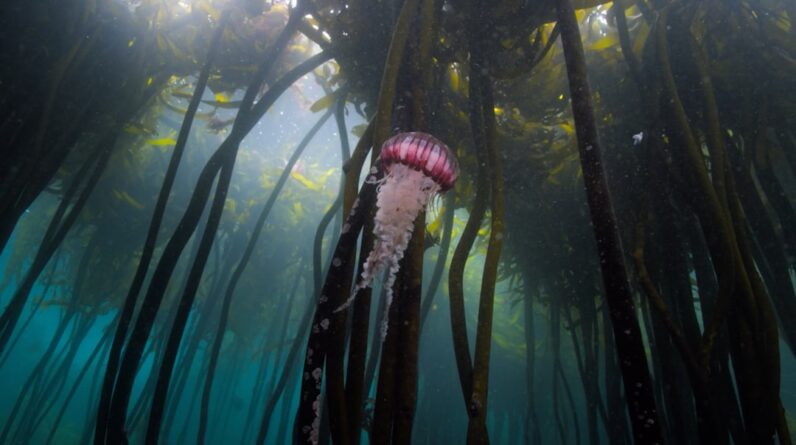
While trees are often celebrated for their oxygen-producing capabilities, it’s essential to recognize the significant contribution of phytoplankton in aquatic environments. These microscopic organisms, found in oceans, rivers, and lakes, are responsible for producing a staggering amount of the world’s oxygen—estimates suggest that they contribute up to 50% of the oxygen we breathe. Phytoplankton, like trees, utilize photosynthesis to convert sunlight and carbon dioxide into energy, releasing oxygen as a byproduct.
This process is vital not only for marine life but also for terrestrial organisms, including you. Phytoplankton thrive in nutrient-rich waters and are a fundamental part of the aquatic food web. They serve as the primary producers in marine ecosystems, supporting a diverse array of life forms from tiny zooplankton to massive whales.
As you consider the role of phytoplankton in oxygen production, it becomes clear that these tiny organisms are not just background players; they are essential contributors to the health of our planet. Their ability to produce oxygen and absorb carbon dioxide makes them crucial allies in combating climate change and maintaining ecological balance.
Comparing Oxygen Production of Trees on Land and Phytoplankton

When comparing the oxygen production of trees on land with that of phytoplankton, it’s important to recognize both their unique contributions and their interdependence within Earth’s ecosystems. Trees are long-lived organisms that can produce significant amounts of oxygen over their lifetimes. A mature tree can release enough oxygen to support two human beings for a year.
In contrast, phytoplankton reproduce rapidly and can produce vast quantities of oxygen in a short time frame, especially during periods of optimal growth conditions. This dynamic interplay between terrestrial and aquatic oxygen producers highlights the complexity of our planet’s systems. However, quantifying their contributions can be challenging due to various factors such as location, climate, and ecosystem health.
While trees may dominate oxygen production in forested areas, phytoplankton reign supreme in oceanic environments. As you reflect on these differences, consider how both trees and phytoplankton are essential for sustaining life on Earth. Their combined efforts create a delicate balance that supports diverse ecosystems and contributes to the overall health of our planet.
Factors Affecting Oxygen Production by Trees on Land
Several factors influence the oxygen production capabilities of trees on land, making it essential to understand these variables when considering forest health and sustainability. One significant factor is the species of tree itself; different species have varying rates of photosynthesis and growth patterns. For instance, fast-growing species like poplars may produce more oxygen in a shorter time frame compared to slower-growing species like oaks.
Additionally, environmental conditions such as sunlight availability, soil quality, and water supply play crucial roles in determining how effectively trees can photosynthesize. Climate change also poses a significant threat to oxygen production by trees. Rising temperatures and altered precipitation patterns can stress trees, reducing their growth rates and overall health.
Deforestation further exacerbates this issue by removing large numbers of trees from ecosystems, leading to decreased oxygen production and increased carbon dioxide levels in the atmosphere. As you consider these factors, it becomes clear that maintaining healthy forests is vital for ensuring optimal oxygen production and supporting life on Earth.
The Impact of Deforestation on Oxygen Production
Deforestation has far-reaching consequences for oxygen production and overall ecosystem health. When forests are cleared for agriculture, urban development, or logging, not only is the immediate source of oxygen removed, but the long-term effects can be devastating. The loss of trees means a reduction in photosynthesis, leading to decreased oxygen levels in the atmosphere.
Moreover, deforestation contributes to increased carbon dioxide emissions as stored carbon is released back into the atmosphere when trees are cut down or burned. The impact of deforestation extends beyond just oxygen production; it disrupts entire ecosystems and threatens biodiversity. Many species rely on forests for habitat and food sources, and their loss can lead to population declines or even extinction.
As you contemplate the implications of deforestation, consider how your choices—such as supporting sustainable forestry practices or reducing paper consumption—can contribute to preserving forests and maintaining their vital role in oxygen production.
The Importance of Conserving Both Trees on Land and Phytoplankton
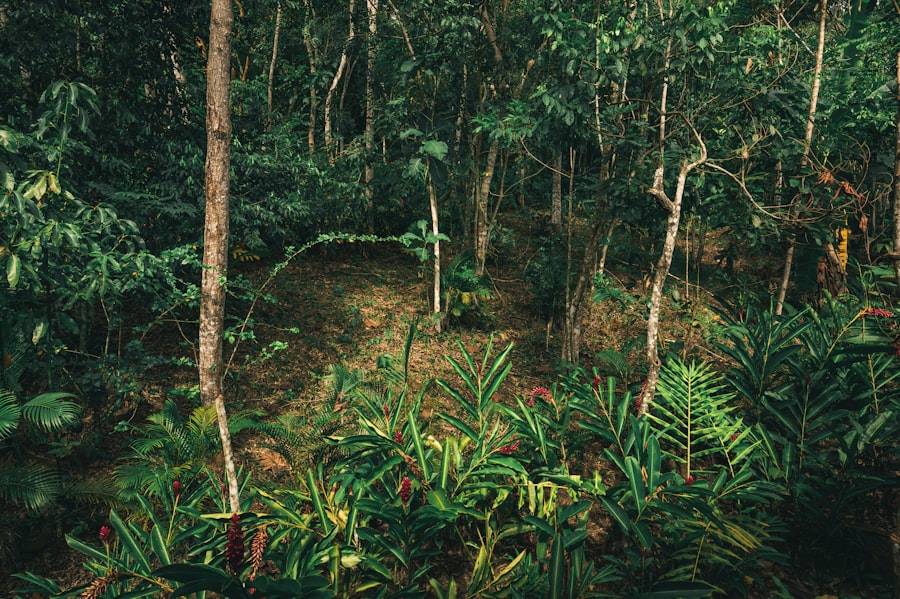
Conserving both trees on land and phytoplankton is crucial for maintaining the delicate balance of our planet’s ecosystems. Each plays an irreplaceable role in producing oxygen and supporting life; therefore, protecting these resources should be a priority for everyone. Sustainable forestry practices can help ensure that tree populations remain healthy while allowing for responsible resource use.
Similarly, protecting marine environments from pollution and overfishing is essential for preserving phytoplankton populations. You can contribute to these conservation efforts by advocating for policies that protect forests and oceans or by participating in local conservation initiatives. Simple actions like reducing plastic use can help minimize ocean pollution, benefiting phytoplankton health.
Additionally, supporting reforestation projects can aid in restoring tree populations and enhancing their oxygen production capabilities. By recognizing the importance of both trees and phytoplankton in our ecosystems, you can play a part in fostering a healthier planet.
The Role of Trees on Land in Carbon Sequestration
In addition to their role in oxygen production, trees on land are vital players in carbon sequestration—the process by which carbon dioxide is absorbed from the atmosphere and stored in biomass. Through photosynthesis, trees capture carbon dioxide and convert it into organic matter, which becomes part of their structure as they grow. This process not only helps mitigate climate change by reducing greenhouse gas concentrations but also enhances soil quality and promotes biodiversity.
As you consider the importance of carbon sequestration, it’s essential to recognize that healthy forests can store significant amounts of carbon over time. Mature forests can sequester more carbon than younger ones due to their larger biomass. However, deforestation and forest degradation release stored carbon back into the atmosphere, exacerbating climate change.
By understanding the dual role of trees in both oxygen production and carbon sequestration, you can appreciate their importance in combating global warming and promoting ecological health.
Understanding the Complexities of Oxygen Production in Earth’s Ecosystems
In conclusion, understanding the complexities of oxygen production in Earth’s ecosystems requires recognizing the vital roles played by both trees on land and phytoplankton in aquatic environments. Each contributes significantly to maintaining atmospheric balance and supporting life across various ecosystems. As you reflect on this interconnectedness, consider how human activities impact these natural processes—whether through deforestation or pollution—and what steps you can take to mitigate these effects.
By advocating for conservation efforts and making sustainable choices in your daily life, you can help protect these essential resources for future generations. The health of our planet depends on your awareness and actions regarding both terrestrial and aquatic ecosystems. Embracing this knowledge empowers you to contribute positively to environmental sustainability while fostering a deeper appreciation for the intricate web of life that sustains us all.
In a related article on how trees can save the Earth from global warming, the importance of forests in combating climate change is highlighted. It discusses how trees absorb carbon dioxide and release oxygen, playing a crucial role in regulating the Earth’s atmosphere. This article further emphasizes the need to protect and preserve forests to mitigate the effects of global warming and maintain a healthy environment for all living beings.
FAQs
What is the common belief about trees and oxygen production?
The common belief is that trees on land are the primary source of oxygen production and are responsible for the majority of the oxygen in the Earth’s atmosphere.
Is it true that trees on land produce most of our oxygen?
No, it is not true. While trees and other plants do produce oxygen through photosynthesis, the majority of the Earth’s oxygen actually comes from phytoplankton in the oceans.
Where does most of the Earth’s oxygen come from?
Most of the Earth’s oxygen comes from phytoplankton in the oceans. These microscopic marine plants produce a significant amount of the oxygen in the atmosphere through photosynthesis.
Do trees and plants still play a significant role in oxygen production?
Yes, trees and plants still play a significant role in oxygen production, but they are not the primary source. They are important for local air quality and provide oxygen as a byproduct of photosynthesis.
Why is it important to understand the true sources of oxygen production?
Understanding the true sources of oxygen production is important for accurately addressing environmental issues and implementing effective conservation and sustainability efforts. It also helps to dispel common misconceptions about the role of trees and plants in oxygen production.