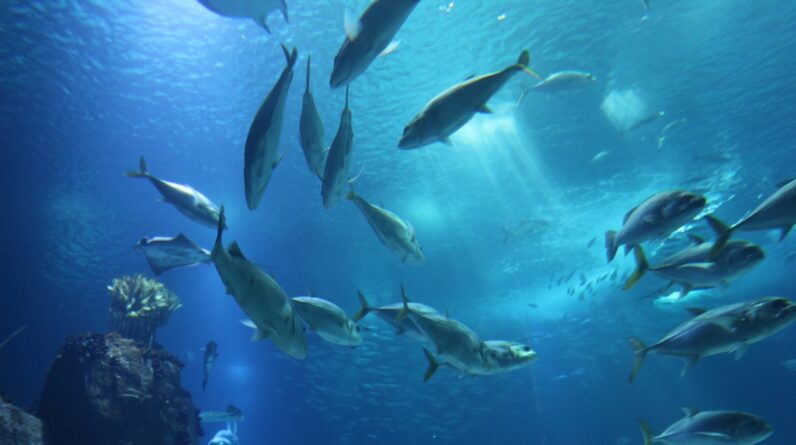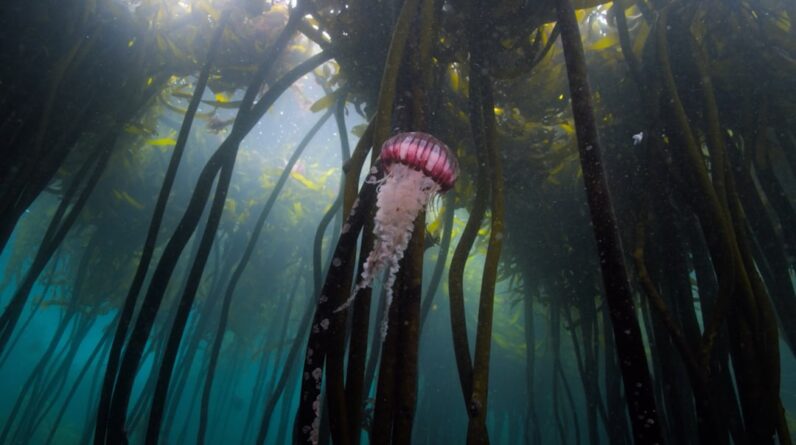
As you delve into the intricate web of life within kelp forest ecosystems, you will quickly discover the pivotal role that sea otters play. These charismatic marine mammals are not just adorable creatures; they are keystone species that significantly influence the health and structure of their environment. By preying on sea urchins, which are notorious for overgrazing kelp, sea otters help maintain a balance that allows kelp forests to thrive.
Without their presence, unchecked sea urchin populations can devastate kelp beds, leading to a cascade of negative effects on the entire ecosystem. In addition to controlling sea urchin populations, sea otters contribute to the overall biodiversity of kelp forests. Their foraging activities create a more diverse habitat by allowing various species of marine life to flourish.
As you observe these playful animals diving and hunting, you will notice how their interactions with the environment foster a rich tapestry of life. From fish to invertebrates, the presence of sea otters supports a complex food web that is essential for the health of the entire ecosystem.
Key Takeaways
- Sea otters play a crucial role in maintaining the health and balance of kelp forest ecosystems.
- The presence of sea otters has a positive impact on kelp forest health by controlling sea urchin populations.
- Kelp forests are vital for oxygen production and rely on sea otters to prevent overgrazing by sea urchins.
- Sea otters help maintain biodiversity in kelp forests by promoting the growth of kelp and other marine species.
- Threats to sea otters, such as pollution and habitat loss, could have detrimental consequences for the health and stability of kelp forests.
The Impact of Sea Otters on Kelp Forest Health
When you consider the health of kelp forests, it becomes clear that sea otters are indispensable. Their role as predators helps regulate the populations of herbivores like sea urchins, which can otherwise wreak havoc on kelp beds. By keeping these herbivore numbers in check, sea otters allow kelp to grow robustly, creating a lush underwater forest that serves as habitat for countless marine species.
This dynamic relationship illustrates how the presence of one species can have far-reaching effects on an entire ecosystem. Moreover, healthy kelp forests provide numerous benefits beyond just supporting marine life. They act as natural barriers against coastal erosion, absorb carbon dioxide, and even contribute to local economies through tourism and fisheries.
As you explore these underwater jungles, you will appreciate how sea otters are not merely a charming sight but are integral to maintaining the ecological balance that sustains these vital habitats. Their impact on kelp forest health is a testament to the interconnectedness of life in our oceans.
The Connection Between Kelp Forests and Oxygen Production
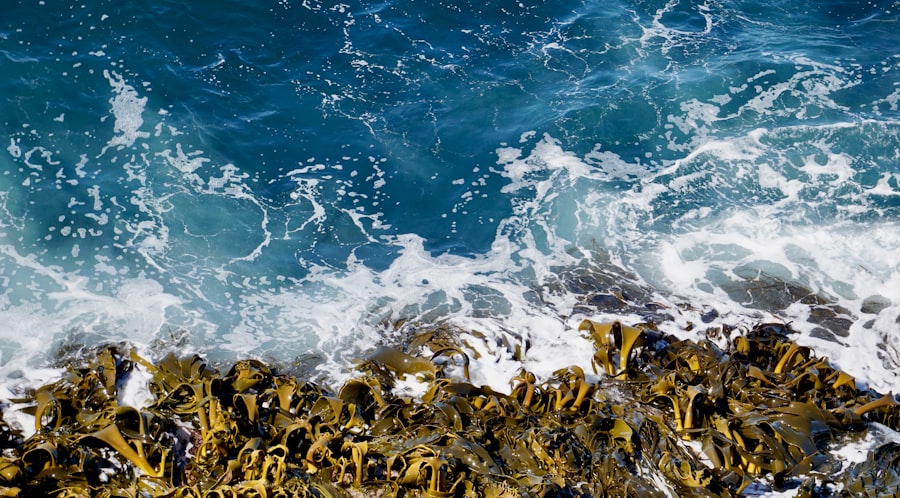
As you dive deeper into the significance of kelp forests, you will uncover their crucial role in oxygen production. Kelp is a type of macroalgae that undergoes photosynthesis, absorbing carbon dioxide and releasing oxygen into the water. This process is essential not only for marine life but also for the planet as a whole.
Kelp forests are estimated to produce a significant portion of the oxygen found in our oceans, making them vital for sustaining life both underwater and on land. The relationship between sea otters and kelp forests further emphasizes this connection. By maintaining healthy kelp populations through their predation on sea urchins, sea otters indirectly support the oxygen production capabilities of these ecosystems.
When you consider the broader implications of this relationship, it becomes evident that protecting sea otters is not just about preserving a single species; it is about safeguarding a critical component of our planet’s respiratory system. The health of our oceans and atmosphere is intricately linked to the well-being of both sea otters and kelp forests.
How Sea Otters Help Maintain Biodiversity in Kelp Forests
Biodiversity is a cornerstone of ecological resilience, and sea otters play a vital role in maintaining this diversity within kelp forests. As you observe these agile hunters navigating through the underwater foliage, you will notice how their presence creates a more complex habitat for various marine organisms. By controlling herbivore populations like sea urchins, sea otters allow for a greater variety of plant life to flourish, which in turn supports a wider array of fish and invertebrate species.
The interplay between sea otters and their environment fosters a dynamic ecosystem where different species can coexist and thrive. For instance, healthier kelp forests provide shelter and breeding grounds for fish, crabs, and other marine life. As you explore these vibrant underwater landscapes, you will see how the presence of sea otters contributes to a balanced ecosystem where each species plays its part.
This intricate web of life underscores the importance of preserving not only sea otters but also the habitats they help sustain.
The Threats to Sea Otters and the Potential Consequences for Kelp Forests
Despite their crucial role in maintaining healthy ecosystems, sea otters face numerous threats that jeopardize their populations and, consequently, the health of kelp forests. As you learn about these challenges, you will find that habitat loss, pollution, and climate change are among the most pressing issues affecting sea otter survival. Oil spills can have devastating effects on their fur, which is essential for insulation and buoyancy.
Additionally, entanglement in fishing gear poses a significant risk to these animals. The decline of sea otter populations can lead to dire consequences for kelp forests. Without these predators to control herbivore populations, unchecked sea urchin numbers can explode, resulting in “urchin barrens” where kelp cannot grow.
This shift not only impacts marine biodiversity but also disrupts the entire ecosystem’s balance. As you reflect on these potential outcomes, it becomes clear that protecting sea otters is essential for preserving the integrity of kelp forests and ensuring the continued health of marine environments.
The Importance of Protecting Sea Otter Populations for Kelp Forest Conservation
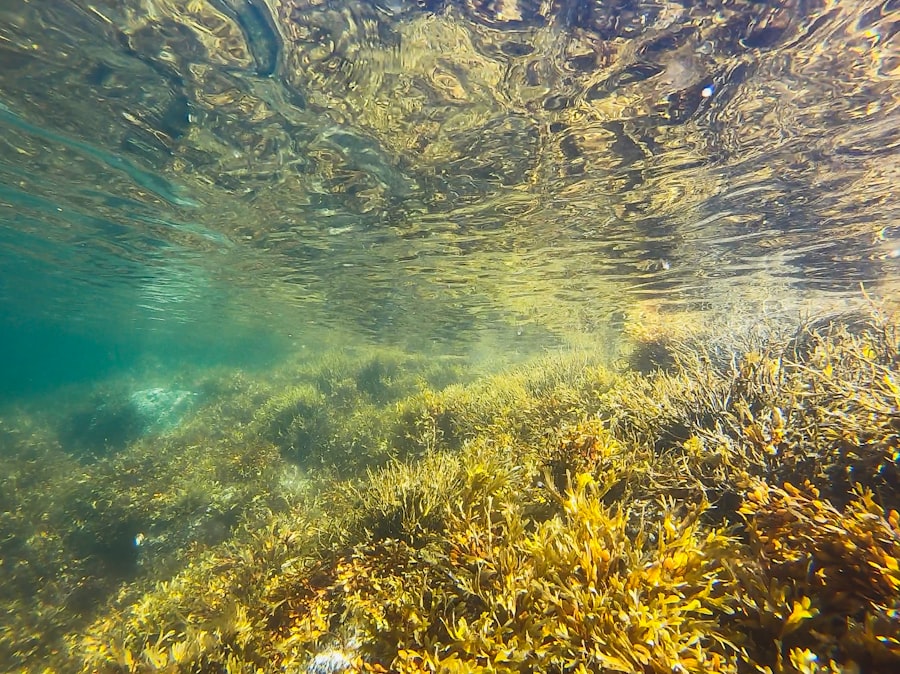
Given the critical role that sea otters play in maintaining healthy kelp forests, it is imperative to prioritize their protection. As you consider conservation efforts, you will recognize that safeguarding sea otter populations is not just about preserving a single species; it is about ensuring the resilience and sustainability of entire ecosystems. Effective conservation strategies can help mitigate threats such as habitat destruction and pollution while promoting awareness about the importance of these animals.
Engaging local communities in conservation efforts can also foster a sense of stewardship for both sea otters and their habitats. By educating people about the interconnectedness of marine life and the role that each species plays in maintaining ecological balance, you can inspire action toward protecting these vital ecosystems. As you advocate for sea otter conservation, remember that your efforts contribute to a larger movement aimed at preserving biodiversity and promoting healthy oceans.
The Collaborative Efforts to Restore Sea Otter Populations and Kelp Forests
Restoration efforts aimed at reviving both sea otter populations and kelp forests are gaining momentum across various regions. As you explore these initiatives, you will find that collaboration among scientists, conservationists, policymakers, and local communities is key to success. These partnerships work together to implement strategies such as habitat restoration, pollution reduction, and public education campaigns that raise awareness about the importance of both sea otters and kelp forests.
One notable example is the establishment of marine protected areas (MPAs) where human activities are limited to reduce stress on both sea otters and their habitats. These MPAs serve as safe havens where populations can recover and thrive without interference from fishing or coastal development. As you witness these collaborative efforts unfold, you will gain hope for the future of both sea otters and kelp forests as communities come together to protect these invaluable resources.
The Future of Kelp Forests and the Role of Sea Otters in Climate Change Mitigation
Looking ahead, the future of kelp forests—and by extension, our planet—depends significantly on the health of sea otter populations. As climate change continues to impact marine ecosystems through rising temperatures and ocean acidification, resilient habitats like kelp forests become increasingly important for carbon sequestration and climate mitigation. By supporting healthy kelp growth through their predation on herbivores, sea otters play an indirect yet vital role in combating climate change.
As you contemplate the future challenges facing our oceans, it becomes evident that protecting sea otters is not just an environmental issue; it is a matter of global significance. By ensuring that these keystone species thrive, we can help maintain healthy ecosystems capable of withstanding climate change’s impacts while continuing to provide essential services like oxygen production and carbon storage. Your commitment to advocating for sea otter conservation can contribute to a brighter future for both marine life and humanity as we navigate an uncertain environmental landscape together.
The Unlikely Heroes: How Sea Otters Help Kelp Forests (and Oxygen) Thrive highlights the important role that sea otters play in maintaining the health of kelp forests and ultimately contributing to the production of oxygen. This article sheds light on the interconnectedness of different species and ecosystems in our environment. For more information on combatting global warming through massive tree planting, check out this related article that discusses the benefits of reforestation efforts in mitigating climate change.
FAQs
What is the role of sea otters in kelp forests?
Sea otters play a crucial role in maintaining the health of kelp forests by controlling sea urchin populations. Sea otters prey on sea urchins, which are herbivores that graze on kelp. By keeping sea urchin numbers in check, sea otters help prevent overgrazing of kelp, allowing the kelp forests to thrive.
How do kelp forests benefit from the presence of sea otters?
The presence of sea otters helps to maintain the balance of the kelp forest ecosystem. By controlling sea urchin populations, sea otters prevent overgrazing of kelp, which allows the kelp to grow and provide habitat for a diverse range of marine species. This, in turn, contributes to the overall health and biodiversity of the kelp forest ecosystem.
How do kelp forests contribute to oxygen production?
Kelp forests are important contributors to oxygen production through the process of photosynthesis. Kelp, like other plants, takes in carbon dioxide and releases oxygen during photosynthesis. This process helps to oxygenate the surrounding water and contributes to the overall oxygen levels in the atmosphere.
What are the potential consequences of a decline in sea otter populations for kelp forests?
A decline in sea otter populations can lead to an increase in sea urchin numbers, as there are fewer predators to control their population. This can result in overgrazing of kelp by sea urchins, leading to the degradation of kelp forests. A decline in kelp forests can have cascading effects on the entire ecosystem, impacting the biodiversity and overall health of the marine environment.
How can the conservation of sea otters benefit kelp forests and oxygen production?
Conservation efforts aimed at protecting sea otter populations can help maintain the balance of kelp forest ecosystems. By ensuring the presence of sea otters, the population of sea urchins can be kept in check, allowing kelp forests to thrive. This, in turn, supports the production of oxygen through photosynthesis and contributes to the overall health of marine ecosystems.