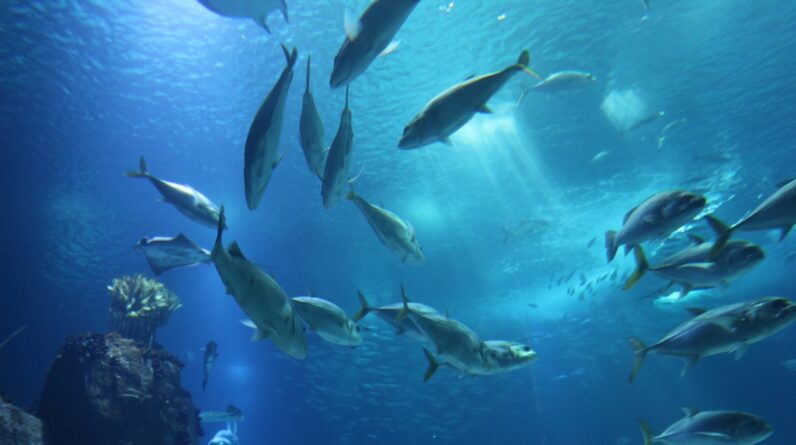
The North Atlantic Bloom is a remarkable phenomenon that captivates scientists and environmentalists alike. This seasonal event, characterized by a rapid increase in phytoplankton growth, occurs in the nutrient-rich waters of the North Atlantic Ocean. As spring approaches, sunlight becomes more abundant, and the ocean’s surface warms, creating ideal conditions for these microscopic plants to flourish.
You may find it fascinating that this bloom can cover vast areas of the ocean, transforming the water’s color and supporting a diverse array of marine life. Understanding this phenomenon is crucial, as it plays a significant role in the broader marine ecosystem and has implications for global climate patterns. As you delve deeper into the North Atlantic Bloom, you will discover that it is not merely a seasonal spectacle but a vital component of the ocean’s health.
The bloom serves as a foundation for the marine food web, supporting everything from tiny zooplankton to large fish and marine mammals. The intricate relationships between these organisms highlight the interconnectedness of life in the ocean. By exploring the North Atlantic Bloom, you gain insight into the delicate balance of marine ecosystems and the factors that influence their stability.
Key Takeaways
- The North Atlantic Bloom is a seasonal phenomenon characterized by a rapid increase in phytoplankton growth in the North Atlantic Ocean.
- The North Atlantic Bloom is important because it serves as the foundation of the marine food web, supporting a wide range of marine life including fish, whales, and seabirds.
- Factors contributing to the North Atlantic Bloom include the availability of nutrients, sunlight, and the mixing of water layers.
- The North Atlantic Bloom has a significant impact on marine life, providing essential food and habitat for a diverse range of species.
- The North Atlantic Bloom plays a crucial role in the carbon cycle by absorbing carbon dioxide from the atmosphere and transferring it to the deep ocean, helping to regulate the Earth’s climate.
The Importance of the North Atlantic Bloom
The North Atlantic Bloom is essential for several reasons, primarily due to its role in supporting marine biodiversity. As phytoplankton proliferate during this bloom, they provide a critical food source for various marine organisms. You might be surprised to learn that these tiny plants are responsible for producing about half of the Earth’s oxygen through photosynthesis.
This process not only sustains marine life but also contributes significantly to the atmosphere’s oxygen levels, making the North Atlantic Bloom vital for life on Earth. Moreover, the North Atlantic Bloom plays a crucial role in regulating the ocean’s carbon cycle. As phytoplankton absorb carbon dioxide during photosynthesis, they help mitigate climate change by sequestering carbon in the deep ocean when they die and sink.
This natural process is essential for maintaining a balanced carbon cycle and reducing greenhouse gas concentrations in the atmosphere. By understanding the importance of the North Atlantic Bloom, you can appreciate its far-reaching effects on both marine ecosystems and global climate stability.
Factors Contributing to the North Atlantic Bloom

Several factors contribute to the occurrence and intensity of the North Atlantic Bloom. One of the most significant is the availability of nutrients, particularly nitrogen and phosphorus, which are essential for phytoplankton growth. During winter, storms and ocean currents bring these nutrients from deeper waters to the surface, where they become accessible to phytoplankton as sunlight increases in spring.
You may find it interesting that this nutrient upwelling is often influenced by various oceanographic conditions, such as temperature and salinity gradients. In addition to nutrient availability, light plays a crucial role in initiating the bloom. As days lengthen and sunlight becomes more intense during spring, phytoplankton can photosynthesize more efficiently.
This increase in light availability triggers a rapid growth phase known as “spring bloom.” However, you should also consider that climate change is altering these natural cycles. Rising sea temperatures and changing precipitation patterns can disrupt nutrient dynamics and light availability, potentially impacting the timing and intensity of future blooms.
Impact of the North Atlantic Bloom on Marine Life
The impact of the North Atlantic Bloom on marine life is profound and multifaceted. As phytoplankton populations surge, they create a rich feeding ground for zooplankton, small fish, and other marine organisms. You may be intrigued to learn that this bloom supports various species, including commercially important fish like herring and mackerel.
These fish rely on abundant food sources during their spawning seasons, making the timing of the bloom critical for their reproductive success. Furthermore, larger predators such as seabirds and marine mammals also benefit from the North Atlantic Bloom. As smaller fish thrive in nutrient-rich waters, they attract larger predators seeking food.
This cascading effect highlights how interconnected marine ecosystems are; changes in one component can ripple through the entire food web. By understanding these relationships, you can appreciate how vital the North Atlantic Bloom is for maintaining healthy marine populations and ecosystems.
The Role of the North Atlantic Bloom in the Carbon Cycle
The North Atlantic Bloom plays a pivotal role in the global carbon cycle, acting as a natural mechanism for carbon sequestration. During photosynthesis, phytoplankton absorb carbon dioxide from the atmosphere, converting it into organic matter. When these organisms die or are consumed by other marine life, their carbon-rich bodies sink to deeper ocean layers, effectively trapping carbon away from the atmosphere for extended periods.
You might find it fascinating that this process helps regulate atmospheric carbon levels and mitigates climate change. However, changes in ocean conditions due to climate change could alter this delicate balance. Warmer waters may lead to shifts in phytoplankton species composition or reduce nutrient availability, potentially impacting their ability to sequester carbon effectively.
As you consider these implications, it becomes clear that understanding the dynamics of the North Atlantic Bloom is essential for predicting future changes in global carbon cycles and climate patterns.
Monitoring and Research of the North Atlantic Bloom
Monitoring and researching the North Atlantic Bloom is crucial for understanding its dynamics and implications for marine ecosystems and climate change. Scientists employ various methods to study this phenomenon, including satellite imagery, ocean buoys, and research vessels equipped with advanced sensors. These tools allow researchers to track changes in phytoplankton populations, nutrient levels, and environmental conditions over time.
You may find it interesting that satellite technology has revolutionized our ability to observe large-scale blooms from space, providing valuable data on their extent and intensity. In addition to remote sensing technologies, field studies play a vital role in understanding the biological processes underlying the bloom. Researchers collect water samples to analyze phytoplankton species composition and abundance while also measuring environmental parameters such as temperature and salinity.
By combining satellite data with field observations, scientists can develop more comprehensive models to predict future blooms and assess their potential impacts on marine ecosystems. Your awareness of these research efforts can deepen your appreciation for the complexity of oceanic processes and their significance in addressing global challenges.
Human Impact on the North Atlantic Bloom
Human activities have increasingly influenced the dynamics of the North Atlantic Bloom, raising concerns about its future stability. One significant factor is nutrient pollution from agricultural runoff and wastewater discharge. Excessive nitrogen and phosphorus entering coastal waters can lead to harmful algal blooms (HABs), which can outcompete native phytoplankton species during spring blooms.
You may be surprised to learn that these HABs can produce toxins harmful to marine life and humans alike, disrupting local fisheries and ecosystems. Additionally, climate change poses a significant threat to the North Atlantic Bloom’s health. Rising sea temperatures can alter phytoplankton community structures and affect their growth rates.
Changes in ocean circulation patterns may also impact nutrient distribution, further complicating bloom dynamics. As you consider these human-induced pressures, it becomes evident that proactive measures are necessary to protect this vital ecological phenomenon from degradation.
Future Implications of the North Atlantic Bloom
Looking ahead, understanding the future implications of the North Atlantic Bloom is essential for both marine conservation efforts and climate change mitigation strategies. As environmental conditions continue to evolve due to human activities, predicting how these changes will affect bloom dynamics becomes increasingly important. You might find it concerning that shifts in bloom timing or intensity could disrupt food webs and impact commercially important fish populations.
Moreover, as scientists continue to study these trends, they emphasize the need for sustainable practices that minimize nutrient pollution and mitigate climate change effects. By fostering awareness about the significance of the North Atlantic Bloom and its role in marine ecosystems, you can contribute to efforts aimed at preserving this vital phenomenon for future generations. Ultimately, your understanding of these complex interactions will empower you to advocate for policies that protect our oceans and promote a healthier planet.
Seasonal Focus: Why the North Atlantic Bloom is a Global Oxygen Event highlights the importance of phytoplankton in producing oxygen and supporting marine life. A related article that further emphasizes the significance of trees in environmental conservation is How Does Planting Trees Help the Environment?. This article discusses the various benefits of tree planting, such as reducing carbon dioxide levels, providing habitats for wildlife, and improving air quality. Just as phytoplankton play a crucial role in oxygen production in the oceans, trees play a vital role in maintaining a healthy environment on land.
FAQs
What is the North Atlantic Bloom?
The North Atlantic Bloom is a seasonal event in which phytoplankton populations rapidly increase in the North Atlantic Ocean during the spring and summer months.
Why is the North Atlantic Bloom important?
The North Atlantic Bloom is important because it plays a significant role in the global carbon cycle and is a major source of oxygen production in the ocean.
How does the North Atlantic Bloom impact oxygen levels?
During the North Atlantic Bloom, phytoplankton photosynthesize and produce oxygen as a byproduct, leading to an increase in oxygen levels in the ocean.
What factors contribute to the North Atlantic Bloom?
The North Atlantic Bloom is primarily driven by the availability of nutrients, particularly nitrogen and phosphorus, as well as sunlight and water temperature.
How does the North Atlantic Bloom affect marine ecosystems?
The increase in phytoplankton during the North Atlantic Bloom provides a food source for marine organisms, which can lead to an increase in fish populations and other marine life.
What are the potential implications of changes in the North Atlantic Bloom?
Changes in the timing or intensity of the North Atlantic Bloom could have implications for marine food webs, carbon cycling, and oxygen production, with potential impacts on global climate and ocean health.