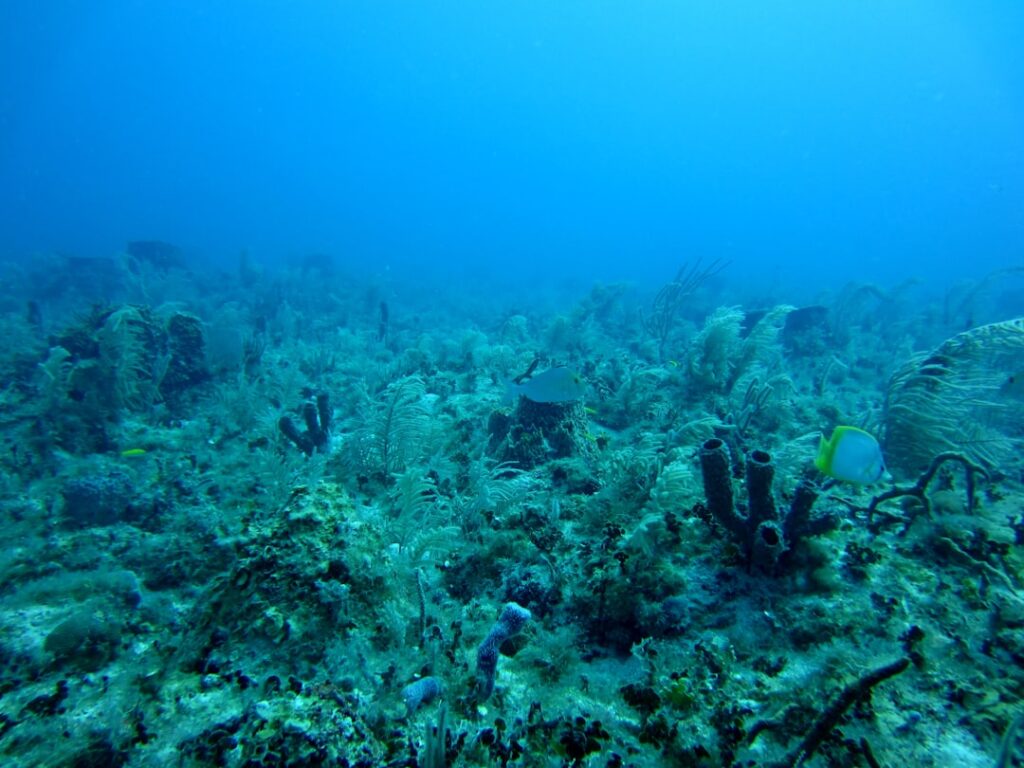
When you think about the air you breathe, it’s easy to overlook the vast oceans that play a crucial role in producing the oxygen essential for life on Earth. Approximately 50% to 80% of the oxygen in our atmosphere is generated by oceanic processes, primarily through the activity of microscopic organisms. This staggering statistic underscores the oceans’ significance not just as a habitat for marine life but also as a vital component of the global ecosystem.
The health of our oceans directly correlates with the health of our atmosphere, making oceanic oxygen production a critical area of focus for environmental sustainability. Understanding the importance of oceanic oxygen production goes beyond mere statistics; it involves recognizing the interconnectedness of life on Earth. The oxygen produced by the oceans supports not only marine organisms but also terrestrial life forms, including humans.
As you breathe in the air around you, remember that a significant portion of that oxygen has traveled from the depths of the sea to your lungs. This relationship highlights the need for responsible stewardship of oceanic resources, as any disruption in this delicate balance could have far-reaching consequences for all living beings.
Key Takeaways
- Oceanic oxygen production is crucial for supporting marine life and maintaining a healthy ecosystem.
- Phytoplankton play a key role in oxygen production through photosynthesis, contributing to the oxygen levels in the ocean.
- Factors such as temperature, nutrient availability, and ocean circulation can affect the levels of oxygen in the ocean.
- Human activities such as pollution, climate change, and overfishing can negatively impact oceanic oxygen production.
- Potential solutions for increasing oceanic oxygen levels include reducing carbon emissions, protecting marine habitats, and promoting sustainable fishing practices.
The Role of Phytoplankton in Oxygen Production
Phytoplankton, the tiny, photosynthetic organisms that float near the surface of the ocean, are often referred to as the “lungs of the Earth.” These microscopic powerhouses are responsible for a substantial portion of the oxygen produced in our atmosphere. Through photosynthesis, phytoplankton convert sunlight and carbon dioxide into energy, releasing oxygen as a byproduct. This process not only sustains their own existence but also supports a myriad of marine life, forming the foundation of the oceanic food web.
As you delve deeper into the world of phytoplankton, you’ll discover that they come in various forms, including diatoms and cyanobacteria, each playing a unique role in their ecosystems. Their abundance and diversity are crucial for maintaining healthy oceanic environments. However, their productivity is influenced by several factors, including nutrient availability and water temperature.
Understanding these dynamics is essential for appreciating how phytoplankton contribute to global oxygen levels and how changes in their populations can impact broader ecological systems.
Factors Affecting Oceanic Oxygen Levels

Several factors influence oceanic oxygen levels, and understanding these can help you grasp the complexities of marine ecosystems. One significant factor is temperature; warmer waters hold less dissolved oxygen than cooler ones. As global temperatures rise due to climate change, this phenomenon poses a serious threat to marine life that relies on adequate oxygen levels for survival.
Additionally, nutrient runoff from agricultural practices can lead to algal blooms, which consume large amounts of oxygen when they decompose, creating “dead zones” where marine life struggles to survive. Another critical factor is ocean circulation. The movement of water plays a vital role in distributing oxygen throughout the ocean.
Areas with strong currents tend to have higher oxygen levels due to mixing, while stagnant waters can become depleted. As you consider these factors, it becomes clear that maintaining healthy oceanic conditions is essential for sustaining oxygen production and supporting diverse marine ecosystems.
Human Impact on Oceanic Oxygen Production
Human activities have significantly impacted oceanic oxygen production, often in detrimental ways. Overfishing, pollution, and climate change are just a few examples of how our actions can disrupt the delicate balance of marine ecosystems. For instance, excessive nutrient runoff from agricultural lands leads to eutrophication, resulting in harmful algal blooms that deplete oxygen levels and create dead zones.
These areas become inhospitable for fish and other marine organisms, leading to declines in biodiversity and altering food webs. Moreover, climate change exacerbates these issues by increasing water temperatures and altering ocean circulation patterns. As you reflect on these impacts, it’s essential to recognize that your choices—ranging from dietary habits to energy consumption—can contribute to or mitigate these effects.
By understanding your role in this complex system, you can make informed decisions that promote healthier oceans and, consequently, healthier air.
Potential Solutions for Increasing Oceanic Oxygen Levels
Addressing the challenges facing oceanic oxygen production requires innovative solutions and collective action. One promising approach is the restoration of coastal ecosystems such as mangroves, seagrasses, and salt marshes. These habitats not only sequester carbon but also enhance water quality and support diverse marine life.
By investing in restoration projects, you can contribute to increasing oxygen levels while simultaneously protecting vital coastal ecosystems. Another potential solution lies in sustainable fishing practices and responsible agricultural methods that minimize nutrient runoff into waterways. Implementing buffer zones along coastlines and promoting organic farming can significantly reduce pollution entering the oceans.
Additionally, supporting policies aimed at reducing greenhouse gas emissions can help mitigate climate change’s impact on ocean temperatures and circulation patterns. By advocating for these changes and making conscious choices in your daily life, you can play a part in fostering healthier oceans and enhancing their capacity for oxygen production.
The Relationship Between Oceanic Oxygen and Climate Change

The relationship between oceanic oxygen levels and climate change is intricate and multifaceted. As global temperatures rise due to human-induced greenhouse gas emissions, oceans absorb much of this excess heat. Warmer waters lead to decreased solubility of oxygen, meaning that less oxygen is available for marine organisms.
This phenomenon poses a significant threat to biodiversity and can lead to shifts in species distributions as organisms seek cooler waters. Moreover, climate change affects ocean circulation patterns, which are crucial for distributing oxygen throughout marine environments. Changes in currents can lead to localized areas with low oxygen levels, further stressing marine life.
As you consider these connections, it becomes evident that addressing climate change is not just an environmental issue; it is also a matter of preserving the delicate balance of life within our oceans.
The Impact of Oceanic Oxygen Levels on Marine Ecosystems
Oceanic oxygen levels play a pivotal role in shaping marine ecosystems and influencing species interactions. When oxygen levels drop due to factors like eutrophication or climate change, many marine organisms struggle to survive. Fish species may migrate to find more suitable habitats, while bottom-dwelling creatures may face dire consequences as their environments become inhospitable.
This disruption can lead to cascading effects throughout the food web, ultimately impacting human communities that rely on healthy fish populations for sustenance and economic stability. Furthermore, low oxygen levels can alter predator-prey dynamics within marine ecosystems. Species that are more tolerant of low-oxygen conditions may thrive at the expense of others, leading to shifts in community composition and biodiversity loss.
As you reflect on these impacts, it becomes clear that maintaining adequate oceanic oxygen levels is essential not only for marine life but also for human well-being and food security.
The Future of Oceanic Oxygen Production
Looking ahead, the future of oceanic oxygen production hinges on our collective ability to address the challenges facing our oceans. Climate change mitigation efforts will be crucial in ensuring that ocean temperatures remain stable and conducive to healthy oxygen levels. Additionally, investing in research and technology aimed at understanding and monitoring ocean health will be vital for developing effective conservation strategies.
As an individual, your actions can contribute to this future by advocating for policies that protect marine environments and supporting sustainable practices within your community. By raising awareness about the importance of oceanic oxygen production and its implications for global health, you can inspire others to join in this critical effort. The future of our oceans—and the air we breathe—depends on our commitment to preserving these vital ecosystems for generations to come.
There is a related article discussing how trees can save the Earth from global warming on Live Life with a Cause. The article explores the benefits of reforestation and how planting trees can help combat climate change. To learn more about the role of trees in fighting global warming, you can read the article