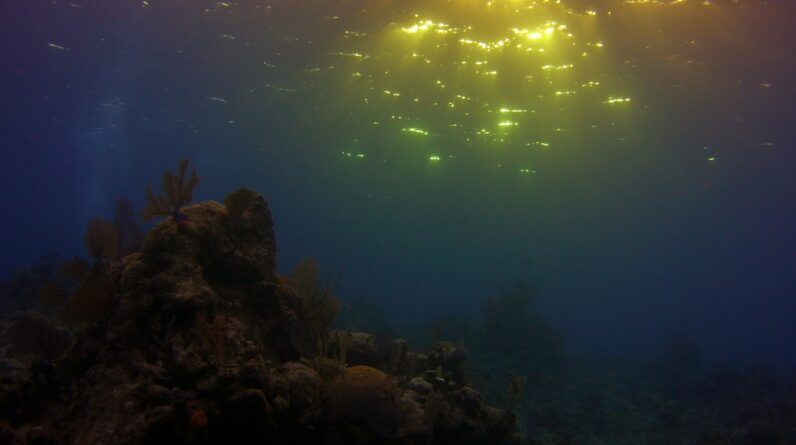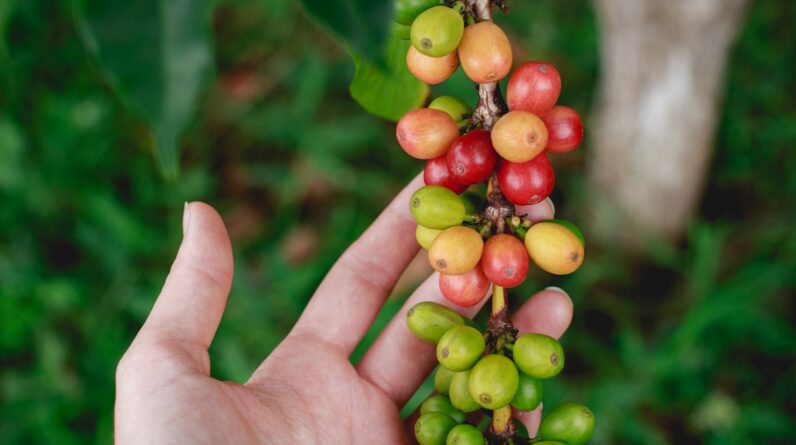
As you sip your morning cup of coffee, it’s easy to overlook the broader implications of coffee production on the environment, particularly the oceans. The journey from bean to brew involves a complex web of agricultural practices that can significantly affect marine ecosystems. Coffee is often grown in regions that are not only rich in biodiversity but also close to coastlines.
This proximity means that runoff from coffee farms can lead to nutrient pollution in nearby waters, contributing to harmful algal blooms that deplete oxygen levels and threaten marine life. The very act of cultivating coffee can disrupt delicate coastal ecosystems, leading to a cascade of environmental issues that extend far beyond the fields. Moreover, the methods employed in coffee farming can have a direct impact on ocean health.
For instance, deforestation for coffee plantations can lead to soil erosion, which increases sedimentation in rivers and streams that flow into the ocean. This sediment can smother coral reefs and other vital marine habitats, diminishing their ability to support diverse marine species. As you enjoy your coffee, consider how these agricultural practices not only affect the land but also have far-reaching consequences for the oceans, highlighting the interconnectedness of our planet’s ecosystems.
Key Takeaways
- Coffee production can have a significant impact on the ocean through chemical runoff and water usage.
- Chemicals and pesticides used in coffee farming can harm marine life and contribute to ocean pollution.
- The high water usage in coffee production can strain local water resources and affect aquatic ecosystems.
- Plastic and waste from the coffee industry can end up in the ocean, contributing to marine pollution.
- Deforestation for coffee farming can disrupt ecosystems and contribute to habitat loss for marine species.
The Role of Chemicals and Pesticides in Coffee Farming
In your quest for the perfect cup of coffee, you may not realize the extent to which chemicals and pesticides are used in coffee farming. These substances are often employed to combat pests and diseases that threaten coffee crops, but their use comes with significant environmental costs. When rain falls on these farms, it can wash harmful chemicals into nearby waterways, ultimately making their way to the ocean.
This runoff can lead to toxic conditions for marine life, disrupting food chains and harming species that are vital for maintaining healthy ocean ecosystems. Additionally, the reliance on synthetic fertilizers and pesticides can degrade soil health over time, leading to a cycle of dependency on these chemicals. As you ponder your next coffee purchase, consider seeking out brands that prioritize organic farming practices.
By choosing coffee produced without harmful chemicals, you can help reduce the negative impact on both terrestrial and marine environments. Supporting sustainable farming methods not only benefits the land but also contributes to healthier oceans.
The Issue of Water Usage in Coffee Production
Water is an essential resource in coffee production, yet its usage raises significant concerns regarding sustainability. Coffee cultivation requires substantial amounts of water for irrigation, especially in regions where rainfall is inconsistent. This high demand can lead to over-extraction of local water sources, affecting not only the farmers but also surrounding communities and ecosystems.
As you enjoy your daily brew, it’s important to recognize that excessive water usage in coffee farming can contribute to water scarcity issues, particularly in areas already facing challenges related to drought and climate change. Moreover, the impact of water usage extends beyond just the immediate vicinity of coffee farms. When water is diverted for agricultural purposes, it can alter local hydrology and affect downstream ecosystems, including rivers and coastal areas.
This disruption can have cascading effects on fish populations and other aquatic life that depend on stable water conditions. By being mindful of your coffee choices and supporting brands that implement water-efficient practices, you can play a role in promoting responsible water usage in coffee production.
The Problem of Plastic and Waste in the Coffee Industry
The coffee industry is not just about beans; it also generates a significant amount of waste, particularly plastic. From single-use coffee pods to plastic packaging, the convenience of modern coffee consumption often comes at a steep environmental cost. As you enjoy your favorite brew, consider how these materials contribute to pollution and waste management challenges.
Many of these plastics end up in landfills or, worse yet, in our oceans, where they pose a threat to marine life through ingestion and entanglement. In addition to plastic waste, the coffee industry also produces organic waste in the form of spent coffee grounds and pulp from processing. While these materials can be composted or repurposed, they often end up discarded without consideration for their potential environmental benefits.
By choosing brands that prioritize sustainable packaging and waste reduction initiatives, you can help mitigate the impact of plastic and waste in the coffee industry. Your choices as a consumer can drive demand for more eco-friendly practices that benefit both the environment and your morning ritual.
The Connection Between Coffee and Deforestation
Deforestation is a pressing issue linked closely with coffee production. As demand for coffee continues to rise globally, more land is cleared for plantations, often at the expense of forests that serve as critical habitats for countless species. This loss of biodiversity not only threatens wildlife but also disrupts carbon storage capabilities, exacerbating climate change—a factor that ultimately affects ocean health as well.
When forests are removed, carbon stored in trees is released into the atmosphere, contributing to global warming and its associated impacts on sea levels and marine ecosystems. Furthermore, deforestation can lead to soil degradation and increased runoff into waterways, further harming oceanic environments. As you savor your cup of coffee, consider supporting brands that engage in reforestation efforts or practice agroforestry—growing coffee alongside trees rather than clearing them away.
By making informed choices about your coffee consumption, you can help combat deforestation and promote a more sustainable future for both terrestrial and marine ecosystems.
The Importance of Sustainable and Ethical Coffee Practices
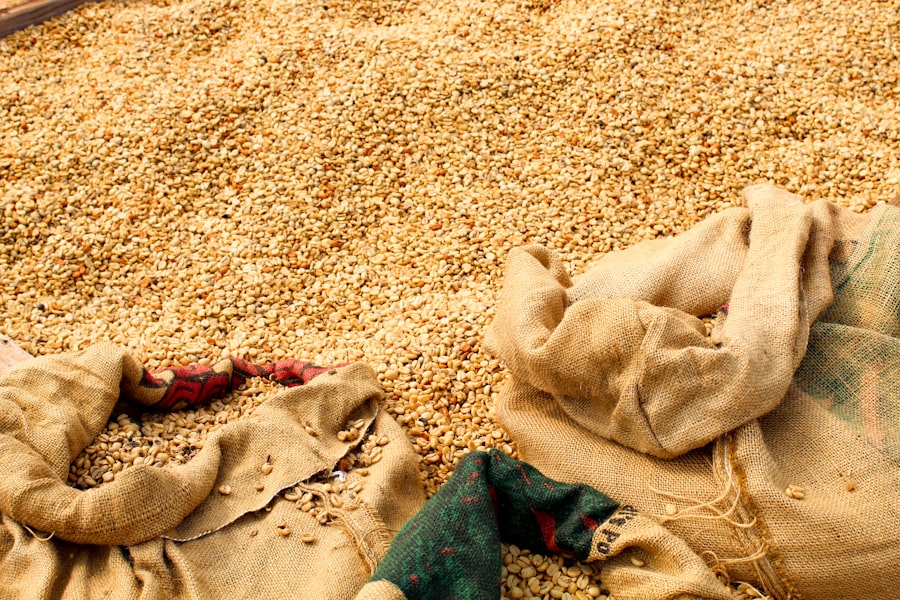
Sustainable and ethical coffee practices are essential for ensuring that coffee production does not come at the expense of environmental health or social equity. As a consumer, you have the power to influence these practices by choosing brands that prioritize sustainability throughout their supply chains. This includes supporting fair trade initiatives that ensure farmers receive fair compensation for their labor while also adhering to environmentally friendly farming methods.
By doing so, you contribute to a system that values both people and the planet. Moreover, sustainable coffee practices often involve certifications such as Rainforest Alliance or USDA Organic, which indicate adherence to specific environmental standards. These certifications help consumers make informed choices about their purchases while encouraging producers to adopt more responsible practices.
As you explore different coffee options, look for these certifications as a way to support ethical sourcing and sustainable farming methods that protect both land and ocean health.
How Consumers Can Support Ocean-Friendly Coffee
As a consumer, your choices have a profound impact on the environment, including ocean health. To support ocean-friendly coffee production, start by seeking out brands that prioritize sustainability in their farming practices. Look for certifications such as Fair Trade or Rainforest Alliance that indicate a commitment to environmentally responsible methods.
Additionally, consider purchasing from local roasters who source their beans from sustainable farms; this not only supports local economies but also reduces the carbon footprint associated with transportation. Another way you can make a difference is by reducing your reliance on single-use plastics associated with coffee consumption. Opt for reusable coffee cups or invest in a French press or pour-over system that minimizes waste.
By making small changes in your daily routine, you contribute to a larger movement toward sustainability within the coffee industry. Your choices matter; every cup of ocean-friendly coffee you enjoy sends a message about the kind of world you want to support.
The Future of Ocean-Friendly Coffee Initiatives
The future of ocean-friendly coffee initiatives looks promising as awareness grows about the interconnectedness of agriculture and marine health. More brands are beginning to recognize their responsibility not only to their consumers but also to the environment. Innovations in sustainable farming techniques are emerging, such as regenerative agriculture practices that restore soil health while sequestering carbon—benefiting both land and ocean ecosystems.
Moreover, collaborations between environmental organizations and coffee producers are becoming more common as they work together to create guidelines for sustainable practices that protect marine environments. As consumers continue to demand transparency and sustainability from their favorite brands, it is likely that more initiatives will emerge aimed at reducing the environmental impact of coffee production on oceans. In conclusion, as you enjoy your daily cup of coffee, remember that your choices have far-reaching consequences beyond just taste or convenience.
By being mindful of how your coffee is produced and supporting sustainable practices, you can contribute positively to both terrestrial and marine ecosystems. The journey toward ocean-friendly coffee is ongoing, but with collective effort from consumers like you, it is possible to create a more sustainable future for our oceans while still enjoying one of life’s simple pleasures.
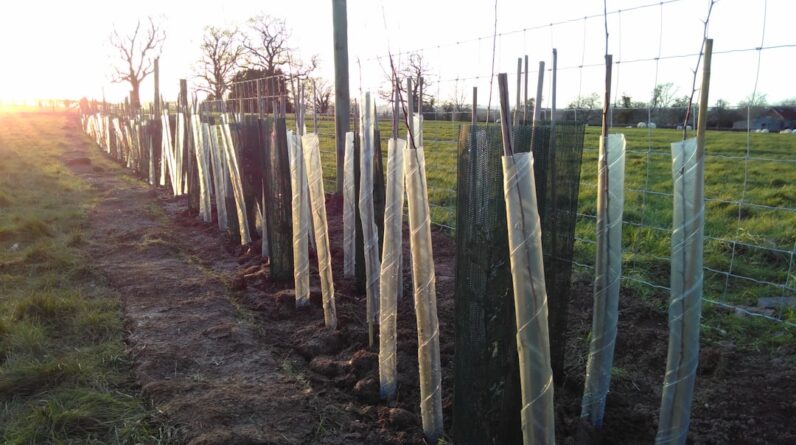
Coffee lovers may want to consider the environmental impact of their daily brew after reading about how it could be harming the ocean. To learn more about combatting global warming and protecting the planet, check out this article on massive tree planting. Taking small steps like this can make a big difference in preserving our oceans and ecosystems for future generations. For more insightful articles on environmental issues and ways to make a positive impact, visit livelifewithacause.org. Additionally, learn about how planting trees can help prevent floods and protect communities in this article on massive tree planting.
FAQs
What is the impact of coffee on the ocean?
Coffee production can have a negative impact on the ocean due to the use of pesticides and fertilizers, deforestation for coffee plantations, and water pollution from processing plants. These factors can contribute to habitat destruction, water contamination, and harm to marine life.
How does coffee production contribute to habitat destruction?
The expansion of coffee plantations can lead to deforestation, which destroys natural habitats for many species. This can have a significant impact on the biodiversity of the areas where coffee is grown.
What are the effects of water pollution from coffee processing plants?
Coffee processing plants can release wastewater containing chemicals and byproducts from the coffee production process. This can lead to water pollution, harming aquatic ecosystems and potentially impacting the health of marine life.
What can coffee lovers do to reduce the impact of their daily brew on the ocean?
Coffee lovers can choose sustainably sourced coffee that is certified by organizations such as Rainforest Alliance or Fair Trade. They can also look for organic coffee options, which are grown without the use of synthetic pesticides and fertilizers. Additionally, reducing overall coffee consumption and properly disposing of coffee waste can help minimize the impact on the ocean.