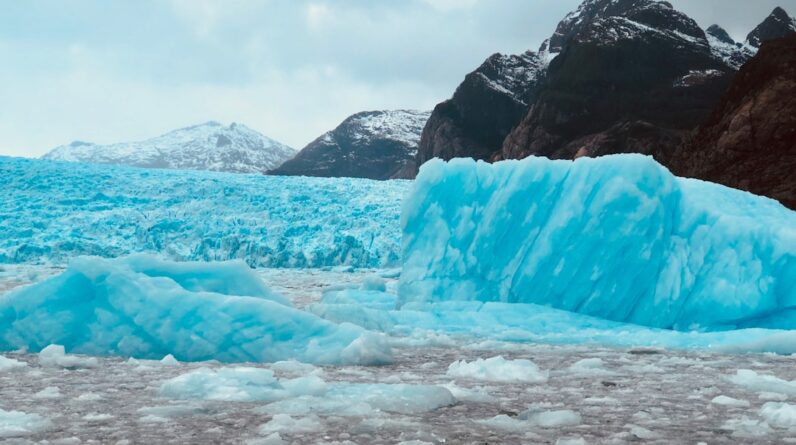
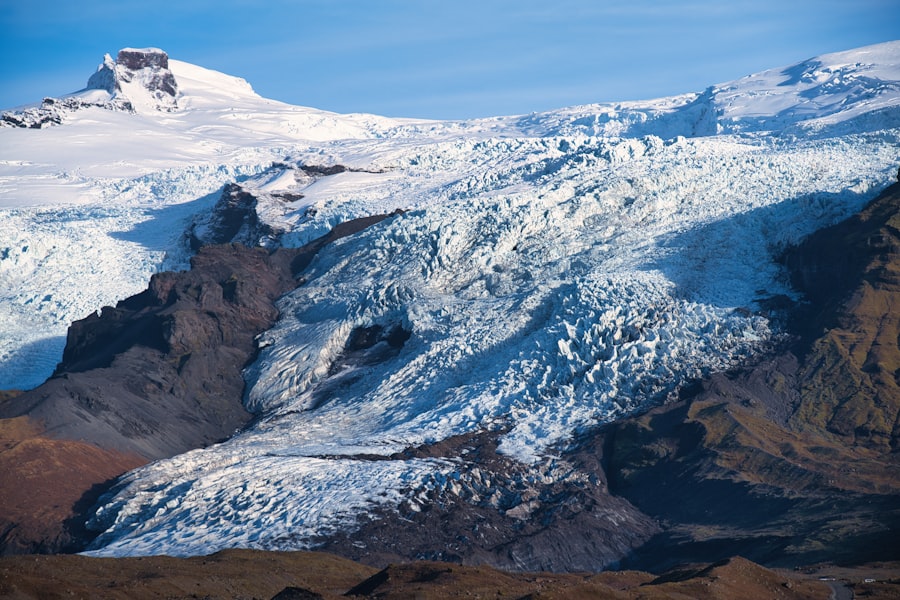
As you delve into the current state of our planet’s glaciers, the statistics can be quite staggering. Glaciers, which have stood for millennia, are now retreating at an unprecedented pace. Research indicates that glaciers worldwide are losing mass at a rate of approximately 400 billion tons per year.
This alarming trend is not just a distant concern; it is happening right now, affecting regions from the Arctic to the Andes. The implications of this rapid melting extend far beyond the icy landscapes, touching on various aspects of life on Earth. You may find it unsettling to learn that some of the most iconic glaciers, such as those in Greenland and Antarctica, are experiencing accelerated melting due to rising global temperatures.
The Intergovernmental Panel on Climate Change (IPCC) has reported that the rate of ice loss in these regions has tripled since the 1990s. This rapid decline is a clear indicator of the broader climate crisis we face. As you consider these facts, it becomes evident that the glaciers, once thought to be stable and enduring, are now vulnerable and in peril.
Key Takeaways
- Glacial melting is occurring at an alarming rate, with significant implications for the environment and human populations.
- The melting of glaciers is contributing to rising global sea levels, posing a threat to coastal communities and infrastructure.
- Ecosystems and wildlife are at risk due to the loss of glacial habitats and changes in water availability.
- Climate change is a major driver of glacial melting, with human activities exacerbating the problem.
- The implications of glacial melting for water resources are significant, affecting availability for drinking, agriculture, and industry.
- Economic and social consequences of glacial melting include impacts on tourism, food security, and displacement of communities.
- Efforts to mitigate glacial melting include reducing greenhouse gas emissions and implementing sustainable land and water management practices.
- Urgent action is needed to address glacial melting and its impacts, requiring global cooperation and commitment to sustainable practices.
Impact on Global Sea Levels
The melting of glaciers has profound implications for global sea levels, a concern that should resonate with everyone. As glaciers continue to melt, they contribute significantly to rising sea levels, which pose a threat to coastal communities around the world. You might be surprised to learn that scientists estimate that sea levels could rise by as much as three feet by the end of this century if current trends continue.
This rise could lead to catastrophic flooding in low-lying areas, displacing millions of people and altering landscapes forever. Moreover, the impact of rising sea levels is not uniform; some regions will experience more severe consequences than others. Coastal cities like Miami, New Orleans, and Jakarta are already grappling with the effects of encroaching waters.
As you reflect on this issue, consider how rising sea levels can exacerbate storm surges and increase the frequency of flooding events. The consequences are dire, and without significant intervention, many communities may find themselves facing an uncertain future.
Threat to Ecosystems and Wildlife
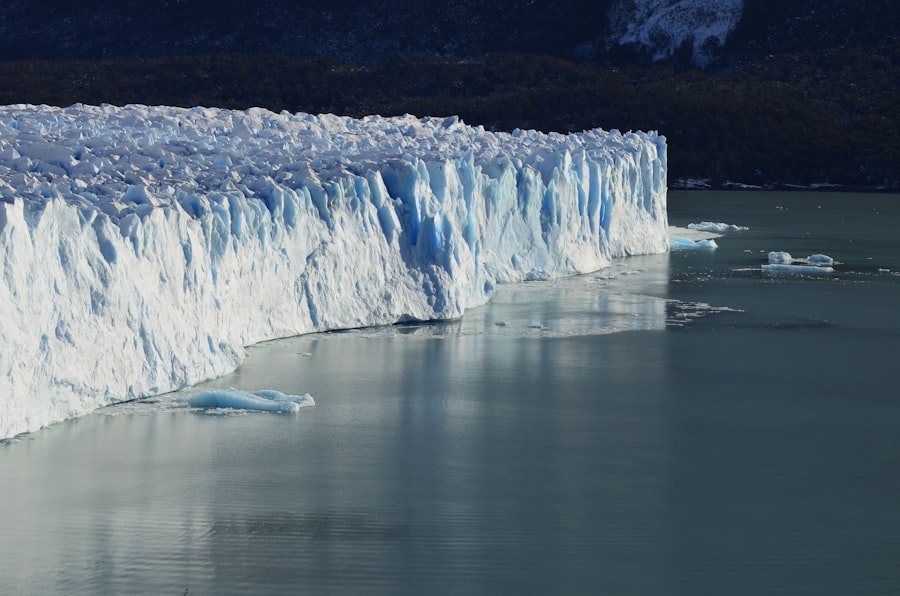
The melting glaciers also pose a significant threat to ecosystems and wildlife that depend on these icy habitats. You may not realize that many species rely on glacial environments for their survival. For instance, polar bears and seals depend on sea ice for hunting and breeding.
As glaciers recede and ice melts, these animals face diminishing habitats and food sources, leading to population declines and potential extinction. In addition to polar species, the effects of glacial melting ripple through entire ecosystems. Freshwater systems fed by glacial meltwater are crucial for many plants and animals.
As glaciers shrink, the flow of water into rivers and lakes diminishes, disrupting the delicate balance of these ecosystems. You might consider how this loss of biodiversity can have cascading effects on food webs and ecosystem services that humans rely on for clean water and air.
The Role of Climate Change
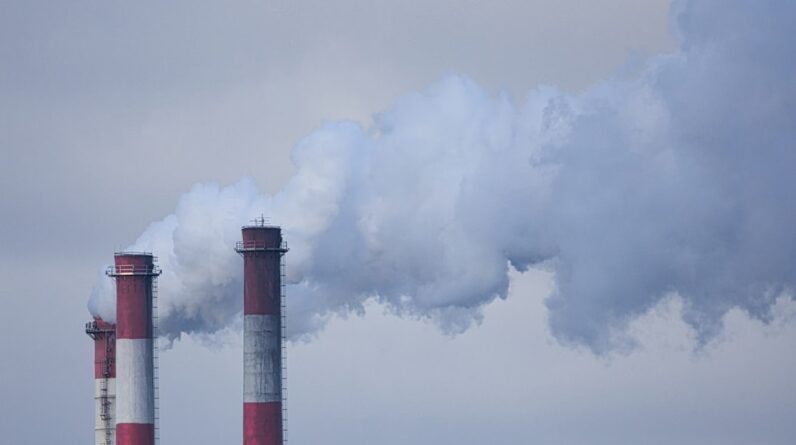
At the heart of the glacial melting crisis lies climate change, a phenomenon driven primarily by human activities such as burning fossil fuels and deforestation. You may find it alarming that the Earth’s average temperature has risen by approximately 1.2 degrees Celsius since the late 19th century, largely due to greenhouse gas emissions. This warming is directly linked to the accelerated melting of glaciers, as higher temperatures lead to increased surface melting and ice loss.
As you explore the role of climate change further, consider how it creates a feedback loop that exacerbates the problem. Melting glaciers expose darker land or ocean surfaces that absorb more heat, further accelerating warming and ice loss. This cycle is not only alarming but also highlights the urgent need for comprehensive climate action.
You may feel a sense of responsibility to advocate for policies that address climate change and protect our planet’s fragile ecosystems.
Implications for Water Resources
The implications of glacial melting extend beyond environmental concerns; they also impact water resources crucial for human survival. Many regions depend on glacial meltwater for drinking water, agriculture, and hydroelectric power generation. As glaciers shrink, you may find that water scarcity becomes an increasingly pressing issue in areas like South Asia and parts of South America, where millions rely on glacial-fed rivers.
You might consider how this shift in water availability can lead to conflicts over resources, particularly in regions already facing water stress. As glaciers continue to retreat, communities may struggle to adapt to changing water supplies, leading to potential crises in food production and public health. The urgency of addressing these challenges cannot be overstated; proactive measures must be taken to ensure sustainable water management in a warming world.
Economic and Social Consequences
The economic ramifications of glacial melting are far-reaching and multifaceted. You may not realize that industries such as tourism, agriculture, and fisheries are all affected by changes in glacial landscapes and water availability. For instance, regions that rely on winter sports tourism may see declines in visitors as snowpack diminishes and glaciers recede.
This loss can have a cascading effect on local economies that depend on seasonal tourism revenue. Socially, the consequences can be equally severe. Communities facing displacement due to rising sea levels or water scarcity may experience increased migration pressures, leading to tensions between displaced populations and host communities.
You might reflect on how these dynamics can exacerbate existing inequalities and create new challenges for social cohesion. The need for equitable solutions that address both environmental sustainability and social justice is more critical than ever.
Efforts to Mitigate Glacial Melting
In light of these challenges, various efforts are underway to mitigate glacial melting and its impacts. You may be encouraged to learn about international agreements like the Paris Agreement, which aims to limit global warming to well below 2 degrees Celsius above pre-industrial levels. These agreements represent a collective commitment to reducing greenhouse gas emissions and transitioning to renewable energy sources.
On a more localized level, innovative projects are being implemented to protect glaciers and their surrounding ecosystems. For example, some researchers are exploring techniques such as reflective materials or artificial snow-making to slow down glacier melting. You might find it inspiring that communities around the world are coming together to advocate for sustainable practices and policies that prioritize environmental protection while addressing social needs.
The Urgency of Taking Action
As you reflect on the alarming rate of glacial melting and its far-reaching consequences, it becomes clear that urgent action is needed. The time for complacency has passed; we must act decisively to combat climate change and protect our planet’s glaciers before it’s too late. You may feel empowered to engage in conversations about climate action within your community or advocate for policies that prioritize sustainability.
The urgency of this moment cannot be overstated; every fraction of a degree matters in the fight against climate change. By taking action now—whether through individual lifestyle changes or collective advocacy—you can contribute to a more sustainable future for generations to come. As you consider your role in this global challenge, remember that every effort counts in preserving our planet’s precious glaciers and ensuring a livable world for all.
In a related article on How Does Planting Trees Help the Environment, the importance of reforestation and afforestation in combating climate change is highlighted. Just as the melting glaciers are a stark reminder of the urgent need for action, planting trees can play a crucial role in mitigating the effects of global warming. By understanding the interconnectedness of our ecosystems and taking steps to protect them, we can work towards a more sustainable future for our planet.
FAQs
What is causing the rapid melting of glaciers?
The rapid melting of glaciers is primarily caused by global warming and climate change. Rising temperatures lead to the melting of ice and snow, causing glaciers to retreat at an accelerated rate.
How are glaciers important to the environment?
Glaciers play a crucial role in regulating global climate and providing freshwater resources. They also support diverse ecosystems and contribute to the overall stability of the environment.
What are the potential consequences of glacier melt?
The consequences of glacier melt include rising sea levels, altered weather patterns, and the loss of freshwater resources. It also impacts wildlife and can lead to natural disasters such as floods and landslides.
Are all glaciers around the world melting at the same rate?
No, the rate of glacier melt varies depending on factors such as location, altitude, and local climate conditions. However, overall, the majority of glaciers around the world are experiencing accelerated melting.
What can be done to slow down the melting of glaciers?
To slow down the melting of glaciers, it is crucial to reduce greenhouse gas emissions and mitigate the effects of climate change. Additionally, conservation efforts and sustainable practices can help preserve glacier ecosystems.