
Soil microbial communities are the unsung heroes of our ecosystems, playing a crucial role in maintaining soil health and fertility. These microscopic organisms, which include bacteria, fungi, and archaea, are essential for nutrient cycling, organic matter decomposition, and the overall functioning of terrestrial ecosystems. When you consider the vast array of life that exists beneath your feet, it becomes clear that these tiny organisms are foundational to the health of plants and, by extension, the animals and humans that rely on them.
Without a thriving community of soil microbes, the very fabric of life on Earth would be at risk. You might be surprised to learn that soil microbial communities are not just passive players in the ecosystem; they actively interact with plants, influencing their growth and resilience. For instance, certain bacteria form symbiotic relationships with plant roots, enhancing nutrient uptake and providing essential elements like nitrogen.
Fungi, particularly mycorrhizal fungi, extend their hyphae into the soil, increasing the surface area for absorption and helping plants access water and nutrients more efficiently. This intricate web of interactions underscores the importance of preserving and nurturing these microbial communities, as they are vital for sustainable agriculture and ecosystem stability.
Key Takeaways
- Soil microbial communities play a crucial role in maintaining soil health and ecosystem functioning.
- Deforestation can disrupt soil microbial communities, leading to decreased soil fertility and increased erosion.
- Reforestation can help restore soil microbial communities and improve soil health.
- Tree planting can increase microbial diversity and activity in the soil, promoting nutrient cycling and plant growth.
- Healthy soil microbial communities contribute to improved soil structure, fertility, and resilience to environmental stress.
Deforestation and Soil Health
Deforestation poses a significant threat to soil health, leading to a cascade of negative effects on microbial communities. When trees are removed, the protective canopy that shields the soil from erosion is lost, exposing it to harsh weather conditions. Rainfall can wash away topsoil, which is rich in organic matter and nutrients, leaving behind a barren landscape that is inhospitable to both plants and microorganisms.
As you can imagine, this disruption can lead to a decline in soil fertility, making it increasingly difficult for new vegetation to establish itself. Moreover, the removal of trees alters the delicate balance of soil microbial communities. The organic matter provided by decaying leaves and roots is a primary food source for many soil microbes.
When deforestation occurs, this food source diminishes, leading to a decline in microbial diversity and abundance. You may notice that areas affected by deforestation often struggle to recover naturally due to this loss of microbial life. The implications extend beyond just soil health; they affect water quality, carbon storage, and overall ecosystem resilience.
The Role of Reforestation in Restoring Soil Microbial Communities
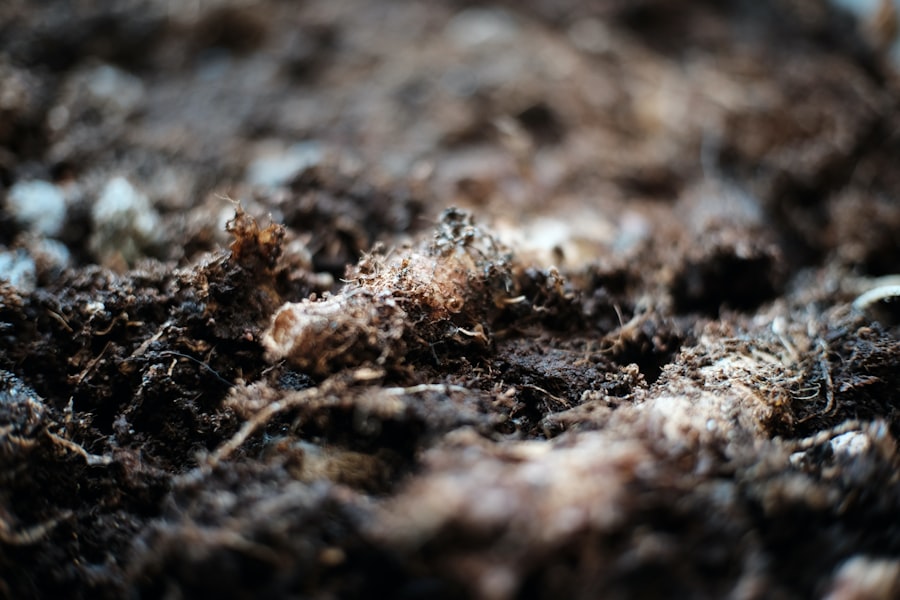
Reforestation serves as a powerful tool for restoring soil microbial communities that have been disrupted by deforestation. By reintroducing trees into an area, you not only help stabilize the soil but also create an environment conducive to the revival of microbial life. As trees grow, they contribute organic matter through leaf litter and root exudates, which serve as food for soil microbes.
This influx of organic material can help rebuild the microbial community, fostering a diverse array of organisms that contribute to soil health. In addition to providing food sources, reforestation can also enhance soil structure and moisture retention. The roots of newly planted trees create channels in the soil that improve aeration and drainage while also reducing compaction.
This improved structure allows for better water infiltration and retention, creating a more favorable environment for microbial activity. As you witness the transformation of a reforested area over time, you may find it remarkable how quickly nature can rebound when given the right conditions.
How Tree Planting Impacts Soil Microorganisms
Tree planting has a profound impact on soil microorganisms, initiating a series of ecological changes that promote biodiversity and resilience. When you plant trees, you create a microhabitat that supports various microbial species. The roots of trees release exudates—organic compounds that serve as food for microbes—into the soil.
This process not only nourishes existing microbial communities but also encourages the colonization of new species that thrive in the presence of these exudates. Furthermore, as trees grow and shed leaves, they contribute organic matter to the soil. This decomposition process is facilitated by microorganisms that break down leaf litter into humus, enriching the soil with nutrients.
You may notice that areas with healthy tree cover often exhibit higher levels of microbial diversity compared to deforested regions. This diversity is crucial for maintaining ecosystem functions such as nutrient cycling and disease suppression, ultimately leading to healthier soils and more robust plant communities.
The Benefits of Healthy Soil Microbial Communities
Healthy soil microbial communities offer a multitude of benefits that extend beyond mere plant growth. One of the most significant advantages is their role in nutrient cycling. Microbes decompose organic matter, releasing essential nutrients like nitrogen, phosphorus, and potassium back into the soil where they can be readily absorbed by plants.
This natural process reduces the need for synthetic fertilizers, promoting sustainable agricultural practices that benefit both farmers and the environment. In addition to nutrient cycling, healthy microbial communities enhance soil structure and stability. You may find it fascinating that certain soil microbes produce substances known as glomalin that help bind soil particles together, improving soil aggregation.
This increased aggregation leads to better water retention and reduced erosion risk. Moreover, diverse microbial communities can suppress plant diseases by outcompeting harmful pathogens or producing antimicrobial compounds. As you consider these benefits, it becomes evident that fostering healthy soil microbial communities is essential for achieving long-term agricultural productivity and environmental sustainability.
Techniques for Enhancing Soil Microbial Communities during Reforestation
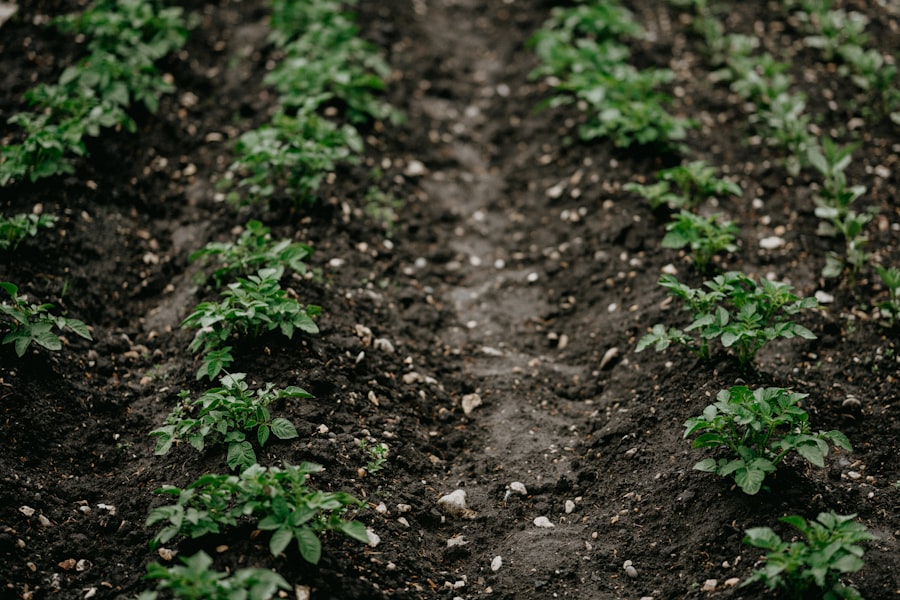
To enhance soil microbial communities during reforestation efforts, several techniques can be employed that promote biodiversity and resilience. One effective method is the use of cover crops before planting trees. By sowing cover crops such as legumes or grasses, you can improve soil structure while providing organic matter that supports microbial life.
These crops can fix nitrogen in the soil and create a favorable environment for beneficial microorganisms. Another technique involves inoculating the soil with specific microbial strains known to enhance plant growth or improve nutrient availability. You might consider using mycorrhizal fungi or beneficial bacteria as inoculants during reforestation projects.
These organisms can establish symbiotic relationships with tree roots, enhancing nutrient uptake and overall plant health. Additionally, incorporating organic amendments such as compost or biochar can further enrich the soil with nutrients and foster a diverse microbial community.
Monitoring and Evaluating Soil Microbial Communities in Reforested Areas
Monitoring and evaluating soil microbial communities in reforested areas is essential for assessing the success of restoration efforts. You may want to employ various methods to analyze microbial diversity and abundance over time. Techniques such as DNA sequencing can provide insights into the composition of microbial communities, allowing you to identify key species that contribute to soil health.
Regular sampling and analysis can help you track changes in microbial populations in response to different management practices or environmental conditions. By understanding how these communities evolve during reforestation, you can make informed decisions about future interventions or adjustments needed to optimize restoration outcomes. This ongoing evaluation not only enhances your knowledge but also contributes to broader efforts aimed at restoring ecosystems worldwide.
The Future of Reforestation and Soil Health
As we look toward the future of reforestation and its impact on soil health, it becomes increasingly clear that integrating ecological principles into restoration practices is vital. You may find it encouraging that there is a growing recognition of the importance of healthy soil microbial communities in achieving successful reforestation outcomes. By prioritizing biodiversity and employing sustainable techniques, we can create resilient ecosystems capable of withstanding environmental challenges.
Moreover, as climate change continues to pose threats to global ecosystems, reforestation efforts will play a critical role in carbon sequestration and mitigating its effects. Healthy soils rich in diverse microbial communities are better equipped to store carbon effectively while supporting plant growth. As you engage with reforestation initiatives or advocate for sustainable land management practices, remember that nurturing soil health through microbial diversity is key to building a more sustainable future for our planet.
In a related article on preventing floods by massive tree planting, it discusses how reforestation can help mitigate the impact of flooding by improving soil structure and increasing water retention. This article complements the ideas presented in “The Living Soil: How Reforestation Rebuilds Microbial Communities” by highlighting the broader environmental benefits of planting trees. To learn more about the importance of tree planting in preventing floods, visit this article.
FAQs
What is the living soil?
The living soil refers to the complex ecosystem of microorganisms, fungi, and other organisms that live within the soil and contribute to its health and fertility.
How does reforestation rebuild microbial communities in the soil?
Reforestation helps rebuild microbial communities in the soil by reintroducing a diverse range of plant species, which in turn support a diverse range of microbial life. The roots of trees and other plants also provide organic matter and nutrients to the soil, which further supports microbial growth.
Why are microbial communities important for soil health?
Microbial communities play a crucial role in maintaining soil health by breaking down organic matter, cycling nutrients, and improving soil structure. They also help plants access nutrients and defend against pathogens.
What are some benefits of rebuilding microbial communities in the soil through reforestation?
Rebuilding microbial communities in the soil through reforestation can lead to improved soil fertility, better water retention, and increased carbon sequestration. It can also support the growth of diverse plant species and contribute to overall ecosystem health.
How long does it take for reforestation to rebuild microbial communities in the soil?
The timeline for rebuilding microbial communities in the soil through reforestation can vary depending on factors such as the specific site conditions, the types of trees and plants being reintroduced, and the existing microbial diversity. In general, it can take several years for significant changes to occur.