Have you ever wondered how the trees you see every day impact our planet’s climate? It’s a question many of us rarely ponder, but it’s incredibly crucial. Forests play a vital role in maintaining the Earth’s ecological balance. In this article, we’re going to take a deep look into deforestation and its impact on global warming.
What is Deforestation?
Definition and Overview
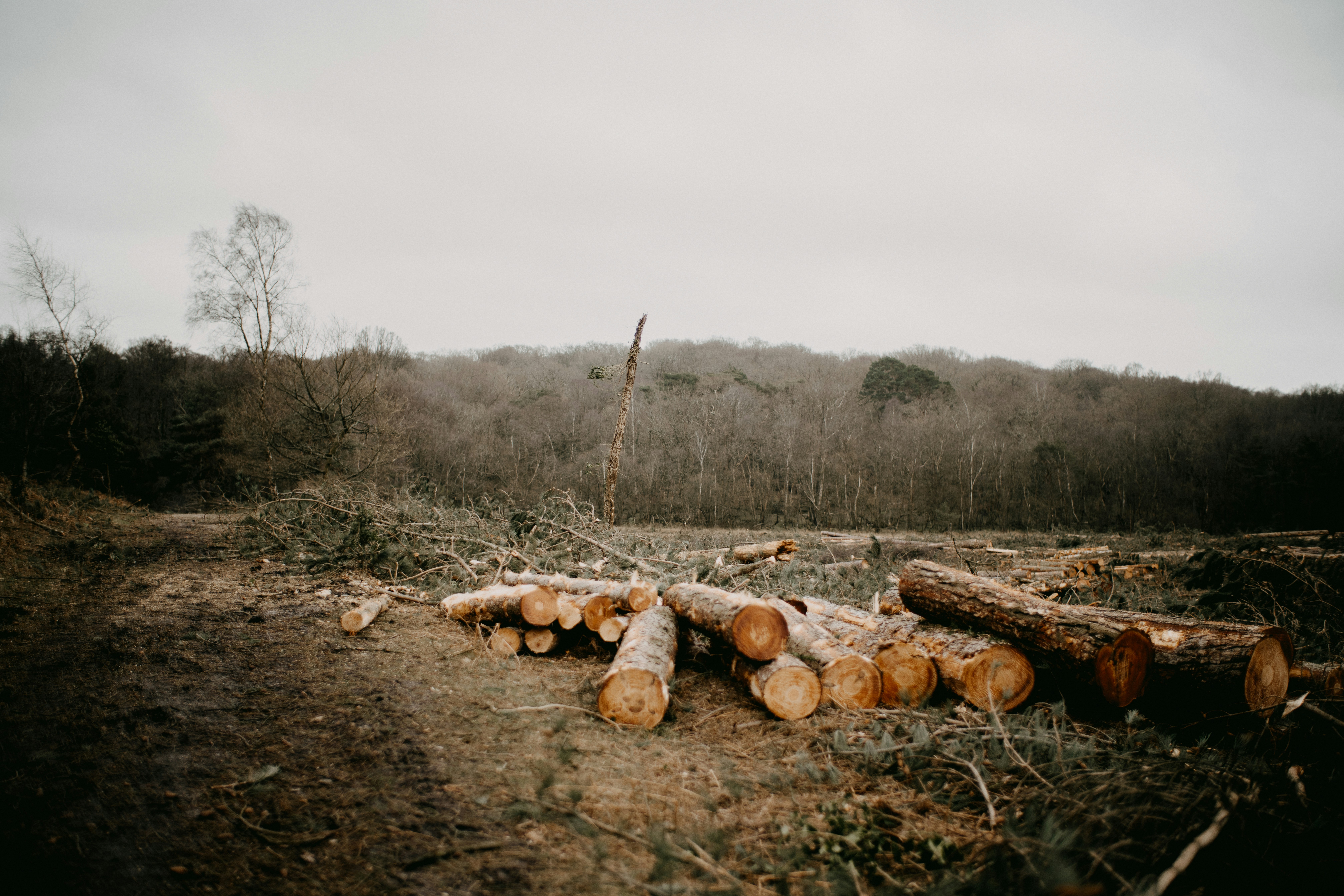
Deforestation refers to the large-scale removal of trees and forests, often to clear land for agricultural or urban development. It involves the conversion of forested areas to non-forested ones, which can result from human activities like logging, farming, and urbanization.
Global Scope of Deforestation
The phenomenon of deforestation is not localized; it affects our entire planet. Different regions are impacted in various ways, but the trend is noticeably alarming globally. Countries in South America, Africa, and Southeast Asia are especially prone to high rates of deforestation due to agricultural expansion and logging.
Historical Perspective
To put things in context, deforestation is not a recent phenomenon. It has been happening for centuries, but the rate has accelerated dramatically with industrialization and the need for agricultural land. The last century particularly saw an exponential increase in deforested areas, leading to severe environmental repercussions.
Why Deforestation Happens
Agricultural Expansion
One of the most significant drivers of deforestation is agricultural expansion. With the increasing global population, the demand for food and crops has surged, leading to more land being cleared for agricultural use. This includes both subsistence farming and commercial agriculture.
Logging
Logging activities, whether legal or illegal, contribute significantly to deforestation. Timber and wood products are in high demand, and vast areas of forests are cut down to meet these needs.
Urbanization
As urban areas grow, surrounding forests often fall victim to development. Cities expand, roads are built, and industries set up, contributing to the loss of forest cover.
Other Contributing Factors
Other contributing factors include mining, infrastructure development, and even forest fires, whether naturally occurring or human-induced.
The Immediate Environmental Impacts
Loss of Biodiversity
When forests are cut down, the most immediate impact is the loss of biodiversity. Forests are home to over 80% of terrestrial species of animals, plants, and insects. The loss of habitat can lead to species extinction and a reduction in biodiversity.
| Species | Impact |
|---|---|
| Animals | Loss of habitat, leading to endangerment and extinction |
| Plants | Habitat loss and inability to sustain populations |
| Insects | Disruption of ecosystems and extinction |
Soil Erosion
Trees play an essential role in maintaining the soil structure. Their roots hold the soil together, and their foliage protects it from direct impact by rainfall. When trees are removed, the soil becomes far more susceptible to erosion.
Water Cycle Disruption
Trees help in the regulation of the water cycle by absorbing and releasing water. Their removal disrupts this cycle, leading to issues like reduced rainfall, altered river beds, and even droughts in severe cases.
The Role of Forests in Climate Regulation
Carbon Sinks
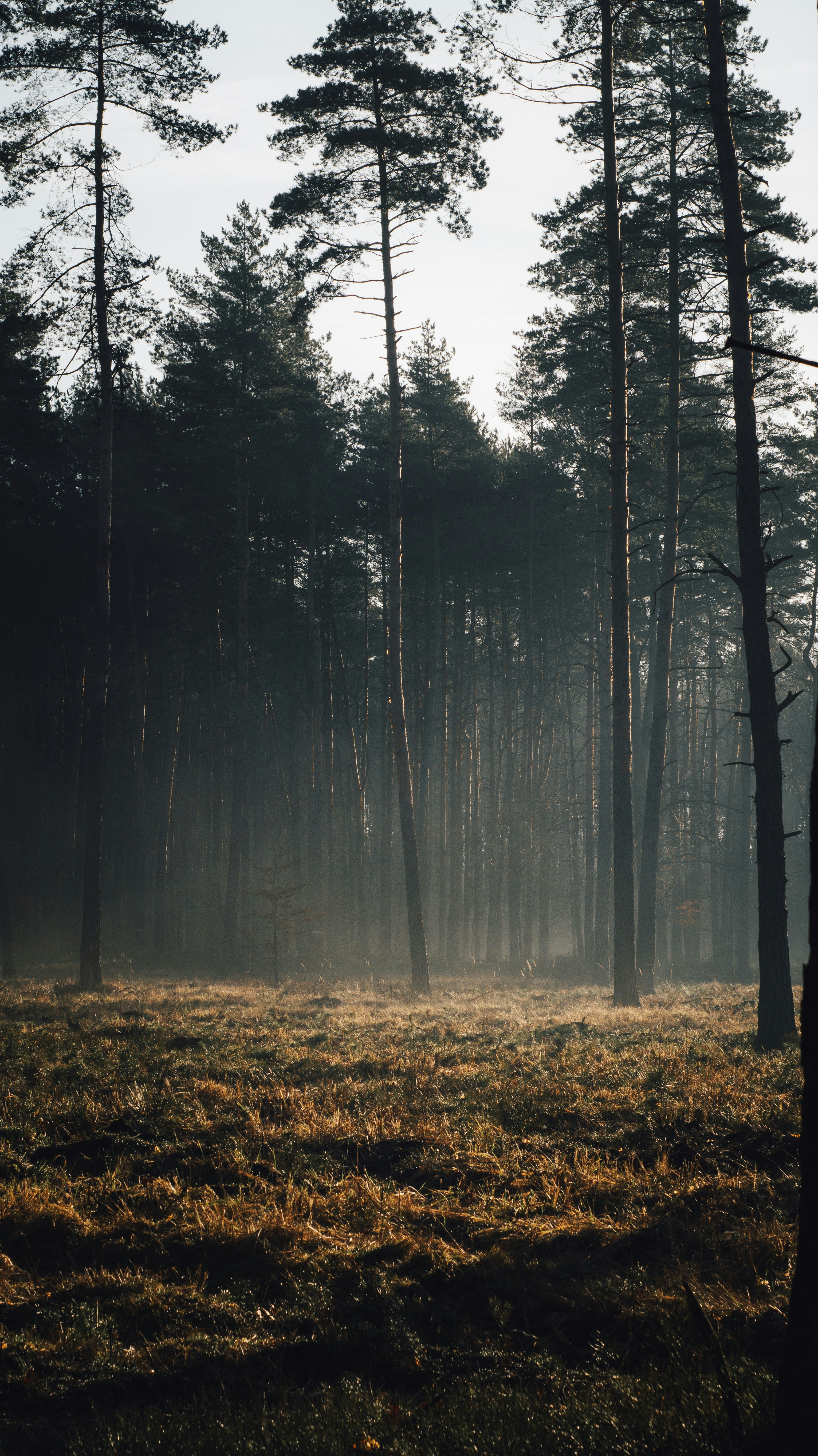
Trees act as carbon sinks, meaning they absorb more carbon dioxide from the atmosphere than they release. This helps in maintaining the balance of greenhouse gases and mitigates the impact of global warming.
Oxygen Production
Forests contribute significantly to the production of oxygen in the atmosphere. They also play a part in filtering pollutants and maintaining air quality.
Temperature Regulation
Trees offer a cooling effect on their surroundings. The process of transpiration involves the release of water vapor, which helps to cool the atmosphere.
Deforestation and Global Warming
The Greenhouse Effect
Deforestation contributes to global warming through the release of stored carbon. When trees are cut down or burned, the carbon stored in them is released into the atmosphere as carbon dioxide, contributing to the greenhouse effect.
Increased Carbon Emissions
Forests absorb significant amounts of carbon dioxide. By removing these forests, we not only release stored carbon but also lose out on future carbon absorption.
Albedo Effect
The replacement of dark green forests with lighter-colored land surfaces increases the Earth’s albedo, or its ability to reflect sunlight. This may sound beneficial, but it disrupts local climates and can contribute to warming on a global scale.
Long-Term Impact of Deforestation on Global Warming
Rising Temperatures
Over time, the decrease in forested areas leads to higher global temperatures. Tropical forests, in particular, have a significant role in stabilizing the Earth’s climate.
Severe Weather Patterns
The loss of forests can lead to more severe and unpredictable weather patterns. Deforestation can influence rainfall, leading to droughts in some areas and flooding in others.
Loss of Climate Regulation
Forests act as buffers against extreme weather conditions. The loss of these areas will result in the reduction of this buffering effect, leading to more frequent and severe natural disasters.
Solutions and Mitigation Strategies
Reforestation and Afforestation
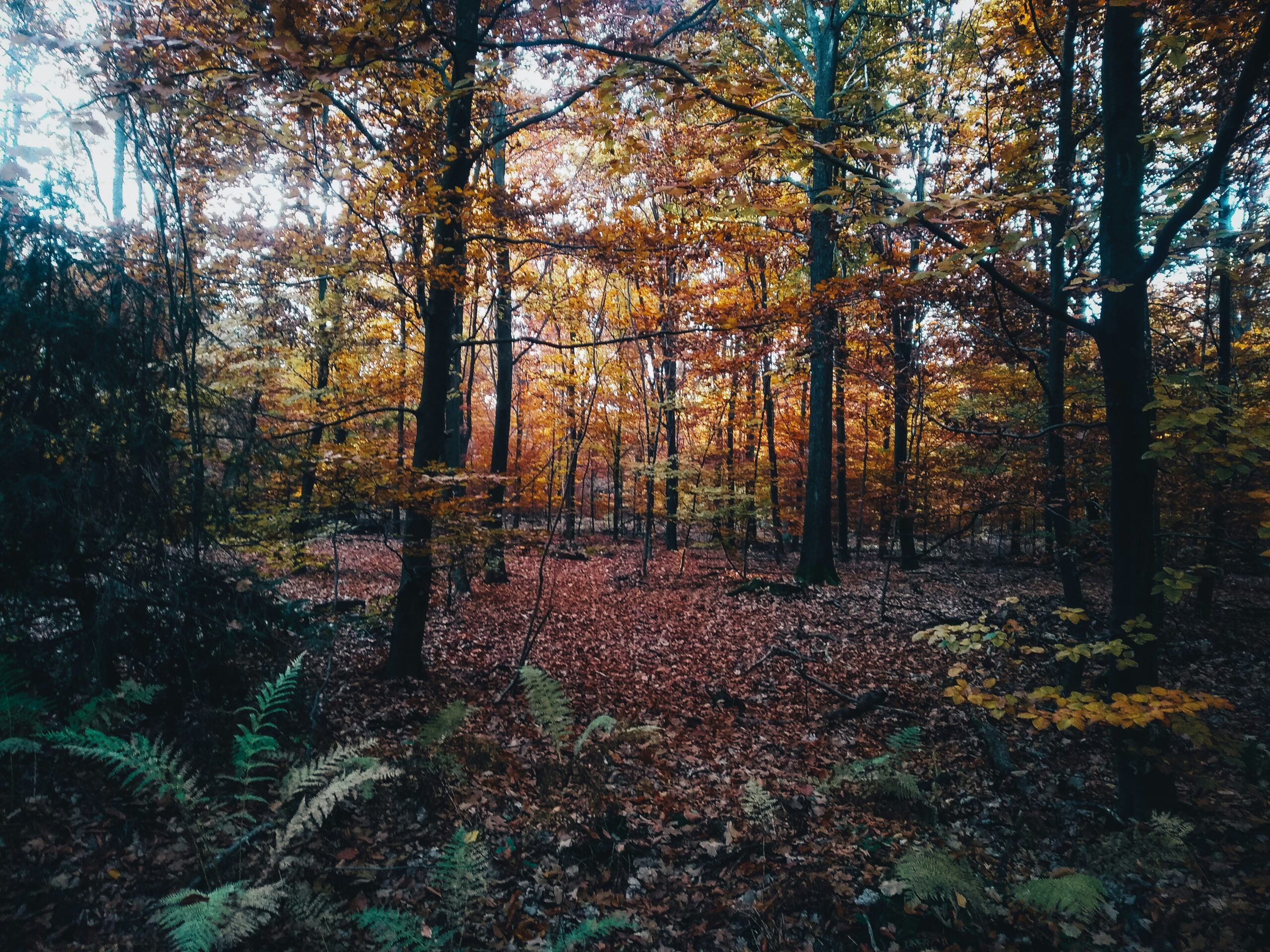
Reforestation involves replanting trees in deforested areas, while afforestation is the creation of new forests in areas that were not previously forested. Both strategies can help in mitigating the effects of deforestation.
Sustainable Forestry
Sustainable forestry practices ensure that the extraction of forest resources does not harm the environment. These practices include selective logging, reduced impact logging, and adhering to responsible forestry certifications like FSC (Forest Stewardship Council).
Policy and Legislation
Governments and international bodies need to enforce stricter regulations regarding deforestation. Policies aimed at protecting forested areas, promoting sustainable land use, and penalizing illegal logging can significantly curtail deforestation.
Technological Innovations
Advancements in technology, such as satellite monitoring and drones, can help in tracking deforestation activities in real-time. These innovations can aid in enforcement and proactive measures to prevent further deforestation.
The Role of Individuals
Conscious Consumerism
As a consumer, you can have a significant impact by making informed choices. Opt for products that are certified as sustainable, and avoid those that contribute to deforestation, such as non-sustainable palm oil or hardwood furniture from uncertified sources.
Advocacy and Awareness
Raise awareness about the impacts of deforestation. Join or support organizations working towards the conservation of forests and global climate initiatives.
Reducing Carbon Footprint
Reducing your overall carbon footprint can also help. This includes reducing energy consumption, utilizing public transport, and supporting renewable energy sources.
Case Studies
The Amazon Rainforest
The Amazon Rainforest is often referred to as the “lungs of the Earth” due to its vast capacity to absorb carbon dioxide. Unfortunately, it is one of the most affected regions by deforestation. Agricultural expansion, especially for soy and cattle farming, has led to significant forest loss in the Amazon.
The Congo Basin
The Congo Basin, the second-largest rainforest in the world, also faces threats from deforestation. Logging, mining, and agriculture are primary drivers. However, efforts are being made to promote sustainable use and conservation.
Indonesia
Indonesia is home to significant portions of Southeast Asia’s rainforests. The country faces high rates of deforestation driven by palm oil plantations and logging. Various steps are being taken, including stricter regulations and promoting sustainable palm oil.
The Cost of Inaction
Social and Economic Impacts
Deforestation does not just have environmental costs; it also comes with social and economic repercussions. Local communities that depend on forests for their livelihoods face displacement and loss of income. Economically, the cost of mitigating the impacts of climate change far outweighs the costs of preventing deforestation.
Irreversible Damage
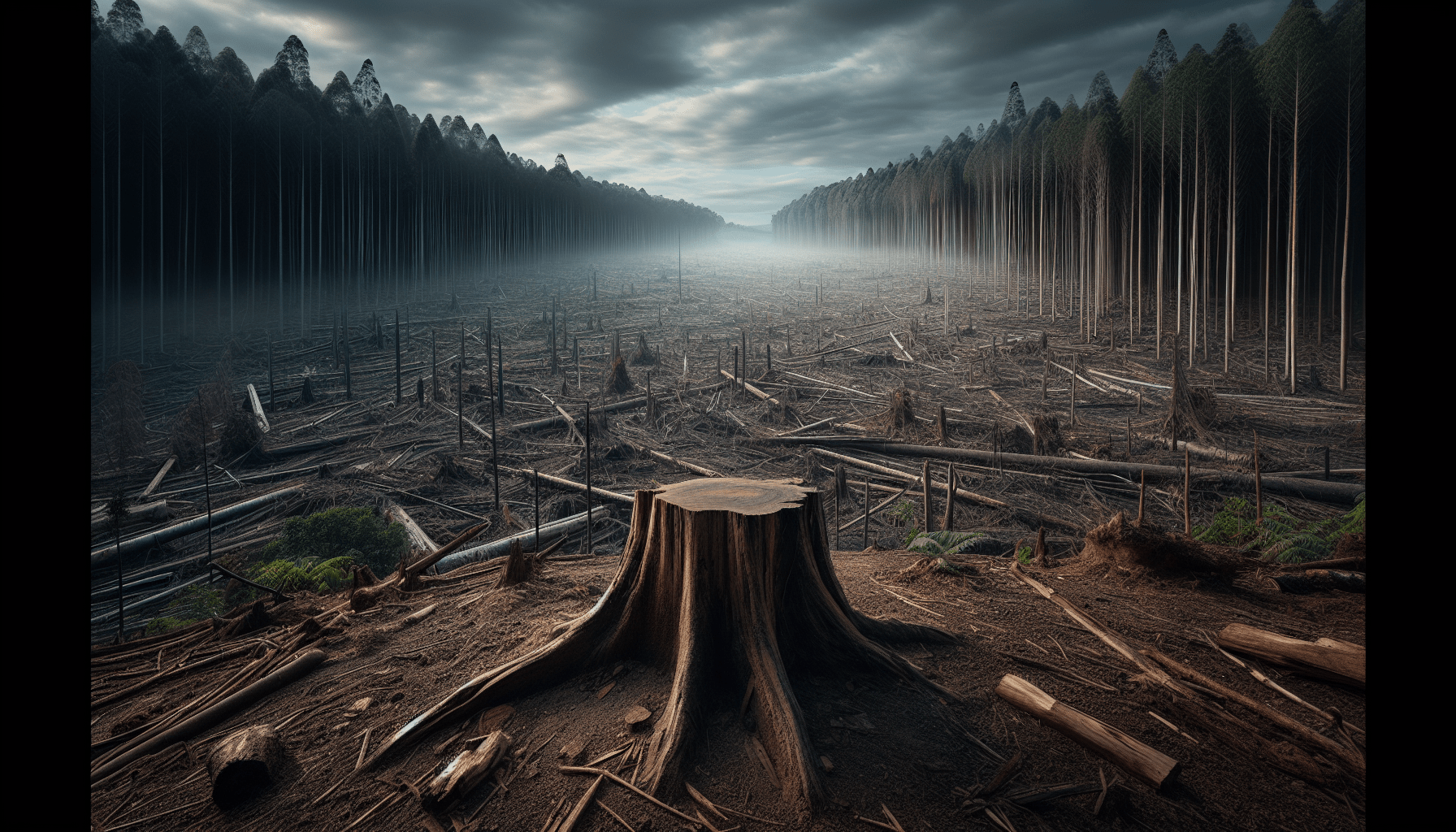
Some of the damage caused by deforestation can be irreversible. Species extinction, loss of ancient forests, and severe climatic changes can reach a point where recovery becomes impossible.

Conclusion
The felling of our future, metaphorically and literally, hinges on the actions we take today. Understanding the gravity of deforestation and its contributions to global warming is essential for fostering a sustainable future. By engaging in reforestation efforts, supporting sustainable practices, and advocating for stringent policies, you can play a crucial part in combating this pressing issue. So, the next time you see a tree, remember its unparalleled worth not just to our environment, but to the future of our planet.