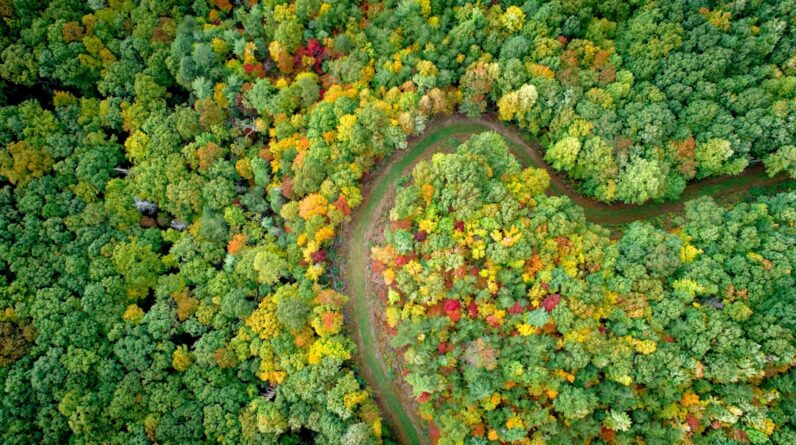
Reforestation is a vital process that involves the replanting of trees in areas where forests have been depleted or destroyed. This practice not only aims to restore the natural landscape but also plays a crucial role in enhancing soil fertility. As you delve into the intricate relationship between trees and soil, you will discover how reforestation can serve as a powerful tool for ecological restoration.
The importance of soil fertility cannot be overstated; it is the foundation of healthy ecosystems, supporting plant growth and sustaining diverse forms of life. By understanding the connection between reforestation and soil health, you can appreciate the broader implications for environmental sustainability. In recent years, the urgency of reforestation has gained significant attention due to the alarming rates of deforestation and land degradation.
As you explore this topic, you will find that restoring forests is not merely an aesthetic endeavor; it is essential for maintaining the balance of our ecosystems. Healthy soils are rich in nutrients, capable of supporting robust plant life, which in turn contributes to a thriving environment. By engaging in reforestation efforts, you can help combat soil erosion, improve water retention, and enhance biodiversity, all of which are critical for sustaining life on Earth.
Key Takeaways
- Reforestation plays a crucial role in rebuilding soil fertility and supporting biodiversity.
- Trees have a positive impact on soil fertility by improving soil structure, nutrient cycling, and water retention.
- Deforestation leads to soil degradation, loss of nutrients, and increased erosion, negatively impacting soil fertility.
- Reforestation can rebuild soil fertility by restoring organic matter, improving soil structure, and enhancing nutrient cycling.
- The choice of tree species in reforestation efforts can significantly influence soil fertility and support sustainable soil management.
The Relationship Between Trees and Soil
The relationship between trees and soil is a complex and symbiotic one. Trees play a pivotal role in enhancing soil structure and fertility through their root systems. As you observe trees in their natural habitat, you will notice how their roots penetrate deep into the ground, creating channels that allow water and air to reach deeper layers of soil.
This process not only aerates the soil but also facilitates the movement of nutrients, making them more accessible to other plants. Furthermore, the organic matter produced by decaying leaves and fallen branches enriches the soil, providing essential nutrients that promote healthy plant growth. Moreover, trees contribute to soil fertility through their ability to fix nitrogen.
Certain tree species, such as legumes, have a unique partnership with nitrogen-fixing bacteria that reside in their root nodules. This relationship allows them to convert atmospheric nitrogen into a form that is usable by plants. As you consider the implications of this process, it becomes clear that trees are not just passive participants in their environment; they actively contribute to the health and vitality of the soil around them.
By fostering a diverse range of tree species in reforestation efforts, you can enhance these beneficial interactions and promote a more resilient ecosystem.
The Impact of Deforestation on Soil Fertility

Deforestation poses a significant threat to soil fertility, leading to a cascade of negative effects on the environment. When trees are removed from an area, the protective cover they provide is lost, exposing the soil to erosion from wind and water. As you reflect on this issue, consider how the absence of tree roots allows for increased runoff, which can wash away valuable topsoil rich in nutrients.
This degradation not only diminishes the soil’s fertility but also disrupts the delicate balance of the ecosystem, leading to further environmental challenges. Additionally, deforestation can result in a decline in organic matter within the soil. Without trees to contribute leaf litter and other organic materials, soils become depleted of essential nutrients over time.
This loss can lead to reduced agricultural productivity and increased reliance on chemical fertilizers, which can further harm soil health in the long run. As you contemplate these consequences, it becomes evident that deforestation is not just an isolated issue; it has far-reaching implications for food security and ecosystem stability. By understanding these impacts, you can better appreciate the urgency of reforestation initiatives aimed at restoring soil fertility.
How Reforestation Can Rebuild Soil Fertility
Reforestation offers a promising solution for rebuilding soil fertility in areas affected by deforestation and land degradation. When trees are replanted, they begin to restore the natural processes that contribute to healthy soils. As you witness the growth of new trees, you will observe how their roots stabilize the soil, reducing erosion and promoting water retention.
This stabilization is crucial for preventing further degradation and allows for the gradual recovery of soil health over time. Moreover, reforestation enhances biodiversity, which is essential for maintaining healthy ecosystems. A diverse range of tree species can create a more resilient environment that supports various forms of life.
As you engage with reforestation projects, you may find that planting native species is particularly beneficial; these trees are often better adapted to local conditions and can thrive without excessive intervention. By fostering a diverse array of plants, you can help restore the natural nutrient cycles that are vital for soil fertility. In this way, reforestation not only addresses immediate concerns but also lays the groundwork for long-term ecological health.
The Role of Tree Species in Soil Fertility
The choice of tree species in reforestation efforts significantly influences soil fertility outcomes. Different species have varying root structures, growth rates, and nutrient requirements, all of which can impact the surrounding soil environment. As you explore this aspect of reforestation, consider how certain species are particularly effective at enhancing soil health.
For instance, nitrogen-fixing trees like acacias or alder can enrich the soil by adding nitrogen through their symbiotic relationships with bacteria. Additionally, some tree species produce abundant leaf litter that decomposes quickly, contributing organic matter to the soil. This organic matter is crucial for improving soil structure and nutrient availability.
As you engage with reforestation initiatives, it is essential to select a mix of species that complement each other’s strengths and contribute to overall soil health. By understanding the specific roles that different tree species play in enhancing soil fertility, you can make informed decisions that maximize the ecological benefits of your reforestation efforts.
Supporting Biodiversity Through Reforestation

Reforestation is not only about restoring trees; it is also about supporting biodiversity within ecosystems. When you participate in reforestation projects, you have the opportunity to create habitats for various plant and animal species that may have been displaced due to deforestation. A diverse forest ecosystem is more resilient to environmental changes and disturbances, making it crucial for maintaining ecological balance.
As you consider the importance of biodiversity in reforestation efforts, think about how different species interact within their habitats. Trees provide shelter and food for numerous organisms, from insects to birds and mammals. By planting a variety of tree species, you can create a rich tapestry of life that supports pollinators, seed dispersers, and other essential components of healthy ecosystems.
This interconnectedness highlights the significance of biodiversity not just for its own sake but as a fundamental aspect of restoring soil fertility and overall environmental health.
Reforestation as a Tool for Climate Change Mitigation
Reforestation serves as a powerful tool for mitigating climate change by sequestering carbon dioxide from the atmosphere. As you delve into this topic, consider how trees absorb CO2 during photosynthesis and store carbon in their biomass and surrounding soils. This process helps reduce greenhouse gas concentrations in the atmosphere, contributing to global efforts to combat climate change.
Moreover, healthy forests play a critical role in regulating local climates by influencing temperature and precipitation patterns. As you engage with reforestation initiatives aimed at climate change mitigation, you will find that restoring forests not only benefits local ecosystems but also has far-reaching implications for global climate stability. By participating in these efforts, you become part of a larger movement toward creating a more sustainable future for our planet.
Implementing Reforestation Practices for Sustainable Soil Management
To effectively implement reforestation practices that promote sustainable soil management, it is essential to adopt a holistic approach that considers local conditions and community needs. As you embark on reforestation projects, take time to assess the specific challenges faced by the area—such as soil degradation or invasive species—and tailor your strategies accordingly. Engaging with local communities can also enhance your efforts; their knowledge and experience can provide valuable insights into successful practices.
Incorporating agroforestry techniques can further enhance your reforestation initiatives by integrating trees with agricultural practices. This approach allows for improved soil health while providing additional benefits such as shade for crops and habitat for wildlife. As you explore these sustainable practices, remember that successful reforestation requires ongoing monitoring and adaptive management to ensure long-term success.
By committing to these principles, you can contribute to restoring soil fertility while fostering resilient ecosystems that benefit both people and nature alike. In conclusion, reforestation is an essential practice that holds immense potential for restoring soil fertility and supporting biodiversity while addressing climate change challenges. By understanding the intricate relationships between trees and soil, recognizing the impacts of deforestation, and implementing effective reforestation strategies, you can play an active role in promoting ecological health and sustainability for future generations.
In a related article on how planting trees helps the environment, the importance of reforestation in combating climate change and preserving biodiversity is further emphasized. The article discusses how trees play a crucial role in absorbing carbon dioxide, providing habitat for wildlife, and preventing soil erosion. It highlights the various environmental benefits that come from planting trees and the positive impact it can have on our planet. This further underscores the significance of reforestation in building soil fertility and promoting sustainable land management practices.
FAQs
What is reforestation?
Reforestation is the process of planting trees in areas where forests have been depleted or destroyed. It is aimed at restoring the ecological balance and increasing the forest cover.
How does reforestation help in building soil fertility?
Reforestation helps in building soil fertility by preventing soil erosion, improving water retention, and increasing organic matter in the soil through leaf litter and root systems of trees. The roots of trees also help in breaking up compacted soil, allowing for better aeration and nutrient absorption.
What are the benefits of building soil fertility through reforestation?
Building soil fertility through reforestation can lead to increased agricultural productivity, improved biodiversity, and better water quality. It also helps in mitigating climate change by sequestering carbon dioxide from the atmosphere.
What are some reforestation techniques used to build soil fertility?
Some reforestation techniques used to build soil fertility include planting a mix of tree species to improve biodiversity, using native species that are well-adapted to the local environment, and implementing agroforestry practices that combine tree planting with agricultural crops.
How long does it take for reforestation to improve soil fertility?
The timeline for reforestation to improve soil fertility can vary depending on factors such as the type of trees planted, the local climate, and the condition of the soil. In general, it can take several years to see significant improvements in soil fertility through reforestation.