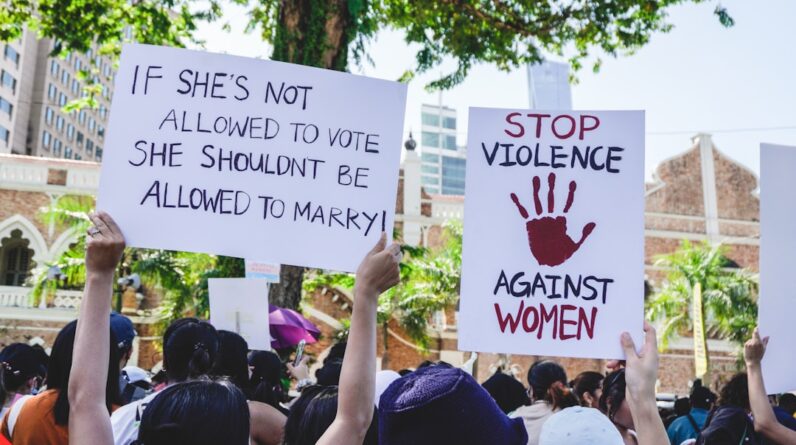
As you navigate the complexities of climate change, you may find yourself increasingly aware of the role that youth are playing in the fight for environmental justice. Youth climate litigation has emerged as a powerful tool for young people to hold governments and corporations accountable for their contributions to climate change. This legal approach allows young activists to challenge policies and practices that they believe threaten their future and the planet’s health.
By taking legal action, these young individuals are not only raising awareness about the climate crisis but also demanding tangible changes that can lead to a more sustainable world. The urgency of the climate crisis has prompted a new generation of activists to step into the legal arena. You might be surprised to learn that youth climate litigation is not just a passing trend; it represents a significant shift in how young people engage with environmental issues.
By leveraging the legal system, they are asserting their rights and advocating for a livable future. This article will explore the rise of youth climate activism, the legal foundations of their lawsuits, notable cases from around the globe, and the challenges they face in this critical fight for justice.
Key Takeaways
- Youth climate litigation involves young people taking legal action against governments and corporations for their role in contributing to climate change and failing to take sufficient action to address it.
- Youth climate activism has been on the rise, with young people around the world organizing and participating in protests, strikes, and legal actions to demand climate action from decision-makers.
- The legal basis for youth climate lawsuits often revolves around human rights, arguing that the failure to address climate change violates the rights of young people to a safe and healthy environment and a stable climate.
- Notable youth climate lawsuits have been filed in various countries, including the United States, Colombia, and the Netherlands, with some cases resulting in landmark decisions that hold governments accountable for their climate policies.
- Challenges and criticisms of youth climate litigation include concerns about the effectiveness of using the legal system to address complex environmental issues, as well as the potential for lawsuits to be dismissed or delayed.
The Rise of Youth Climate Activism
In recent years, you may have noticed a surge in youth-led movements advocating for climate action. This rise in activism can be traced back to various factors, including increased awareness of climate science, the influence of social media, and the inspiring leadership of figures like Greta Thunberg. Young people are increasingly recognizing that they have a stake in the future of the planet, and they are mobilizing to demand change.
You might find it inspiring to see how these young activists have harnessed their passion and determination to create a global movement that transcends borders. Youth climate activism is characterized by its inclusivity and diversity. You may have seen young people from various backgrounds coming together to advocate for environmental justice, highlighting issues such as racial inequality and economic disparity in the context of climate change.
This intersectional approach not only broadens the movement’s appeal but also emphasizes that climate change disproportionately affects marginalized communities. As you engage with this topic, you may feel a sense of hope and empowerment, knowing that young voices are rising to challenge the status quo and push for systemic change.
The Legal Basis for Youth Climate Lawsuits

As you delve deeper into youth climate litigation, it’s essential to understand the legal frameworks that underpin these lawsuits. Many youth activists are leveraging existing laws and international agreements to argue that governments have a duty to protect their citizens from the impacts of climate change. For instance, you may find it interesting that many lawsuits cite constitutional rights, such as the right to life, health, and a stable environment, as grounds for their claims.
By framing their arguments within established legal principles, these young litigants are effectively challenging the inaction of governments and corporations. In addition to constitutional rights, youth climate lawsuits often reference international treaties like the Paris Agreement. You might be intrigued to learn that these agreements set binding targets for reducing greenhouse gas emissions, and young activists argue that governments are failing to meet their obligations under these treaties.
By holding leaders accountable for their commitments, youth litigants are not only advocating for their own futures but also reinforcing the importance of global cooperation in addressing climate change.
Notable Youth Climate Lawsuits Around the World
As you explore notable youth climate lawsuits, you’ll discover a range of cases that highlight the creativity and determination of young activists. One prominent example is Juliana United States, where a group of 21 young plaintiffs sued the federal government for violating their constitutional rights by failing to take adequate action against climate change. This landmark case has garnered significant media attention and has become a symbol of youth-led climate litigation in the United States.
Across the globe, you may also come across cases like Urgenda Foundation State of the Netherlands, where a group of Dutch citizens successfully argued that their government was not doing enough to reduce greenhouse gas emissions. The court ruled in favor of Urgenda, ordering the government to take more aggressive action on climate change. This case has inspired similar lawsuits in other countries, demonstrating how youth activism can lead to meaningful legal victories.
Challenges and Criticisms of Youth Climate Litigation
While youth climate litigation has gained momentum, it is not without its challenges and criticisms. As you consider this aspect, you may find it important to acknowledge that legal battles can be lengthy and costly. Young activists often face significant hurdles in terms of funding and resources, which can limit their ability to pursue cases effectively.
Additionally, you might notice that some critics argue that litigation is not the most effective way to achieve climate goals, suggesting that grassroots activism and policy advocacy may yield more immediate results. Another challenge lies in the unpredictability of legal outcomes. Courts may be hesitant to intervene in matters related to climate policy, viewing them as political questions better suited for legislative bodies.
As you reflect on this issue, you may recognize that while litigation can raise awareness and generate public discourse, it may not always lead to concrete changes in policy or practice. This uncertainty can be disheartening for young activists who are eager to see results from their efforts.
Impact and Potential Outcomes of Youth Climate Lawsuits

The Power of Raising Awareness
These cases often serve as catalysts for broader conversations about climate change and environmental justice. By bringing attention to the issue through legal channels, young activists can influence public opinion and encourage more people to engage with climate issues.
Tangible Policy Changes and Accountability
Successful lawsuits can lead to tangible policy changes and increased accountability from governments and corporations. Courts have mandated stronger climate action or required governments to develop comprehensive plans for reducing emissions, benefiting not only the plaintiffs but also setting important precedents for future cases.
A Legitimate Voice in Shaping Environmental Policy
These outcomes reinforce the idea that young people have a legitimate voice in shaping environmental policy.
The Role of Governments and Corporations in Addressing Climate Change
As you reflect on youth climate litigation, it’s crucial to consider the roles that governments and corporations play in addressing climate change. Governments have a responsibility to protect their citizens from environmental harm and ensure sustainable development. You may find it concerning that many governments have been slow to act on climate issues, often prioritizing short-term economic interests over long-term sustainability.
Corporations also bear significant responsibility for their contributions to greenhouse gas emissions and environmental degradation. As you engage with this topic, you might recognize that many youth activists are calling for greater corporate accountability and transparency regarding environmental practices. By holding both governments and corporations accountable, young people are advocating for systemic changes that prioritize sustainability over profit.
The Future of Youth Climate Litigation
Looking ahead, you may wonder what the future holds for youth climate litigation. As awareness of climate issues continues to grow, it’s likely that more young people will feel empowered to take legal action against those they believe are failing to protect their future. You might find it exciting to think about how this movement could evolve, potentially leading to new legal strategies and innovative approaches to advocacy.
The increasing recognition of youth voices in climate discussions could also pave the way for more collaborative efforts between young activists and established organizations. As you consider this possibility, you may feel hopeful about the potential for intergenerational partnerships that can amplify the impact of youth-led initiatives. Ultimately, as young people continue to assert their rights through litigation and activism, they are shaping a future where environmental justice is prioritized and sustainable practices become the norm.
In conclusion, youth climate litigation represents a powerful intersection of activism and law, allowing young people to challenge systemic failures in addressing climate change. As you reflect on this movement’s significance, you may feel inspired by the courage and determination of young activists who are fighting for their futures. Through legal action, they are not only raising awareness but also demanding accountability from those in power—an essential step toward creating a more sustainable world for generations to come.
If you are interested in learning more about the benefits of planting trees for climate change, check out the article Advantages of Planting Trees for Climate Change. This article discusses how planting trees can help combat climate change by absorbing carbon dioxide and providing habitat for wildlife. It also highlights the importance of reforestation efforts in restoring ecosystems and mitigating the effects of deforestation.
FAQs
What is youth climate litigation?
Youth climate litigation refers to legal actions taken by young people against governments and corporations for their failure to adequately address climate change and protect the environment for future generations.
What are the goals of youth climate litigation?
The goals of youth climate litigation are to hold governments and corporations accountable for their role in contributing to climate change, to demand stronger environmental protections and policies, and to secure a sustainable and habitable future for younger generations.
What are some examples of youth climate litigation cases?
Examples of youth climate litigation cases include Juliana v. United States, in which a group of young people sued the U.S. government for its role in contributing to climate change, and Urgenda Foundation v. The Netherlands, in which a Dutch environmental organization represented young plaintiffs in a successful case against the Dutch government for its inadequate efforts to combat climate change.
What are the arguments made in youth climate litigation cases?
In youth climate litigation cases, plaintiffs argue that governments and corporations have a legal and moral obligation to take action to mitigate climate change and protect the environment in order to safeguard the rights and well-being of future generations.
What are the potential outcomes of youth climate litigation?
Potential outcomes of youth climate litigation include court-ordered mandates for governments to implement stronger climate policies, regulations, and emissions reductions, as well as increased public awareness and pressure for action on climate change.