When planning an event, the location you choose can significantly impact its overall sustainability. You want to consider venues that prioritize eco-friendly practices and are easily accessible to your guests. Opting for a site that is close to public transportation or within walking distance can reduce the carbon footprint associated with travel.
Additionally, look for venues that utilize renewable energy sources, such as solar or wind power, and those that have implemented water conservation measures. By selecting a sustainable location, you not only minimize environmental impact but also set a positive example for your guests. Moreover, consider outdoor venues that naturally integrate with the environment.
Parks, gardens, or beaches can provide a beautiful backdrop while allowing you to embrace nature. These locations often require less artificial lighting and climate control, further reducing energy consumption. When you choose a sustainable location, you create an atmosphere that encourages your guests to appreciate the beauty of the natural world, fostering a deeper connection to the environment and inspiring them to adopt more eco-friendly practices in their own lives.
Key Takeaways
- Choose a sustainable location for your event to minimize environmental impact and support eco-friendly practices.
- Use eco-friendly invitations and decorations made from recycled or biodegradable materials to reduce waste.
- Opt for ocean-safe food and beverage choices to support sustainable fishing practices and protect marine life.
- Implement waste reduction and recycling measures to minimize the environmental footprint of the event.
- Provide eco-friendly party favors such as reusable items or sustainable products to promote environmental consciousness among guests.
Eco-Friendly Invitations and Decorations
In today’s digital age, there are numerous ways to create eco-friendly invitations that align with your sustainable vision. Instead of traditional paper invites, consider sending electronic invitations through email or social media platforms. This not only saves trees but also reduces waste associated with printing and mailing.
If you prefer physical invitations, opt for recycled paper or seed paper that can be planted after use. This thoughtful touch adds a unique element to your event while promoting sustainability. When it comes to decorations, think creatively about how you can use natural materials or items you already have at home.
For instance, instead of purchasing new decorations, repurpose items like glass jars, fabric scraps, or even dried flowers from your garden. You can create stunning centerpieces and decor that reflect your commitment to sustainability. Additionally, consider using biodegradable or compostable materials for any disposable items you may need, such as tableware or balloons.
By making conscious choices in your invitations and decorations, you set the tone for an eco-friendly event that resonates with your guests.
Ocean-Safe Food and Beverage Choices

Food and beverage selections play a crucial role in hosting a sustainable event, especially if you’re aiming to support ocean conservation. Start by sourcing local and seasonal ingredients to minimize transportation emissions and support local farmers. This not only enhances the freshness of your dishes but also reduces the carbon footprint associated with long-distance food transport.
When planning your menu, prioritize plant-based options, as they generally have a lower environmental impact compared to meat-based dishes. In addition to food choices, pay attention to the beverages you serve. Opt for organic wines and beers that are produced using sustainable practices.
If you’re serving cocktails, consider using ingredients that are sourced responsibly and avoid those that contribute to overfishing or habitat destruction. For non-alcoholic options, provide locally sourced juices or herbal teas that celebrate regional flavors. By making ocean-safe food and beverage choices, you not only delight your guests’ palates but also contribute to the health of our oceans.
Waste Reduction and Recycling
One of the most significant aspects of hosting an eco-friendly event is minimizing waste generation. Start by implementing a clear waste management plan that includes recycling and composting stations throughout the venue. Clearly label bins for recyclables, compostables, and landfill waste to encourage guests to dispose of their items responsibly.
You can even provide reusable containers for food and drinks to further reduce single-use plastics. Additionally, consider how you can repurpose leftover food after the event. Partnering with local food banks or shelters can ensure that any excess food is donated rather than thrown away.
If you have access to composting services, consider composting organic waste from your event. By prioritizing waste reduction and recycling, you create a culture of sustainability that encourages your guests to think critically about their own waste habits.
Eco-Friendly Party Favors
Party favors are a delightful way to thank your guests for attending while also reinforcing your commitment to sustainability. Instead of traditional trinkets that may end up in the trash, consider giving gifts that are useful and environmentally friendly. Seed packets or small potted plants can serve as a reminder of your event while encouraging guests to nurture their own green spaces.
Another option is to provide reusable items such as stainless steel straws, bamboo utensils, or cloth bags. These practical gifts not only reduce waste but also promote sustainable practices in everyday life. You might also consider donating to an ocean conservation organization on behalf of your guests as a meaningful gesture that aligns with your event’s theme.
By choosing eco-friendly party favors, you leave a lasting impression on your guests while contributing positively to the environment.
Incorporating Sustainable Activities

To further engage your guests in sustainability efforts during your event, consider incorporating activities that promote environmental awareness and action. Organizing a beach cleanup or nature walk can provide an opportunity for guests to connect with nature while actively contributing to its preservation. These hands-on experiences foster a sense of community and responsibility toward the environment.
You might also host workshops focused on sustainable practices, such as DIY natural cleaning products or upcycling crafts. These activities not only educate but also empower your guests to make eco-friendly choices in their daily lives. By incorporating sustainable activities into your event, you create an interactive experience that inspires participants to take action beyond the day of the celebration.
Supporting Ocean Conservation Organizations
Aligning your event with ocean conservation organizations can amplify its impact and raise awareness about critical environmental issues. Consider partnering with local nonprofits dedicated to protecting marine ecosystems or organizing fundraising efforts during your event. You could host a silent auction featuring items donated by local businesses, with proceeds going directly to these organizations.
Additionally, invite representatives from these organizations to speak at your event or set up informational booths where guests can learn more about their work. This not only educates attendees about ocean conservation but also provides them with opportunities to get involved further. By supporting ocean conservation organizations through your event, you contribute to meaningful change while inspiring others to join the cause.
Spreading Awareness and Encouraging Eco-Friendly Practices
The final step in creating a sustainable event is spreading awareness about eco-friendly practices among your guests. Use social media platforms to share tips on how attendees can continue their commitment to sustainability after the event ends. Create a hashtag for your event that encourages participants to share their own eco-friendly actions and experiences.
Consider providing informational materials at your event that highlight simple changes individuals can make in their daily lives—such as reducing plastic use or supporting local businesses—that contribute positively to the environment. By fostering an ongoing dialogue about sustainability, you empower your guests to become advocates for change in their communities. In conclusion, hosting an eco-friendly event requires thoughtful planning and consideration at every stage—from choosing a sustainable location to spreading awareness about environmental issues afterward.
By making conscious choices regarding invitations, decorations, food options, waste management, party favors, activities, and partnerships with conservation organizations, you create an impactful experience that resonates with your guests long after the celebration ends. Ultimately, you have the power to inspire others toward more sustainable practices while enjoying a memorable occasion that honors our planet’s beauty and fragility.
If you’re interested in hosting an eco-friendly gathering, you may also want to learn about the benefits of planting trees for climate change. Check out How Does Planting Trees Help Climate Change? to discover how reforestation efforts can positively impact the environment. And for more inspiration on living a purposeful life, visit Live Life with a Cause.
FAQs
What is an eco-friendly, ocean-safe gathering?
An eco-friendly, ocean-safe gathering is an event or party that is organized with the goal of minimizing its environmental impact, particularly on the ocean. This includes reducing waste, using sustainable materials, and avoiding single-use plastics that can end up in the ocean.
How can I host an eco-friendly, ocean-safe gathering?
To host an eco-friendly, ocean-safe gathering, you can start by using reusable or compostable dinnerware and utensils, avoiding single-use plastics, and choosing sustainable decorations and party favors. You can also encourage carpooling or use of public transportation to reduce carbon emissions.
What are some eco-friendly alternatives for party supplies?
Eco-friendly alternatives for party supplies include using biodegradable or compostable plates, cups, and utensils made from materials like bamboo or sugarcane. You can also opt for reusable cloth napkins and tablecloths, and choose decorations made from sustainable materials like paper or wood.
How can I reduce waste at my gathering?
To reduce waste at your gathering, you can encourage recycling and composting, provide clearly labeled bins for different types of waste, and minimize packaging by buying in bulk. You can also consider donating leftover food to reduce food waste.
Why is it important to host ocean-safe gatherings?
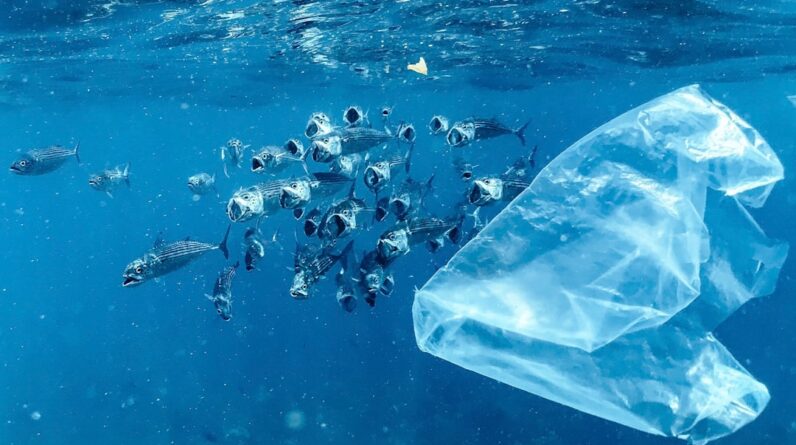
Hosting ocean-safe gatherings is important because it helps to reduce the amount of plastic and other waste that ends up in the ocean, which can harm marine life and ecosystems. By making small changes to our party habits, we can contribute to a healthier ocean and planet.