As you navigate through the complexities of modern life, you may have noticed an increasing urgency surrounding the topic of global warming. This phenomenon, characterized by the gradual increase in Earth’s average temperature due to human activities, poses significant threats to ecosystems, weather patterns, and human health. The consequences of global warming are not just distant concerns; they are manifesting in real-time through extreme weather events, rising sea levels, and shifting agricultural zones.
The need for innovative solutions has never been more pressing, as traditional methods of addressing climate change have proven insufficient in reversing the damage already done. You might wonder what innovative solutions can be implemented to combat this pressing issue. The answer lies in a multifaceted approach that combines technology, policy changes, and community engagement.
By harnessing the power of human ingenuity and creativity, we can develop strategies that not only mitigate the effects of global warming but also pave the way for a sustainable future. This article will explore various technological advancements and innovative practices that hold promise in the fight against climate change, emphasizing the importance of collective action and forward-thinking solutions.
Key Takeaways
- Global warming is a pressing issue that requires innovative solutions to combat its effects on the environment and human health.
- Technology plays a crucial role in addressing global warming by providing sustainable and efficient solutions for energy production and consumption.
- Renewable energy sources such as solar, wind, and hydro power have a significant impact on reducing carbon emissions and mitigating the effects of global warming.
- Smart grid technology improves energy efficiency and enables better management of energy resources, contributing to the fight against global warming.
- Big data and AI are valuable tools for climate modeling and prediction, helping to understand and address the impacts of global warming on a larger scale.
The Role of Technology in Combating Global Warming
In your quest to understand how technology can play a pivotal role in combating global warming, you may find it fascinating to explore the myriad ways in which innovation is reshaping our approach to environmental challenges. From renewable energy systems to advanced data analytics, technology offers a toolbox of solutions that can help reduce greenhouse gas emissions and promote sustainability. One of the most significant contributions of technology is its ability to enhance efficiency across various sectors, thereby minimizing waste and optimizing resource use.
As you delve deeper into this topic, consider how technological advancements have revolutionized energy production and consumption. For instance, smart meters and energy management systems allow consumers to monitor their energy usage in real-time, empowering them to make informed decisions about their consumption patterns. Additionally, innovations in battery storage technology enable the integration of renewable energy sources into the grid, ensuring a stable supply while reducing reliance on fossil fuels.
By embracing these technological advancements, you can contribute to a more sustainable future while also benefiting from increased efficiency and cost savings.
Renewable Energy Sources and Their Impact on Reducing Carbon Emissions

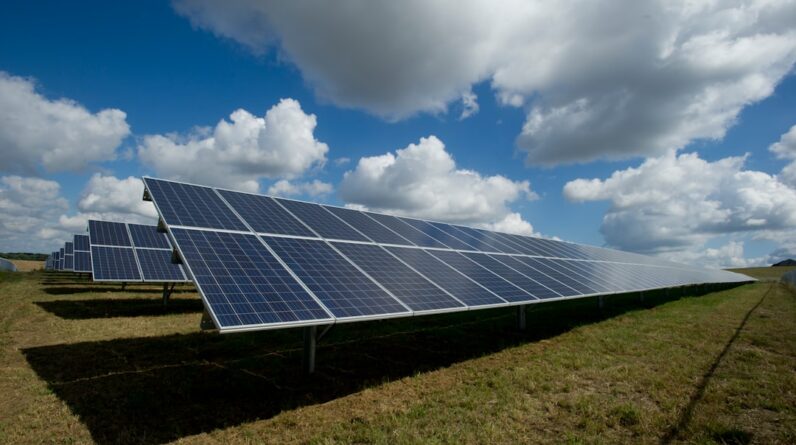
When you think about renewable energy sources, you might envision solar panels glistening under the sun or wind turbines gracefully spinning on a hillside. These technologies are not just symbols of progress; they represent a fundamental shift in how we generate power. By harnessing natural resources such as sunlight, wind, and water, renewable energy sources provide a viable alternative to fossil fuels, which are the primary culprits behind carbon emissions and global warming.
As you explore this topic further, you’ll discover that transitioning to renewable energy is not only essential for reducing emissions but also offers numerous economic and social benefits. The impact of renewable energy on carbon emissions is profound. For instance, solar energy systems can significantly reduce reliance on coal-fired power plants, which are notorious for their high emissions.
Wind energy has also emerged as a leading player in the renewable sector, with large-scale wind farms generating clean electricity for millions of homes. As you consider these developments, it’s important to recognize that the shift toward renewable energy is not merely an environmental imperative; it also creates jobs, stimulates local economies, and enhances energy security. By supporting policies that promote renewable energy adoption, you can play a role in fostering a cleaner and more sustainable world.
Smart Grid Technology and Its Contribution to Energy Efficiency
As you explore the concept of smart grid technology, you may find it intriguing how this innovation is transforming the way we manage electricity distribution. A smart grid integrates digital technology into the traditional electrical grid, allowing for real-time monitoring and management of energy flow. This advancement not only enhances reliability but also promotes energy efficiency by enabling better demand response strategies.
For you as a consumer, this means greater control over your energy usage and potential cost savings on your utility bills. The benefits of smart grid technology extend beyond individual households; they also have far-reaching implications for entire communities and regions. By facilitating the integration of renewable energy sources and enabling decentralized energy production, smart grids contribute to a more resilient and sustainable energy system.
As you consider the potential of this technology, think about how it empowers consumers to make informed choices about their energy consumption while simultaneously reducing overall carbon emissions. Embracing smart grid technology is a crucial step toward achieving a more efficient and environmentally friendly energy landscape.
The Use of Big Data and AI in Climate Modeling and Prediction
In your exploration of innovative solutions to combat global warming, you may be intrigued by the role of big data and artificial intelligence (AI) in climate modeling and prediction. These technologies have revolutionized our understanding of climate systems by enabling researchers to analyze vast amounts of data from various sources, including satellite imagery, weather stations, and ocean buoys. By leveraging big data analytics, scientists can identify patterns and trends that inform climate models, allowing for more accurate predictions about future climate scenarios.
As you delve deeper into this topic, consider how AI enhances our ability to respond to climate change effectively. Machine learning algorithms can process complex datasets at unprecedented speeds, enabling researchers to simulate various climate scenarios and assess the potential impacts of different mitigation strategies. This capability is invaluable for policymakers seeking to make informed decisions about climate action.
By harnessing the power of big data and AI, you can contribute to a more nuanced understanding of climate change and support efforts aimed at developing effective solutions.
Carbon Capture and Storage Technologies for Reducing Greenhouse Gas Emissions

As you contemplate the challenges posed by greenhouse gas emissions, carbon capture and storage (CCS) technologies emerge as a promising solution. CCS involves capturing carbon dioxide emissions from industrial processes or power generation before they enter the atmosphere and storing them underground or utilizing them in various applications. This innovative approach has the potential to significantly reduce emissions from some of the most polluting sectors while allowing for continued economic activity.
You might find it fascinating that CCS technologies are already being implemented in various parts of the world. For instance, some power plants have adopted carbon capture systems that can capture up to 90% of their CO2 emissions. Additionally, research is ongoing into utilizing captured carbon for enhanced oil recovery or converting it into useful products like building materials or fuels.
As you consider these developments, it’s essential to recognize that while CCS is not a silver bullet for climate change, it represents a critical tool in our arsenal for reducing greenhouse gas emissions and transitioning toward a more sustainable future.
Sustainable Transportation Solutions: Electric Vehicles and Public Transportation
When you think about transportation’s role in contributing to global warming, it becomes clear that innovative solutions are needed to reduce emissions from this sector. Electric vehicles (EVs) have gained significant traction in recent years as a cleaner alternative to traditional gasoline-powered cars. By utilizing electricity as their primary fuel source, EVs produce zero tailpipe emissions, making them an essential component of efforts to combat climate change.
As you consider adopting an electric vehicle or supporting policies that promote their use, you’ll be contributing to a cleaner transportation landscape. Public transportation also plays a vital role in reducing carbon emissions associated with travel. By encouraging people to use buses, trains, or subways instead of individual cars, cities can significantly decrease traffic congestion and lower overall emissions.
As you explore sustainable transportation options in your community, think about how investing in public transit infrastructure can lead to more efficient land use and improved air quality. By prioritizing sustainable transportation solutions, you can help create a more connected and environmentally friendly urban environment.
The Importance of Green Building and Smart City Technologies in Reducing Carbon Footprint
As you reflect on the built environment’s impact on global warming, green building practices emerge as a crucial strategy for reducing carbon footprints. Green buildings are designed with sustainability in mind, incorporating energy-efficient materials, renewable energy systems, and water-saving technologies. By prioritizing environmentally friendly construction methods, you can contribute to reducing resource consumption while creating healthier living spaces.
Smart city technologies further enhance sustainability efforts by integrating digital solutions into urban planning and infrastructure management. These technologies enable cities to optimize resource use, improve waste management systems, and enhance public services through data-driven decision-making. As you consider the potential of smart city initiatives in your community, think about how they can foster greater resilience against climate change while improving quality of life for residents.
By advocating for green building practices and smart city technologies, you can play an active role in shaping a more sustainable future for generations to come. In conclusion, addressing global warming requires innovative solutions that leverage technology across various sectors. From renewable energy sources to smart grid technology and sustainable transportation options, each strategy plays a vital role in mitigating climate change impacts.
By engaging with these advancements and advocating for sustainable practices in your community, you can contribute to a collective effort aimed at creating a healthier planet for all.
Innovative Solutions: How Technology Can Help Combat Global Warming is a crucial topic in today’s world. One related article that complements this discussion is How Does Planting Trees Help Climate Change?. This article delves into the importance of reforestation and afforestation in mitigating the effects of climate change. By planting trees, we can sequester carbon dioxide from the atmosphere and create healthier ecosystems that contribute to combating global warming. This article highlights the significant role that nature-based solutions play in addressing environmental challenges.
FAQs
What is global warming?
Global warming refers to the long-term increase in Earth’s average surface temperature due to human activities, primarily the release of greenhouse gases such as carbon dioxide and methane.
How can technology help combat global warming?
Technology can help combat global warming by reducing greenhouse gas emissions, increasing energy efficiency, promoting renewable energy sources, and developing innovative solutions for sustainable living.
What are some examples of technology that can help combat global warming?
Examples of technology that can help combat global warming include electric vehicles, solar panels, wind turbines, energy-efficient appliances, smart grid systems, carbon capture and storage, and sustainable building materials.
How can technology promote sustainable living practices?
Technology can promote sustainable living practices by providing tools and resources for energy conservation, waste reduction, water conservation, sustainable agriculture, and eco-friendly transportation options.
What are the benefits of using technology to combat global warming?
The benefits of using technology to combat global warming include reducing greenhouse gas emissions, mitigating the impacts of climate change, creating new economic opportunities, and improving public health and well-being.