Overfishing is a pressing global issue that threatens the delicate balance of marine ecosystems. As you delve into the complexities of this phenomenon, you will discover that it is not merely a matter of catching too many fish; it encompasses a range of environmental, economic, and social factors that intertwine to create a significant challenge for our oceans. The relentless pursuit of fish to meet the demands of a growing population has led to the depletion of numerous fish species, disrupting food chains and altering habitats.
This unsustainable practice not only endangers marine biodiversity but also jeopardizes the livelihoods of communities that depend on fishing for their survival. As you explore the implications of overfishing, it becomes evident that its effects extend far beyond the immediate loss of fish stocks. The intricate web of life in the ocean is interconnected, and the decline of one species can have a ripple effect throughout the ecosystem.
Understanding overfishing requires a holistic approach, considering not just the fish themselves but also the myriad organisms that rely on them for sustenance. By examining the broader consequences of overfishing, you can appreciate the urgency of addressing this crisis and the need for sustainable practices that protect both marine life and human interests.
Key Takeaways
- Overfishing is the excessive harvesting of fish and other marine species, leading to depletion of their populations and disruption of marine ecosystems.
- Phytoplankton play a crucial role in oxygen production through photosynthesis, contributing to over 50% of the world’s oxygen supply.
- Overfishing can lead to a decrease in phytoplankton population, disrupting the balance of oxygen production in the ocean.
- Decreased oxygen levels can have cascading effects on marine life, leading to habitat loss, decreased biodiversity, and even dead zones in the ocean.
- Human impacts of decreased oxygen levels in the ocean include economic losses for fishing industries, as well as potential health risks for coastal communities.
The Role of Phytoplankton in Oxygen Production
Phytoplankton, often referred to as the ocean’s microscopic powerhouses, play a crucial role in maintaining the planet’s oxygen levels. These tiny organisms, which drift in the sunlit upper layers of the ocean, are responsible for producing approximately 50% of the Earth’s oxygen through photosynthesis. As you consider their significance, it becomes clear that phytoplankton are not just a food source for marine life; they are essential contributors to the global oxygen supply.
Their ability to convert sunlight and carbon dioxide into energy is fundamental to sustaining life on Earth. In addition to oxygen production, phytoplankton serve as the foundation of the marine food web. They are consumed by zooplankton, which in turn are eaten by larger fish and marine mammals.
This intricate relationship highlights the importance of phytoplankton not only in oxygen generation but also in supporting diverse marine ecosystems. As you reflect on their role, you may begin to understand how any disruption to phytoplankton populations can have far-reaching consequences for both marine life and human beings.
Impact of Overfishing on Phytoplankton Population
The relationship between overfishing and phytoplankton populations is complex and multifaceted. As you investigate this connection, you will find that overfishing can lead to significant changes in marine ecosystems that ultimately affect phytoplankton health. For instance, when large predatory fish are removed from the ocean, it can result in an overabundance of smaller fish and zooplankton that feed on phytoplankton.
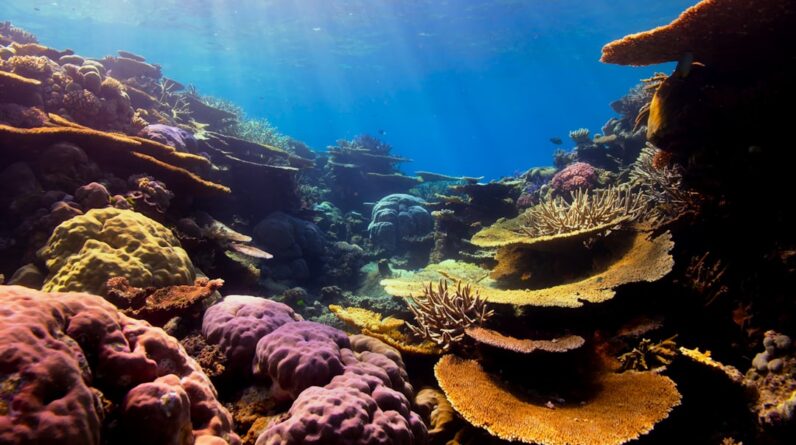
This imbalance can lead to increased grazing pressure on phytoplankton populations, potentially causing declines in their numbers. Moreover, overfishing often leads to habitat destruction, particularly in coastal areas where fishing practices can damage vital ecosystems such as coral reefs and seagrass beds. These habitats provide essential support for phytoplankton growth by offering nutrients and shelter.
When these environments are compromised, phytoplankton may struggle to thrive, further exacerbating their decline. As you consider these factors, it becomes clear that overfishing poses a direct threat to phytoplankton populations, which in turn jeopardizes the entire marine ecosystem.
Cascading Effects on Oxygen Levels
The decline of phytoplankton due to overfishing has profound implications for global oxygen levels. As you contemplate this issue, it is important to recognize that reduced phytoplankton populations directly translate to decreased oxygen production. With fewer phytoplankton available to perform photosynthesis, the amount of oxygen released into the atmosphere diminishes, creating a potential crisis for both marine and terrestrial life.
This reduction in oxygen levels can lead to hypoxic conditions—areas where oxygen is scarce—affecting not only aquatic organisms but also those who rely on healthy oceans for their livelihoods. Furthermore, the cascading effects of decreased oxygen levels extend beyond immediate marine life. As oxygen levels drop, larger fish and marine mammals may be forced to migrate to more oxygen-rich waters, disrupting established ecosystems and leading to further imbalances.
The loss of biodiversity resulting from these changes can have long-term consequences for ocean health and resilience. As you reflect on these cascading effects, it becomes increasingly clear that addressing overfishing is essential not only for preserving fish populations but also for maintaining the delicate balance of oxygen production in our oceans.
Consequences for Marine Life
The consequences of overfishing extend far beyond the depletion of fish stocks; they reverberate throughout marine ecosystems, impacting a wide array of species. As you explore this topic further, you will find that many marine organisms depend on healthy fish populations for their survival. For example, seabirds rely on fish as a primary food source, while larger predators such as sharks and dolphins depend on a balanced ecosystem to thrive.
When overfishing disrupts these relationships, it can lead to declines in various species and even contribute to the extinction of vulnerable populations. Additionally, the loss of biodiversity resulting from overfishing can create a less resilient ecosystem. Healthy marine environments are characterized by a diverse array of species that contribute to stability and adaptability.
When certain species are removed from the equation, it can lead to an increase in harmful algal blooms or other imbalances that further threaten marine life. As you consider these consequences, it becomes evident that protecting fish populations is not just about preserving individual species; it is about safeguarding the entire marine ecosystem and ensuring its long-term health.
Human Impacts of Decreased Oxygen Levels
The implications of decreased oxygen levels in our oceans extend beyond marine life; they also pose significant challenges for human populations. As you examine this issue, you will discover that many coastal communities rely on healthy oceans for their livelihoods through fishing and tourism. When oxygen levels drop due to overfishing and its impact on phytoplankton populations, it can lead to fish kills and declines in commercially important species.
This not only threatens food security but also jeopardizes jobs and economic stability in these communities. Moreover, decreased oxygen levels can have broader environmental impacts that affect human health and well-being. Hypoxic conditions can lead to dead zones—areas where aquatic life cannot survive—resulting in diminished water quality and increased pollution levels.
These changes can affect recreational activities such as swimming and fishing, further impacting local economies. As you reflect on these human impacts, it becomes clear that addressing overfishing is not just an environmental concern; it is a matter of social justice and economic sustainability.
Solutions to Overfishing and Oxygen Production
Addressing the issue of overfishing requires a multifaceted approach that involves collaboration among governments, communities, and individuals. As you consider potential solutions, one effective strategy is the implementation of sustainable fishing practices. This includes establishing catch limits based on scientific research, promoting responsible fishing methods that minimize bycatch, and creating marine protected areas where ecosystems can thrive without human interference.
By adopting these practices, we can help restore fish populations and support healthier marine environments. In addition to sustainable fishing practices, raising awareness about the importance of phytoplankton and their role in oxygen production is crucial. Education campaigns can empower individuals to make informed choices about seafood consumption and advocate for policies that protect marine ecosystems.
Supporting organizations dedicated to ocean conservation can also amplify efforts to combat overfishing and promote sustainable practices globally. As you explore these solutions, remember that collective action is essential; every individual has a role to play in safeguarding our oceans for future generations.
Conclusion and Call to Action
In conclusion, overfishing presents a significant threat not only to fish populations but also to phytoplankton health, oxygen levels, and ultimately the well-being of marine life and human communities alike. As you reflect on this interconnected web of challenges, it becomes clear that urgent action is needed to address this crisis. By understanding the implications of overfishing and advocating for sustainable practices, you can contribute to a healthier ocean ecosystem.
Now is the time for you to take action—whether by supporting sustainable seafood initiatives, participating in local conservation efforts, or simply spreading awareness about the importance of protecting our oceans. Together, we can work towards a future where both marine life and human communities thrive in harmony with nature. The health of our planet depends on our collective commitment to preserving its precious resources; let us rise to this challenge with determination and purpose.
Overfishing not only impacts marine life but also has a direct effect on the oxygen production of our oceans. As fish populations decline, the balance of the marine ecosystem is disrupted, leading to a decrease in the amount of oxygen produced by phytoplankton. This article on the disadvantages of planting trees for climate change explores how human activities can have unintended consequences on the environment and emphasizes the importance of considering the long-term effects of our actions on the planet. Just as overfishing can harm the oxygen production of our oceans, planting trees without proper planning and management can also have negative impacts on the environment.
FAQs
What is overfishing?
Overfishing is the act of catching fish at a rate faster than they can reproduce, leading to a depletion of fish stocks and potential ecosystem collapse.
How does overfishing affect the oxygen production of our oceans?
Overfishing can disrupt the balance of marine ecosystems, leading to a decrease in the population of certain species of fish. This can result in an imbalance in the food chain and a decrease in the overall productivity of the ocean, including the production of oxygen through processes like photosynthesis.
What role do fish play in oxygen production in the oceans?
Fish play a crucial role in the ocean’s ecosystem as they contribute to the cycling of nutrients and the production of oxygen. Phytoplankton, which are a primary source of oxygen in the ocean, rely on nutrients that are recycled through the excretion and decomposition of fish.
How does the decrease in fish population affect the oxygen levels in the ocean?
The decrease in fish population can lead to a decrease in the recycling of nutrients, which in turn can impact the growth of phytoplankton and other oxygen-producing organisms. This can ultimately lead to a decrease in the overall oxygen levels in the ocean.
What are the potential consequences of decreased oxygen levels in the ocean?
Decreased oxygen levels in the ocean can lead to the disruption of marine ecosystems, including the decline of fish populations and the loss of biodiversity. This can also lead to the formation of dead zones, where oxygen levels are too low to support most marine life.