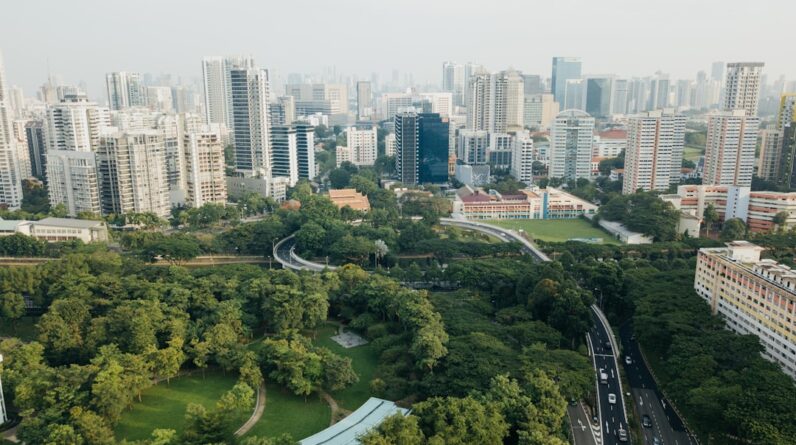
As you navigate through bustling city streets, you may notice the heat radiating from asphalt and concrete, a phenomenon known as urban heat. This effect is exacerbated by pollution, which not only affects air quality but also contributes to the overall discomfort of urban living. Urban heat islands, areas where temperatures are significantly higher than their rural surroundings, are a growing concern in metropolitan areas worldwide.
The combination of heat and pollution creates a challenging environment for residents, impacting health, comfort, and even local ecosystems. The sources of urban heat and pollution are multifaceted. Industrial activities, vehicular emissions, and energy consumption all contribute to the rising temperatures and deteriorating air quality in cities.
As you breathe in the air filled with pollutants, it becomes evident that the urban environment is not just a backdrop for daily life but a complex system that requires careful management. Understanding the interplay between urban heat and pollution is crucial for developing effective strategies to mitigate their effects and improve the quality of life in urban settings.
Key Takeaways
- Urban heat and pollution are major environmental issues that impact the health and well-being of urban populations.
- Deforestation exacerbates urban heat and pollution by reducing the natural cooling and air purifying effects of trees and vegetation.
- Reforestation plays a crucial role in combating urban heat and pollution by reintroducing trees and green spaces to urban areas.
- Urban reforestation brings numerous benefits, including improved air quality, reduced heat island effect, and enhanced biodiversity.
- Successful urban reforestation projects demonstrate the potential for positive environmental and social impact, but also face challenges and obstacles that require community involvement and support.
The Impact of Deforestation on Urban Areas
Deforestation is often viewed as a rural issue, but its repercussions extend far into urban landscapes. As trees are removed to make way for development, you may notice a stark increase in temperatures and a decline in air quality. Trees play a vital role in regulating temperature by providing shade and releasing moisture into the air through a process called transpiration.
When these natural air conditioners are stripped away, cities become more susceptible to the heat generated by human activities. Moreover, the loss of green spaces due to deforestation can lead to increased stormwater runoff and flooding. Without trees to absorb rainfall, you may find that urban areas struggle to manage water effectively, leading to infrastructure damage and increased pollution in waterways.
The absence of vegetation also diminishes biodiversity, as many species rely on urban green spaces for habitat. This loss not only affects wildlife but also diminishes the aesthetic and recreational value of urban areas, making them less appealing places to live.
The Role of Reforestation in Combatting Urban Heat and Pollution
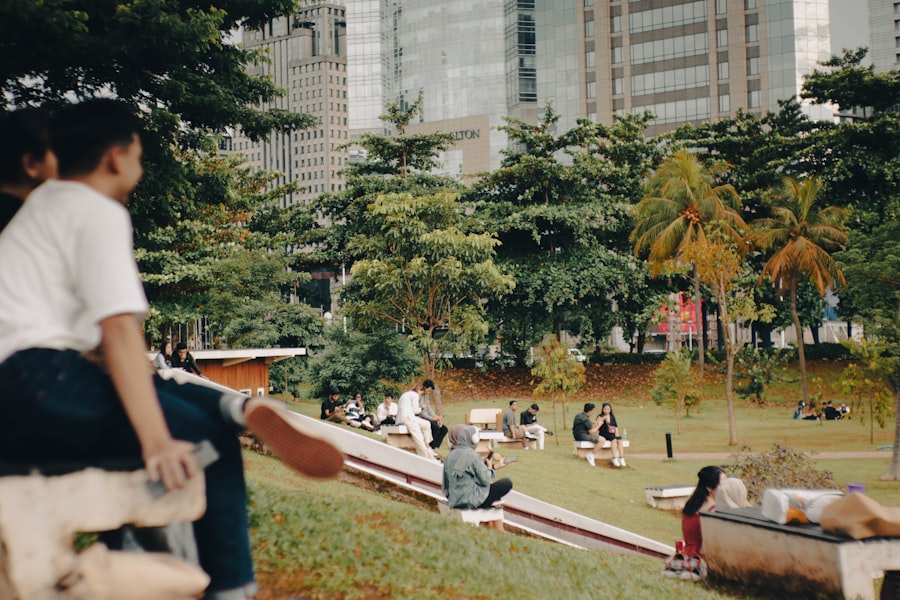
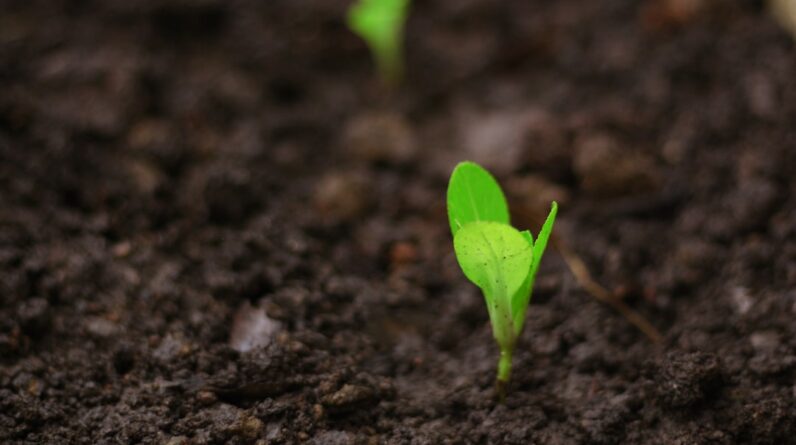
Reforestation emerges as a powerful tool in the fight against urban heat and pollution. By reintroducing trees into urban environments, you can help restore balance to the ecosystem. Trees act as natural air filters, absorbing carbon dioxide and releasing oxygen while capturing particulate matter from the air.
This process not only improves air quality but also contributes to cooling the surrounding area, mitigating the effects of urban heat islands. In addition to their environmental benefits, reforestation projects can enhance the overall livability of cities. As you walk through neighborhoods adorned with trees, you may feel a sense of tranquility that is often absent in concrete-dominated landscapes.
Parks and green corridors provide spaces for recreation and relaxation, fostering community engagement and improving mental well-being. By investing in reforestation efforts, cities can create healthier environments that promote both physical and psychological health for their residents.
Benefits of Urban Reforestation
The benefits of urban reforestation extend beyond mere aesthetics; they encompass a wide range of ecological, social, and economic advantages. One significant benefit is the reduction of urban heat. As trees provide shade and release moisture into the atmosphere, they can lower temperatures significantly, making outdoor spaces more comfortable for you and your fellow city dwellers.
This cooling effect can lead to decreased energy consumption as well, as residents rely less on air conditioning during hot months. Furthermore, urban reforestation contributes to improved air quality by filtering pollutants and capturing carbon emissions. As you breathe cleaner air, you may notice a decrease in respiratory issues and other health problems associated with pollution.
Additionally, green spaces can enhance property values and attract businesses, leading to economic growth within communities. The presence of trees can also encourage outdoor activities, promoting a healthier lifestyle among residents. In essence, urban reforestation serves as a multifaceted solution that addresses environmental challenges while enriching urban life.
Successful Examples of Urban Reforestation Projects
Across the globe, numerous cities have embarked on successful urban reforestation projects that serve as inspiring examples for others to follow. One notable case is New York City’s MillionTreesNYC initiative, which aimed to plant one million trees across the five boroughs by 2017. This ambitious project not only beautified neighborhoods but also significantly improved air quality and reduced heat in various areas.
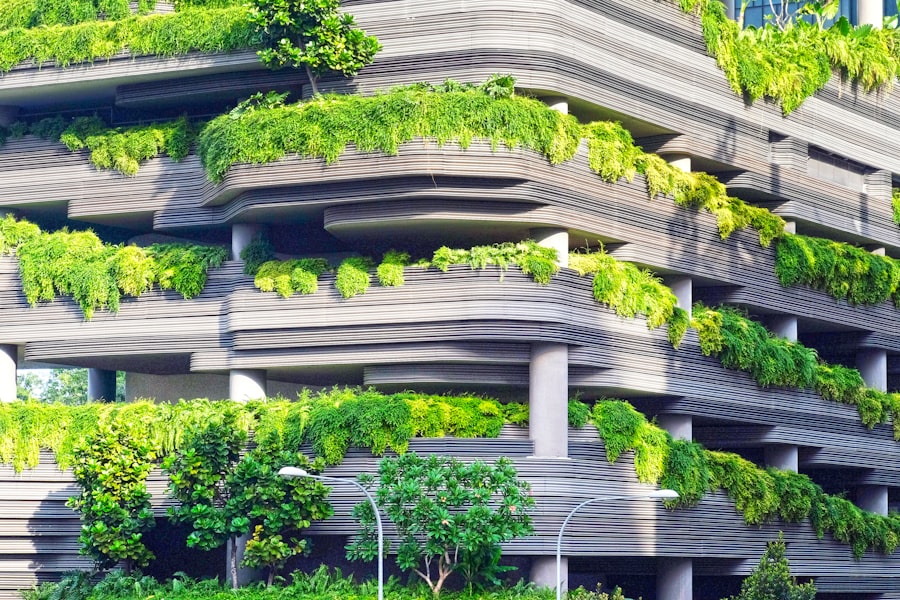
As you stroll through parks and streets lined with trees in New York City today, you can appreciate the long-term benefits of this initiative. Another exemplary project is Singapore’s Gardens by the Bay, which showcases how innovative design can integrate nature into urban settings. This iconic garden features towering Supertrees that not only serve as vertical gardens but also function as air filtration systems.
By blending nature with technology, Singapore has created a unique urban environment that enhances biodiversity while providing residents with green spaces to enjoy. These successful projects highlight the potential for urban reforestation to transform cities into healthier and more sustainable places to live.
Challenges and Obstacles in Urban Reforestation
Despite the clear benefits of urban reforestation, several challenges hinder its widespread implementation. One significant obstacle is space; as cities continue to grow and develop, available land for planting trees becomes increasingly scarce. You may find that many urban areas prioritize infrastructure development over green space creation, leading to a lack of suitable locations for new trees.
Additionally, funding can be a major barrier to successful reforestation efforts. Many municipalities struggle with budget constraints that limit their ability to invest in tree planting initiatives. Without adequate financial resources, it becomes difficult to maintain existing trees or implement new projects effectively.
Furthermore, public awareness and support are crucial for the success of reforestation initiatives; without community buy-in, efforts may falter or fail altogether. Addressing these challenges requires collaboration among government agencies, non-profit organizations, and local communities to create sustainable solutions.
Community Involvement in Urban Reforestation
Community involvement plays a pivotal role in the success of urban reforestation projects. When residents actively participate in tree planting and maintenance efforts, they develop a sense of ownership over their environment. You may find that local volunteer groups often organize tree-planting events or educational workshops that engage citizens in understanding the importance of green spaces.
This grassroots involvement fosters a culture of stewardship that can lead to long-term commitment to maintaining urban forests. Moreover, community engagement can help identify specific needs within neighborhoods when it comes to reforestation efforts. By involving residents in decision-making processes, cities can ensure that tree planting initiatives align with local priorities and preferences.
This collaborative approach not only enhances the effectiveness of reforestation projects but also strengthens community bonds as people come together for a common cause. Ultimately, when communities unite around the goal of enhancing their environment through reforestation, they create lasting change that benefits everyone.
The Future of Urban Reforestation
As you reflect on the importance of urban reforestation in addressing heat and pollution challenges, it becomes clear that this initiative holds immense potential for transforming cities into healthier spaces for all residents. The future of urban living depends on our ability to integrate nature into our built environments effectively. By prioritizing tree planting and green space development, cities can combat climate change while enhancing the quality of life for their inhabitants.
Looking ahead, it is essential for policymakers, community leaders, and citizens like yourself to advocate for sustainable practices that prioritize reforestation efforts. By fostering collaboration among various stakeholders and investing in innovative solutions, we can create vibrant urban ecosystems that thrive alongside human development. The journey toward greener cities may be fraught with challenges, but with determination and collective action, you can contribute to a future where urban environments are not only livable but also flourishing with life and vitality.
If you are interested in learning more about how reforestation helps combat environmental issues, you may want to check out the article How Does Reforestation Help the Environment. This article delves deeper into the various ways in which planting trees can have a positive impact on our planet, from improving air quality to providing habitats for wildlife. By understanding the importance of reforestation, we can work towards creating a healthier and more sustainable future for all.
FAQs
What is reforestation?
Reforestation is the process of planting trees in areas where forests have been depleted or destroyed. It aims to restore the ecological balance and increase the forest cover.
How does reforestation combat urban heat?
Reforestation helps combat urban heat by providing shade and cooling effects. Trees release water vapor through a process called transpiration, which cools the surrounding air. This can help reduce the urban heat island effect in cities.
How does reforestation combat pollution?
Reforestation helps combat pollution by absorbing and filtering air pollutants. Trees can capture and store harmful pollutants such as carbon dioxide, sulfur dioxide, and nitrogen dioxide, improving air quality in urban areas.
What are the other benefits of reforestation?
Reforestation provides numerous benefits, including biodiversity conservation, soil erosion prevention, water conservation, and carbon sequestration. It also contributes to the overall well-being of ecosystems and communities.