
As you delve into the realm of environmental conservation, you may encounter the Indigenous Stewardship Model, a framework that emphasizes the profound connection between Indigenous peoples and their ancestral lands. This model is rooted in the understanding that Indigenous communities have been managing and caring for their environments for thousands of years, often with a deep spiritual and cultural connection to the land. The stewardship practices of these communities are not merely about resource management; they encompass a holistic approach that integrates ecological knowledge, cultural traditions, and community well-being.
By recognizing the value of this model, you can appreciate how it offers innovative solutions to contemporary environmental challenges. The Indigenous Stewardship Model stands in stark contrast to conventional conservation methods that often prioritize economic gain over ecological balance. In many cases, these traditional practices have been overlooked or dismissed by mainstream environmental policies.
However, as you explore the growing recognition of Indigenous rights and knowledge systems, you will find that integrating these perspectives into modern conservation efforts can lead to more sustainable outcomes. This model not only respects the wisdom of Indigenous peoples but also fosters a collaborative approach to environmental stewardship that benefits both nature and communities.
Key Takeaways
- Indigenous stewardship model emphasizes the importance of traditional knowledge and cultural preservation in reforestation efforts.
- Traditional knowledge plays a crucial role in reforestation by guiding sustainable practices and species selection.
- Indigenous communities are key players in modern reforestation, contributing valuable knowledge and expertise.
- Successful case studies of indigenous stewardship projects demonstrate the effectiveness of traditional approaches in reforestation.
- Challenges to incorporating traditional knowledge in reforestation include lack of recognition and support, as well as cultural barriers.
Traditional Knowledge in Reforestation
When considering reforestation efforts, it is essential to acknowledge the wealth of traditional knowledge that Indigenous communities possess. This knowledge is often passed down through generations and encompasses a deep understanding of local ecosystems, plant species, and seasonal cycles. As you learn about these practices, you will discover that Indigenous peoples have developed sophisticated methods for nurturing forests that are tailored to their specific environments.
This includes techniques for seed selection, planting, and maintenance that have been honed over centuries. Moreover, traditional ecological knowledge (TEK) plays a crucial role in identifying which species are best suited for reforestation in a given area. You may find that Indigenous communities often prioritize native species that are not only resilient but also culturally significant.
This approach not only enhances biodiversity but also ensures that the reforested areas can support local wildlife and provide resources for future generations. By valuing and incorporating this traditional knowledge into modern reforestation initiatives, you can help create more effective and culturally relevant strategies for restoring ecosystems.
The Role of Indigenous Communities in Modern Reforestation
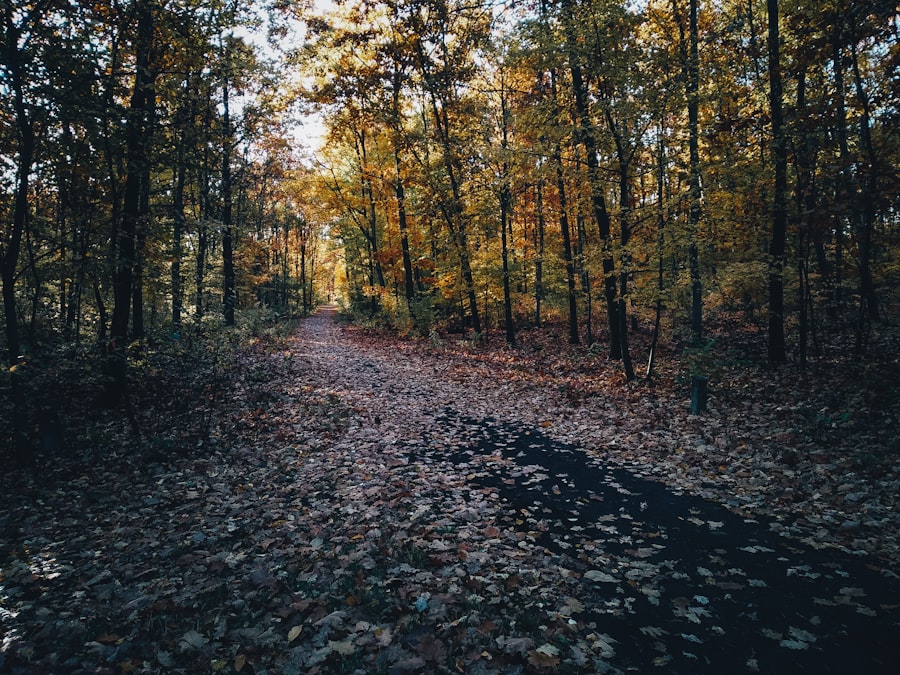
As you explore the role of Indigenous communities in modern reforestation efforts, it becomes clear that their involvement is not just beneficial but essential. These communities often serve as stewards of vast tracts of land, possessing an intimate understanding of their ecosystems that is unparalleled. Their active participation in reforestation projects can lead to more successful outcomes, as they bring unique insights into local conditions and challenges.
You may find that when Indigenous peoples are engaged in decision-making processes, the resulting initiatives are more likely to reflect the needs and values of the community. Furthermore, Indigenous communities often have a vested interest in the health of their environments, as their livelihoods and cultural practices are closely tied to the land. By empowering these communities to take the lead in reforestation efforts, you can help ensure that projects are not only ecologically sound but also socially equitable.
This collaborative approach fosters a sense of ownership and responsibility among community members, which can lead to long-term commitment to the health of their forests. As you consider the future of reforestation, it is vital to recognize the indispensable role that Indigenous communities play in shaping sustainable practices.
Case Studies of Successful Indigenous Stewardship Projects
Examining case studies of successful Indigenous stewardship projects can provide valuable insights into the effectiveness of integrating traditional knowledge into reforestation efforts. One notable example is the work being done by the Māori in New Zealand, who have implemented innovative reforestation initiatives that honor their cultural heritage while addressing environmental degradation. You may find that these projects focus on restoring native forests and wetlands, utilizing traditional planting techniques and species selection that align with Māori values.
The success of these initiatives demonstrates how Indigenous stewardship can lead to thriving ecosystems and revitalized cultural practices. Another compelling case study is found in Canada, where various First Nations have taken proactive steps to restore forests impacted by logging and climate change. By employing traditional ecological knowledge alongside modern scientific methods, these communities have developed comprehensive reforestation strategies that prioritize biodiversity and resilience.
As you explore these examples, you will see how Indigenous-led projects not only contribute to ecological restoration but also empower communities economically and socially. These case studies serve as powerful reminders of the potential for collaboration between Indigenous peoples and conservationists in achieving shared goals.
Challenges and Barriers to Incorporating Traditional Knowledge in Reforestation
Despite the clear benefits of incorporating traditional knowledge into reforestation efforts, several challenges and barriers persist. One significant obstacle is the historical marginalization of Indigenous voices in environmental decision-making processes. You may find that many conservation initiatives have been designed without adequate consultation with Indigenous communities, leading to a disconnect between project goals and local needs.
This lack of representation can result in mistrust and reluctance among Indigenous peoples to engage with external organizations. Additionally, there are often legal and bureaucratic hurdles that hinder the integration of traditional knowledge into formal reforestation frameworks. You might encounter situations where land rights issues complicate collaboration between Indigenous communities and government agencies or NGOs.
These challenges underscore the importance of fostering respectful partnerships that prioritize Indigenous sovereignty and self-determination. By addressing these barriers head-on, you can contribute to creating an environment where traditional knowledge is valued and integrated into reforestation efforts.
Collaboration and Partnerships between Indigenous Communities and Conservation Organizations
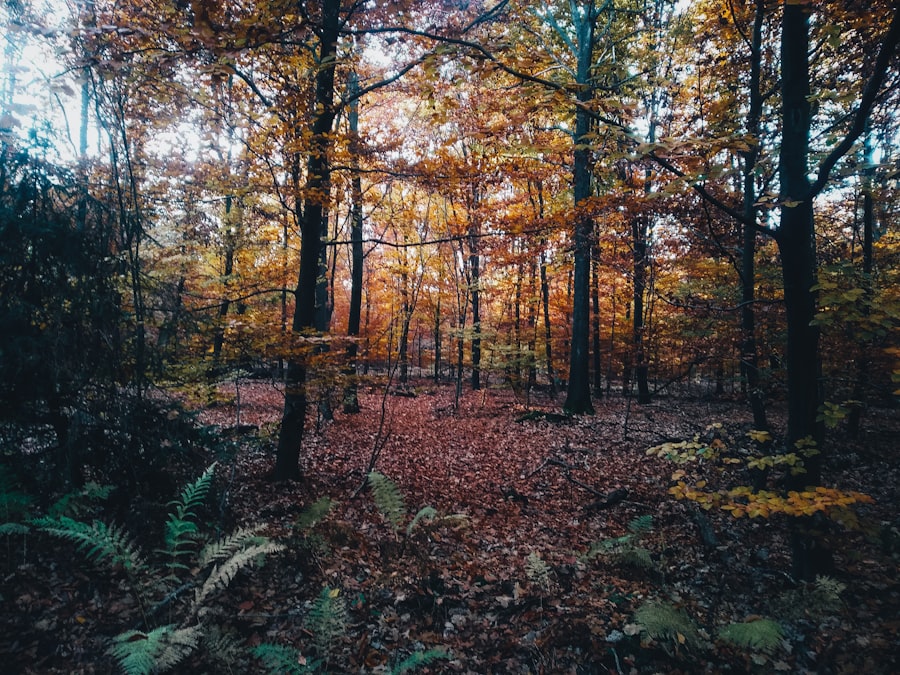
Building effective collaborations between Indigenous communities and conservation organizations is essential for advancing reforestation initiatives that honor traditional knowledge. As you explore this topic, you will discover that successful partnerships are built on mutual respect, trust, and shared goals. It is crucial for conservation organizations to approach Indigenous communities with humility and a willingness to learn from their experiences.
By actively listening to community members and valuing their input, you can help create a foundation for meaningful collaboration. Moreover, these partnerships can take many forms, from co-management agreements to joint research projects. You may find that involving Indigenous peoples in all stages of project development—from planning to implementation—leads to more successful outcomes.
By fostering an inclusive approach that recognizes the expertise of both parties, you can help bridge the gap between traditional ecological knowledge and contemporary conservation practices. Ultimately, these collaborations can serve as powerful models for integrating diverse perspectives into global reforestation efforts.
The Importance of Cultural Preservation in Reforestation Efforts
As you consider the intersection of reforestation and cultural preservation, it becomes evident that these two elements are deeply intertwined. For many Indigenous communities, forests are not just resources; they are integral to their cultural identity and spiritual beliefs. You may find that reforestation efforts that prioritize cultural preservation can lead to more meaningful engagement from community members.
By recognizing the significance of traditional practices and beliefs associated with land stewardship, you can help ensure that reforestation initiatives resonate with local values. Furthermore, cultural preservation plays a vital role in maintaining biodiversity within ecosystems. You might discover that many traditional practices promote sustainable land use and resource management, which can enhance ecological resilience.
By integrating cultural considerations into reforestation efforts, you can contribute to a holistic approach that respects both nature and heritage. This emphasis on cultural preservation not only enriches reforestation projects but also fosters a sense of pride and ownership among Indigenous peoples.
Future Opportunities for Integrating Indigenous Stewardship Model into Global Reforestation Initiatives
Looking ahead, there are numerous opportunities for integrating the Indigenous Stewardship Model into global reforestation initiatives. As awareness grows regarding the importance of traditional knowledge in environmental conservation, you may find an increasing number of organizations seeking to collaborate with Indigenous communities. This shift presents a unique opportunity for you to advocate for policies that support Indigenous rights and promote inclusive decision-making processes.
Additionally, advancements in technology can facilitate greater collaboration between Indigenous peoples and conservationists. You might explore how tools such as geographic information systems (GIS) can be used to map traditional land use patterns alongside ecological data, creating a more comprehensive understanding of local ecosystems. By harnessing these technologies while respecting traditional knowledge systems, you can help pave the way for innovative approaches to reforestation.
In conclusion, as you reflect on the potential of the Indigenous Stewardship Model in addressing global reforestation challenges, it becomes clear that embracing this approach is not just beneficial—it is essential for creating sustainable futures for both people and the planet. By valuing traditional knowledge, fostering collaboration, and prioritizing cultural preservation, you can contribute to a more equitable and effective path forward in environmental stewardship.
If you are interested in learning more about how planting trees can help the environment, check out the article How Does Planting Trees Help the Environment? on the Live Life with a Cause website. This article explores the various ways in which tree planting can benefit the environment and contribute to a healthier planet. It complements the Indigenous Stewardship Model by highlighting the importance of reforestation efforts in addressing environmental challenges.
FAQs
What is the Indigenous Stewardship Model?
The Indigenous Stewardship Model is a reforestation approach that integrates traditional indigenous knowledge and practices with modern reforestation techniques to restore and manage forest ecosystems.
How does the Indigenous Stewardship Model incorporate traditional knowledge?
The Indigenous Stewardship Model incorporates traditional knowledge by involving indigenous communities in decision-making processes, utilizing their knowledge of local ecosystems, and integrating their sustainable land management practices into reforestation efforts.
What are the benefits of using the Indigenous Stewardship Model in reforestation projects?
The Indigenous Stewardship Model can lead to more ecologically and culturally appropriate reforestation efforts, promote biodiversity conservation, support indigenous communities, and contribute to the preservation of traditional knowledge and practices.
How can the Indigenous Stewardship Model contribute to sustainable forest management?
The Indigenous Stewardship Model can contribute to sustainable forest management by fostering a holistic approach to reforestation that considers ecological, social, and cultural factors, and by promoting the long-term stewardship of forest ecosystems by indigenous communities.
Are there any successful examples of the Indigenous Stewardship Model being implemented?
Yes, there are successful examples of the Indigenous Stewardship Model being implemented in various regions around the world, where indigenous communities have played a key role in reforestation efforts and have demonstrated the effectiveness of integrating traditional knowledge with modern practices.