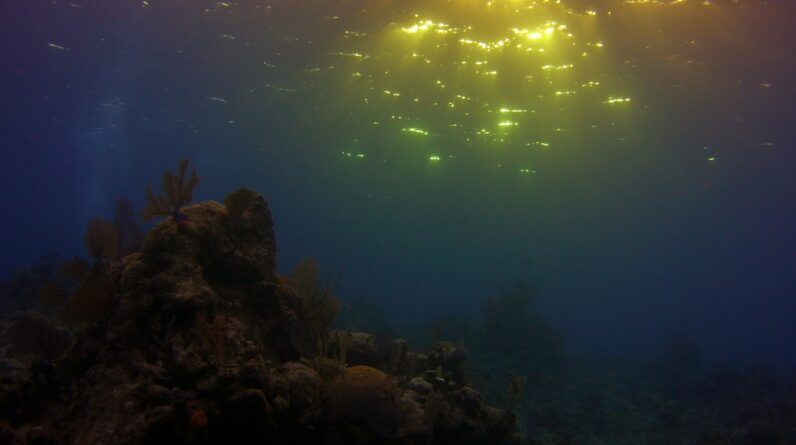
As you gaze out at the vast expanse of the ocean, it’s easy to overlook the critical role these waters play in sustaining life on Earth. Oceans are not just a beautiful backdrop for your beach vacations; they are vital ecosystems that produce a significant portion of the oxygen you breathe. In fact, it is estimated that oceans contribute around 50% to 80% of the world’s oxygen supply.
This staggering figure underscores the importance of understanding how oceans function and the myriad factors that influence their ability to produce oxygen. The oceans are often referred to as the lungs of our planet, and for good reason. They are home to a diverse array of marine life, including microscopic organisms that perform photosynthesis, which is the process that converts sunlight into energy while releasing oxygen as a byproduct.
As you delve deeper into the intricate relationship between oceans and oxygen production, you will discover that maintaining healthy ocean ecosystems is essential not only for marine life but also for your own well-being and that of future generations.
Key Takeaways
- Oceans are crucial for oxygen production, providing over half of the world’s oxygen through marine plants and phytoplankton.
- Marine plants and phytoplankton use photosynthesis to produce oxygen, a process that is essential for the survival of marine life and the balance of the Earth’s atmosphere.
- Human activities such as pollution, overfishing, and climate change are negatively impacting oceans and leading to declining oxygen levels.
- Ocean conservation is vital for maintaining oxygen production, as healthy oceans with thriving marine plants and phytoplankton are essential for sustaining oxygen levels.
- Sustainable ocean management is necessary to preserve oxygen levels and ensure the health of marine ecosystems, as declining oxygen levels can have severe consequences for marine life and the planet as a whole.
The Process of Oxygen Production in Oceans
The process of oxygen production in oceans is primarily driven by photosynthetic organisms, which harness sunlight to convert carbon dioxide and water into glucose and oxygen. This process occurs mainly in the upper layers of the ocean, where sunlight penetrates, allowing these organisms to thrive. Phytoplankton, tiny marine plants, are the most significant contributors to this process.
As you explore the ocean’s surface, you may not notice these microscopic powerhouses, but they are responsible for producing an astonishing amount of oxygen—more than all the world’s forests combined. In addition to phytoplankton, other marine plants such as seaweeds and seagrasses also play a role in oxygen production. These organisms not only contribute to the overall oxygen levels in the ocean but also provide essential habitats for various marine species.
The intricate web of life in the ocean is dependent on these plants, as they form the foundation of the marine food chain. Understanding this process is crucial for recognizing how interconnected our planet’s ecosystems are and how vital it is to protect them.
The Impact of Human Activities on Oceans and Oxygen Levels

As you consider the importance of oceans in oxygen production, it’s essential to acknowledge the impact of human activities on these vital ecosystems. Overfishing, pollution, and climate change are just a few of the ways in which human actions have disrupted the delicate balance of ocean health. For instance, excessive nutrient runoff from agricultural practices leads to algal blooms, which can deplete oxygen levels in the water and create dead zones where marine life cannot survive.
Moreover, climate change poses a significant threat to ocean health and oxygen production. Rising sea temperatures can affect the distribution and productivity of phytoplankton, while ocean acidification—caused by increased carbon dioxide absorption—can hinder their ability to photosynthesize effectively. As you reflect on these challenges, it becomes clear that your actions and choices can have far-reaching consequences for ocean ecosystems and their ability to produce oxygen.
The Role of Marine Plants and Phytoplankton in Oxygen Production
Marine plants and phytoplankton are often overlooked when discussing oxygen production, yet they are indispensable players in this process. Phytoplankton, which includes various species of algae and cyanobacteria, thrive in nutrient-rich waters and are responsible for a significant portion of global photosynthesis. As you learn more about these organisms, you will appreciate their remarkable adaptability and resilience in various marine environments.
In addition to phytoplankton, larger marine plants such as seagrasses and kelp forests also contribute to oxygen production. Seagrasses, found in shallow coastal waters, provide essential habitats for numerous marine species while producing oxygen through photosynthesis. Kelp forests, on the other hand, create underwater ecosystems that support diverse marine life.
By understanding the roles these plants play in oxygen production, you can better appreciate the importance of preserving their habitats and ensuring their continued survival.
The Connection Between Ocean Health and Oxygen Levels
The health of ocean ecosystems is intricately linked to their ability to produce oxygen. Healthy oceans support thriving populations of phytoplankton and other marine plants, which in turn contribute to higher oxygen levels. However, when human activities disrupt these ecosystems—through pollution or habitat destruction—the consequences can be dire.
As you consider this connection, it becomes evident that maintaining ocean health is not just an environmental concern; it is a matter of survival for all living beings on Earth. Furthermore, ocean health is influenced by various factors such as water temperature, salinity, and nutrient availability. Changes in any of these factors can impact phytoplankton growth and productivity.
For instance, warmer waters may lead to shifts in species composition or reduced nutrient availability, ultimately affecting oxygen production. By recognizing these interconnections, you can better understand the importance of advocating for policies that protect ocean ecosystems and promote sustainable practices.
The Importance of Ocean Conservation for Oxygen Production
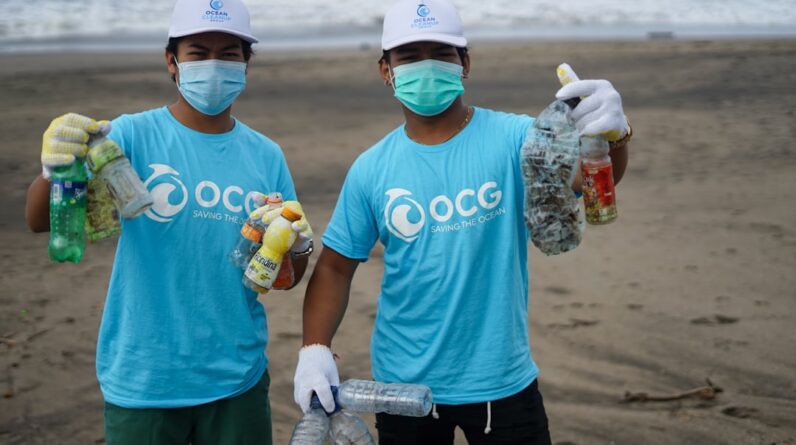
Ocean conservation is crucial for ensuring that oceans continue to produce the oxygen necessary for life on Earth. As you contemplate your role in this effort, consider how individual actions can contribute to broader conservation goals. Supporting sustainable fishing practices, reducing plastic waste, and advocating for policies that protect marine habitats are all ways you can make a difference.
Moreover, raising awareness about the importance of oceans in oxygen production can inspire others to take action as well. By sharing information with friends and family or participating in community clean-up events, you can help foster a culture of conservation that prioritizes the health of our oceans. Remember that every small action counts; collectively, they can lead to significant positive changes for ocean ecosystems and their ability to produce oxygen.
The Potential Consequences of Declining Oxygen Levels in Oceans
As you reflect on the potential consequences of declining oxygen levels in oceans, it becomes clear that the implications extend far beyond marine life. Low oxygen levels can lead to dead zones where fish and other marine organisms cannot survive, disrupting entire ecosystems and impacting fisheries that many communities rely on for their livelihoods. Additionally, declining oxygen levels can affect global climate patterns by altering carbon cycling processes.
The ramifications of reduced oxygen levels also extend to human health. As fish populations decline due to habitat degradation and low oxygen conditions, food security becomes a pressing concern for communities dependent on seafood as a primary protein source. Furthermore, changes in ocean chemistry can lead to harmful algal blooms that produce toxins harmful to both marine life and humans.
Understanding these potential consequences emphasizes the urgency of taking action to protect our oceans and ensure their continued ability to produce oxygen.
The Need for Sustainable Ocean Management to Preserve Oxygen Levels
In conclusion, the importance of oceans in oxygen production cannot be overstated. As you consider your relationship with these vast bodies of water, remember that your actions have consequences for their health and ability to sustain life on Earth. Sustainable ocean management is essential for preserving oxygen levels and ensuring that future generations can enjoy clean air and thriving marine ecosystems.
By advocating for policies that protect ocean habitats, supporting sustainable practices, and raising awareness about the critical role oceans play in oxygen production, you can contribute to a healthier planet. The time has come for collective action—your voice matters in this fight for ocean conservation. Together, we can work towards a future where oceans continue to thrive and provide the essential oxygen needed for all living beings on Earth.
A related article discussing the importance of reforestation in helping the environment can be found at this link. Reforestation plays a crucial role in maintaining the balance of oxygen levels on Earth, just like the oceans. By planting trees, we can help combat deforestation and ensure a healthier planet for future generations. Check out Live Life with a Cause for more information on how you can make a positive impact on the environment.
FAQs
What is the role of oceans in maintaining Earth’s oxygen levels?
Oceans play a critical role in maintaining Earth’s oxygen levels through the process of photosynthesis carried out by marine plants, algae, and phytoplankton. These organisms produce a significant amount of the oxygen we breathe.
How do oceans contribute to the oxygen cycle?
Oceans contribute to the oxygen cycle by absorbing carbon dioxide from the atmosphere and producing oxygen through photosynthesis. This process is carried out by marine plants and phytoplankton, which are responsible for a large portion of the oxygen production on Earth.
What are the main sources of oxygen in the oceans?
The main sources of oxygen in the oceans are marine plants, algae, and phytoplankton. These organisms produce oxygen as a byproduct of photosynthesis, which is essential for the survival of marine life and the maintenance of Earth’s oxygen levels.
How does ocean pollution affect oxygen levels in the oceans?
Ocean pollution can have a detrimental effect on oxygen levels in the oceans. For example, excessive nutrient runoff from agricultural activities can lead to algal blooms, which deplete oxygen levels in the water through a process called eutrophication. Additionally, oil spills and chemical pollutants can harm marine plants and phytoplankton, reducing their ability to produce oxygen.
What are some measures to protect the oceans and maintain oxygen levels?
Measures to protect the oceans and maintain oxygen levels include reducing nutrient runoff from agricultural activities, implementing sustainable fishing practices, reducing plastic pollution, and addressing climate change to mitigate ocean acidification. Conservation and protection of marine ecosystems are also crucial for maintaining healthy oxygen levels in the oceans.