When you think about the sources of oxygen that sustain life on Earth, your mind might immediately drift to lush forests or expansive grasslands. However, the oceans play an equally vital role in producing the oxygen you breathe. It is estimated that around 50% to 80% of the Earth’s oxygen comes from marine photosynthetic organisms, particularly phytoplankton.
These microscopic plants, along with seaweed and other marine vegetation, harness sunlight to convert carbon dioxide into oxygen through the process of photosynthesis. This remarkable ability not only supports marine ecosystems but also contributes significantly to the overall health of our planet. Understanding the oceans’ role in oxygen production is crucial for recognizing their importance in maintaining life on Earth.
The vast bodies of water cover more than 70% of the planet’s surface and are home to a diverse array of life forms. The intricate balance of marine ecosystems relies heavily on the oxygen produced by these organisms. As you delve deeper into the subject, you will discover that the health of our oceans directly correlates with the air you breathe and the climate you experience.
Protecting these vital ecosystems is not just an environmental concern; it is a matter of survival for all living beings.
Key Takeaways
- Oceans’ oxygen production is crucial for the survival of marine life and the balance of the Earth’s atmosphere.
- Factors threatening oceans’ oxygen production include climate change, pollution, and nutrient runoff from agriculture.
- Decreased oxygen production in oceans can lead to the loss of marine habitats and the decline of fish populations.
- Human activities such as overfishing, coastal development, and industrial pollution contribute to oxygen depletion in oceans.
- Oceans’ oxygen depletion can have significant consequences for climate change, including the release of greenhouse gases and the disruption of ocean currents.
Factors Threatening Oceans’ Oxygen Production
As you explore the oceans’ vital role in oxygen production, it becomes evident that various factors threaten this essential process. One of the most significant threats is climate change, which leads to rising sea temperatures and altered oceanic conditions. Warmer waters can disrupt the delicate balance of marine ecosystems, affecting the growth and distribution of phytoplankton.
As these organisms struggle to thrive in changing conditions, their ability to produce oxygen diminishes, posing a direct threat to the overall oxygen levels in the oceans. In addition to climate change, pollution plays a critical role in jeopardizing oxygen production in marine environments. Nutrient runoff from agricultural practices often leads to eutrophication, a process where excess nutrients stimulate algal blooms.
While some algae can produce oxygen, many blooms are harmful and can deplete oxygen levels in the water as they decay. This phenomenon creates “dead zones,” areas where oxygen levels are so low that most marine life cannot survive. As you consider these factors, it becomes clear that both climate change and pollution are intertwined threats that require urgent attention.
Impact of Decreased Oxygen Production on Marine Life
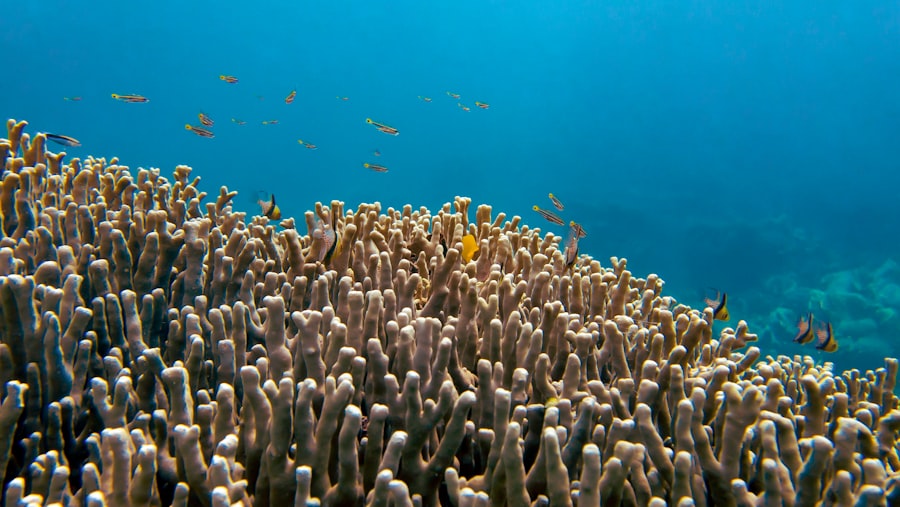
The consequences of decreased oxygen production in the oceans are profound and far-reaching. As oxygen levels decline, marine life faces increasing challenges to survive. Fish and other aquatic organisms rely on sufficient oxygen levels to thrive; when these levels drop, they may experience stress, reduced growth rates, and even mortality.
Species that are particularly sensitive to changes in oxygen levels, such as certain fish and shellfish, may find it increasingly difficult to adapt to their changing environments. Moreover, decreased oxygen production can lead to shifts in species composition within marine ecosystems. As some species struggle to survive, others may thrive in low-oxygen conditions, leading to imbalances that disrupt food webs.
This shift can have cascading effects throughout the ecosystem, impacting not only marine life but also the livelihoods of communities that depend on fishing and other ocean resources. As you reflect on these impacts, it becomes evident that the health of marine ecosystems is intricately linked to the oxygen produced by our oceans.
Human Activities Contributing to Oxygen Depletion in Oceans
Your daily activities may seem disconnected from the vast oceans, but human actions significantly contribute to oxygen depletion in these critical environments. One of the most pressing issues is overfishing, which not only reduces fish populations but also disrupts the balance of marine ecosystems. When key species are removed from their habitats, it can lead to overpopulation of other organisms that may not contribute positively to oxygen production.
Additionally, industrial activities and urban development often result in pollution that harms marine ecosystems. The introduction of chemicals and waste into waterways can lead to toxic conditions that inhibit the growth of phytoplankton and other oxygen-producing organisms. As you consider your own impact on the environment, it becomes clear that every choice—whether it’s related to consumption, waste management, or energy use—can have far-reaching consequences for ocean health and oxygen production.
Consequences of Oceans’ Oxygen Depletion on Climate Change
The depletion of oxygen in our oceans does not exist in isolation; it has significant implications for climate change as well. The oceans act as a carbon sink, absorbing a substantial amount of carbon dioxide from the atmosphere. However, as oxygen levels decline due to various factors, the oceans’ ability to sequester carbon diminishes.
This creates a feedback loop where increased carbon dioxide levels contribute to further warming and ocean acidification, exacerbating the challenges faced by marine ecosystems. Moreover, decreased oxygen levels can lead to increased greenhouse gas emissions from oceanic sources. Anaerobic bacteria thrive in low-oxygen environments and produce methane—a potent greenhouse gas—as they break down organic matter.
This process not only contributes to climate change but also poses additional risks for marine life and coastal communities. As you contemplate these interconnected issues, it becomes clear that addressing oceanic oxygen depletion is essential for mitigating climate change and protecting our planet’s future.
Efforts to Mitigate Oceans’ Oxygen Depletion
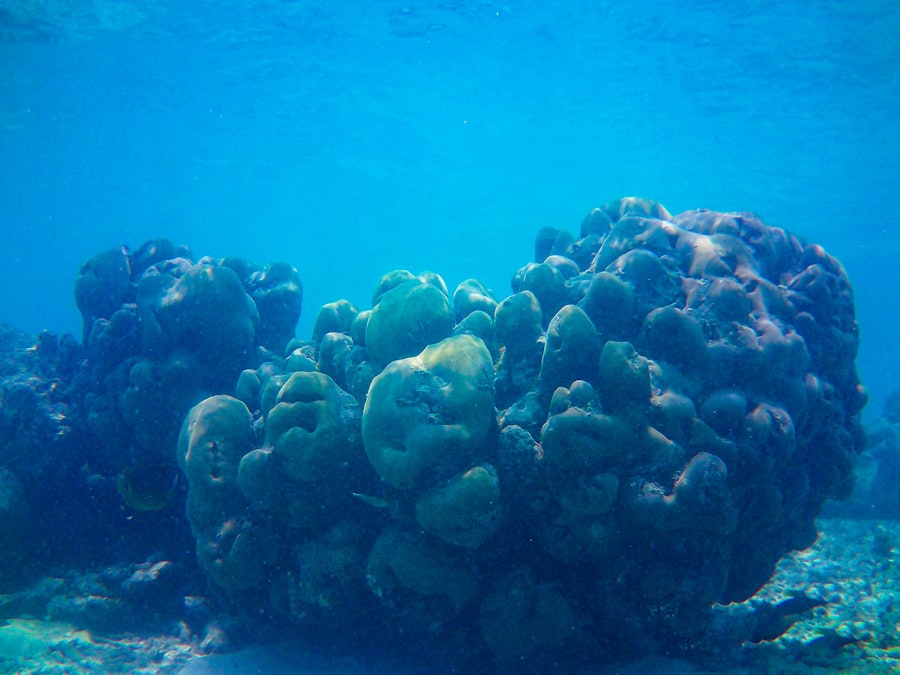
Recognizing the urgency of addressing oceans’ oxygen depletion has led to various efforts aimed at mitigating this critical issue. Conservation organizations and governments worldwide are working together to implement sustainable fishing practices that protect marine ecosystems while allowing communities to thrive. By establishing marine protected areas (MPAs), they aim to create safe havens for vulnerable species and restore balance within ocean habitats.
In addition to conservation efforts, there is a growing emphasis on reducing pollution through improved agricultural practices and waste management systems. By promoting sustainable farming techniques that minimize nutrient runoff and advocating for cleaner industrial processes, we can help protect our oceans from harmful pollutants. As you consider these initiatives, remember that individual actions also matter; supporting sustainable products and advocating for policies that prioritize ocean health can contribute significantly to these collective efforts.
Importance of Oceans’ Oxygen Production for Human Survival
The significance of oceans’ oxygen production extends beyond marine life; it is fundamentally tied to human survival as well. The air you breathe is intricately linked to the health of our oceans, making it imperative that we recognize their value in sustaining life on Earth. As global populations continue to grow and urbanize, the demand for clean air and healthy ecosystems becomes increasingly critical.
Moreover, healthy oceans contribute to food security by supporting fisheries and providing livelihoods for millions of people worldwide. The decline in oxygen production threatens not only marine biodiversity but also the economic stability of coastal communities that rely on these resources for their survival. By understanding this connection between ocean health and human well-being, you can appreciate the urgency of protecting our oceans for future generations.
Conclusion and Call to Action for Oceans’ Conservation
In conclusion, the importance of oceans’ oxygen production cannot be overstated; it is a vital component of life on Earth that requires immediate attention and action. As you reflect on the various factors threatening this essential process—from climate change and pollution to human activities—consider how your choices can contribute to positive change. Whether through supporting sustainable practices or advocating for policies that prioritize ocean conservation, your actions can make a difference.
The time has come for individuals, communities, and governments alike to unite in their efforts to protect our oceans and ensure their continued ability to produce oxygen for all living beings. By raising awareness about this critical issue and taking meaningful steps toward conservation, you can play a role in safeguarding our planet’s future. Together, we can work towards a healthier ocean ecosystem that supports both marine life and human survival for generations to come.
A related article discussing the importance of trees in combating global warming can be found at How Can Trees Save the Earth from Global Warming. This article highlights the crucial role that trees play in absorbing carbon dioxide and reducing greenhouse gas emissions. Just as oceans are under threat due to decreasing oxygen production, trees are also facing challenges in their ability to mitigate climate change. It is essential to understand the interconnectedness of these ecosystems and the impact they have on our planet’s health.
FAQs
What is the current status of oceans’ oxygen production?
The current status of oceans’ oxygen production is under threat due to various factors such as climate change, pollution, and overfishing. These factors are leading to a decline in the amount of oxygen produced by the world’s oceans.
Why is the decline in oceans’ oxygen production a cause for concern?
The decline in oceans’ oxygen production is a cause for concern because oxygen is essential for the survival of marine life. A decrease in oxygen levels can lead to the loss of habitats for marine organisms and disrupt the balance of marine ecosystems.
What are the main factors contributing to the decline in oceans’ oxygen production?
The main factors contributing to the decline in oceans’ oxygen production include climate change, which leads to ocean warming and deoxygenation, as well as pollution from human activities and overfishing, which can disrupt the balance of marine ecosystems.
What are the potential consequences of the decline in oceans’ oxygen production?
The potential consequences of the decline in oceans’ oxygen production include the loss of marine habitats, the decline of fish stocks, and the disruption of marine food webs. This can have far-reaching impacts on both marine ecosystems and the livelihoods of people who depend on the ocean for food and income.
What can be done to address the decline in oceans’ oxygen production?
Addressing the decline in oceans’ oxygen production requires a multi-faceted approach that includes reducing greenhouse gas emissions to mitigate climate change, implementing measures to reduce pollution and overfishing, and protecting marine habitats. Collaboration between governments, scientists, and the private sector is essential to address this issue.