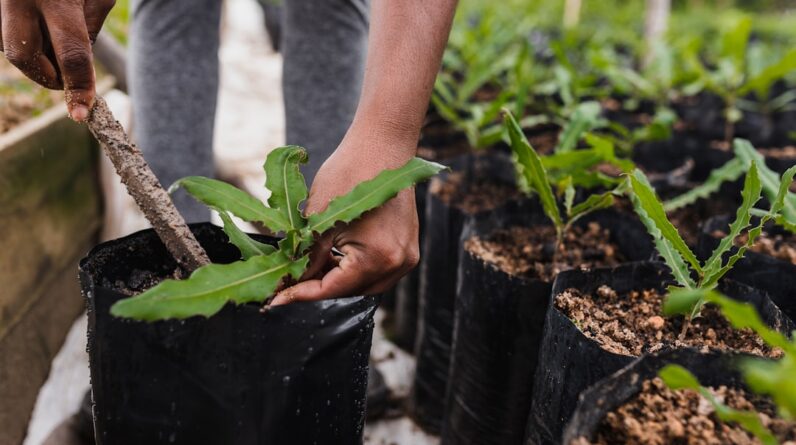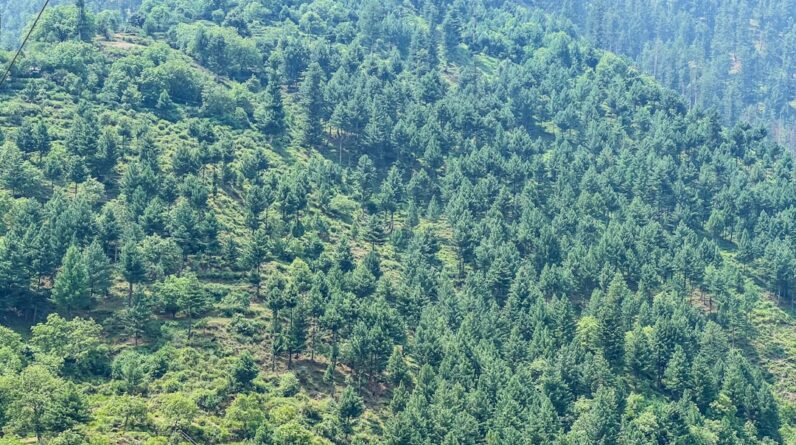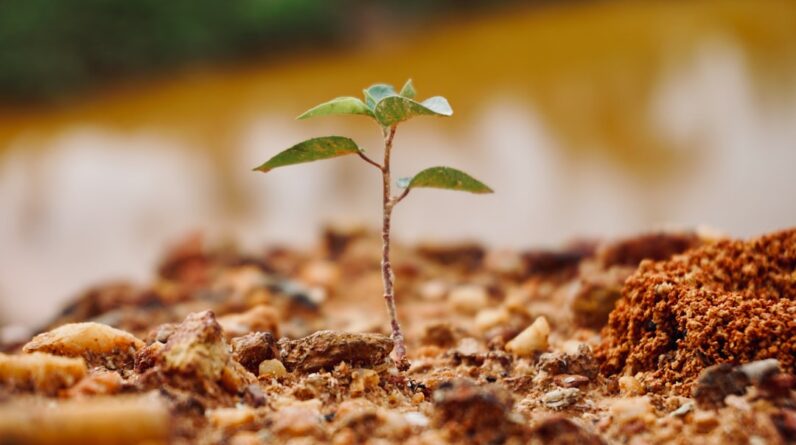
Reforestation plays a crucial role in maintaining and improving water quality across the globe. As you may know, trees are not just beautiful elements of our landscape; they serve as vital components of the ecosystem that directly influence the health of our water sources. When you consider the intricate relationship between forests and water, it becomes clear that reforestation is not merely an environmental initiative but a necessity for sustainable living.
By restoring forests, you are not only helping to combat climate change but also ensuring that the water you rely on remains clean and abundant. The process of reforestation involves planting trees in areas where forests have been depleted or destroyed. This act is essential for replenishing the natural filtration systems that trees provide.
As rainwater seeps through the soil and into waterways, trees help to filter out pollutants and sediments, resulting in cleaner water. When you engage in or support reforestation efforts, you are contributing to a natural solution that enhances water quality, making it safer for drinking, agriculture, and wildlife. The importance of reforestation cannot be overstated; it is a fundamental step toward achieving a healthier planet and ensuring that future generations have access to clean water.
Key Takeaways
- Reforestation plays a crucial role in improving water quality by preventing soil erosion and reducing sedimentation in water bodies.
- Trees act as natural filters, absorbing pollutants and preventing them from entering water sources, thus maintaining clean water quality.
- Deforestation leads to increased soil erosion, sedimentation, and nutrient runoff, negatively impacting water quality and aquatic ecosystems.
- Reforestation efforts are being implemented worldwide to restore degraded landscapes and improve water quality in various regions.
- Successful reforestation projects have shown significant improvements in water quality, demonstrating the positive impact of tree planting on ecosystem health.
The Role of Trees in Maintaining Clean Water Sources
Trees play an indispensable role in maintaining clean water sources, acting as natural guardians of our rivers, lakes, and aquifers. When you think about how trees interact with the environment, consider their ability to absorb rainfall and reduce runoff. The roots of trees anchor the soil, preventing erosion and allowing water to percolate into the ground rather than washing away topsoil and pollutants.
This process not only protects the integrity of the land but also ensures that the water that eventually reaches streams and rivers is less contaminated. Moreover, trees contribute to the hydrological cycle by releasing moisture back into the atmosphere through a process known as transpiration. This natural phenomenon helps regulate local climates and can even influence precipitation patterns.
When you plant trees or support reforestation initiatives, you are enhancing this cycle, which ultimately leads to improved water quality. The shade provided by trees also cools water bodies, reducing temperature fluctuations that can harm aquatic life. In essence, trees are vital allies in your quest for clean water, working tirelessly to filter and regulate the water that sustains life.
The Impact of Deforestation on Water Quality

Deforestation poses a significant threat to water quality, leading to a cascade of negative effects on ecosystems and human health. When forests are cleared for agriculture, urban development, or logging, the protective cover that trees provide is lost. This loss results in increased soil erosion, as there are no roots to hold the soil in place.
As a consequence, sediments and pollutants are washed into nearby waterways, degrading their quality and harming aquatic ecosystems. You may not realize it, but every time a tree is cut down, it can lead to a chain reaction that ultimately affects the water you drink. Additionally, deforestation disrupts the natural balance of the hydrological cycle.
Without trees to absorb rainfall and release moisture back into the atmosphere, areas can experience altered precipitation patterns, leading to droughts or flooding. These changes can further compromise water quality by concentrating pollutants in smaller volumes of water or overwhelming systems with excess runoff. The impact of deforestation on water quality is profound and far-reaching; it underscores the urgent need for reforestation efforts to restore balance and protect our vital water resources.
Reforestation Efforts Around the World
Around the world, reforestation efforts are gaining momentum as communities recognize the importance of restoring forests for both environmental health and water quality. From large-scale government initiatives to grassroots movements, people are coming together to plant trees and rehabilitate degraded lands. In countries like Ethiopia, ambitious programs aim to plant millions of trees in a single day, showcasing the power of collective action in combating deforestation and its consequences.
These efforts not only contribute to cleaner water but also create jobs and improve local economies. In addition to government-led initiatives, non-profit organizations play a pivotal role in promoting reforestation globally. Many focus on educating communities about sustainable land management practices while providing resources for tree planting.
You might be surprised to learn that some organizations even involve local schools in their efforts, teaching children about the importance of trees and instilling a sense of responsibility toward their environment. By participating in these initiatives or supporting them financially, you can help amplify their impact and contribute to a healthier planet.
Successful Reforestation Projects and Their Impact on Water Quality
Several successful reforestation projects around the world have demonstrated significant improvements in water quality as a direct result of tree planting efforts. One notable example is the Bonn Challenge, which aims to restore 150 million hectares of deforested and degraded land by 2020. Countries participating in this initiative have reported enhanced water quality in areas where reforestation has taken place.
By restoring tree cover, these nations have seen reductions in sedimentation rates in rivers and improved overall ecosystem health. Another inspiring case is found in Costa Rica, where reforestation programs have transformed landscapes previously ravaged by deforestation into thriving forests once again. As a result of these efforts, local watersheds have experienced remarkable improvements in water quality.
The restoration of tree cover has led to reduced erosion and sedimentation in rivers, benefiting both wildlife habitats and human communities that rely on these water sources for drinking and agriculture. These successful projects serve as powerful reminders of what can be achieved through dedicated reforestation efforts.
The Connection Between Reforestation and Watershed Management
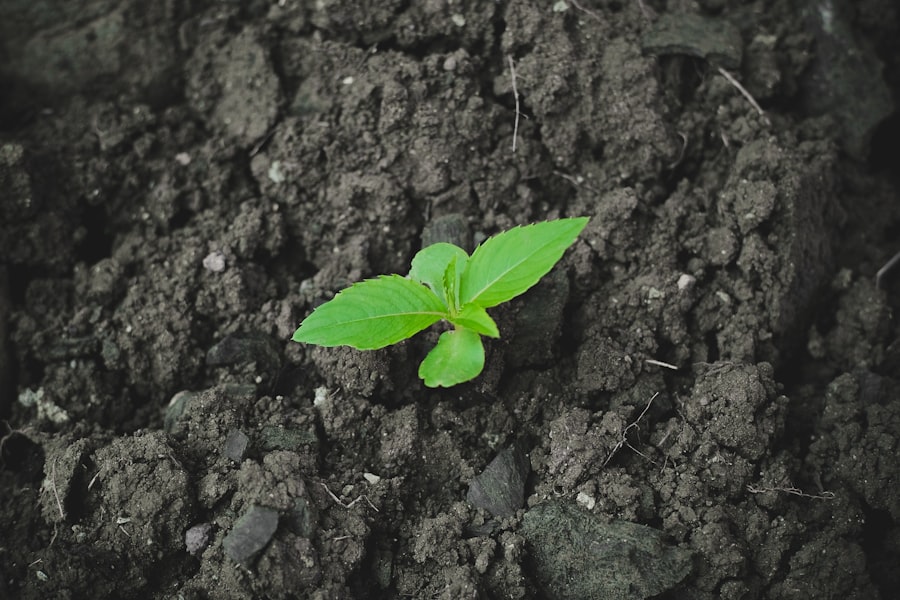
Reforestation is intricately linked to effective watershed management, as healthy forests play a critical role in maintaining the integrity of watersheds. When you consider that watersheds are areas where all precipitation collects and drains into a common outlet, it becomes evident that trees are essential for managing this flow of water. By planting trees in key areas within a watershed, you can enhance its ability to filter pollutants and regulate water flow.
Effective watershed management involves understanding how land use practices impact water quality and quantity. Reforestation serves as a natural solution to many challenges faced by watersheds today. For instance, when you restore tree cover in a watershed, you help mitigate flooding by slowing down runoff during heavy rains while also improving groundwater recharge during dry periods.
This dual benefit underscores the importance of integrating reforestation into broader watershed management strategies for sustainable water resources.
The Benefits of Reforestation for Ecosystem Health and Water Quality
The benefits of reforestation extend far beyond just improving water quality; they also contribute significantly to overall ecosystem health. When you plant trees, you create habitats for countless species of flora and fauna, promoting biodiversity within ecosystems. Healthy ecosystems are more resilient to environmental changes and can better withstand challenges such as climate change or invasive species.
By supporting reforestation efforts, you are playing a vital role in preserving these ecosystems for future generations. Moreover, reforested areas often experience improved soil health due to increased organic matter from decaying leaves and roots. This enhanced soil quality further contributes to better water retention and filtration capabilities.
As you engage with or support reforestation initiatives, you are not only helping to restore forests but also fostering healthier ecosystems that provide essential services like clean air and water. The interconnectedness of these benefits highlights why reforestation should be a priority for anyone concerned about environmental sustainability.
How Individuals Can Contribute to Reforestation Efforts for Cleaner Water
As an individual, there are numerous ways you can contribute to reforestation efforts aimed at improving water quality. One of the most impactful actions you can take is to participate in local tree-planting events or volunteer with organizations dedicated to reforestation initiatives. Many communities host regular events where residents come together to plant trees in parks or along riverbanks.
By getting involved, you not only help restore vital green spaces but also connect with like-minded individuals who share your passion for environmental stewardship. If you’re unable to participate directly in planting activities, consider supporting organizations focused on reforestation through donations or fundraising efforts. Your financial contributions can help provide resources for tree nurseries, educational programs, and community outreach initiatives aimed at promoting sustainable practices.
Additionally, spreading awareness about the importance of reforestation within your social circles can inspire others to take action as well. Every small effort counts; by advocating for reforestation and clean water initiatives, you can make a meaningful difference in your community and beyond. In conclusion, reforestation is an essential strategy for improving water quality and promoting ecosystem health.
By understanding the vital role trees play in maintaining clean water sources and recognizing the impact of deforestation on our environment, you can appreciate the urgency behind global reforestation efforts. Whether through direct involvement or support from afar, your contributions can help ensure that future generations enjoy access to clean water while fostering healthier ecosystems worldwide.
If you are interested in learning more about how reforestation helps the environment, check out the article How Does Reforestation Help the Environment? on Live Life with a Cause. This article delves into the various ways in which planting trees can benefit the planet and contribute to a cleaner tomorrow.
FAQs
What is reforestation?
Reforestation is the process of planting trees in areas where forests have been depleted or destroyed. It is done to restore the ecological balance, improve air quality, and prevent soil erosion.
How does reforestation improve water quality?
Reforestation helps improve water quality by reducing soil erosion, filtering pollutants, and regulating the flow of water. Trees and vegetation act as natural filters, preventing sediment and pollutants from entering water bodies.
What are the benefits of reforestation for water quality?
Reforestation can lead to improved water quality by reducing sedimentation, controlling runoff, and providing habitat for aquatic life. It also helps to maintain the natural hydrological cycle and prevent water pollution.
How does reforestation impact the environment?
Reforestation has positive impacts on the environment, including mitigating climate change by sequestering carbon dioxide, providing habitat for wildlife, and improving air and water quality. It also helps to restore biodiversity and ecosystem balance.
What are some reforestation initiatives around the world?
There are various reforestation initiatives around the world, including government-led programs, non-profit organizations, and private sector efforts. These initiatives focus on planting trees, restoring degraded lands, and promoting sustainable forest management practices.