
Carbon pricing has emerged as a pivotal strategy in the global effort to combat climate change. By assigning a cost to carbon emissions, it creates a financial incentive for businesses and individuals to reduce their carbon footprint. This mechanism not only encourages the adoption of cleaner technologies but also promotes energy efficiency.
As you consider the implications of carbon pricing, it becomes clear that it serves as a crucial tool in steering economies toward sustainable practices. By making polluters pay for their emissions, carbon pricing effectively internalizes the environmental costs associated with fossil fuel consumption. Moreover, carbon pricing can drive innovation in renewable energy sectors.
When companies face higher costs for carbon emissions, they are more likely to invest in alternative energy sources and sustainable practices. This shift not only helps mitigate climate change but also fosters economic growth in emerging green industries. As you reflect on the broader implications of carbon pricing, it is evident that this approach can catalyze a transition toward a low-carbon economy, ultimately benefiting both the environment and society at large.
Key Takeaways
- Carbon pricing is crucial for incentivizing businesses to reduce their carbon emissions and invest in sustainable practices.
- Reforestation plays a vital role in sequestering carbon from the atmosphere and mitigating the effects of climate change.
- The economic benefits of reforestation include job creation, improved air and water quality, and increased biodiversity.
- Successful reforestation projects in countries like Brazil and China have demonstrated the potential for large-scale carbon sequestration.
- Government incentives, such as tax breaks and grants, are essential for encouraging private investment in reforestation efforts.
The Role of Reforestation in Carbon Sequestration
Reforestation plays a vital role in carbon sequestration, acting as a natural solution to absorb atmospheric carbon dioxide. Trees are remarkable organisms; they take in CO2 during photosynthesis and store carbon in their biomass and soil. As you delve into the mechanics of this process, you will find that reforestation not only helps mitigate climate change but also restores ecosystems and enhances biodiversity.
By planting trees in deforested or degraded areas, you contribute to a healthier planet while simultaneously capturing significant amounts of carbon. In addition to its carbon-sequestering capabilities, reforestation offers numerous ecological benefits. It helps prevent soil erosion, improves water quality, and provides habitats for countless species.
As you consider the multifaceted advantages of reforestation, it becomes clear that this practice is not merely about planting trees; it is about revitalizing entire ecosystems. By engaging in reforestation efforts, you are participating in a holistic approach to environmental stewardship that addresses both climate change and biodiversity loss.
The Economic Benefits of Reforestation
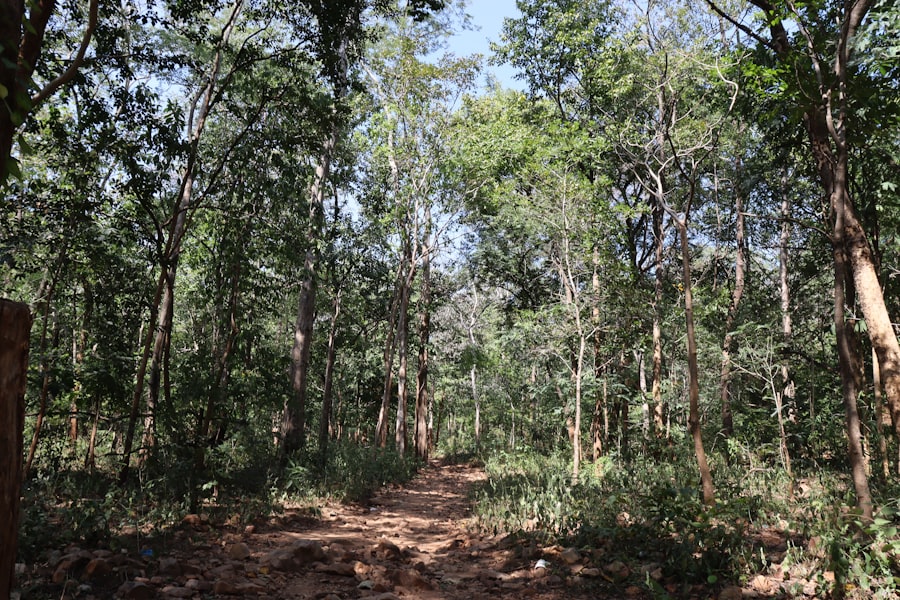
The economic benefits of reforestation extend far beyond the immediate environmental impacts. When you invest in reforestation projects, you are also investing in local economies. These initiatives create jobs in tree planting, maintenance, and forest management, providing livelihoods for communities that depend on natural resources.
As you explore the economic landscape surrounding reforestation, you will discover that these projects can stimulate local economies while promoting sustainable practices. Furthermore, reforestation can enhance ecosystem services that have significant economic value. Healthy forests contribute to clean water supply, flood regulation, and soil fertility—all of which are essential for agriculture and other industries.
By restoring forests, you are not only addressing climate change but also ensuring the long-term viability of local economies. As you reflect on the interconnectedness of environmental health and economic prosperity, it becomes evident that reforestation is a win-win solution for both nature and communities.
Case Studies of Successful Reforestation Projects
Examining successful reforestation projects around the world can provide valuable insights into effective strategies and outcomes. One notable example is the Bonn Challenge, an initiative aimed at restoring 150 million hectares of deforested and degraded land by 2020. As you explore this case study, you will find that countries like Rwanda and Ethiopia have made significant strides in reforestation efforts, showcasing the potential for large-scale restoration to combat climate change.
In Rwanda, the government has implemented policies that promote tree planting and forest conservation, resulting in increased forest cover and improved livelihoods for local communities. Similarly, Ethiopia’s ambitious Green Legacy Initiative aims to plant billions of trees annually, demonstrating a commitment to environmental restoration on a national scale. As you analyze these case studies, it becomes clear that successful reforestation requires strong governance, community involvement, and long-term planning.
These examples serve as inspiration for future projects and highlight the transformative power of collective action in addressing climate challenges.
Government Incentives for Reforestation
Government incentives play a crucial role in promoting reforestation efforts. By providing financial support, tax breaks, or grants for tree planting initiatives, governments can encourage individuals and organizations to engage in sustainable practices. As you consider the various forms of incentives available, it becomes apparent that these measures can significantly enhance the feasibility and attractiveness of reforestation projects.
In many countries, programs such as Payment for Ecosystem Services (PES) have been established to reward landowners for maintaining or restoring forests. These programs not only provide financial compensation but also foster a sense of stewardship among landowners. As you reflect on the importance of government involvement in reforestation, it is clear that effective policies can create an enabling environment for sustainable land management practices.
By aligning economic incentives with environmental goals, governments can catalyze widespread participation in reforestation efforts.
The Potential for Carbon Offsetting through Reforestation

Carbon offsetting through reforestation presents an innovative approach to mitigating climate change. By investing in tree planting projects, individuals and businesses can compensate for their carbon emissions while contributing to environmental restoration. As you explore this concept further, you will find that carbon offsetting not only helps reduce overall emissions but also supports local communities and ecosystems.
The potential for carbon offsetting through reforestation is vast. Many companies are now incorporating carbon offset programs into their sustainability strategies, allowing them to achieve net-zero emissions while supporting reforestation initiatives worldwide. As you consider the implications of this approach, it becomes evident that carbon offsetting can serve as a bridge between economic activities and environmental responsibility.
By participating in these programs, you are taking an active role in addressing climate change while promoting sustainable development.
Challenges and Limitations of Reforestation as a Carbon Pricing Solution
Despite its numerous benefits, reforestation as a solution for carbon pricing is not without challenges and limitations. One significant concern is the potential for monoculture plantations that prioritize fast-growing species over biodiversity. As you reflect on this issue, it becomes clear that focusing solely on carbon sequestration can lead to ecological imbalances if not managed properly.
Sustainable reforestation practices must prioritize biodiversity to ensure healthy ecosystems. Additionally, the permanence of carbon storage is another challenge associated with reforestation efforts. Trees can be vulnerable to pests, diseases, and climate-related events such as wildfires or droughts.
As you consider these risks, it is essential to recognize that while reforestation can play a vital role in carbon sequestration, it should be part of a broader strategy that includes reducing emissions at their source and promoting sustainable land use practices.
The Future of Reforestation in Climate Change Mitigation
Looking ahead, the future of reforestation in climate change mitigation appears promising yet complex. As awareness of climate issues grows, so does the recognition of the importance of restoring forests as part of comprehensive climate strategies. You may find that innovative technologies such as drone-assisted tree planting and genetic research into resilient tree species are paving the way for more effective reforestation efforts.
Moreover, collaboration among governments, NGOs, and private sectors will be crucial in scaling up reforestation initiatives globally. As you contemplate the future landscape of climate action, it is clear that integrating reforestation into broader environmental policies will be essential for achieving meaningful progress against climate change. By embracing a multifaceted approach that includes reforestation alongside other strategies like renewable energy adoption and sustainable agriculture, we can work toward a more sustainable future for our planet.
In conclusion, as you engage with the concepts surrounding carbon pricing and reforestation, it becomes evident that these strategies are interconnected components of a larger solution to climate change. By understanding their importance and potential benefits, you can contribute to meaningful change—whether through advocacy, participation in local initiatives, or simply by making informed choices in your daily life. The journey toward a sustainable future requires collective action and commitment from all sectors of society; your involvement can make a significant difference in this global effort.
If you are interested in learning more about how planting trees can benefit the environment, check out this article on how planting trees helps the environment. It discusses the various ways in which reforestation can have a positive impact on our planet, from sequestering carbon to providing habitat for wildlife. This article complements the discussion in “The Price of Carbon: How Reforestation Can Pay for Itself” by highlighting the advantages of planting trees for climate change mitigation.
FAQs
What is the price of carbon?
The price of carbon refers to the cost associated with emitting one ton of carbon dioxide or its equivalent into the atmosphere. It is often used as a way to incentivize companies and individuals to reduce their carbon emissions.
How can reforestation help pay for the price of carbon?
Reforestation can help pay for the price of carbon by sequestering carbon dioxide from the atmosphere. Trees absorb carbon dioxide during photosynthesis, which helps to offset carbon emissions. This can be monetized through carbon offset programs, where companies can purchase carbon credits from reforestation projects to compensate for their own emissions.
Can reforestation be financially sustainable on its own?
Reforestation has the potential to be financially sustainable on its own through the sale of carbon credits and other ecosystem services. These can include timber production, biodiversity conservation, and water regulation, which can generate revenue for reforestation projects.
What are some other benefits of reforestation beyond carbon sequestration?
Reforestation provides a range of benefits beyond carbon sequestration, including habitat restoration for wildlife, improved water quality, and enhanced soil health. It also contributes to the preservation of biodiversity and can provide economic opportunities for local communities through sustainable forest management.
How can individuals and companies support reforestation efforts?
Individuals and companies can support reforestation efforts by participating in carbon offset programs, donating to reforestation organizations, and advocating for policies that promote sustainable forest management. They can also engage in tree-planting initiatives and support products and services that are sourced from responsibly managed forests.