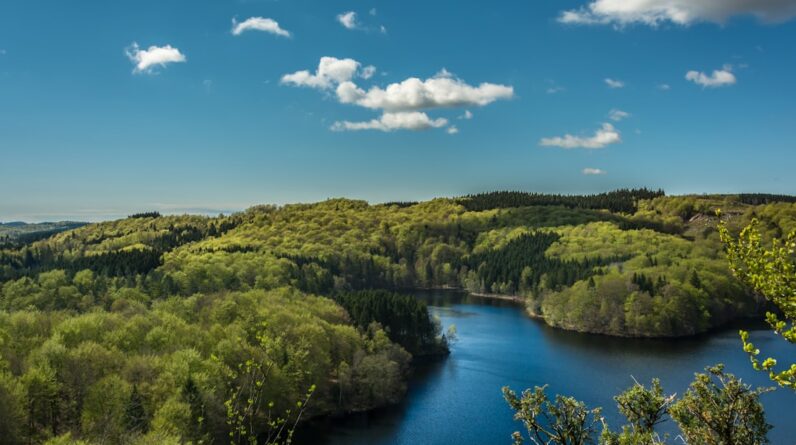
As you navigate through the complexities of the climate crisis, it becomes increasingly clear that reforestation is not just a beneficial practice but an urgent necessity. The alarming rate at which forests are being depleted—due to logging, agriculture, and urbanization—has led to a significant loss of biodiversity and a rise in greenhouse gas emissions. You may find it shocking to learn that deforestation accounts for nearly 10% of global carbon emissions, exacerbating the very climate issues we are striving to combat.
The urgency of reforestation is underscored by the fact that forests play a critical role in sequestering carbon dioxide, thus acting as natural buffers against climate change. Moreover, the consequences of failing to act are dire. As you consider the future of our planet, think about the ecosystems that are being irreparably damaged.
Forests are not merely collections of trees; they are complex ecosystems that support countless species, regulate water cycles, and provide livelihoods for millions of people. The loss of these vital resources can lead to soil erosion, increased flooding, and a decline in air quality. Therefore, reforestation emerges as a beacon of hope in this bleak landscape, offering a pathway to restore ecological balance and mitigate the impacts of climate change.
Key Takeaways
- Reforestation is urgently needed to combat the climate crisis and its devastating effects on the environment.
- Reforestation plays a crucial role in mitigating climate change by absorbing carbon dioxide and restoring ecosystems.
- Successful reforestation initiatives around the world showcase the potential for large-scale restoration and conservation efforts.
- Challenges and obstacles in reforestation efforts include deforestation, land degradation, and lack of funding and resources.
- Indigenous and local communities play a vital role in reforestation efforts, as they have valuable knowledge and connection to the land.
The Role of Reforestation in Mitigating Climate Change
Reforestation serves as a powerful tool in the fight against climate change, and understanding its role can empower you to advocate for its importance. When trees grow, they absorb carbon dioxide from the atmosphere, storing it in their biomass and soil. This natural process is essential for reducing the concentration of greenhouse gases that contribute to global warming.
By planting trees and restoring degraded forests, you can help create a more sustainable environment that not only captures carbon but also enhances biodiversity. In addition to carbon sequestration, reforestation contributes to climate resilience. As you delve deeper into this topic, you will discover that healthy forests can mitigate the effects of extreme weather events, such as floods and droughts.
They act as natural barriers, absorbing excess rainfall and reducing runoff. This is particularly crucial in areas prone to climate-related disasters. By investing in reforestation efforts, you are not only addressing the symptoms of climate change but also fortifying ecosystems against its impacts.
Successful Reforestation Initiatives Around the World
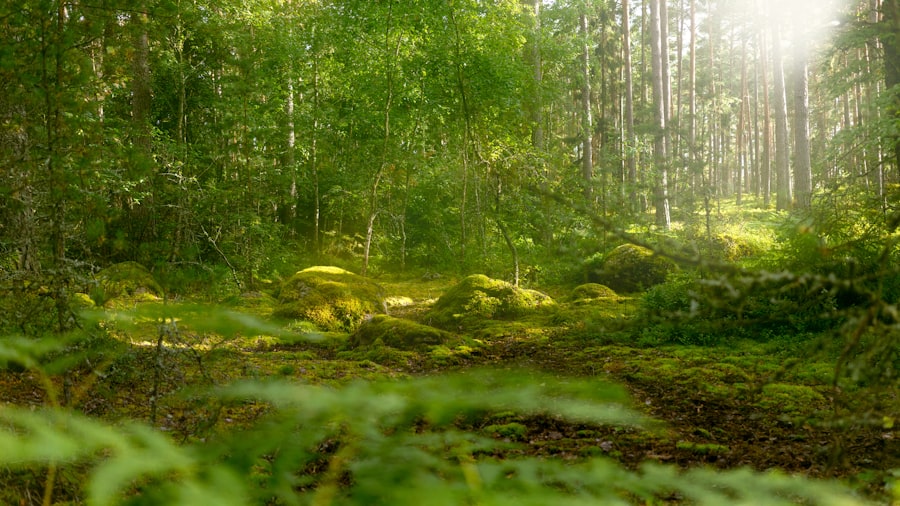
Across the globe, numerous successful reforestation initiatives serve as inspiring examples of what can be achieved when communities come together for a common cause. One notable project is the Bonn Challenge, which aims to restore 150 million hectares of deforested and degraded land by 2020. As you explore this initiative, you will find that it has garnered support from various countries and organizations, showcasing a collective commitment to reversing deforestation trends.
Another remarkable example is Ethiopia’s Green Legacy Initiative, which set an ambitious goal of planting 4 billion trees in a single year. This initiative not only highlights the power of government-led efforts but also emphasizes community involvement. As you learn about these initiatives, consider how they have mobilized local populations and inspired global action.
They demonstrate that reforestation is not merely an environmental issue; it is a movement that unites people across borders in pursuit of a healthier planet.
Challenges and Obstacles in Reforestation Efforts
Despite the promising potential of reforestation, numerous challenges and obstacles hinder progress. One significant barrier is funding; many reforestation projects require substantial financial investment for planning, implementation, and maintenance. As you reflect on this issue, consider how limited resources can stifle even the most well-intentioned initiatives.
Without adequate funding, projects may falter or fail altogether, leaving ecosystems vulnerable to further degradation. Additionally, there are social and political challenges that complicate reforestation efforts. Land tenure issues often arise when local communities lack clear ownership rights over the land they inhabit.
This can lead to conflicts between governments, corporations, and indigenous populations. As you think about these dynamics, recognize that successful reforestation requires not only ecological considerations but also social justice and equity. Addressing these challenges is crucial for creating sustainable solutions that benefit both people and the planet.
The Importance of Indigenous and Local Communities in Reforestation
Indigenous and local communities play an indispensable role in reforestation efforts, bringing invaluable knowledge and experience to the table. As you explore this aspect of reforestation, consider how these communities have lived in harmony with their environments for generations. Their traditional ecological knowledge often provides insights into sustainable land management practices that can enhance reforestation outcomes.
Moreover, involving local communities in reforestation initiatives fosters a sense of ownership and responsibility toward the land. When people are engaged in the process—whether through planting trees or participating in conservation efforts—they are more likely to protect and nurture these ecosystems long after the initial project concludes. As you reflect on this relationship between communities and reforestation, recognize that empowering local voices is essential for creating lasting change.
The Economic and Social Benefits of Reforestation

Reforestation offers a multitude of economic and social benefits that extend far beyond environmental restoration. As you consider these advantages, think about how healthy forests can contribute to local economies through sustainable timber production, ecotourism, and non-timber forest products like fruits and nuts. By investing in reforestation, communities can create jobs and stimulate economic growth while simultaneously protecting vital ecosystems.
Socially, reforestation initiatives can enhance community well-being by improving air quality, providing recreational spaces, and fostering a sense of connection to nature. As you delve into these benefits, consider how access to green spaces can positively impact mental health and overall quality of life. By prioritizing reforestation efforts, you are not only addressing environmental concerns but also investing in healthier, more resilient communities.
The Future of Reforestation: Innovations and Technologies
As we look toward the future of reforestation, innovations and technologies are poised to revolutionize how we approach this critical endeavor. Advances in drone technology allow for efficient tree planting over large areas, significantly reducing labor costs and time constraints. Imagine being part of a movement where drones can plant thousands of seeds in a matter of hours—this is not just a dream but a reality that is already unfolding.
Additionally, genetic research is paving the way for developing tree species that are more resilient to climate change impacts such as droughts or pests. As you explore these innovations, consider how they can enhance the effectiveness of reforestation efforts while minimizing risks associated with monoculture plantations. The integration of technology into reforestation strategies holds immense potential for creating sustainable solutions that adapt to our changing world.
How Individuals Can Contribute to Reforestation Efforts
You may wonder how you can contribute to reforestation efforts on an individual level. Fortunately, there are numerous ways for you to make a meaningful impact. One simple yet effective action is to support organizations dedicated to reforestation initiatives through donations or volunteer work.
Many nonprofits focus on planting trees or restoring degraded lands; your involvement can help amplify their efforts. Additionally, consider adopting sustainable practices in your daily life that promote forest conservation. This could include reducing paper consumption, supporting sustainable forestry products, or advocating for policies that protect existing forests.
By making conscious choices and raising awareness within your community about the importance of reforestation, you can inspire others to join the cause. Every small action counts; together, we can create a greener future for generations to come. In conclusion, as you reflect on the urgency of reforestation amidst the climate crisis, remember that your actions matter.
By understanding its role in mitigating climate change, learning from successful initiatives worldwide, addressing challenges head-on, valuing indigenous knowledge, recognizing economic benefits, embracing innovations, and taking personal responsibility, you can contribute to a global movement that seeks to restore our planet’s health and vitality. The future is in your hands—let’s nurture it together through reforestation efforts that will leave a lasting legacy for generations to come.
If you are interested in learning more about how planting trees can help the environment, check out the article “How Does Planting Trees Help the Environment?” on the Live Life with a Cause website. This article delves into the various ways in which reforestation efforts can positively impact our planet and combat the effects of climate change. It serves as a great companion piece to the discussion on reforestation in the age of the climate crisis, offering further insight into the importance of planting trees for the health of our environment.
FAQs
What is reforestation?
Reforestation is the process of restoring and replanting forests that have been depleted or destroyed, with the goal of creating a healthy and sustainable ecosystem.
Why is reforestation important in the age of climate crisis?
Reforestation is important in the age of climate crisis because trees and forests play a crucial role in mitigating climate change. They absorb carbon dioxide from the atmosphere, provide habitat for biodiversity, and help regulate the water cycle.
How does reforestation help combat climate change?
Reforestation helps combat climate change by sequestering carbon dioxide from the atmosphere through the process of photosynthesis. Trees store carbon in their biomass and in the soil, which helps reduce the concentration of greenhouse gases in the atmosphere.
What are some benefits of reforestation?
Some benefits of reforestation include improved air and water quality, enhanced biodiversity, reduced soil erosion, and the creation of sustainable livelihoods for local communities.
What are some challenges to reforestation efforts?
Challenges to reforestation efforts include deforestation, land degradation, lack of funding and resources, and the impacts of climate change such as drought and wildfires.
What are some successful examples of reforestation projects?
Successful examples of reforestation projects include the Bonn Challenge, the Great Green Wall in Africa, and community-led reforestation initiatives in countries like Brazil and India. These projects have demonstrated the potential for large-scale forest restoration and its positive impacts on the environment and communities.