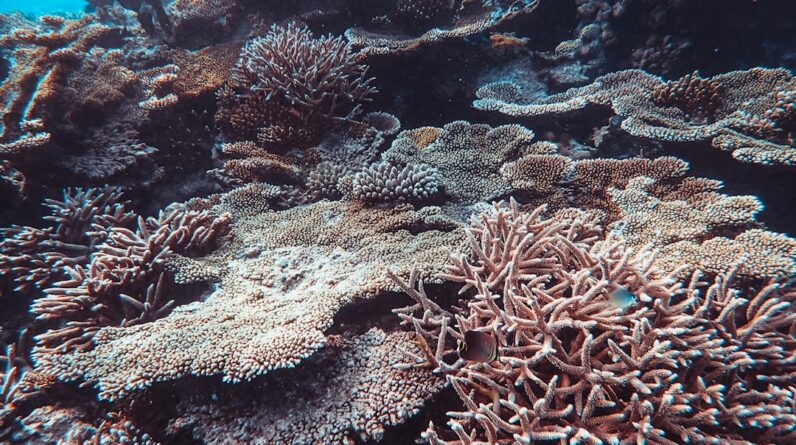
As a consumer, you wield significant power over the health of our oceans through your purchasing decisions. Every time you buy a product, you are indirectly supporting the practices behind its production, distribution, and disposal. The ocean is not just a vast body of water; it is a complex ecosystem that sustains countless species and provides essential resources for humanity.
When you choose products that are harmful to marine life, such as those containing microplastics or unsustainable seafood, you contribute to the degradation of this vital environment. Understanding this connection is crucial for making informed choices that promote ocean health. Your daily choices can lead to either positive or negative outcomes for marine ecosystems.
For instance, when you opt for products that are packaged in plastic, you may inadvertently contribute to the growing problem of plastic pollution in the ocean. Millions of tons of plastic waste enter the seas each year, harming marine animals and disrupting delicate ecosystems. By recognizing the impact of your consumer behavior, you can take steps to support practices that protect the ocean rather than harm it.
This awareness is the first step toward becoming a more responsible consumer and advocate for ocean conservation.
Key Takeaways
- Consumer choices have a significant impact on the health of the ocean, from product packaging to seafood purchases.
- Look for ocean-friendly products and packaging, such as those made from recycled materials or biodegradable alternatives.
- Support sustainable and ethical brands that prioritize environmental and social responsibility in their production processes.
- Reduce single-use plastics and microplastics by opting for reusable products and avoiding items with excessive packaging.
- Choose eco-friendly cleaning and beauty products that are free from harmful chemicals and are biodegradable.
Identifying Ocean-Friendly Products and Packaging
When it comes to making ocean-friendly choices, the first step is identifying products and packaging that minimize harm to marine environments. Look for items that are made from sustainable materials, such as biodegradable or recyclable options. For example, products packaged in glass or aluminum are often better choices than those in single-use plastic containers.
By selecting these alternatives, you help reduce the amount of plastic waste that ends up in the ocean, thereby protecting marine life from ingestion and entanglement. Additionally, pay attention to labels that indicate eco-friendly certifications. Many brands now offer products that are certified by organizations dedicated to environmental sustainability.
These certifications can guide you toward items that have been produced with minimal environmental impact. When shopping, take a moment to read labels and research brands that prioritize ocean-friendly practices. By making these conscious choices, you not only support sustainable businesses but also contribute to a larger movement toward protecting our oceans.
Supporting Sustainable and Ethical Brands

Your purchasing power can significantly influence the market by supporting brands that prioritize sustainability and ethical practices. When you choose to buy from companies that are committed to environmentally friendly practices, you send a clear message about the importance of ocean conservation. Look for brands that source their materials responsibly, use renewable energy in their production processes, and engage in fair labor practices.
By aligning your spending with your values, you can help create a demand for more sustainable options in the marketplace. Moreover, consider supporting local businesses that focus on sustainability. These companies often have a smaller carbon footprint and are more likely to engage in practices that protect local ecosystems, including oceans.
By investing in these businesses, you not only contribute to your community’s economy but also promote a culture of environmental responsibility. Your support can encourage more brands to adopt sustainable practices, ultimately leading to a healthier ocean and planet.
Reducing Single-Use Plastics and Microplastics
One of the most pressing issues facing our oceans today is the prevalence of single-use plastics and microplastics. These materials are designed for convenience but have devastating effects on marine life and ecosystems. As a consumer, you can take proactive steps to reduce your reliance on single-use plastics by opting for reusable alternatives.
For instance, carrying a reusable water bottle or shopping bag can significantly decrease the amount of plastic waste generated from everyday activities. In addition to reducing single-use plastics, it’s essential to be aware of microplastics—tiny plastic particles that can be found in various products, including cosmetics and cleaning supplies. When these products are washed down the drain, they often end up in the ocean, where they pose a threat to marine organisms.
To combat this issue, choose personal care items that are free from microbeads and other harmful ingredients. By making these small changes in your daily routine, you can contribute to a larger effort to protect our oceans from plastic pollution.
Choosing Eco-Friendly Cleaning and Beauty Products
The cleaning and beauty products you use at home can have a significant impact on ocean health. Many conventional products contain harmful chemicals that can leach into waterways and disrupt aquatic ecosystems. By choosing eco-friendly alternatives, you not only protect marine life but also create a healthier environment for yourself and your family.
Look for cleaning supplies made from natural ingredients that are biodegradable and free from toxic substances. In the realm of beauty products, consider opting for brands that prioritize sustainability and ethical sourcing. Many companies now offer cosmetics and skincare items made from organic ingredients without harmful additives.
Additionally, seek out products with minimal or recyclable packaging to further reduce your environmental footprint. By being mindful of the products you choose for cleaning and personal care, you can play an active role in safeguarding our oceans while enjoying effective and safe alternatives.
Making Informed Seafood and Aquatic Life Purchases

When it comes to seafood consumption, making informed choices is crucial for supporting sustainable fishing practices and protecting marine ecosystems. Overfishing has led to significant declines in fish populations, threatening not only the species themselves but also the entire food web within the ocean. To ensure that your seafood choices are environmentally responsible, look for certifications from organizations like the Marine Stewardship Council (MSC) or the Aquaculture Stewardship Council (ASC).
These labels indicate that the seafood has been sourced sustainably. Additionally, consider diversifying your seafood consumption by exploring lesser-known species that are abundant and sustainably harvested. This practice helps alleviate pressure on overfished species while introducing you to new flavors and culinary experiences.
By being mindful of your seafood choices and supporting sustainable fisheries, you contribute to healthier oceans and promote responsible fishing practices.
Advocating for Ocean Conservation and Protection
Your voice matters when it comes to advocating for ocean conservation and protection. Engaging in conversations about marine issues with friends, family, and your community can raise awareness about the importance of preserving our oceans. You can also participate in local clean-up events or volunteer with organizations dedicated to ocean conservation efforts.
By taking an active role in advocacy, you help amplify the message of protecting marine environments. Furthermore, consider reaching out to policymakers to express your support for legislation aimed at safeguarding oceans and marine life. Whether it’s advocating for reduced plastic use or supporting marine protected areas, your input can influence decision-makers who have the power to enact change.
By becoming an advocate for ocean conservation, you not only contribute to meaningful initiatives but also inspire others to join the cause.
Taking Action to Reduce Carbon Footprint and Pollution from Shopping Choices
Your shopping habits can significantly impact your carbon footprint and overall environmental pollution. To reduce this impact, consider adopting more sustainable shopping practices. For instance, prioritize buying local products whenever possible; this reduces transportation emissions associated with long-distance shipping while supporting local economies.
Additionally, consider purchasing second-hand items or participating in clothing swaps to extend the life cycle of products and minimize waste. Moreover, be mindful of your overall consumption patterns. Before making a purchase, ask yourself if it is truly necessary or if there are more sustainable alternatives available.
By being intentional about your shopping choices and focusing on quality over quantity, you can significantly reduce your carbon footprint while contributing to a healthier planet. Every small action counts when it comes to protecting our oceans and ensuring a sustainable future for generations to come. In conclusion, your consumer choices have far-reaching implications for ocean health and conservation efforts.
By understanding the impact of your purchases, identifying ocean-friendly products, supporting sustainable brands, reducing single-use plastics, choosing eco-friendly cleaning and beauty items, making informed seafood decisions, advocating for conservation efforts, and taking action to minimize your carbon footprint, you can play an active role in protecting our oceans. Each decision you make contributes to a collective effort toward a healthier planet—one choice at a time.
If you are interested in learning more about how to make eco-conscious consumer choices, you may also want to check out the article on Biodiversity Reservoir by Having Healthy Forest. This article discusses the importance of maintaining healthy forests as a way to preserve biodiversity and protect the environment. By understanding the interconnectedness of our actions as consumers and the health of our planet, we can make more informed choices that benefit both ourselves and the world around us.
FAQs
What is ocean-friendly shopping?
Ocean-friendly shopping refers to making eco-conscious consumer choices that minimize the negative impact on the ocean and marine life. This includes choosing products and packaging that are sustainable, biodegradable, and do not contribute to ocean pollution.
Why is ocean-friendly shopping important?
Ocean-friendly shopping is important because the health of the ocean directly impacts the health of the planet. By making eco-conscious consumer choices, individuals can help reduce plastic pollution, protect marine life, and support sustainable practices that benefit the ocean ecosystem.
What are some examples of ocean-friendly shopping choices?
Examples of ocean-friendly shopping choices include using reusable bags and containers, choosing products with minimal packaging, opting for biodegradable and eco-friendly products, supporting brands with sustainable and ethical practices, and avoiding single-use plastics.
How can consumers make ocean-friendly shopping choices?
Consumers can make ocean-friendly shopping choices by being mindful of their purchases, researching brands and products, reducing their use of single-use plastics, supporting sustainable and ethical companies, and advocating for policies that protect the ocean and marine life.
What are the benefits of ocean-friendly shopping?
The benefits of ocean-friendly shopping include reducing plastic pollution, protecting marine life and ecosystems, supporting sustainable and ethical practices, and contributing to a healthier planet for future generations. By making eco-conscious consumer choices, individuals can help create positive change for the ocean and the environment.