Deforestation is a pressing issue that affects not only the environment but also the very fabric of life on Earth. When you think about the vast forests that once covered much of the planet, it’s staggering to realize that millions of acres are lost each year due to human activities. This loss is not merely a statistic; it translates into the destruction of habitats for countless species, many of which are on the brink of extinction.
As you consider the implications, it becomes clear that deforestation disrupts ecosystems, leading to a cascade of negative effects that ripple through the food chain and impact biodiversity. Moreover, deforestation contributes significantly to climate change. Trees play a crucial role in absorbing carbon dioxide, one of the primary greenhouse gases responsible for global warming.
When forests are cleared, not only is this carbon storage capacity diminished, but the act of cutting down trees releases stored carbon back into the atmosphere. This dual impact exacerbates climate change, leading to more extreme weather patterns, rising sea levels, and other environmental crises that threaten your way of life. The urgency to address deforestation cannot be overstated; it is a challenge that requires immediate action from individuals and communities alike.
Key Takeaways
- Deforestation has a significant impact on the planet, leading to loss of biodiversity, increased greenhouse gas emissions, and disruption of ecosystems.
- Reforestation is crucial for restoring the balance and health of the planet, as it helps to absorb carbon dioxide, provide habitat for wildlife, and prevent soil erosion.
- You can make a difference today by participating in tree planting initiatives, supporting reforestation organizations, or simply planting a tree in your own backyard.
- Planting trees can make a difference by improving air and water quality, providing shade and cooling, and contributing to the overall well-being of the planet and its inhabitants.
- You can start planting trees in your local community, participate in reforestation projects, or support organizations that are dedicated to planting trees and restoring forests. Getting involved in reforestation efforts is essential for the future health of the planet.
The Importance of Reforestation
Reforestation is a powerful tool in the fight against environmental degradation and climate change. By planting trees in areas where forests have been cut down or degraded, you can help restore ecosystems and revive biodiversity. This process not only replenishes habitats for wildlife but also enhances soil quality and water retention, which are vital for agricultural productivity and overall ecosystem health.
As you engage with reforestation efforts, you become part of a larger movement aimed at healing the planet and ensuring a sustainable future for generations to come. Additionally, reforestation has significant social and economic benefits. Communities that participate in tree-planting initiatives often experience improved livelihoods through sustainable forestry practices and eco-tourism opportunities.
By investing in reforestation, you are not only contributing to environmental restoration but also fostering economic resilience in local communities. This interconnectedness highlights the importance of viewing reforestation as a multifaceted solution that addresses both ecological and human needs.
The One Simple Thing You Can Do Today to Help Reforest the Planet
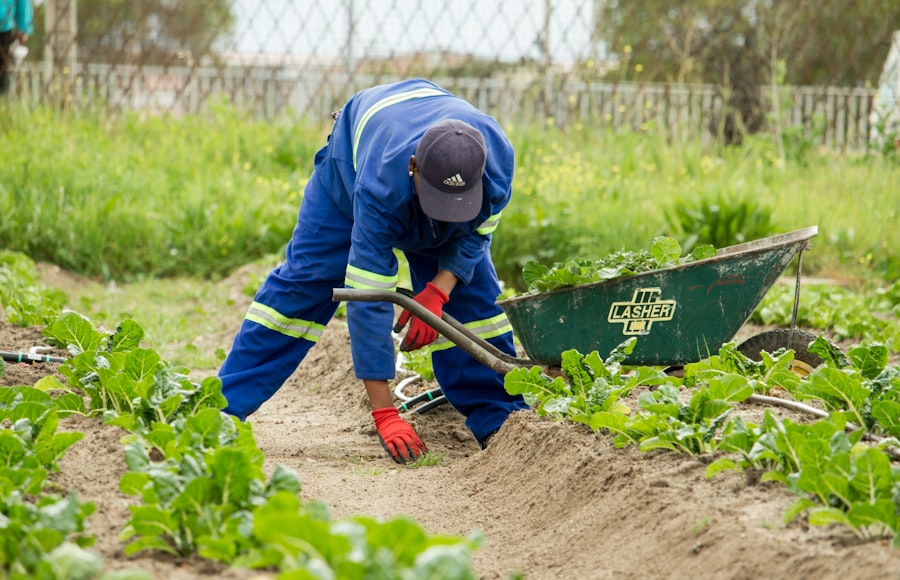
You might be wondering how you can make a difference in the face of such a monumental challenge as deforestation. The good news is that there is one simple action you can take today: support tree-planting organizations or initiatives. By donating to or volunteering with groups dedicated to reforestation, you can directly contribute to efforts that restore forests and combat climate change.
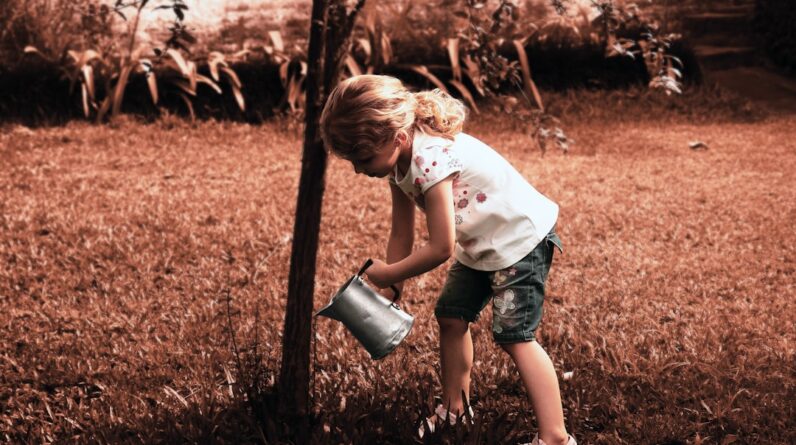
Many organizations offer programs where you can sponsor the planting of trees or participate in local tree-planting events, making it easy for you to get involved. Furthermore, consider adopting a tree-planting mindset in your daily life. This could mean planting trees in your own backyard or encouraging your friends and family to do the same.
Even small actions, like choosing to buy products from companies that prioritize sustainable practices and reforestation efforts, can create a ripple effect. By making conscious choices and spreading awareness about the importance of trees, you can inspire others to join the cause and amplify your impact.
How Planting Trees Can Make a Difference
Planting trees is more than just an act of kindness towards the environment; it is a strategic intervention that can lead to profound changes in local ecosystems and global climate patterns. When you plant a tree, you are contributing to carbon sequestration, which helps mitigate climate change by absorbing carbon dioxide from the atmosphere. Over time, as these trees grow, they will continue to provide oxygen, improve air quality, and create habitats for various species.
This simple act can lead to a healthier planet for all living beings. Moreover, trees play an essential role in preventing soil erosion and maintaining water cycles. Their roots stabilize the soil, reducing runoff and promoting groundwater recharge.
When you plant trees in your community or support reforestation projects, you are helping to restore balance to local ecosystems. This not only benefits wildlife but also enhances agricultural productivity by improving soil health and reducing the need for chemical fertilizers. The positive outcomes of planting trees extend far beyond their immediate surroundings, creating a more sustainable environment for future generations.
Where to Plant Trees and How to Get Started
If you’re eager to get involved in tree planting but unsure where to begin, there are numerous options available to you. Local parks, schools, and community centers often welcome volunteers for tree-planting initiatives. You can reach out to local environmental organizations or government agencies that focus on reforestation efforts in your area.
They typically have established programs where you can participate in planting events or even adopt a specific area for ongoing care. Additionally, consider planting trees in your own yard or community garden. Research native tree species that thrive in your region and contribute positively to local ecosystems.
By choosing native species, you ensure that your efforts support local wildlife and promote biodiversity. You can also engage with neighbors or community groups to organize tree-planting days, fostering a sense of camaraderie while making a tangible impact on your environment.
The Benefits of Reforestation for the Environment
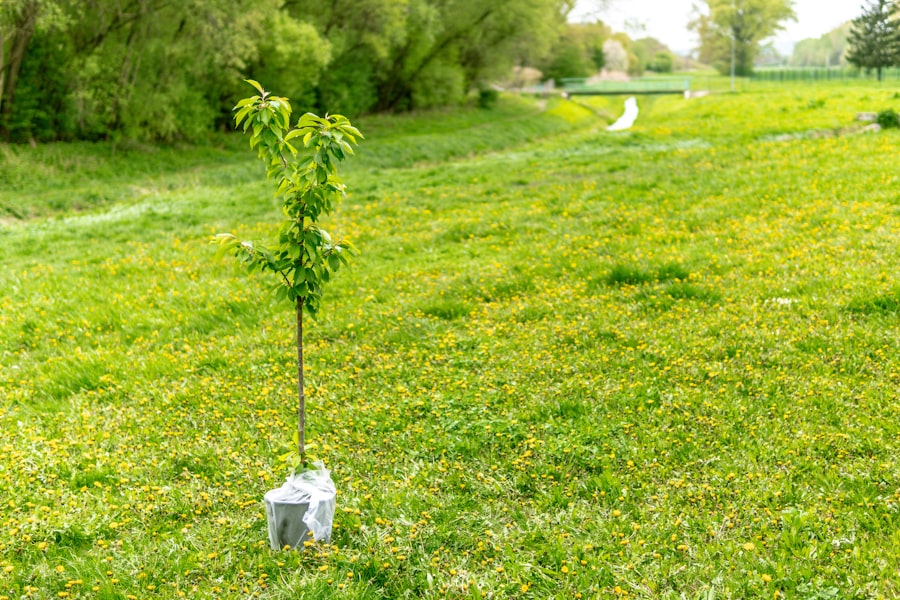
Reforestation offers a multitude of benefits that extend far beyond simply increasing tree cover. One of the most significant advantages is its ability to restore biodiversity. As you plant trees and rehabilitate degraded areas, you create habitats for various species, allowing them to thrive once again.
This restoration process is crucial for maintaining ecological balance and ensuring that ecosystems remain resilient in the face of environmental changes. In addition to enhancing biodiversity, reforestation plays a vital role in improving air and water quality. Trees act as natural filters, absorbing pollutants from the air and releasing oxygen as they grow.
They also help regulate water cycles by promoting rainfall infiltration and reducing surface runoff. As you engage in reforestation efforts, you contribute to cleaner air and water resources for your community and beyond, creating a healthier environment for all living beings.
How Reforestation Can Help Combat Climate Change
The connection between reforestation and climate change mitigation is undeniable. As global temperatures rise due to increased greenhouse gas emissions, restoring forests becomes an essential strategy for combating climate change. Trees absorb carbon dioxide during photosynthesis, acting as carbon sinks that help offset emissions from human activities.
By participating in reforestation initiatives, you are directly contributing to this critical process. Moreover, reforestation can enhance climate resilience by restoring ecosystems that provide essential services such as flood control and temperature regulation. Healthy forests can buffer communities against extreme weather events like floods and droughts, making them more resilient in the face of climate change impacts.
Your involvement in reforestation not only helps sequester carbon but also strengthens ecosystems that protect communities from climate-related challenges.
The Future of Reforestation and How You Can Get Involved
As we look toward the future, reforestation will play an increasingly vital role in addressing environmental challenges on a global scale. The growing recognition of its importance has led to numerous international initiatives aimed at restoring forests and promoting sustainable land management practices. You have an opportunity to be part of this movement by staying informed about reforestation efforts and advocating for policies that support sustainable forestry.
Getting involved can take many forms; whether through volunteering with local organizations, participating in tree-planting events, or simply spreading awareness about the importance of forests, every action counts. As you engage with others who share your passion for the environment, you can inspire collective action that amplifies your impact. The future of our planet depends on individuals like you who are willing to take steps toward healing our ecosystems through reforestation efforts.
Together, we can create a greener world for generations to come.
If you’re interested in learning more about the impact of trees on the environment, you should check out the article Stop Forest Burning: Save Trees and Animals to understand the devastating impact of forest fires on our ecosystems. Lastly, the article Biodiversity Reservoir by Having Healthy Forest explores how maintaining healthy forests can support biodiversity and protect endangered species.
FAQs
What is reforestation?
Reforestation is the process of planting trees in areas where forests have been depleted or destroyed. It is done to restore the ecological balance, combat climate change, and provide habitat for wildlife.
Why is reforestation important?
Reforestation is important because trees absorb carbon dioxide, a greenhouse gas that contributes to climate change. Trees also provide habitat for wildlife, prevent soil erosion, and improve air and water quality.
How does reforestation help combat climate change?
Reforestation helps combat climate change by absorbing carbon dioxide from the atmosphere through the process of photosynthesis. Trees store carbon in their biomass and in the soil, helping to reduce the amount of carbon dioxide in the atmosphere.
What is the one simple thing you can do today to reforest the planet?
The one simple thing you can do today to reforest the planet is to plant a tree. Whether it’s in your backyard, a community garden, or through a reforestation organization, planting a tree can make a significant impact on the environment.
How does planting a tree help reforest the planet?
Planting a tree helps reforest the planet by adding to the overall tree population. Trees absorb carbon dioxide, provide habitat for wildlife, and contribute to the overall health of the environment. By planting a tree, you are contributing to the reforestation effort.