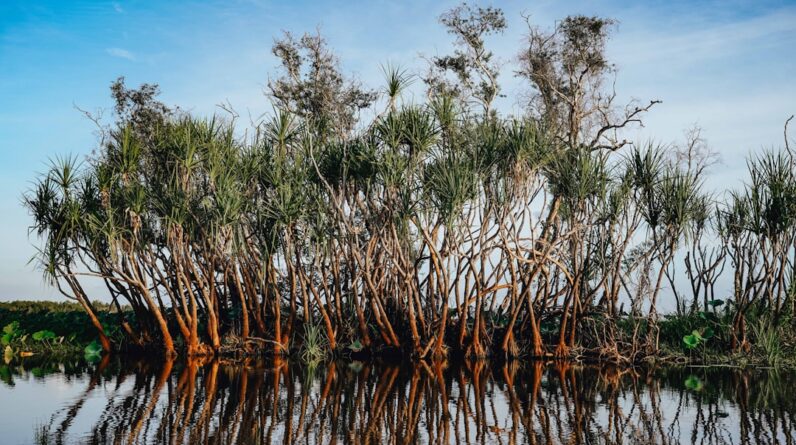
Estuaries are unique and dynamic ecosystems where freshwater from rivers meets and mixes with saltwater from the ocean. These transitional zones are characterized by their brackish water, which supports a diverse array of plant and animal life. As you explore the intricate web of life within estuaries, you will discover that they serve as vital habitats for numerous species, including fish, birds, and invertebrates.
The rich biodiversity found in these areas is not only essential for the survival of various organisms but also plays a crucial role in maintaining the health of our planet. The significance of estuaries extends beyond their biological diversity; they also provide numerous ecosystem services that benefit human communities. These areas act as natural filters, improving water quality by trapping pollutants and sediments.
Additionally, estuaries serve as nurseries for many marine species, offering a safe haven for young fish and other aquatic organisms to grow and thrive. As you delve deeper into the world of estuaries, you will come to appreciate their multifaceted roles in both ecological balance and human well-being.
Key Takeaways
- Estuaries are important ecosystems where freshwater and saltwater mix, creating a unique environment for diverse plant and animal species.
- Oxygen production in estuaries is crucial for supporting marine life and maintaining a healthy ecosystem.
- Factors such as temperature, salinity, and nutrient levels can affect the amount of oxygen produced in estuaries.
- Phytoplankton play a key role in oxygen production through photosynthesis, converting carbon dioxide into oxygen.
- Human activities such as pollution and habitat destruction can negatively impact oxygen production in estuaries, leading to biodiversity loss.
The Importance of Oxygen Production in Estuaries
Oxygen production is a fundamental process in estuarine ecosystems, as it supports the survival of aquatic life. The presence of dissolved oxygen in water is critical for the respiration of fish and other organisms, making it a key factor in maintaining healthy populations. In estuaries, oxygen is primarily produced through photosynthesis, a process carried out by various aquatic plants and phytoplankton.
This production of oxygen not only sustains marine life but also contributes to the overall health of the ecosystem. As you consider the importance of oxygen production, it becomes clear that it is intricately linked to the productivity of estuarine environments. High levels of oxygen support diverse food webs, allowing for a rich array of species to thrive.
Conversely, low oxygen levels can lead to hypoxic conditions, which can be detrimental to aquatic life. Understanding the dynamics of oxygen production in estuaries is essential for recognizing their ecological significance and the potential consequences of environmental changes.
Factors Affecting Oxygen Production in Estuaries
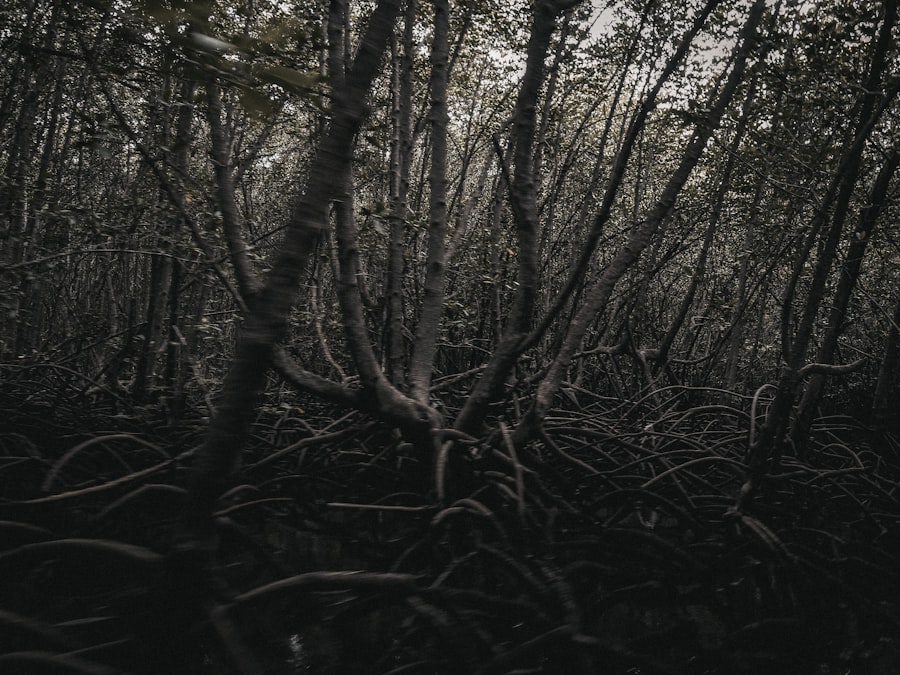
Several factors influence oxygen production in estuaries, each playing a unique role in shaping these vital ecosystems. One of the primary determinants is the availability of sunlight, which directly impacts photosynthesis rates. Shallow waters with ample sunlight allow aquatic plants and phytoplankton to flourish, leading to increased oxygen production.
Conversely, turbid waters or excessive algal blooms can block sunlight, reducing photosynthetic activity and subsequently lowering oxygen levels. Another critical factor is nutrient availability. Nutrients such as nitrogen and phosphorus are essential for the growth of phytoplankton and aquatic plants.
However, an overabundance of these nutrients—often resulting from agricultural runoff or wastewater discharge—can lead to eutrophication. This process can create algal blooms that deplete oxygen levels when they die off and decompose, resulting in hypoxic conditions that threaten marine life. As you reflect on these factors, it becomes evident that maintaining a delicate balance is crucial for sustaining oxygen production in estuarine environments.
The Role of Phytoplankton in Oxygen Production
Phytoplankton are microscopic organisms that play a pivotal role in oxygen production within estuaries. These tiny plants are responsible for a significant portion of the world’s oxygen supply through photosynthesis. As you explore the world of phytoplankton, you will find that they are not only essential for oxygen production but also serve as the foundation of aquatic food webs.
By converting sunlight into energy, phytoplankton provide nourishment for a variety of marine organisms, from zooplankton to larger fish species. The diversity of phytoplankton species in estuaries contributes to their resilience and adaptability in changing environmental conditions. Different species have varying tolerances to salinity, temperature, and nutrient levels, allowing them to thrive in diverse habitats.
As you consider their role in oxygen production, it becomes clear that protecting phytoplankton populations is vital for maintaining healthy estuarine ecosystems. Their ability to produce oxygen and support food webs underscores their importance in sustaining both marine life and human communities that rely on these ecosystems.
The Impact of Human Activities on Oxygen Production in Estuaries
Human activities have a profound impact on oxygen production in estuaries, often leading to detrimental consequences for these ecosystems. Urbanization, industrialization, and agricultural practices can introduce pollutants and excess nutrients into estuarine waters. These inputs can disrupt the delicate balance necessary for healthy oxygen levels, leading to issues such as eutrophication and hypoxia.
As you examine these impacts, it becomes evident that human actions can significantly alter the natural processes that sustain estuarine environments. Additionally, habitat destruction through coastal development and dredging can further exacerbate the decline in oxygen production. The loss of wetlands and submerged vegetation reduces the capacity for photosynthesis and diminishes the overall health of the ecosystem.
As you reflect on these challenges, it is crucial to recognize the need for sustainable practices that minimize human impact on estuaries. By understanding how our actions affect oxygen production, we can work towards solutions that protect these vital ecosystems for future generations.
The Connection Between Oxygen Production and Biodiversity in Estuaries
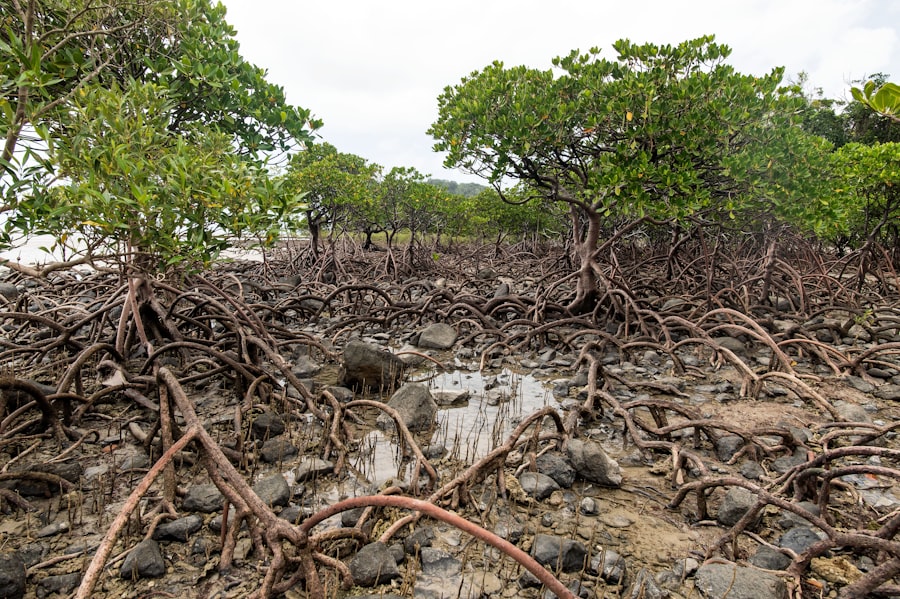
The relationship between oxygen production and biodiversity in estuaries is intricate and interdependent. High levels of dissolved oxygen are essential for supporting diverse communities of aquatic organisms. When oxygen levels are sufficient, a wide variety of species can thrive, contributing to a rich tapestry of life within these ecosystems.
Conversely, low oxygen conditions can lead to species die-offs and reduced biodiversity, creating imbalances that can have cascading effects throughout the food web. As you explore this connection further, you will find that biodiversity itself plays a role in enhancing oxygen production. Diverse plant communities can optimize photosynthesis by utilizing different light wavelengths and nutrient sources.
This diversity allows for more efficient use of resources, ultimately leading to higher rates of oxygen production. Recognizing this synergy between oxygen levels and biodiversity highlights the importance of protecting both aspects to ensure the health and resilience of estuarine ecosystems.
Strategies for Protecting and Restoring Oxygen Production in Estuaries
To safeguard oxygen production in estuaries, it is essential to implement effective strategies aimed at protecting these vital ecosystems. One approach involves reducing nutrient pollution through improved agricultural practices and wastewater management. By minimizing runoff from fertilizers and other pollutants, you can help maintain water quality and support healthy phytoplankton populations that contribute to oxygen production.
Restoration efforts also play a crucial role in enhancing oxygen levels within estuaries. Rehabilitating wetlands and restoring native vegetation can improve water quality by filtering pollutants and providing habitat for diverse species. Additionally, creating protected areas can help mitigate human impacts on estuarine environments, allowing natural processes to thrive.
As you consider these strategies, it becomes clear that collective action is necessary to ensure the long-term health of estuarine ecosystems and their capacity for oxygen production.
The Future of Oxygen Production in Estuaries
The future of oxygen production in estuaries hinges on our ability to recognize their importance and take proactive measures to protect them. As you reflect on the intricate relationships between oxygen levels, biodiversity, and human activities, it becomes evident that sustainable practices are essential for preserving these vital ecosystems. By prioritizing conservation efforts and implementing strategies to reduce pollution, we can help ensure that estuaries continue to thrive as productive environments.
Looking ahead, fostering awareness about the significance of estuarine ecosystems will be crucial in driving positive change. Engaging communities in conservation initiatives and promoting responsible stewardship can empower individuals to take action in protecting these valuable resources. As you contemplate the future of oxygen production in estuaries, remember that your choices today can have lasting impacts on the health of these ecosystems for generations to come.
Together, we can work towards a future where estuaries remain vibrant sources of life and vitality on our planet.
Estuaries are crucial ecosystems where freshwater and saltwater meet, creating a unique environment that supports a diverse array of plant and animal species. In a related article on how reforestation helps the environment, it discusses the importance of planting trees to combat climate change and protect our planet. Trees play a vital role in absorbing carbon dioxide and releasing oxygen, which can help mitigate the effects of global warming. Just like estuaries, forests are essential for maintaining a healthy balance in our environment and preserving biodiversity. By understanding the interconnectedness of ecosystems like estuaries and forests, we can work towards a more sustainable future for our planet.
FAQs
What is an estuary?
An estuary is a partially enclosed coastal body of water where freshwater from rivers and streams meets and mixes with saltwater from the ocean.
Why are estuaries important?
Estuaries are important because they serve as vital habitats for a wide variety of plant and animal species. They also provide important ecosystem services such as water filtration, flood control, and nursery areas for fish and shellfish.
How do estuaries support oxygen production?
Estuaries support oxygen production through the process of photosynthesis, where plants and algae use sunlight to convert carbon dioxide and water into oxygen and organic compounds.
What happens when freshwater and saltwater oxygen production collide in estuaries?
When freshwater and saltwater oxygen production collide in estuaries, it can create a dynamic and complex ecosystem where different species have adapted to thrive in varying salinity levels and oxygen concentrations.
What are some threats to estuarine oxygen production?
Some threats to estuarine oxygen production include pollution from agricultural runoff and urban development, as well as climate change impacts such as sea level rise and increased storm intensity. These factors can lead to decreased oxygen levels and harmful algal blooms in estuaries.