
As you navigate through the complexities of environmental science, you may find yourself increasingly aware of the term “greenhouse gases.” These gases, which include carbon dioxide, methane, nitrous oxide, and fluorinated gases, play a crucial role in the Earth’s atmosphere. They are essential for maintaining the planet’s temperature by trapping heat from the sun, a phenomenon known as the greenhouse effect. However, while a certain level of these gases is necessary for life as we know it, an excess can lead to dire consequences for our climate and environment.
Understanding greenhouse gases is not just an academic exercise; it is a pressing issue that affects your daily life and the future of the planet. As you delve deeper into this topic, you will discover how human activities have significantly increased the concentration of these gases in the atmosphere. This rise has led to a cascade of environmental changes that threaten ecosystems, weather patterns, and even human health.
By grasping the fundamentals of greenhouse gases, you can better appreciate the urgency of addressing climate change and its far-reaching implications.
Key Takeaways
- Greenhouse gases are gases that trap heat in the Earth’s atmosphere, leading to the greenhouse effect and contributing to climate change.
- The impact of greenhouse gases on climate change includes rising global temperatures, melting ice caps, and extreme weather events.
- Sources of greenhouse gases include burning fossil fuels, deforestation, industrial processes, and agricultural practices.
- Health risks associated with greenhouse gases include respiratory problems, heat-related illnesses, and the spread of vector-borne diseases.
- Ways to reduce greenhouse gas emissions include transitioning to renewable energy, improving energy efficiency, and implementing sustainable land use practices.
The Impact of Greenhouse Gases on Climate Change
The impact of greenhouse gases on climate change is profound and multifaceted. As you observe the world around you, you may notice more frequent and severe weather events, such as hurricanes, droughts, and heatwaves. These phenomena are not mere coincidences; they are directly linked to the increasing levels of greenhouse gases in the atmosphere.
The enhanced greenhouse effect leads to a rise in global temperatures, which in turn disrupts natural systems and alters weather patterns. Moreover, the consequences of climate change extend beyond just extreme weather. You may find that rising temperatures contribute to melting ice caps and glaciers, resulting in rising sea levels that threaten coastal communities.
Additionally, shifts in ecosystems can lead to loss of biodiversity as species struggle to adapt to changing conditions. The interconnectedness of these issues highlights the urgency of addressing greenhouse gas emissions, as their impact reverberates through various aspects of life on Earth.
Sources of Greenhouse Gases
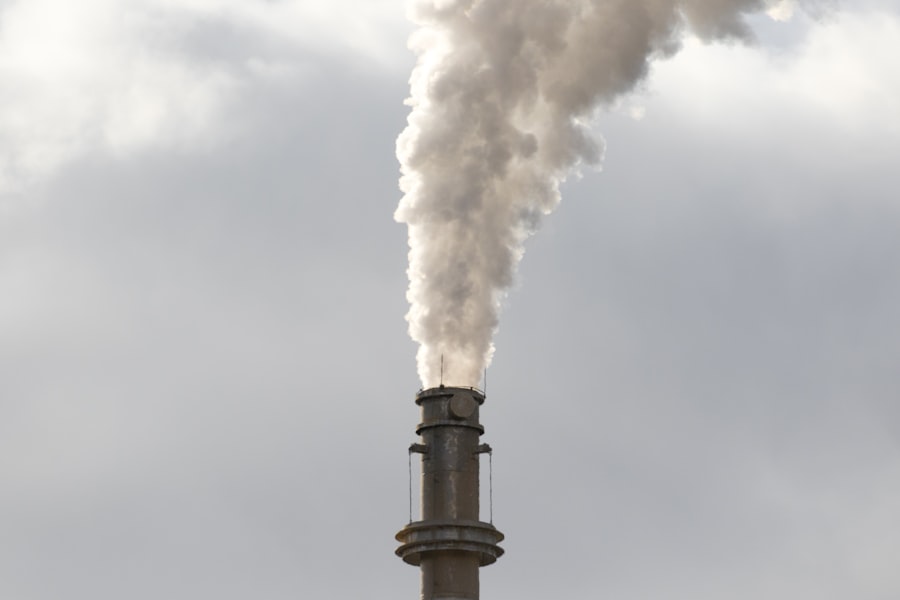
As you explore the sources of greenhouse gases, it becomes clear that human activities are a significant contributor. The burning of fossil fuels for energy—such as coal, oil, and natural gas—releases vast amounts of carbon dioxide into the atmosphere. This process occurs in power plants, vehicles, and industrial facilities, making transportation and energy production major culprits in greenhouse gas emissions.
You may also be surprised to learn that deforestation contributes significantly to this problem; when trees are cut down or burned, the carbon stored in their biomass is released back into the atmosphere. Agriculture is another key source of greenhouse gases that you might not immediately consider. Livestock farming produces methane, a potent greenhouse gas that is far more effective at trapping heat than carbon dioxide.
Additionally, the use of synthetic fertilizers releases nitrous oxide, another harmful gas. As you reflect on these sources, it becomes evident that addressing greenhouse gas emissions requires a multifaceted approach that encompasses various sectors of society.
The Health Risks Associated with Greenhouse Gases
The health risks associated with greenhouse gases are often overlooked but are critical to understanding their broader impact. As you consider your own well-being and that of your community, it’s important to recognize that air pollution from greenhouse gas emissions can lead to respiratory issues, cardiovascular diseases, and other serious health problems. For instance, particulate matter released during fossil fuel combustion can exacerbate asthma and other lung conditions, affecting vulnerable populations such as children and the elderly.
Furthermore, climate change driven by greenhouse gas emissions poses additional health risks. You may notice an increase in heat-related illnesses as global temperatures rise, particularly during summer months. The spread of vector-borne diseases like malaria and dengue fever can also be linked to changing climate conditions that allow disease-carrying insects to thrive in new regions.
By understanding these health risks, you can appreciate the urgency of taking action against greenhouse gas emissions—not just for environmental reasons but for your own health and that of future generations.
Ways to Reduce Greenhouse Gas Emissions
Reducing greenhouse gas emissions is a challenge that requires collective action at individual, community, and governmental levels. As you consider your role in this effort, there are several practical steps you can take. One effective way is to reduce your reliance on fossil fuels by opting for public transportation, carpooling, or biking whenever possible.
By making conscious choices about how you travel, you can significantly lower your carbon footprint. In addition to transportation changes, you can also focus on energy efficiency in your home. Simple actions like using energy-efficient appliances, switching to LED lighting, and improving insulation can lead to substantial reductions in energy consumption.
You might also consider supporting renewable energy sources such as solar or wind power. By advocating for policies that promote clean energy initiatives and investing in sustainable practices, you contribute to a larger movement aimed at mitigating climate change.
The Role of Greenhouse Gases in Global Warming
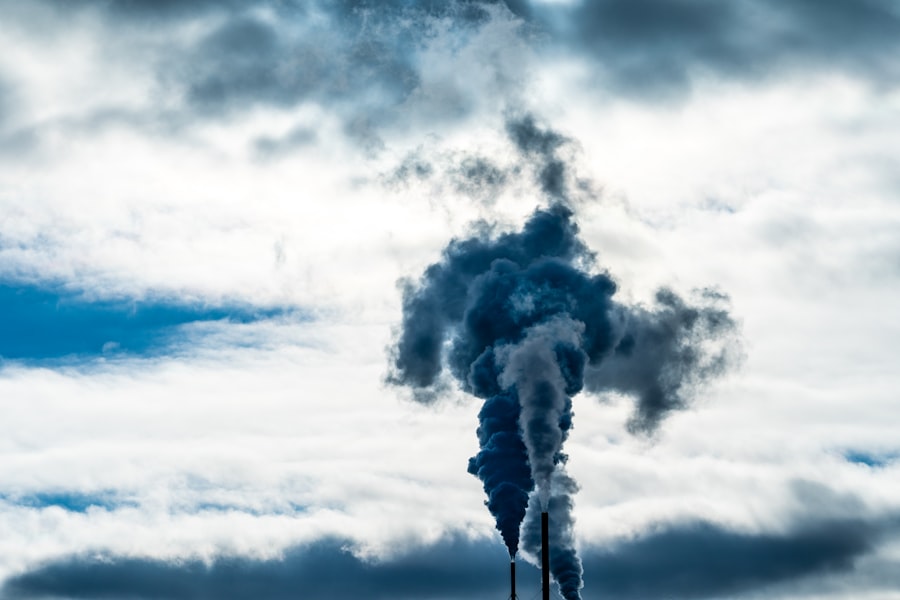
The role of greenhouse gases in global warming cannot be overstated; they are at the heart of this pressing issue. As you delve into the science behind global warming, you’ll find that the accumulation of these gases creates a thickening layer in the atmosphere that traps heat. This process leads to an increase in average global temperatures—a phenomenon that has been observed over the past century and is projected to continue if current trends persist.
You may also be interested to learn about feedback loops that exacerbate global warming. For instance, as polar ice melts due to rising temperatures, less sunlight is reflected back into space, leading to further warming. Similarly, thawing permafrost releases additional methane into the atmosphere, creating a vicious cycle that accelerates climate change.
Understanding these dynamics emphasizes the importance of addressing greenhouse gas emissions urgently; every action taken today can help mitigate future warming and its associated impacts.
The Economic Costs of Greenhouse Gas Emissions
The economic costs associated with greenhouse gas emissions are significant and far-reaching. As you consider the financial implications of climate change, it becomes clear that failing to address these emissions can lead to substantial economic losses. Natural disasters exacerbated by climate change—such as floods, wildfires, and hurricanes—result in billions of dollars in damages each year.
These costs are borne not only by governments but also by individuals and businesses affected by such events. Moreover, there are long-term economic consequences tied to public health issues stemming from air pollution and climate change. Increased healthcare costs due to respiratory illnesses and other health problems can strain public resources and impact productivity.
As you reflect on these economic factors, it becomes evident that investing in sustainable practices and reducing greenhouse gas emissions is not just an environmental imperative but also a sound economic strategy for ensuring a stable future.
Taking Action Against Invisible Enemies
In conclusion, taking action against greenhouse gases—often referred to as invisible enemies—requires awareness and commitment from all sectors of society. As you have explored throughout this article, these gases have far-reaching impacts on climate change, public health, and economic stability. Understanding their sources and effects empowers you to make informed choices that contribute to a healthier planet.
The urgency of addressing greenhouse gas emissions cannot be overstated; every small action counts toward creating a more sustainable future. Whether it’s advocating for policy changes or making conscious lifestyle choices, your efforts can contribute to a collective movement aimed at combating climate change. By recognizing the importance of this issue and taking proactive steps, you can play a vital role in protecting not only your own well-being but also that of future generations.
Together, we can confront these invisible enemies and work toward a more sustainable world for all.
In a related article on why planting trees can be bad for the environment, the impact of tree planting on ecosystems is explored. While trees are often seen as a solution to combatting greenhouse gas emissions, there are potential negative consequences to consider. This article delves into the complexities of tree planting initiatives and the importance of maintaining a balance in our world’s ecosystems. It serves as a reminder that environmental solutions must be carefully considered to avoid unintended consequences.
FAQs
What are greenhouse gases?
Greenhouse gases are gases in the Earth’s atmosphere that trap heat. They include carbon dioxide (CO2), methane (CH4), nitrous oxide (N2O), and fluorinated gases.
How do greenhouse gases contribute to climate change?
Greenhouse gases contribute to climate change by trapping heat in the Earth’s atmosphere, leading to a rise in global temperatures. This can result in various environmental impacts such as melting ice caps, rising sea levels, and extreme weather events.
What are the sources of greenhouse gas emissions?
Greenhouse gas emissions come from various sources, including the burning of fossil fuels for energy, deforestation, industrial processes, and agricultural activities.
What are the potential effects of increased greenhouse gas emissions?
Increased greenhouse gas emissions can lead to a range of potential effects, including more frequent and severe heatwaves, changes in precipitation patterns, disruptions to ecosystems and biodiversity, and negative impacts on human health.
How can individuals reduce their greenhouse gas emissions?
Individuals can reduce their greenhouse gas emissions by using energy more efficiently, choosing renewable energy sources, reducing waste and consumption, and making sustainable transportation choices.
What are some global efforts to address greenhouse gas emissions?
Global efforts to address greenhouse gas emissions include international agreements such as the Paris Agreement, which aims to limit global temperature rise, as well as initiatives to promote renewable energy, improve energy efficiency, and reduce deforestation.