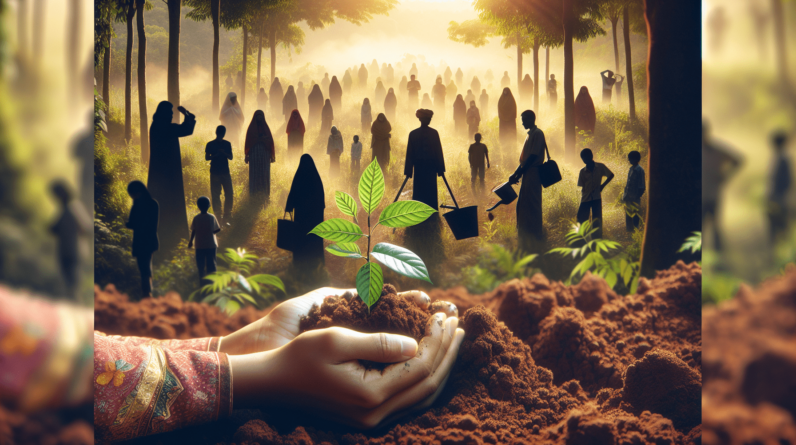
In your community, remarkable stories of environmental restoration are unfolding every day. “How Local Communities Are Leading Successful Reforestation Projects” shares the inspiring tales of grassroots initiatives that are making a tangible impact on the environment. Through dedicated local efforts, ordinary people like you are stepping up to plant trees, revive ecosystems, and foster sustainable practices. These projects not only nurture the planet but also bring neighbors closer, creating a sense of unity and purpose. Discover how your community can join the movement to heal the Earth, one tree at a time. Have you ever wondered how your local community can make a significant impact on the environment? You might be surprised to learn that communities all around the world are taking action through reforestation projects. These grassroots efforts are not only combating climate change but also bringing people closer together.
Understanding Reforestation
You might be asking yourself, what exactly is reforestation? Simply put, reforestation involves planting trees to restore forested areas that have been depleted either by natural events, logging, or other human activities. This process aims to improve biodiversity, sequester carbon, and restore ecosystems to their natural state.
Why is Reforestation Important?
Reforestation plays a critical role in environmental conservation for multiple reasons. Trees are nature’s air filters; they absorb carbon dioxide, purify the air, and release oxygen. Moreover, forests support a rich diversity of plants and animals, offering a habitat for numerous species.
Key Benefits of Reforestation
| Benefit | Description |
|---|---|
| Carbon Sequestration | Trees absorb CO2 from the air, helping reduce the greenhouse effect. |
| Biodiversity | Forests provide a habitat for diverse wildlife and plant species. |
| Soil Preservation | Tree roots anchor soil, reducing erosion and preserving nutrients. |
| Water Cycle Regulation | Forests play a role in maintaining the natural water cycle and purity. |
| Economic Opportunities | Reforestation can create jobs and boost local economies through tourism. |
The Role of Local Communities
Local communities are uniquely positioned to lead successful reforestation efforts. They have intimate knowledge of their environment and often a vested interest in preserving their land for future generations.
Community Involvement in Reforestation
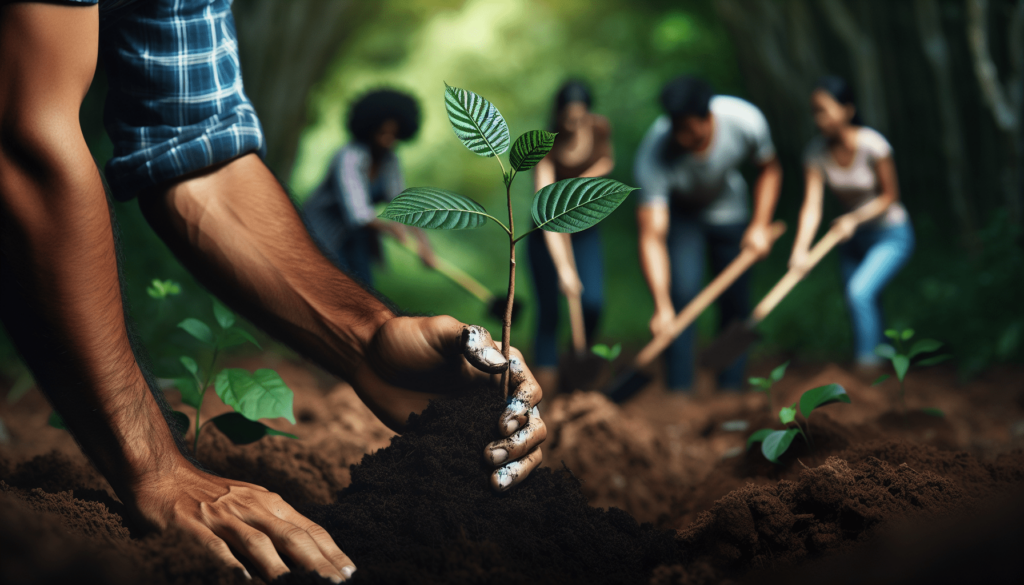
In many parts of the world, reforestation projects rely on the passion and dedication of local volunteers. These community members take part in planting trees, maintaining young forests, and educating others about the importance of reforestation.
Community-Driven Strategies
- Volunteer Planting Days: Organizing community events to plant trees fosters a shared sense of purpose.
- Educational Programs: Schools and local organizations can educate community members about the importance of reforestation.
- Citizen Science Initiatives: Local residents can monitor tree growth and health, providing valuable data for projects.
Case Studies of Successful Community-led Reforestation Projects
Let’s look at some stellar examples of how local communities have led successful reforestation efforts.
1. The Green Belt Movement in Kenya
Founded by environmentalist Wangari Maathai, the Green Belt Movement has been hugely successful in restoring forests across Kenya. The movement empowered women to plant over 51 million trees, combating deforestation and promoting sustainable land use practices.
Key Success Factors
- Community Involvement: Empowering local women fostered a strong, motivated workforce.
- Educational Initiatives: Teaching sustainable practices helped ensure the longevity of the project.
- Government Collaboration: Working with local and national governments facilitated resource allocation and support.
2. RE-GREEN Project in Haiti
Haiti has faced severe deforestation and environmental degradation. The RE-GREEN project mobilized local communities to plant native trees, restore ecosystems, and improve soil health.
Key Success Factors
- Local Knowledge: Utilizing native species ensured better survival rates and ecological integration.
- Community-Led Planning: Local residents helped design the project, ensuring it met their unique needs.
- Sustainable Practices: Focus on agroforestry provided economic benefits while restoring forests.

Challenges in Community-Led Reforestation Projects
Despite their successes, community-led reforestation projects also face several challenges. Understanding these can help you prepare and mitigate potential issues.
Common Obstacles
1. Funding and Resources
Securing the necessary funds and resources can be a significant hurdle. Grants, donations, and government support are often required to cover costs for seedlings, tools, and labor.
2. Technical Knowledge
Not all community members may possess the technical knowledge required for successful reforestation. This includes understanding which tree species are best suited for the climate and soil, as well as how to care for them as they grow.
3. Maintenance and Long-term Care
Planting the trees is just the beginning. Young forests require maintenance to protect against pests, disease, and competition from invasive species. This ongoing commitment can be a strain on community resources.
Strategies to Overcome Challenges
1. Diversified Funding Sources
Exploring multiple funding streams, such as government grants, private donations, and partnerships with environmental NGOs, can provide the financial stability needed for long-term success.
2. Training and Education
Investing in training programs can equip community members with essential skills and knowledge. Workshops conducted by forestry experts can be extremely beneficial.
3. Collaborative Efforts
Partnering with other communities, organizations, and government bodies can share the burden of maintenance and management, ensuring that the reforestation efforts are sustainable over the long term.
How You Can Get Involved
Feeling inspired? There are numerous ways you can become involved in local reforestation efforts. Whether it’s through volunteering your time, donating resources, or simply spreading the word, every bit helps.
Volunteering Opportunities
Check with local environmental organizations or community groups to find out about upcoming tree planting events or ongoing reforestation projects. Many organizations have regular volunteer days where you can get hands-on experience and make a real impact.
Advocating for Reforestation
Sometimes, spreading awareness can be just as powerful. Use your voice to advocate for local reforestation projects by joining campaigns, writing to your local government representatives, or sharing information on social media.
Supporting Through Donations
If you’re unable to volunteer physically, consider supporting reforestation efforts through donations. Many organizations accept financial contributions that go towards purchasing seedlings, tools, and other necessary resources.
Conclusion
Reforestation is critical to combating climate change and preserving biodiversity, and local communities play a pivotal role in these efforts. By leveraging local knowledge, fostering community involvement, and overcoming various challenges, communities around the world are leading successful reforestation projects.
Whether you’re getting your hands dirty planting trees, raising awareness, or supporting through donations, you can make a difference. So why not take the first step today? Your community, and the planet, will thank you for it.