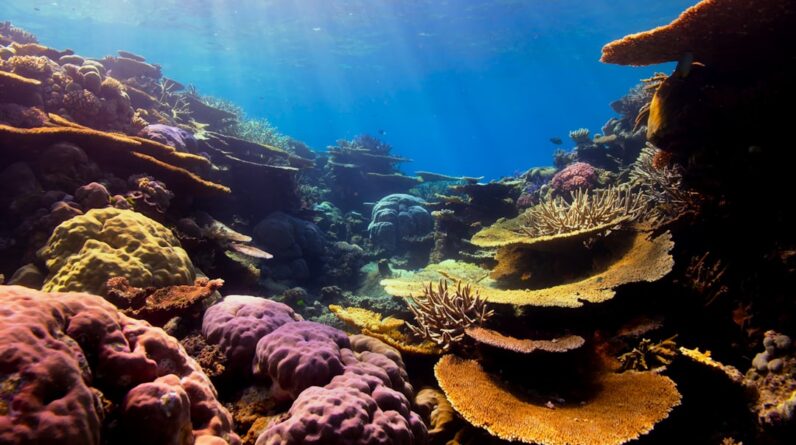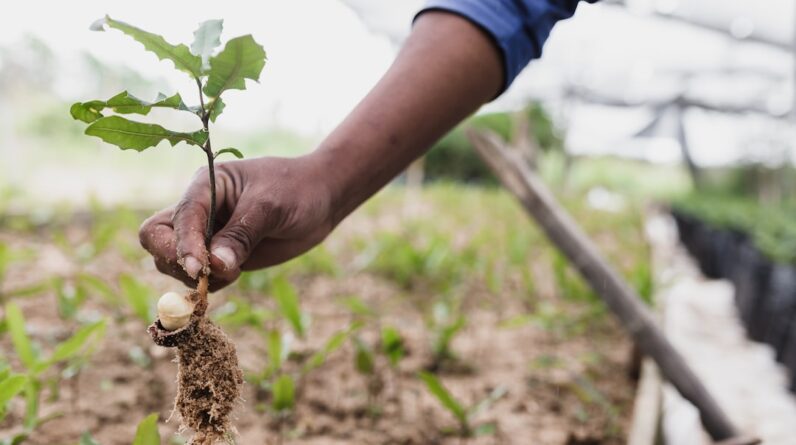
As you look around, it becomes increasingly evident that the planet is in distress. Deforestation, urbanization, and climate change have led to a significant loss of green spaces, which are vital for maintaining ecological balance. The urgency of re-greening the Earth cannot be overstated; it is not merely an environmental concern but a necessity for human survival.
The degradation of natural habitats has resulted in a decline in biodiversity, affecting food security and the overall health of ecosystems. You may find it alarming that the World Wildlife Fund reports that wildlife populations have declined by an average of 68% since 1970, a stark reminder of the consequences of neglecting our planet. Moreover, the repercussions of environmental degradation extend beyond the loss of flora and fauna.
Air quality deteriorates, water sources become polluted, and climate patterns shift unpredictably. As you consider these factors, it becomes clear that re-greening efforts are essential not only for restoring ecosystems but also for improving human health and well-being. Urban areas, often characterized by concrete jungles, suffer from heat islands and poor air quality.
By reintroducing greenery into these spaces, you can help mitigate these issues, creating healthier environments for yourself and future generations.
Key Takeaways
- Re-greening the Earth is an urgent necessity to combat climate change and restore ecosystems.
- Innovative techniques and technologies such as afforestation, agroforestry, and reforestation are crucial for re-greening efforts.
- Global efforts and initiatives, such as the Bonn Challenge and the Trillion Trees Initiative, are driving re-greening on a large scale.
- Governments play a key role in re-greening through policies that promote sustainable land use, conservation, and restoration.
- Challenges in re-greening include deforestation, land degradation, and lack of funding, but success stories show that re-greening can have a significant impact on biodiversity and ecosystems.
Innovative Techniques and Technologies for Re-Greening
In the quest to re-green the Earth, innovative techniques and technologies are emerging as powerful allies. You may be intrigued to learn about vertical gardens and green roofs, which are transforming urban landscapes into lush havens. These methods not only beautify cities but also improve air quality and reduce energy consumption.
By incorporating plants into building designs, you can help combat the urban heat island effect while providing habitats for various species. This approach exemplifies how creativity can lead to sustainable solutions that benefit both people and the planet. Another exciting development is the use of drones in re-greening efforts.
You might be surprised to discover that drones can efficiently plant seeds in hard-to-reach areas, such as deforested regions or rugged terrains. This technology allows for rapid reforestation on a large scale, significantly reducing the time and labor required for traditional planting methods. As you explore these advancements, it becomes clear that technology can play a crucial role in restoring ecosystems and enhancing biodiversity.
Global Efforts and Initiatives for Re-Greening
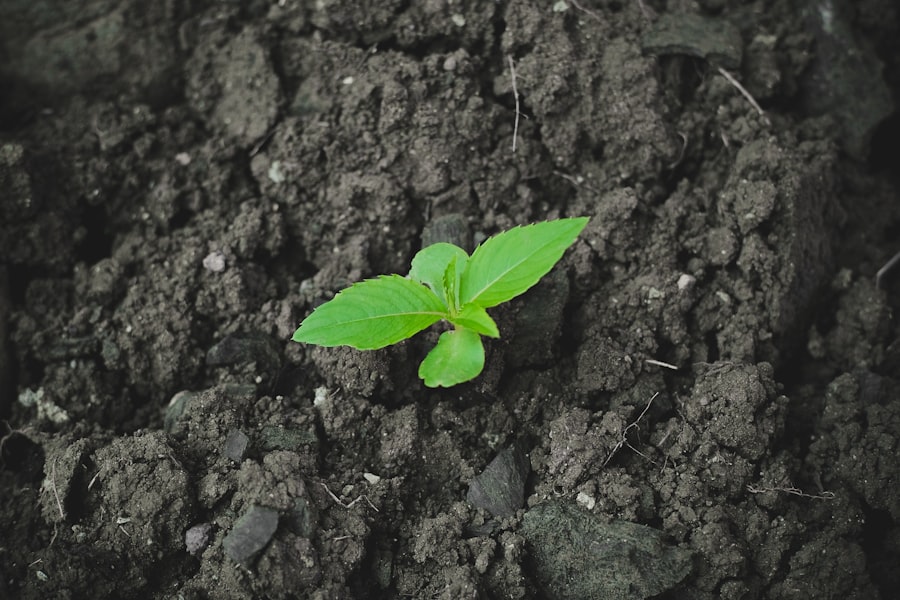
Across the globe, various initiatives are underway to promote re-greening efforts. You may have heard of the Bonn Challenge, which aims to restore 150 million hectares of deforested and degraded land by 2020, with a goal of 350 million hectares by 2030. This ambitious project brings together governments, NGOs, and private sectors to collaborate on reforestation efforts.
As you delve deeper into these global initiatives, you will find that they not only focus on planting trees but also emphasize sustainable land management practices that benefit local communities. In addition to the Bonn Challenge, the United Nations has launched the Decade on Ecosystem Restoration (2021-2030), which seeks to prevent, halt, and reverse the degradation of ecosystems worldwide. This initiative encourages countries to adopt policies that prioritize ecosystem restoration and sustainable land use.
As you consider your role in this global movement, you may feel inspired to participate in local re-greening projects or support organizations dedicated to environmental restoration.
The Role of Governments and Policies in Re-Greening
Governments play a pivotal role in facilitating re-greening efforts through policies and regulations. You might be surprised to learn that many countries have implemented laws aimed at protecting forests and promoting sustainable land use practices. For instance, some nations have established protected areas where logging and development are restricted, allowing ecosystems to recover naturally.
By advocating for such policies, you can contribute to a more sustainable future for your community and the planet. Furthermore, financial incentives can encourage landowners to engage in re-greening activities. You may find it encouraging that some governments offer subsidies or tax breaks for those who participate in reforestation projects or adopt sustainable agricultural practices.
By supporting these initiatives, you can help create a culture of environmental stewardship that prioritizes the health of our planet over short-term economic gains.
Challenges and Obstacles in the Race to Re-Green the Earth
Despite the growing momentum behind re-greening efforts, significant challenges remain. One major obstacle is the competing interests of economic development and environmental conservation. As you reflect on this issue, you may recognize that many countries prioritize industrial growth over ecological sustainability, leading to further deforestation and habitat destruction.
Balancing these interests requires a concerted effort from all stakeholders, including governments, businesses, and communities. Another challenge lies in the complexity of ecosystems themselves. You might be surprised to learn that simply planting trees is not enough; successful re-greening requires an understanding of local biodiversity and ecological dynamics.
Invasive species can hinder restoration efforts, while climate change can alter growing conditions unpredictably. As you consider these challenges, it becomes clear that a multifaceted approach is necessary to ensure the success of re-greening initiatives.
Success Stories and Impact of Re-Greening Efforts
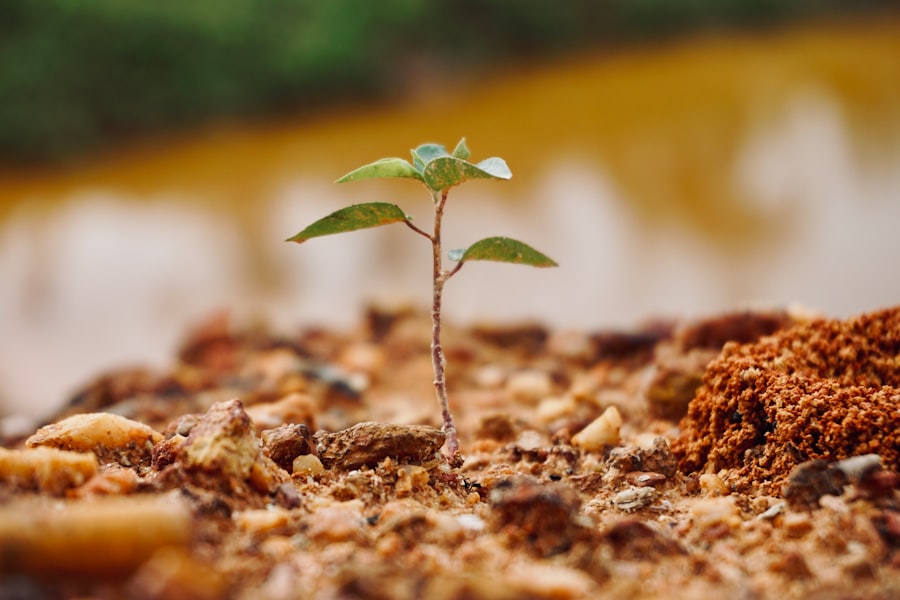
Amidst the challenges, there are numerous success stories that highlight the positive impact of re-greening efforts. You may be inspired by the story of Ethiopia, where a massive tree-planting campaign resulted in over 350 million trees being planted in just one day in 2019. This initiative not only contributed to reforestation but also engaged local communities in environmental stewardship.
As you learn about such successes, you may feel motivated to support similar initiatives in your area. Another remarkable example is the restoration of the Loess Plateau in China, where degraded land was transformed into productive farmland through sustainable land management practices. This project not only improved soil quality but also enhanced local livelihoods by increasing agricultural productivity.
As you reflect on these achievements, it becomes evident that re-greening efforts can yield significant social and economic benefits alongside environmental restoration.
The Importance of Re-Greening for Biodiversity and Ecosystems
Re-greening is crucial for preserving biodiversity and maintaining healthy ecosystems. You may be aware that diverse ecosystems provide essential services such as clean air and water, pollination of crops, and climate regulation. By restoring degraded habitats, you can help protect countless species from extinction while ensuring that ecosystems continue to function effectively.
The interconnectedness of life on Earth means that every effort counts; even small actions can contribute to larger conservation goals. Moreover, re-greening initiatives can enhance resilience against climate change impacts. As you consider the future of our planet, it becomes clear that healthy ecosystems are better equipped to adapt to changing conditions.
Forests act as carbon sinks, absorbing CO2 from the atmosphere and mitigating climate change effects. By prioritizing re-greening efforts, you can play a vital role in fostering resilience not only for wildlife but also for human communities facing climate-related challenges.
The Future of Re-Greening: Opportunities and Possibilities
Looking ahead, the future of re-greening holds immense opportunities and possibilities. You may find it exciting to think about how advancements in technology will continue to shape re-greening efforts. Innovations such as artificial intelligence and machine learning can enhance our understanding of ecosystems and improve restoration strategies.
As these technologies evolve, they will enable more efficient monitoring and management of re-greening projects. Additionally, there is a growing recognition of the importance of community involvement in re-greening initiatives. You might be inspired by grassroots movements that empower individuals to take action in their local environments.
By fostering a sense of ownership and responsibility towards nature, communities can drive meaningful change from the ground up. As you consider your role in this movement, remember that every action counts; whether it’s planting a tree or advocating for sustainable policies, your contributions can make a difference. In conclusion, the urgency of re-greening the Earth is undeniable as we face unprecedented environmental challenges.
Through innovative techniques, global initiatives, supportive policies, and community engagement, there is hope for restoring our planet’s health. By recognizing the importance of biodiversity and ecosystems while overcoming obstacles together, we can pave the way for a greener future filled with opportunities for all living beings on Earth.
In a related article on Live Life with a Cause, the importance of planting trees in combating deforestation is discussed. The article highlights how reforestation efforts play a crucial role in restoring ecosystems and mitigating the effects of climate change. To learn more about how planting trees can help combat deforestation, visit Live Life with Purpose: Good Purpose and Live Life with a Cause.
FAQs
What is the global race to re-green the Earth?
The global race to re-green the Earth refers to the collective efforts of countries, organizations, and individuals to restore and rehabilitate degraded ecosystems, combat deforestation, and mitigate the impacts of climate change through reforestation and afforestation initiatives.
Why is re-greening the Earth important?
Re-greening the Earth is important for several reasons, including mitigating climate change by sequestering carbon dioxide, restoring biodiversity and ecosystem services, improving soil health, enhancing water quality, and providing livelihood opportunities for local communities.
What are some re-greening initiatives around the world?
Re-greening initiatives around the world include the Great Green Wall in Africa, the Bonn Challenge, the Trillion Trees Initiative, the 20×20 Initiative in Latin America, and various national reforestation and afforestation programs implemented by governments and non-governmental organizations.
How can individuals contribute to the global race to re-green the Earth?
Individuals can contribute to the global race to re-green the Earth by supporting reforestation and afforestation projects, reducing their carbon footprint, participating in tree planting activities, advocating for sustainable land use practices, and raising awareness about the importance of restoring degraded ecosystems.