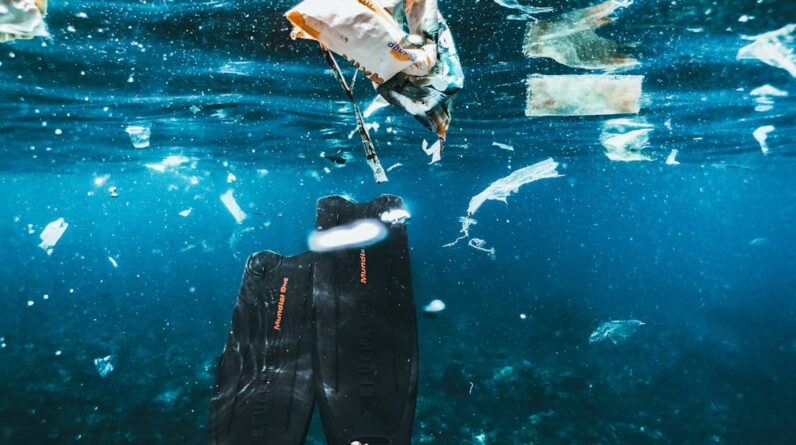
As you delve into the depths of the ocean, you may be surprised to learn about the phenomenon known as ocean dead zones. These areas, characterized by severely depleted oxygen levels, pose a significant threat to marine life. When oxygen levels drop below a critical threshold, fish and other marine organisms struggle to survive.
You might envision vast stretches of water where vibrant ecosystems once thrived, now reduced to barren landscapes devoid of life. The consequences of these dead zones extend beyond the immediate loss of biodiversity; they disrupt entire food chains and alter the delicate balance of marine ecosystems. The impact on marine life is profound and multifaceted.
Species that rely on oxygen-rich waters, such as fish, crustaceans, and mollusks, are particularly vulnerable. As you consider the implications, think about how these dead zones can lead to mass die-offs of fish populations, which in turn affects the livelihoods of fishermen and coastal communities that depend on these resources. Moreover, the loss of biodiversity can have cascading effects on the ecosystem, leading to an increase in harmful algal blooms and a decrease in the resilience of marine habitats.
The intricate web of life in the ocean is fragile, and dead zones threaten to unravel it, leaving you to ponder the long-term consequences for both marine life and human society.
Key Takeaways
- Ocean dead zones have a significant impact on marine life, leading to decreased biodiversity and fish populations.
- Emission sources such as agricultural runoff and industrial waste contribute to the creation of ocean dead zones.
- Government regulations and policies play a crucial role in addressing and preventing ocean dead zones.
- Corporations have a responsibility to reduce pollution and be held accountable for their impact on ocean health.
- International efforts are essential in combating ocean dead zones, as pollution knows no boundaries.
The Role of Emission Sources in Creating Ocean Dead Zones
Understanding the origins of ocean dead zones requires you to examine the various emission sources that contribute to this environmental crisis. One of the primary culprits is nutrient pollution, primarily from agricultural runoff. When fertilizers are washed into rivers and eventually flow into the ocean, they introduce excessive amounts of nitrogen and phosphorus into the water.
This nutrient overload stimulates algal blooms, which, while initially appearing vibrant and lively, ultimately lead to oxygen depletion as they decay. You may find it alarming that these seemingly innocuous agricultural practices can have such far-reaching consequences for marine ecosystems. In addition to agricultural runoff, urban wastewater and industrial discharges also play a significant role in creating dead zones.
As you consider urbanization’s impact on waterways, think about how cities contribute to pollution through stormwater runoff and sewage overflow. These pollutants not only exacerbate nutrient loading but can also introduce harmful chemicals and pathogens into marine environments. The cumulative effect of these emissions creates a perfect storm for dead zones to flourish, leaving you with a sense of urgency to address these sources of pollution before they further compromise ocean health.
Government Regulations and Policies to Address Ocean Dead Zones
Governments around the world are beginning to recognize the severity of ocean dead zones and are taking steps to implement regulations aimed at mitigating their impact. You may be interested to learn about various policies designed to reduce nutrient pollution from agricultural practices. For instance, some countries have introduced stricter guidelines on fertilizer application, encouraging farmers to adopt more sustainable practices that minimize runoff.
These regulations not only aim to protect marine ecosystems but also promote responsible land use that benefits both agriculture and the environment. However, while regulations are essential, their effectiveness often hinges on enforcement and public awareness. You might find it disheartening that many existing policies are inadequately enforced or lack the necessary funding for implementation.
This gap between policy and practice highlights the need for increased collaboration between government agencies, scientists, and local communities. By fostering partnerships and promoting education about the importance of healthy oceans, you can play a role in advocating for stronger regulations that protect marine life from the devastating effects of dead zones.
Corporate Responsibility and Accountability for Pollution
As you explore the issue of ocean dead zones further, it becomes clear that corporate responsibility plays a crucial role in addressing pollution. Many industries contribute to nutrient runoff and other forms of pollution that lead to dead zones. You may be surprised to learn that large agricultural corporations often prioritize profit over environmental stewardship, leading to practices that harm marine ecosystems.
This raises important questions about accountability: How can corporations be held responsible for their environmental impact? What measures can be taken to ensure they adopt more sustainable practices? One approach is through increased transparency and public pressure.
As a consumer, your choices can influence corporate behavior. By supporting companies that prioritize sustainability and hold them accountable for their environmental practices, you contribute to a shift toward more responsible business models. Additionally, regulatory frameworks can be strengthened to impose penalties on companies that fail to comply with environmental standards.
You might find it empowering to know that collective action—whether through consumer advocacy or policy reform—can drive corporations toward more sustainable practices that ultimately benefit both marine life and human communities.
International Efforts to Combat Ocean Dead Zones
The issue of ocean dead zones transcends national borders, making international cooperation essential in addressing this global challenge. You may be intrigued by various international agreements aimed at reducing nutrient pollution and protecting marine ecosystems. For instance, initiatives like the United Nations Sustainable Development Goals emphasize the importance of healthy oceans and sustainable fisheries.
These global frameworks encourage countries to collaborate on research, share best practices, and implement policies that mitigate pollution. Moreover, international organizations play a vital role in raising awareness about ocean dead zones and mobilizing resources for research and conservation efforts. As you consider the significance of these collaborations, think about how they foster a sense of shared responsibility among nations.
By working together, countries can develop comprehensive strategies that address the root causes of dead zones while promoting sustainable development. Your engagement in supporting these international efforts can contribute to a more unified approach to ocean conservation.
Community Activism and Grassroots Movements to Fight Pollution
While government policies and international agreements are crucial in combating ocean dead zones, grassroots movements and community activism are equally important in driving change at the local level. You may find inspiration in stories of individuals and organizations dedicated to raising awareness about pollution’s impact on marine ecosystems. These activists often mobilize communities to take action—whether through beach cleanups, educational campaigns, or advocacy for stronger environmental protections.
Community engagement is vital in fostering a sense of ownership over local waterways and marine environments. As you reflect on your own community’s relationship with the ocean, consider how grassroots movements can empower individuals to become stewards of their environment. By participating in local initiatives or supporting organizations focused on ocean conservation, you contribute to a collective effort that amplifies voices advocating for change.
Your involvement can help create a ripple effect that inspires others to take action against pollution and protect marine life.
Scientific Research and Technology to Monitor and Address Ocean Dead Zones
Scientific research plays a pivotal role in understanding ocean dead zones and developing effective strategies for mitigation. As you explore this topic further, you may be fascinated by advancements in technology that enable researchers to monitor water quality and track changes in marine ecosystems. Tools such as remote sensing satellites and underwater drones provide valuable data on nutrient levels, oxygen depletion, and algal blooms—information essential for assessing the health of our oceans.
Moreover, ongoing research efforts aim to identify innovative solutions for reducing nutrient pollution and restoring affected areas. You might be intrigued by projects focused on developing sustainable agricultural practices or exploring bioremediation techniques that utilize natural processes to clean up polluted waters. By supporting scientific research and advocating for its application in policy-making, you contribute to a more informed approach to addressing ocean dead zones.
Your engagement with science can help bridge the gap between research findings and practical solutions that benefit both marine life and human communities.
The Future of Ocean Conservation and the Fight Against Pollution
As you contemplate the future of ocean conservation in light of ongoing pollution challenges, it becomes clear that collective action is essential for meaningful change. The fight against ocean dead zones requires collaboration among governments, corporations, communities, scientists, and individuals like yourself. You may feel a sense of urgency as you recognize that time is running out to protect our oceans from further degradation.
Looking ahead, envision a future where sustainable practices are the norm rather than the exception—a world where healthy oceans support thriving ecosystems and resilient coastal communities. Your role in this vision is crucial; by advocating for responsible policies, supporting sustainable businesses, engaging in community activism, and promoting scientific research, you contribute to a movement dedicated to preserving our oceans for generations to come. Together, we can combat pollution and ensure that our oceans remain vibrant ecosystems teeming with life—a legacy worth fighting for.
In a related article, How Does Planting Trees Help Climate Change?, the importance of reforestation and afforestation in combating climate change is discussed. Planting trees can help absorb carbon dioxide from the atmosphere, reducing greenhouse gas emissions and mitigating the effects of global warming. This article highlights the positive impact that planting trees can have on the environment and emphasizes the need for sustainable practices to address environmental issues like ocean dead zones caused by pollution.
FAQs
What are ocean dead zones?
Ocean dead zones are areas in the ocean where oxygen levels are extremely low, making it difficult for marine life to survive. These dead zones are often caused by pollution, particularly from agricultural runoff and industrial waste.
How do pollutants contribute to ocean dead zones?
Pollutants such as nitrogen and phosphorus from agricultural fertilizers and sewage can cause excessive algae growth in the ocean. When these algae die and decompose, they consume oxygen, leading to low oxygen levels in the water and creating dead zones.
What are the political implications of ocean dead zones?
The politics of pollution and ocean dead zones involve holding emitters accountable for their contributions to the problem. This can involve implementing regulations, enforcing environmental laws, and promoting sustainable practices to reduce pollution and protect marine ecosystems.
What are some solutions to address ocean dead zones?
Solutions to address ocean dead zones include implementing better agricultural practices to reduce runoff, improving wastewater treatment processes, and enforcing regulations to limit pollution from industrial sources. Additionally, promoting public awareness and education about the impact of pollution on marine environments is crucial.