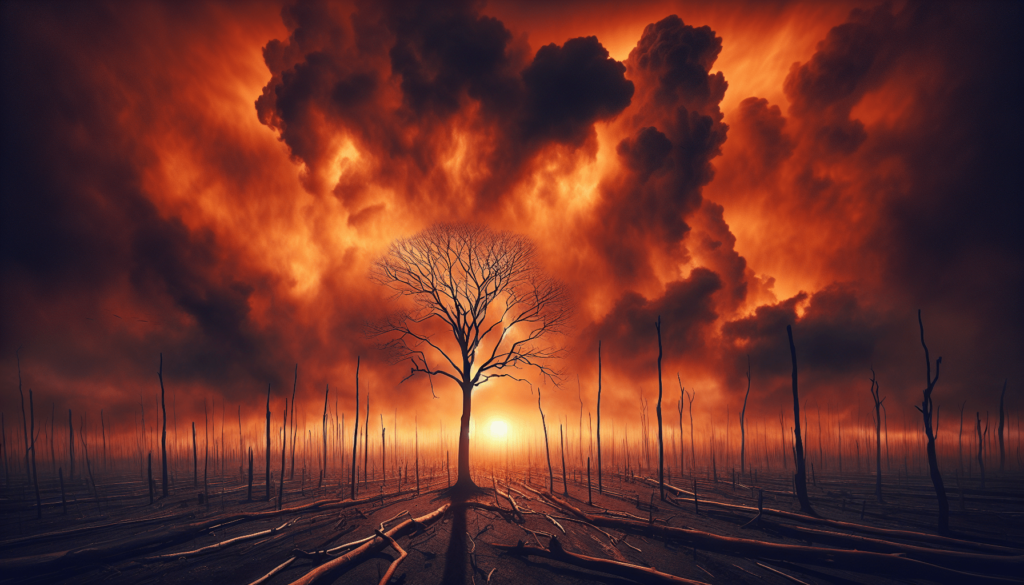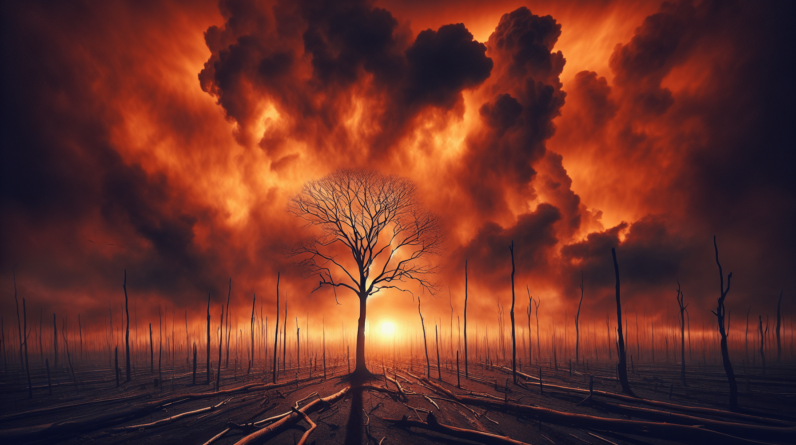
Have you ever wondered how the health of our planet affects your daily life? The evolving crisis of global warming and deforestation is not just about melting ice caps or disappearing rainforests; it directly impacts your well-being, the economy, and the general sustainability of ecosystems. But what exactly makes these phenomena so dire, and how interlinked are they?
Understanding Global Warming
Global warming is a term you’ve probably heard often, but what does it really mean? Essentially, global warming refers to the long-term rise in Earth’s average surface temperature due to human activities, especially the emission of greenhouse gases like carbon dioxide (CO₂) and methane (CH₄).
Causes of Global Warming
The primary drivers of global warming are activities that release huge amounts of greenhouse gases. These include:
-
Burning Fossil Fuels: Activities like driving cars, generating electricity, and industrial processes rely heavily on fossil fuels. This releases vast quantities of CO₂ into the atmosphere.
-
Agriculture: Livestock farming releases both methane and nitrous oxide, potent greenhouse gases. Fertilizers used in crop production also contribute to greenhouse gas emissions.
-
Deforestation: Trees absorb CO₂, so cutting them down results in more CO₂ in the atmosphere, exacerbating global warming.
Impacts of Global Warming
The effects of global warming can already be observed and are likely to become more severe and widespread if actions are not taken. Some impacts include:
-
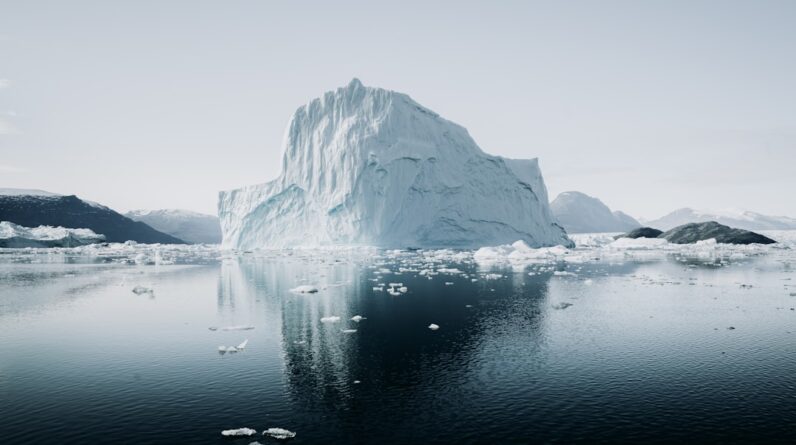
Rising Sea Levels: Melting ice caps and thermal expansion of seawater are causing sea levels to rise, threatening coastal communities.
-
Extreme Weather: Global warming is linked to increased frequency and severity of extreme weather events, such as hurricanes, droughts, and heatwaves.
-
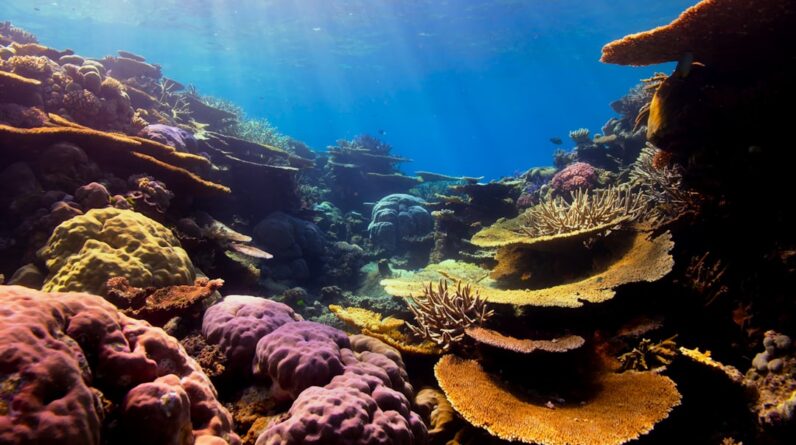
Biodiversity Loss: Many species are struggling to adapt to the rapidly changing climate, leading to disruptions in ecosystems and some species going extinct.
Mitigation and Adaptation
To combat global warming, actions can be categorized into two main strategies:
-
Mitigation: This involves reducing the flow of greenhouse gases into the atmosphere. Examples include promoting renewable energy, enhancing energy efficiency, and reforestation.
-
Adaptation: These are strategies aimed at adjusting our lifestyles and infrastructure to minimize the impacts of global warming. Examples include improving flood defenses and developing drought-resistant crops.

Understanding Deforestation
You might picture deforestation as simply the act of cutting down trees, but it’s a lot more complex than that. Deforestation includes the conversion of forested areas to non-forest land for uses such as agriculture, logging, or urban development. This not only affects the land where trees were but also has wider ecological consequences.
Causes of Deforestation
The reasons for deforestation are varied and often driven by economic pressures:
-
Agricultural Expansion: Forests are often cleared to make way for crops like soy, palm oil, and cattle grazing.
-
Logging: Trees are cut down for timber and paper products, often illegally.
-
Infrastructure Development: Roads, highways, and urban expansion lead to the clearing of vast forested areas.
-
Mining Activities: Extracting resources like gold and bauxite can lead to large-scale deforestation.
Impacts of Deforestation
Deforestation has far-reaching effects not just on the environment but also on human societies:
-
Loss of Biodiversity: Forests are home to a plethora of species. When these habitats are destroyed, many species face extinction.
-
Climate Change: Trees play a critical role in absorbing CO₂. Fewer trees mean greater concentrations of CO₂ in the atmosphere, exacerbating global warming.
-
Soil Erosion: Trees anchor the soil. Without them, soil erosion can occur, leading to loss of fertile land and increased flooding.
-
Displacement of Indigenous Communities: Many indigenous communities depend on forests for their livelihoods. Deforestation displaces these communities, leading to social and economic challenges.
The Interconnection Between Global Warming and Deforestation
Understanding the symbiotic relationship between global warming and deforestation is essential for grasping the gravity of the situation. One problem exacerbates the other, creating a vicious cycle.
The Carbon Cycle and Forests
Forests play a crucial role in the global carbon cycle. Trees absorb CO₂ during photosynthesis and store it as carbon in their biomass (trunks, roots, branches). When forests are cut down, not only is this carbon storage lost, but the carbon stored in trees is also released back into the atmosphere as CO₂, thereby raising greenhouse gas concentrations.
Impact on Weather Patterns
Deforestation can alter weather patterns, which in turn can impact global warming. Forests influence local and global weather by regulating moisture and affecting cloud formation. Their removal can lead to more extreme weather conditions, affecting agricultural productivity and water resources.
Biodiversity As a Natural Buffer
Healthy, biodiverse ecosystems are more resilient to changes and can act as buffers against climate change. Forests with high biodiversity can adapt more readily to changing conditions, whereas deforested areas lose this adaptive capability, making them and surrounding regions more susceptible to the adverse effects of global warming.
Protective Measures: A Dual Approach
Combating these dual threats requires a holistic approach. Efforts to reforest and promote sustainable land-use practices can simultaneously mitigate the effects of global warming and reduce deforestation rates. Policies and actions that incentivize the protection and restoration of forests should be prioritized to create a sustainable and balanced ecosystem.
| Strategy | Description | Examples |
|---|---|---|
| Mitigation | Reduce greenhouse gases | Renewable energy, Energy efficiency |
| Adaptation | Adjust to climate impacts | Flood defenses, Drought-resistant crops |
| Sustainable land-use | Balance human activity with environmental preservation | Agroforestry, Eco-tourism |
| Reforestation/Afforestation | Replanting trees in deforested areas | National reforestation programs |

Practical Steps You Can Take
Given the global scale of these issues, it’s easy to feel powerless. However, there are several impactful steps you can take.
Reduce, Reuse, Recycle
The three Rs help minimize waste, reduce the demand for new products, and consequently decrease deforestation. For example, recycling paper reduces the need to cut down trees for new paper products.
Support Sustainable Products
By choosing products certified as sustainably sourced, like FSC-certified wood or RSPO-certified palm oil, you can help drive demand for goods produced with minimal environmental impact.
Advocate for Policy Changes
Your voice matters in urging governments and organizations to prioritize sustainable practices. Whether it’s through voting, petitions, or awareness campaigns, public pressure can lead to significant policy changes.
Educate and Empower Others
Knowledge is power, and spreading awareness about the severity of global warming and deforestation can inspire collective action. Encourage your community to adopt sustainable practices and make environmentally conscious decisions.
Conclusion
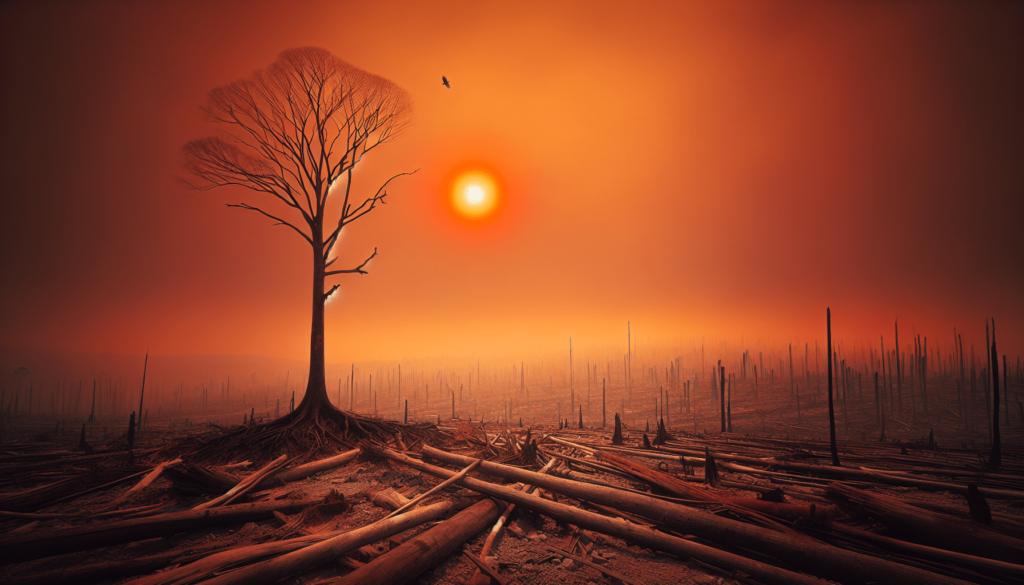
Understanding the interlinked challenges of global warming and deforestation is crucial for addressing them effectively. These two issues, while severe on their own, exacerbate each other in ways that threaten the planet’s health and your quality of life. Through informed decisions, sustainable practices, and collective action, significant strides can be made towards a more sustainable and healthier Earth. Remember, every small action counts when it comes to combating the deadly duo of global warming and deforestation.