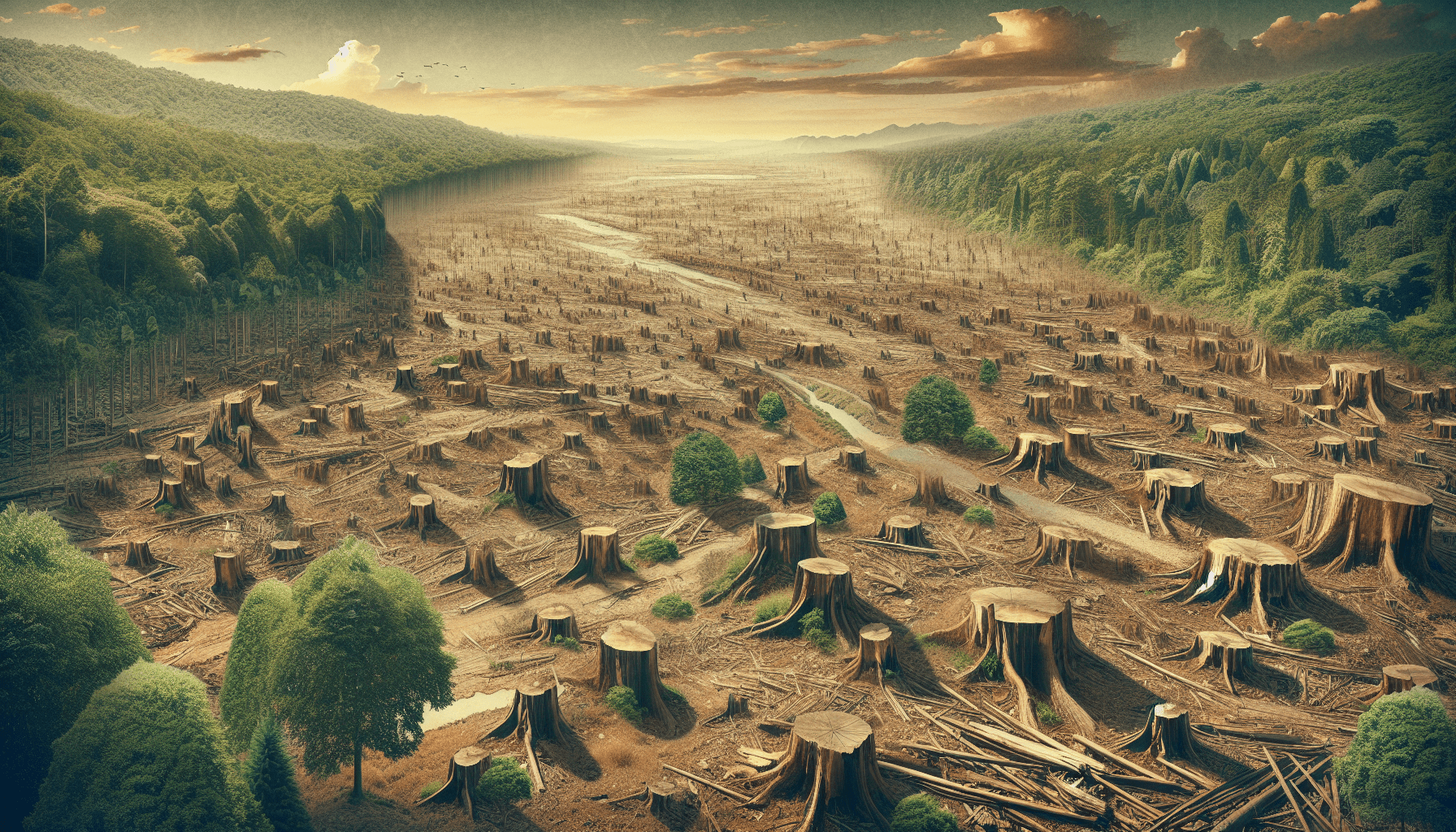
Have you ever considered how much of an impact deforestation has on global warming? It’s a topic often overshadowed by industrial pollution and fossil fuels, yet its effects are equally, if not more, impactful. Global warming is a multifaceted issue, and understanding the unseen effects of deforestation is vital for making informed decisions about our environment.
Understanding Global Warming
Global warming refers to the long-term rise in Earth’s average temperature. It’s primarily driven by human activities that increase concentrations of greenhouse gases in the atmosphere. Carbon dioxide, methane, and nitrous oxide trap heat. This warming effect fundamentally alters our climate, leading to more extreme weather events, rising sea levels, and shifts in ecosystems.
Key Contributors to Global Warming
Many elements contribute to global warming, including:
| Contributor | Description |
|---|---|
| Greenhouse Gases | Emitted through burning fossil fuels, deforestation, and industrial processes |
| Industrial Activity | Manufacturing and energy production that emit CO2 and other pollutants |
| Agricultural Practices | Methane emissions from livestock and rice paddies |
| Deforestation | Reduces Earth’s capacity to absorb CO2, exacerbating warming effects |
Understanding these contributors helps frame our discussion about the particular impact of deforestation on global warming.
What is Deforestation?
Deforestation involves the large-scale removal of trees, often to make space for agriculture, mining, or urban development. It results in the permanent destruction of forests and has wide-reaching environmental consequences.
Causes of Deforestation
Several key factors drive deforestation:
| Cause | Description |
|---|---|
| Agriculture | Clearing forests to plant crops or raise livestock |
| Logging | Harvesting wood for timber and paper products |
| Urbanization | Expanding cities and infrastructure |
| Mining | Extracting minerals and fossil fuels |
Immediate Effects of Deforestation
The immediate effects of deforestation include habitat loss, reduced biodiversity, and disruption of water cycles. Without trees to anchor fertile soil, erosion and sedimentation increase, harming nearby water bodies.
Deforestation and Carbon Sequestration
One of the unseen effects of deforestation on global warming is its impact on carbon sequestration. Trees absorb CO2 during photosynthesis, playing a crucial role in controlling the amount of carbon in the atmosphere.
The Carbon Cycle
The carbon cycle is a natural process involving the exchange of carbon among the atmosphere, oceans, soil, and living organisms. Here’s how it generally works:
- Photosynthesis: Trees and plants absorb CO2 and convert it into oxygen and glucose.
- Respiration: Animals and plants release CO2 back into the atmosphere through respiration.
- Decay: Dead organisms decompose, releasing stored carbon into the soil and atmosphere.
- Combustion: Burning fossil fuels and biomass releases stored carbon as CO2.
Impact of Deforestation on Carbon Cycle
When forests are cleared, two significant changes occur:
- Reduction in CO2 Absorption: Fewer trees mean less CO2 is absorbed from the atmosphere.
- Release of Stored Carbon: Trees store large amounts of carbon. Cutting and burning them release this carbon into the atmosphere, increasing CO2 levels.
Here’s a table to illustrate these effects:
| Factor | Impact of Deforestation |
|---|---|
| CO2 Absorption | Decreases due to loss of trees |
| Stored Carbon Release | Increases as trees are cut and burned |
| Overall Carbon Levels | Increase in the atmosphere, contributing to global warming |
The Link Between Deforestation and Climate Change
The linkage between deforestation and climate change is unavoidable. Forests act as carbon sinks, absorbing more carbon than they release. Their destruction undermines this crucial function.
How Deforestation Exacerbates Global Warming
- Increased Greenhouse Gas Emissions: Deforestation contributes approximately 10-15% of global carbon emissions.
- Loss of Carbon Sink: Fewer trees mean less carbon is stored in biomass and soils.
- Alteration of Local Climates: Trees play a role in local weather patterns, helping to cycle water through evaporation and transpiration. Their absence can lead to drier and hotter local climates.
Climate Feedback Loops
Deforestation can trigger feedback loops that further exacerbate climate change. For instance:
- Albedo Effect: Forests have a low albedo (reflectivity), absorbing more sunlight. When cleared, the land often reflects more sunlight, potentially altering local climates and contributing to warming.
- Reduced Rainfall: Deforestation can lead to reduced moisture and rainfall, which in turn affects agricultural productivity and local water supplies.
Here’s a simplified breakdown:
| Feedback Loop | Explanation |
|---|---|
| Albedo Effect | Increase in reflectivity leading to changes in local temperatures |
| Reduced Rainfall | Less transpiration from trees affecting local precipitation |
The Role of Forests in Mitigating Global Warming
Understanding the pivotal role forests play is critical in addressing global warming. Their conservation and sustainable management can significantly mitigate climate change impacts.
Forest Ecosystems as Carbon Sinks
Forests sequester carbon in vegetation and soil. Tropical forests are particularly effective, storing upwards of 250 metric tons of carbon per hectare.
Reforestation and Afforestation
Reforestation (replanting trees in deforested areas) and afforestation (planting trees in areas that were not previously forested) are strategies to enhance carbon sequestration.
Benefits of Reforestation and Afforestation
- Carbon Storage: New trees absorb CO2, countering emissions.
- Biodiversity Enhancement: Support diverse plant and animal life.
- Water Cycle Regulation: Improve local water cycles through root systems and transpiration.
Global Efforts to Combat Deforestation
Various international initiatives and agreements aim to reduce deforestation and promote forest conservation.
UN REDD Program
The United Nations Programme on Reducing Emissions from Deforestation and Forest Degradation (UN REDD) supports developing countries in reducing deforestation and forest degradation. It offers financial incentives for maintaining forest cover.
Paris Agreement
The Paris Agreement aims to keep the global temperature rise well below 2 degrees Celsius. Forest conservation is a central component, encouraging reforestation and sustainable forest management practices.
Sustainable Forestry
Adopting sustainable forestry practices ensures that wood and forest products are harvested in environmentally responsible ways.
Key Practices in Sustainable Forestry:
| Practice | Description |
|---|---|
| Selective Logging | Harvesting trees in a way that preserves the overall forest health |
| Agroforestry | Integrating trees and shrubs into agricultural landscapes |
| Certification Programs | Programs like FSC (Forest Stewardship Council) certify sustainable practices |

What You Can Do
Addressing global warming requires collective action at the individual, local, and global levels. Here are specific steps you can take to contribute positively.
Support Sustainable Products
Choosing products certified by bodies like the FSC ensures your purchases promote responsible forest management.
Reduce Paper and Wood Usage
Minimize waste by reducing paper use, recycling, and choosing recycled products.
Participate in Reforestation Projects
Engage in or financially support reforestation and conservation projects to make a tangible impact.
Educate and Advocate
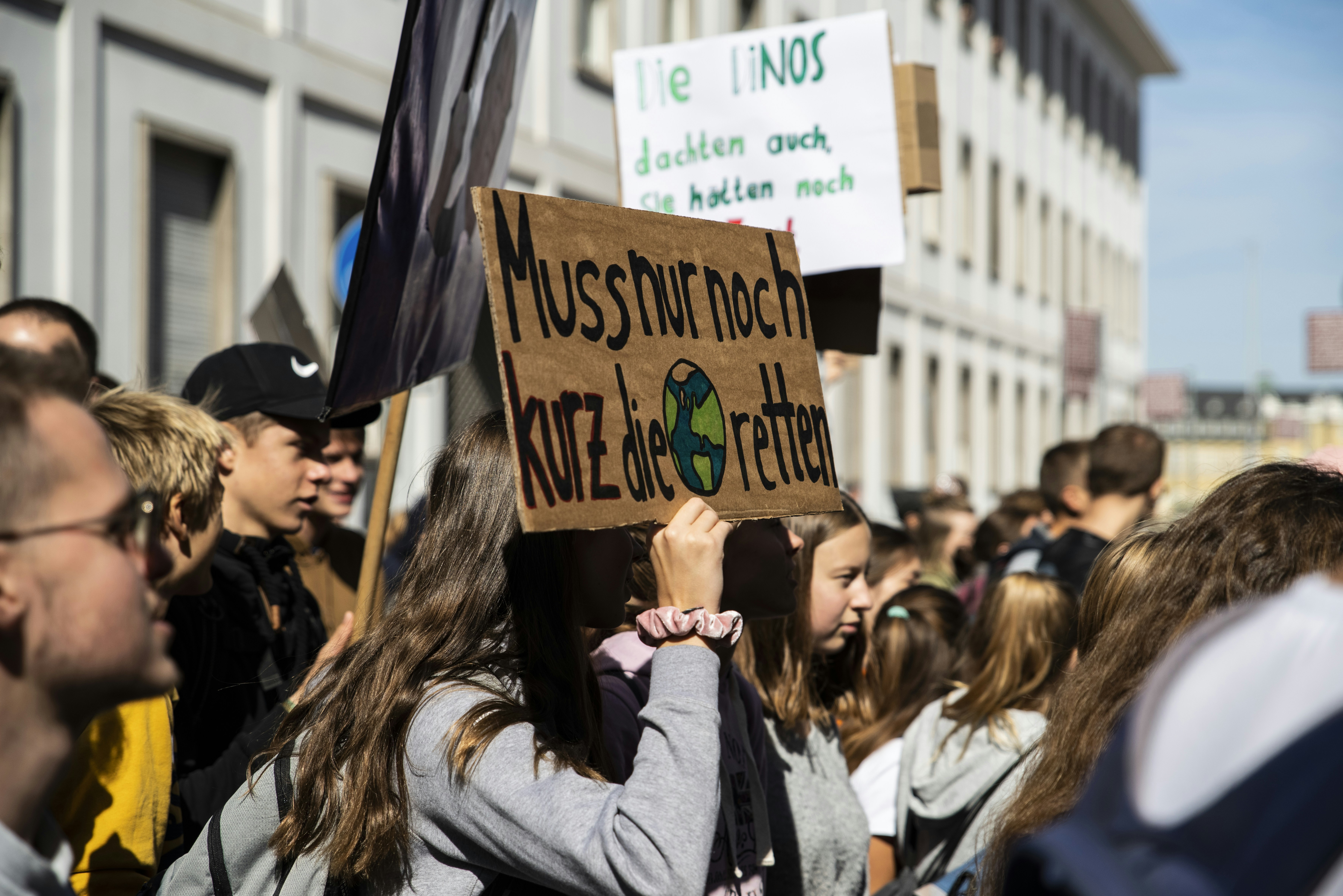
Raise awareness about the unseen effects of deforestation on global warming. Advocate for policies and practices that prioritize forest conservation.
Adopt a Plant-Based Diet
Reducing meat consumption lowers the demand for agricultural land, indirectly reducing the need for deforestation.
Conclusion
Understanding the unseen effects of deforestation on global warming is crucial in the broader context of combating climate change. Trees and forests play an indispensable role in sequestering carbon, regulating local climates, and maintaining biodiversity. Deforestation not only releases stored carbon but also weakens our natural ability to mitigate climate change. Sustainable practices, reforestation, and international cooperation are essential to counter this trend. By taking informed actions, both individually and collectively, you can help secure a healthier planet for future generations.