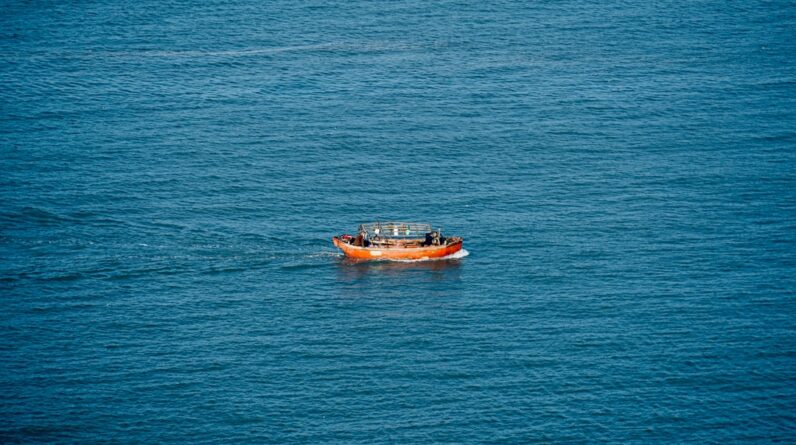
As you gaze out over the vast expanse of the ocean, it’s easy to overlook the critical role these waters play in sustaining life on Earth. The oceans are not just a beautiful backdrop; they are vital to the planet’s health and well-being. One of their most significant contributions is the production of oxygen, which is essential for the survival of nearly all living organisms.
It is estimated that the oceans produce about 50% to 80% of the oxygen we breathe, primarily through the process of photosynthesis carried out by marine organisms. Understanding this process and its implications is crucial for appreciating the interconnectedness of life on Earth. The oceans serve as a massive reservoir of biodiversity, housing countless species that contribute to oxygen production.
From the smallest microorganisms to the largest whales, each plays a role in maintaining the delicate balance of our ecosystem. As you delve deeper into this topic, you will discover how vital it is to protect these marine environments, not only for their beauty and biodiversity but also for their essential function in producing the oxygen that sustains life on land and in water.
Key Takeaways
- Oxygen production in oceans is crucial for supporting marine life and maintaining a healthy planet.
- Phytoplankton play a key role in oxygen production through photosynthesis, contributing to over half of the world’s oxygen supply.
- Climate change is impacting ocean oxygen production through rising temperatures and ocean acidification, affecting phytoplankton and other marine organisms.
- The health of oceans is closely linked to oxygen production, with factors such as pollution and overfishing affecting the balance of marine ecosystems.
- Protecting marine ecosystems is essential for sustaining oxygen production in oceans and preserving the health of our planet.
The Role of Phytoplankton in Oxygen Production
When you think about oxygen production in the oceans, phytoplankton are often at the forefront of this process. These microscopic organisms, which float near the surface of the water, are responsible for a significant portion of the oxygen generated through photosynthesis. Phytoplankton harness sunlight and carbon dioxide, converting them into energy while releasing oxygen as a byproduct.
This process is not only fundamental to their survival but also crucial for maintaining atmospheric oxygen levels. Phytoplankton thrive in nutrient-rich waters, often found in coastal regions and upwelling zones where currents bring essential nutrients from the ocean floor. As you explore these vibrant ecosystems, you will find that phytoplankton are not just passive contributors to oxygen production; they are also a cornerstone of the marine food web.
They serve as the primary food source for a variety of marine organisms, from tiny zooplankton to large fish and even whales. The health of these tiny powerhouses directly impacts not only oceanic life but also the overall health of our planet.
The Impact of Climate Change on Oxygen Production in Oceans

As you consider the future of our oceans, it becomes increasingly clear that climate change poses a significant threat to oxygen production. Rising sea temperatures, ocean acidification, and changing nutrient dynamics all affect phytoplankton populations and their ability to produce oxygen. Warmer waters can lead to stratification, where layers of water become separated by temperature, limiting nutrient mixing and reducing phytoplankton growth.
This disruption can have cascading effects on marine ecosystems and the oxygen they produce. Moreover, as carbon dioxide levels rise due to human activities, oceans absorb a significant portion of this greenhouse gas. This absorption leads to ocean acidification, which can harm phytoplankton and other marine organisms that rely on calcium carbonate for their shells and skeletons.
As you reflect on these changes, it becomes evident that climate change is not just an environmental issue; it is a direct threat to the very systems that produce the oxygen we depend on for life.
The Connection Between Ocean Health and Oxygen Production
The health of our oceans is intricately linked to their ability to produce oxygen. Healthy marine ecosystems support diverse populations of phytoplankton and other organisms that contribute to this vital process. When you think about ocean health, consider factors such as water quality, biodiversity, and habitat integrity.
Each element plays a role in ensuring that these ecosystems can thrive and continue their essential functions. Pollution, overfishing, and habitat destruction can severely impact ocean health, leading to declines in phytoplankton populations and reduced oxygen production. For instance, nutrient runoff from agricultural practices can lead to harmful algal blooms that outcompete phytoplankton for resources.
These blooms can create dead zones—areas with low oxygen levels—where marine life struggles to survive. As you contemplate these issues, it becomes clear that protecting ocean health is not just about preserving beauty; it is about safeguarding our planet’s ability to produce the oxygen necessary for life.
The Importance of Protecting Marine Ecosystems for Oxygen Production
As you navigate through discussions about marine conservation, it’s essential to recognize the importance of protecting marine ecosystems for their role in oxygen production. Coral reefs, mangroves, and seagrass beds are not only beautiful but also serve as critical habitats for many species that contribute to oxygen generation. These ecosystems act as nurseries for fish and other marine life while also providing essential services such as carbon sequestration and shoreline protection.
By prioritizing the protection of these ecosystems, you contribute to maintaining biodiversity and ensuring that oxygen production remains stable. Initiatives such as marine protected areas (MPAs) can help safeguard these vital habitats from human activities that threaten their integrity. As you learn more about conservation efforts, consider how your actions can support these initiatives and promote a healthier ocean environment.
Human Activities and Their Impact on Ocean Oxygen Levels

Your daily choices have far-reaching consequences for ocean health and oxygen production. Human activities such as industrial pollution, plastic waste disposal, and unsustainable fishing practices can significantly impact ocean ecosystems. For example, excess nutrients from agricultural runoff can lead to eutrophication—a process that depletes oxygen levels in water bodies and creates dead zones where marine life cannot survive.
Additionally, climate change driven by human activities exacerbates these issues by altering ocean temperatures and chemistry. As you reflect on your role in this complex web of interactions, consider how lifestyle changes—such as reducing plastic use or supporting sustainable seafood—can contribute to healthier oceans and improved oxygen production. Every small action counts when it comes to protecting our planet’s vital resources.
The Future of Oxygen Production in Oceans
Looking ahead, the future of oxygen production in our oceans hangs in a delicate balance. While challenges such as climate change and pollution threaten this essential process, there is also hope in innovation and conservation efforts. Scientists are exploring ways to enhance phytoplankton growth through sustainable practices and restoration projects aimed at rehabilitating damaged marine ecosystems.
As you engage with this topic, consider how advancements in technology can aid in monitoring ocean health and understanding the dynamics of oxygen production. Satellite imagery and underwater drones are becoming increasingly valuable tools for researchers studying phytoplankton populations and their responses to environmental changes. By supporting scientific research and advocating for policies that protect marine environments, you can play a part in shaping a more sustainable future for our oceans.
The Ongoing Need to Support and Protect Our Oceans for Oxygen Production
In conclusion, your understanding of the importance of oxygen production in oceans underscores a broader narrative about our planet’s health. The intricate relationships between phytoplankton, marine ecosystems, and human activities highlight the urgent need for collective action to protect these vital resources. As stewards of the Earth, it is your responsibility to advocate for policies that promote ocean conservation and support sustainable practices.
The oceans are not merely a backdrop for human activity; they are a lifeline that sustains us all. By recognizing their value and taking steps to protect them, you contribute to a healthier planet for future generations. The ongoing need to support and protect our oceans is not just an environmental issue; it is a matter of survival for all living beings on Earth.
Embrace this responsibility with passion and commitment, knowing that your actions can make a difference in preserving the delicate balance of life on our planet.
The Unsung Hero of Oxygen Production: Our Oceans highlights the crucial role that oceans play in producing oxygen for our planet. This article sheds light on the importance of biodiversity in maintaining healthy ecosystems, which is further explored in the article Biodiversity Reservoir by Having Healthy Forest. Understanding the interconnectedness of different ecosystems, such as forests and oceans, is essential in addressing climate change and preserving our planet for future generations.
FAQs
What is the role of oceans in oxygen production?
Oceans are the unsung heroes of oxygen production as they are responsible for producing over 50% of the world’s oxygen. This is primarily achieved through the process of photosynthesis by marine plants, algae, and phytoplankton.
How do oceans produce oxygen?
Oceans produce oxygen through the process of photosynthesis, where marine plants, algae, and phytoplankton use sunlight, carbon dioxide, and water to produce oxygen and organic compounds.
Why are oceans important for oxygen production?
Oceans are important for oxygen production because they are home to a diverse range of marine plants and organisms that contribute significantly to the global oxygen supply. Without oceans, the world’s oxygen levels would be significantly lower.
What are the threats to oxygen production in oceans?
Threats to oxygen production in oceans include pollution, climate change, ocean acidification, and habitat destruction. These factors can negatively impact the health and abundance of marine plants and organisms responsible for oxygen production.
How can we protect the oceans for sustainable oxygen production?
Protecting the oceans for sustainable oxygen production involves reducing pollution, mitigating climate change, conserving marine habitats, and promoting sustainable fishing practices. Additionally, supporting marine protected areas and reducing plastic waste can also contribute to the health of oceans and their oxygen production.