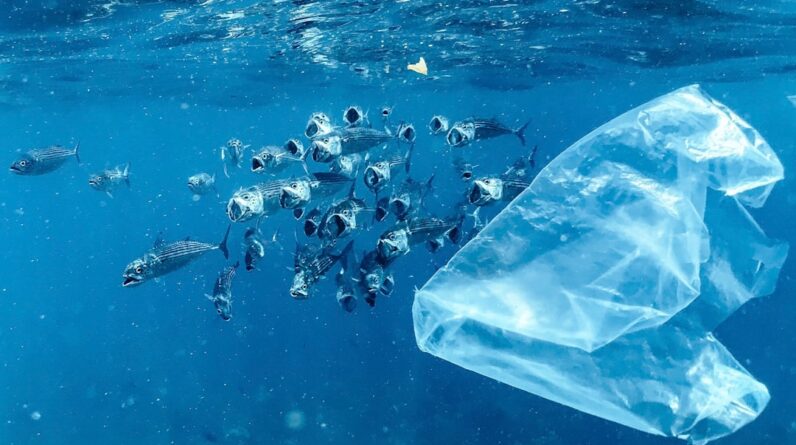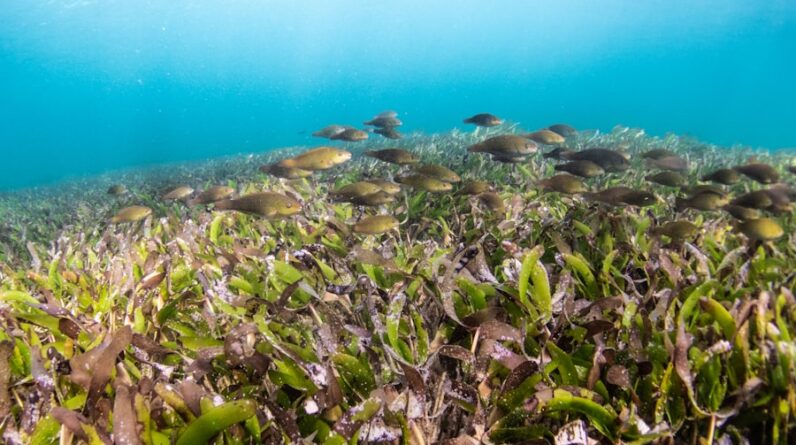
When you think about the sources of oxygen that sustain life on Earth, your mind might immediately drift to lush forests or expansive grasslands. However, the oceans play a crucial role in this life-giving process, contributing approximately 50% to 80% of the oxygen in our atmosphere. This remarkable production is primarily driven by microscopic organisms known as phytoplankton, which harness sunlight and carbon dioxide through photosynthesis.
As you delve deeper into the ocean’s role in oxygen production, you begin to appreciate the intricate balance of marine ecosystems and the delicate interplay between various environmental factors. The oceans are not just vast bodies of water; they are dynamic systems teeming with life and complex interactions. The health of these ecosystems is vital not only for marine species but also for human survival.
As you explore the significance of oceanic oxygen production, it becomes clear that any disruption to this process could have far-reaching consequences. Understanding the factors that influence oxygen levels in the ocean is essential for grasping the broader implications of climate change and environmental degradation.
Key Takeaways
- Ocean’s oxygen production is vital for supporting marine life and regulating the Earth’s climate.
- Rising temperatures are leading to a decrease in ocean oxygen levels, impacting marine ecosystems and biodiversity.
- Ocean acidification, caused by increased carbon dioxide levels, is reducing oxygen production and harming marine organisms.
- Phytoplankton play a crucial role in oxygen production and are at risk due to climate change and ocean acidification.
- Climate change is disrupting ocean circulation, leading to oxygen distribution imbalances and the threat of hypoxia and dead zones.
The Impact of Rising Temperatures on Ocean Oxygen Levels
As global temperatures continue to rise due to climate change, the oceans are experiencing significant shifts that directly affect their ability to produce oxygen. Warmer water holds less dissolved oxygen than cooler water, which means that as temperatures increase, the overall oxygen levels in the ocean can decline. This phenomenon is particularly concerning for marine life, as many species rely on specific oxygen levels to thrive.
You may find it alarming to learn that even a slight decrease in oxygen can lead to stress for fish and other marine organisms, impacting their growth, reproduction, and survival. Moreover, rising temperatures can exacerbate stratification in ocean waters, creating layers that inhibit the mixing of oxygen-rich surface waters with deeper layers. This stratification can lead to a decrease in the availability of nutrients for phytoplankton, further diminishing their ability to produce oxygen.
As you consider these interconnected issues, it becomes evident that rising temperatures pose a dual threat: not only do they reduce oxygen levels directly, but they also disrupt the very processes that sustain oxygen production in the ocean.
Ocean Acidification and Its Effects on Oxygen Production

In addition to rising temperatures, ocean acidification is another critical factor affecting oxygen production in marine environments. As you may know, the oceans absorb a significant portion of the carbon dioxide emitted into the atmosphere. This absorption leads to chemical reactions that lower the pH of seawater, resulting in a more acidic environment.
Ocean acidification has profound implications for marine life, particularly for organisms that rely on calcium carbonate for their shells and skeletons, such as corals and shellfish. The impact of acidification extends beyond these vulnerable species; it also affects phytoplankton, the primary producers of oxygen in the ocean. Changes in pH can alter phytoplankton community composition and productivity, potentially leading to a decline in their overall abundance.
As you reflect on this issue, consider how a decrease in phytoplankton not only threatens marine ecosystems but also jeopardizes the very oxygen levels that are essential for life on Earth. The interconnectedness of these processes highlights the urgent need for action to mitigate acidification and its effects on ocean health.
The Role of Phytoplankton in Oxygen Production and Their Vulnerability to Climate Change
Phytoplankton are often referred to as the “lungs of the ocean,” and for good reason. These tiny organisms are responsible for producing a significant portion of the Earth’s oxygen through photosynthesis. As you explore their role in oxygen production, you may be surprised to learn that there are thousands of species of phytoplankton, each contributing uniquely to this vital process.
They thrive in nutrient-rich waters and are influenced by various environmental factors, including light availability, temperature, and nutrient concentrations. However, phytoplankton are not immune to the impacts of climate change. Rising temperatures, altered nutrient dynamics, and increased ocean acidification all pose threats to their populations.
As you consider their vulnerability, it becomes clear that any decline in phytoplankton abundance could have cascading effects throughout marine food webs and ecosystems. The loss of these essential organisms would not only diminish oxygen production but also disrupt the entire marine ecosystem upon which countless species depend.
How Climate Change is Disrupting Ocean Circulation and Oxygen Distribution
Climate change is also altering ocean circulation patterns, which play a crucial role in distributing oxygen throughout marine environments. The movement of water masses helps transport oxygen from the surface to deeper layers of the ocean, ensuring that all marine organisms have access to this essential resource. However, as temperatures rise and ice melts, these circulation patterns can become disrupted.
You may find it concerning that changes in circulation can lead to areas of stagnant water where oxygen levels plummet. This disruption can create “dead zones,” regions where oxygen is so low that most marine life cannot survive. As you contemplate the implications of these changes, consider how they not only threaten marine biodiversity but also impact human communities that rely on healthy oceans for food and livelihoods.
The interconnectedness of climate change effects underscores the urgency of addressing these issues before they spiral out of control.
The Threat of Hypoxia and Dead Zones in the Ocean

Hypoxia refers to low oxygen levels in water bodies, which can lead to severe consequences for marine life. As you learn about this phenomenon, you may be alarmed to discover that hypoxic conditions are becoming increasingly common due to a combination of factors such as nutrient runoff from agriculture and climate change-induced alterations in circulation patterns. These dead zones can expand rapidly, creating areas where fish and other marine organisms struggle to survive.
The consequences of hypoxia extend beyond individual species; entire ecosystems can collapse under these conditions. As you reflect on this issue, consider how hypoxic events can disrupt fishing industries and local economies that depend on healthy fish populations. The threat posed by dead zones serves as a stark reminder of the interconnectedness between human activities and ocean health, emphasizing the need for sustainable practices that protect both marine ecosystems and human livelihoods.
The Importance of Addressing Climate Change for the Ocean’s Oxygen Production
Given the myriad challenges facing ocean oxygen production due to climate change, it becomes increasingly clear that addressing this global crisis is paramount. You may feel a sense of urgency as you recognize that the health of our oceans directly impacts not only marine life but also human well-being. The interconnectedness of these systems means that any efforts to mitigate climate change will have far-reaching benefits for ocean health and oxygen production.
Taking action against climate change involves a multifaceted approach that includes reducing greenhouse gas emissions, promoting sustainable practices, and protecting marine ecosystems. As you consider your role in this effort, remember that individual actions can collectively lead to significant change. Whether it’s advocating for policy changes or making conscious choices in your daily life, every effort counts toward preserving the vital processes that sustain our planet’s oxygen supply.
Potential Solutions and Mitigation Strategies for Preserving Ocean Oxygen Levels
To combat the challenges facing ocean oxygen production, a range of potential solutions and mitigation strategies must be explored. One effective approach involves enhancing marine protected areas (MPAs) to safeguard critical habitats and promote biodiversity. By creating safe havens for marine life, you can help ensure that ecosystems remain resilient in the face of climate change.
Additionally, investing in renewable energy sources can significantly reduce greenhouse gas emissions and mitigate climate change’s impact on oceans. As you consider your own energy consumption habits, think about how transitioning to cleaner energy sources can contribute to healthier oceans. Furthermore, supporting sustainable agricultural practices can help reduce nutrient runoff into waterways, ultimately decreasing hypoxic conditions in coastal areas.
In conclusion, preserving ocean oxygen levels requires a concerted effort from individuals, communities, governments, and organizations worldwide. By understanding the intricate connections between climate change and ocean health, you can play an active role in advocating for solutions that protect our planet’s vital resources. The future of our oceans—and indeed our very survival—depends on our collective commitment to addressing these pressing challenges head-on.
A related article discussing the advantages of planting trees for climate change can be found at this link. Planting trees is crucial for combating climate change as they absorb carbon dioxide and release oxygen, helping to reduce greenhouse gas emissions. This article highlights the positive impact that tree planting can have on the environment and emphasizes the importance of reforestation efforts in the fight against climate change. By increasing the number of trees, we can help to mitigate the effects of climate change and protect the health of our planet’s ecosystems.
FAQs
What is the relationship between climate change and ocean’s oxygen production?
Climate change affects the ocean’s oxygen production through various mechanisms such as warming waters, ocean acidification, and changes in circulation patterns. These factors can impact the growth and distribution of marine plants and phytoplankton, which are responsible for producing a significant portion of the world’s oxygen.
How does warming waters affect the ocean’s oxygen production?
As the ocean temperatures rise due to climate change, the solubility of oxygen in water decreases, leading to a reduction in oxygen levels. Warmer waters also disrupt the vertical mixing of oxygen-rich surface waters with deeper, oxygen-depleted waters, further impacting oxygen production.
What is the role of ocean acidification in affecting oxygen production?
Ocean acidification, caused by the absorption of excess carbon dioxide from the atmosphere, can hinder the ability of marine organisms such as phytoplankton and algae to produce oxygen. This can lead to a decrease in oxygen production and affect the overall balance of oxygen in the ocean.
How do changes in circulation patterns impact the ocean’s oxygen production?
Climate change can alter ocean circulation patterns, which in turn affect the distribution of nutrients and oxygen in the ocean. Changes in circulation can lead to oxygen-depleted zones, such as dead zones, where marine life struggles to survive due to low oxygen levels.
What are the potential consequences of reduced oxygen production in the ocean?
Reduced oxygen production in the ocean can have severe consequences for marine ecosystems, leading to the decline of fish and other marine species that rely on oxygen for survival. It can also contribute to the expansion of oxygen-depleted dead zones, impacting the overall health and biodiversity of the ocean.