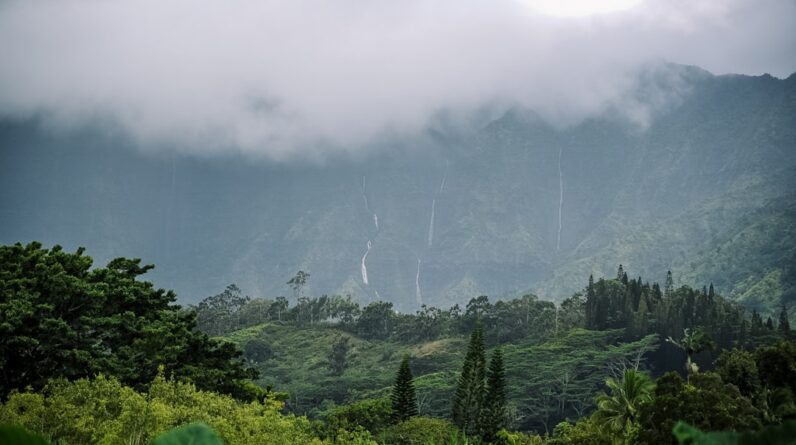
Watersheds are vital ecosystems that play a crucial role in providing clean drinking water. They are defined as land areas that drain into a common water body, such as a river, lake, or reservoir. As you navigate through your daily life, you may not realize that the water you consume is directly influenced by the health of these watersheds.
Healthy watersheds filter pollutants, regulate water flow, and maintain the natural balance of ecosystems. When you turn on your tap, you are relying on the intricate processes that occur within these areas to deliver safe and clean water to your home. The significance of watersheds extends beyond just providing drinking water; they also support biodiversity and contribute to the overall health of the environment.
By protecting these areas, you are not only ensuring your access to clean water but also safeguarding the habitats of countless species. The interconnectedness of watersheds with other environmental factors means that any disruption can have far-reaching consequences. Therefore, understanding the importance of watersheds is essential for promoting sustainable practices that protect this invaluable resource.
Key Takeaways
- Watersheds play a crucial role in providing clean drinking water to communities
- Deforestation can lead to erosion and sedimentation, negatively impacting water quality
- Reforestation helps to protect water sources by preventing soil erosion and improving water quality
- Reforestation not only benefits water quality but also increases water quantity by promoting groundwater recharge
- Community involvement is essential for the success of reforestation efforts and long-term water protection
Deforestation and its Impact on Water Quality
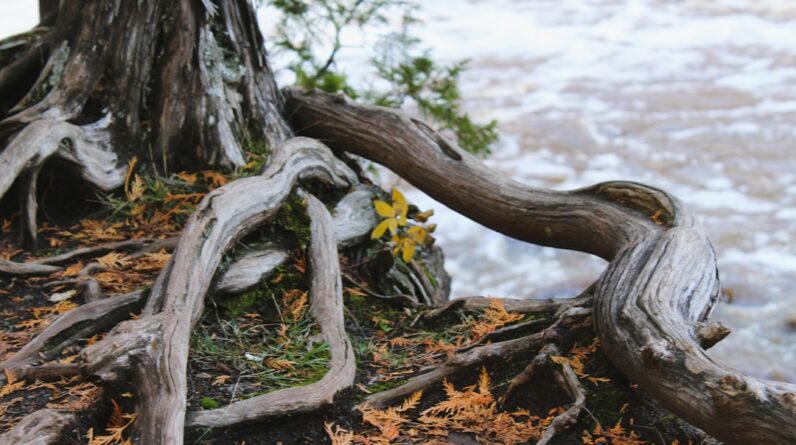
Deforestation poses a significant threat to water quality in watersheds. When trees are removed, the natural filtration system that they provide is disrupted. You may not realize it, but tree roots play a critical role in stabilizing soil and preventing erosion.
Without this vegetation, rainwater can wash away soil and pollutants into nearby water bodies, leading to increased sedimentation and contamination. This degradation not only affects the clarity and taste of your drinking water but can also introduce harmful chemicals and pathogens into the supply. Moreover, deforestation can alter the hydrological cycle, affecting how water is absorbed and released in a watershed.
As trees are cut down, less water is retained in the soil, leading to reduced groundwater recharge. This can result in lower water levels in rivers and lakes, impacting not only your access to drinking water but also agricultural practices and local economies. The consequences of deforestation extend beyond immediate water quality issues; they can create long-term challenges for communities that depend on these resources for their survival.
The Role of Reforestation in Protecting Water Sources

Reforestation serves as a powerful tool in protecting and restoring water sources within watersheds. By reintroducing trees and vegetation, you can help restore the natural filtration processes that are essential for maintaining clean drinking water. Trees absorb rainfall, allowing it to percolate into the ground rather than running off into streams and rivers.
This process helps to recharge groundwater supplies and maintain consistent water levels in nearby bodies of water. Additionally, reforestation can enhance biodiversity within a watershed, creating a more resilient ecosystem. As you support reforestation efforts, you contribute to the restoration of habitats for various species, which in turn helps maintain the ecological balance necessary for clean water production.
The presence of diverse plant life also aids in stabilizing soil and preventing erosion, further protecting water quality. By recognizing the role of reforestation in safeguarding water sources, you can become an advocate for sustainable land management practices that prioritize both environmental health and community well-being.
Benefits of Reforestation for Water Quality and Quantity
The benefits of reforestation extend beyond just improving water quality; they also enhance water quantity. When you participate in or support reforestation initiatives, you are contributing to an increase in the overall availability of freshwater resources. Trees play a crucial role in capturing rainfall and reducing surface runoff, which can lead to flooding and erosion.
By increasing tree cover in a watershed, you help ensure that more rainwater is absorbed into the ground, replenishing aquifers and maintaining stream flows. Moreover, reforested areas can act as natural buffers against pollution. As trees filter rainwater through their leaves and roots, they help trap sediments and contaminants before they reach water bodies.
This natural filtration process is essential for maintaining the quality of drinking water supplies. By investing in reforestation efforts, you are not only improving the immediate availability of clean water but also creating a sustainable future for generations to come.
Community Involvement in Reforestation Efforts
Community involvement is crucial for the success of reforestation efforts aimed at protecting water sources. When you engage with local communities in these initiatives, you foster a sense of ownership and responsibility towards the environment. Education plays a key role in this process; by raising awareness about the importance of trees for clean drinking water, you empower individuals to take action.
Workshops, tree-planting events, and educational programs can inspire community members to participate actively in reforestation projects. Furthermore, involving local communities ensures that reforestation efforts are tailored to meet specific needs and conditions. Each watershed has its unique characteristics, and local knowledge can be invaluable in selecting appropriate tree species and planting techniques.
By collaborating with community members, you can create a more effective and sustainable approach to reforestation that not only enhances water quality but also strengthens community ties and promotes environmental stewardship.
Successful Reforestation Projects and their Impact on Drinking Water

Numerous successful reforestation projects around the world demonstrate the positive impact these initiatives can have on drinking water quality. For instance, in Costa Rica, a national reforestation program has led to significant improvements in watershed health. By incentivizing landowners to restore forest cover on their properties, the country has seen increased water quality in rivers and streams that supply drinking water to urban areas.
This initiative has not only benefited local communities but has also contributed to biodiversity conservation. Another notable example is found in Ethiopia’s Green Legacy Initiative, which aims to plant billions of trees across the country. This ambitious project addresses both deforestation and water scarcity issues by restoring degraded landscapes and improving watershed health.
As trees are planted, communities have reported enhanced access to clean drinking water due to improved groundwater recharge and reduced sedimentation in rivers. These success stories highlight how targeted reforestation efforts can lead to tangible benefits for drinking water supplies while fostering environmental resilience.
Policy and Legislation Supporting Reforestation for Water Protection
Effective policy and legislation are essential for supporting reforestation efforts aimed at protecting water sources. Governments play a critical role in establishing frameworks that promote sustainable land use practices and incentivize reforestation initiatives. You may be surprised to learn that many countries have implemented policies that provide financial support for landowners who engage in reforestation activities or protect existing forests.
These policies not only encourage individuals to participate but also create a collective effort towards enhancing watershed health. In addition to financial incentives, legislation can establish protected areas within watersheds where reforestation is prioritized. By designating these regions as conservation zones, governments can safeguard critical habitats while ensuring that clean drinking water remains accessible to communities.
Advocacy for stronger policies that prioritize reforestation is essential for creating a sustainable future where both people and nature thrive together.
Future Challenges and Opportunities for Reforestation in Water Conservation
As you look towards the future, it is important to recognize both the challenges and opportunities that lie ahead for reforestation efforts aimed at conserving water resources. Climate change poses significant threats to watersheds worldwide, leading to altered precipitation patterns and increased frequency of extreme weather events. These changes can complicate reforestation efforts by affecting tree survival rates and altering hydrological cycles.
However, with these challenges come opportunities for innovation and adaptation. Advancements in technology offer new tools for monitoring watershed health and assessing the effectiveness of reforestation projects. Remote sensing technologies can provide valuable data on tree growth, soil moisture levels, and overall ecosystem health.
By leveraging these tools, you can contribute to more informed decision-making processes that enhance the success of reforestation initiatives. Additionally, fostering collaboration between governments, NGOs, and local communities can create a more unified approach to addressing challenges while maximizing opportunities for sustainable water conservation through reforestation. In conclusion, understanding the importance of watersheds for clean drinking water highlights the interconnectedness of environmental health and human well-being.
Deforestation poses significant threats to this vital resource; however, reforestation offers a pathway towards restoration and protection. By engaging communities in these efforts and advocating for supportive policies, you can play an active role in ensuring access to clean drinking water for current and future generations while contributing to the overall health of our planet’s ecosystems.
In a related article titled How Can Trees Save the Earth from Global Warming, the importance of trees in combating climate change is discussed. The article highlights the role of trees in absorbing carbon dioxide and reducing greenhouse gas emissions, ultimately helping to mitigate the effects of global warming. This further emphasizes the interconnectedness of reforestation efforts and their positive impact on the environment and our drinking water sources.
FAQs
What is reforestation?
Reforestation is the process of planting trees in areas where forests have been depleted or destroyed. It is done to restore the ecological balance, improve air quality, and protect natural habitats.
How does reforestation protect drinking water?
Reforestation helps protect drinking water by preventing soil erosion, reducing sedimentation in water bodies, and improving water quality. Trees act as natural filters, trapping pollutants and preventing them from entering water sources.
What is a watershed?
A watershed is an area of land where all the water that falls within it drains into a common water body, such as a river, lake, or ocean. It includes the land and water bodies that are interconnected and contribute to the flow of water.
How does reforestation impact watersheds?
Reforestation helps to restore and protect watersheds by stabilizing soil, reducing runoff, and regulating the flow of water. Trees also help to replenish groundwater and maintain the balance of the ecosystem within the watershed.
What are the benefits of reforestation for communities and ecosystems?
Reforestation provides numerous benefits, including improved air and water quality, enhanced biodiversity, carbon sequestration, and the creation of sustainable livelihoods for local communities. It also helps to mitigate the impacts of climate change.