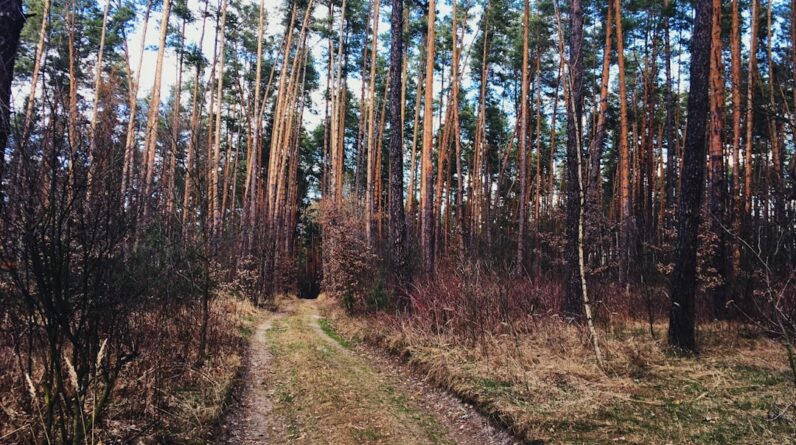
Have you ever considered the role deforestation plays in global warming? If not, you’re not alone. Many focus on fossil fuels and industrial pollution, but deforestation stands as a hidden yet powerful catalyst driving climate change. The relationship between deforestation and global warming is intricate and essential for us to comprehend if we aim to mitigate its worsening effects.

Understanding Deforestation
To fully grasp the severity of deforestation, it’s crucial to first understand what it entails. Deforestation is the large-scale removal of trees and forested areas, often for agriculture, urban development, or mining. This process not only diminishes the number of trees but also transforms entire ecosystems.
Causes of Deforestation
Different factors drive deforestation, and they vary across the globe. Here’s a look at some primary causes:
| Cause | Description |
|---|---|
| Agricultural Expansion | Forests are cleared to make way for crop fields and livestock pastures. |
| Logging | Trees are cut down for timber and to produce paper products. |
| Infrastructure Development | Urbanization requires land for roads, buildings, and other infrastructure, leading to deforestation. |
| Mining | Forest areas are often cleared for mineral and gemstone extraction. |
Each of these activities contributes to diminishing forest areas, thereby impacting the climate.
The Global Impact
Deforestation is a global issue, with specific hotspots where it’s most severe. The Amazon Rainforest, often called the “lungs of the planet,” is a significant area experiencing rampant deforestation. Southeast Asia and the Congo Basin also face similar threats. The loss of these critical forested areas has far-reaching consequences, not just locally but globally.
The Hidden Connection to Global Warming
While deforestation might seem like a local environmental issue, its effects ripple out to contribute to global warming significantly. But how exactly does this happen?
Carbon Storage and Release
Trees play a vital role in capturing and storing carbon dioxide (CO2) from the atmosphere. When forests are cut down, not only is this carbon storage capacity reduced, but the carbon stored within trees is also released back into the atmosphere as CO2.
| Process | Impact on Carbon Levels |
|---|---|
| Photosynthesis | Trees absorb CO2, reducing atmospheric carbon levels. |
| Deforestation | Releases stored CO2, increasing atmospheric carbon levels. |
The release of CO2 during deforestation accelerates the greenhouse effect, leading to higher global temperatures.
Alteration of Carbon Cycle
The carbon cycle is a natural process where carbon is exchanged between the earth’s oceans, atmosphere, ecosystem, and geosphere. Deforestation disrupts this cycle, leading to an excess of carbon in the atmosphere, which is a key factor in global warming.
| Component | Role in Carbon Cycle |
|---|---|
| Forests | Store vast amounts of carbon. |
| Oceans | Absorb carbon from the atmosphere. |
| Soil and Plants | Exchange carbon through processes like respiration and photosynthesis. |
Destroying forest ecosystems interrupts these exchanges, creating an imbalance that exacerbates global warming.
Loss of Biodiversity
Forests are home to 80% of Earth’s terrestrial species. The loss of biodiversity due to deforestation is crucial beyond just species extinction. Each species plays a unique role in ecosystem functioning. The interconnectedness means that the loss of one can lead to the breakdown of entire ecosystems, further altering the carbon cycle and contributing to climate change.
The Hydrological Cycle Disruption
Forests are integral to the global hydrological (water) cycle. They influence precipitation patterns, water flow, and humidity levels. When forests are removed, these processes are interrupted, leading to consequences such as altered weather patterns and reduced water supply.
Changes in Water Vapor
Trees release water vapor into the atmosphere through a process known as transpiration. This water vapor contributes to cloud formation and consequently, precipitation. When forests are depleted, less water vapor is released, which can reduce rainfall in certain areas and even contribute to drought conditions.
| Process | Impact on Hydrological Cycle |
|---|---|
| Transpiration | Releases water vapor into the atmosphere. |
| Deforestation | Reduces water vapor, altering rainfall patterns. |
Soil Erosion and Water Quality
Forests act as a protective layer for the soil, reducing erosion and maintaining soil fertility. Once trees are removed, soil is easily eroded by wind and rain, which can degrade water quality in nearby rivers and streams. Poor water quality affects both human consumption and aquatic ecosystems.
| Impact | Description |
|---|---|
| Soil Erosion | Loss of topsoil, leading to reduced fertility and land degradation. |
| Water Quality | Increased sedimentation in water bodies, affecting cleanliness and potability. |
Flooding and Droughts
By absorbing and storing rainwater, forests help in regulating the flow of rivers and streams, thereby reducing the incidence of both flooding and droughts. Removing forests tilts this balance, making regions more susceptible to these extreme weather conditions.
Socio-economic Implications
The effects of deforestation extend far beyond environmental concerns. They have significant socio-economic implications affecting livelihoods, cultures, and economies globally.
Loss of Livelihoods
Many communities around the world depend on forests for their livelihoods. From gathering food and medicinal plants to using timber for building materials, forests are vital for sustaining these communities. The loss of forests can push these communities into poverty and force them to migrate, leading to socio-economic instability.
| Impact | Description |
|---|---|
| Economic Instability | Loss of income sources leads to poverty and increased inequality. |
| Cultural Erosion | Loss of traditional practices and languages tied to forested areas. |
Impacts on Indigenous Populations
Indigenous populations often have a spiritual connection to forests and rely on them for their cultural and physical survival. Deforestation threatens not only their homes but also their heritage and traditions. The displacement of these populations contributes to the erosion of cultural diversity and traditional knowledge.
| Impact | Description |
|---|---|
| Displacement | Forced relocation disrupts lives and communities. |
| Cultural Loss | Disappearance of indigenous knowledge and traditions. |
Economic Costs
The economic costs associated with deforestation are profound. From healthcare costs due to poor air and water quality to the potential loss of tourism revenue, the hidden economic burden can be staggering.
| Economic Impact | Description |
|---|---|
| Healthcare Costs | Increased illnesses from pollution and environmental changes. |
| Loss of Tourism | Decreased attraction for eco-tourism activities. |

Initiatives and Solutions
Addressing deforestation and its impact on global warming requires a multifaceted approach involving governments, private sectors, NGOs, and individuals.
Reforestation and Afforestation
Reforestation (replanting trees in deforested areas) and afforestation (planting trees in areas not previously forested) are effective methods to restore lost forests and counteract the adverse effects of deforestation.
| Strategy | Description |
|---|---|
| Reforestation | Replanting trees in deforested regions to restore ecosystems. |
| Afforestation | Planting trees in new areas to bolster green cover. |
Sustainable Land-Use Practices
Implementing sustainable land-use practices in agriculture, logging, and urban development can significantly reduce the pace of deforestation. Practices such as agroforestry, selective logging, and urban green planning ensure that we use land in a way that maintains its ecological and economic value for future generations.
| Practice | Description |
|---|---|
| Agroforestry | Integrating trees with crops and livestock to improve biodiversity and productivity. |
| Selective Logging | Harvesting trees in a way that preserves the overall forest structure. |
| Urban Green Planning | Incorporating green spaces into urban development projects. |
Policy and Legislation
Strong, enforceable policies are crucial for combating deforestation. Governments must prioritize the creation and implementation of laws that protect forest areas and promote sustainable practices.
| Policy | Description |
|---|---|
| Protected Areas | Establishing wildlife reserves and protected forests. |
| Sustainable Practices | Laws promoting responsible land use and penalizing illegal logging. |
Corporate Responsibility
Corporations, especially those in industries like agriculture and logging, have a vital role to play. Implementing Corporate Social Responsibility (CSR) practices and adhering to sustainable sourcing can significantly reduce deforestation.
| Responsibility | Description |
|---|---|
| Sustainable Sourcing | Ensuring raw materials are sourced from sustainably managed forests. |
| Transparency and Reporting | Publicly reporting on environmental impact and improvement measures. |
Role of Technology
Advancements in technology offer innovative solutions to monitor, manage, and mitigate deforestation. Satellite imagery and geographic information systems (GIS) help in tracking deforestation activities in real time, allowing for quicker and more effective responses.
| Technology | Application |
|---|---|
| Satellite Imagery | Monitoring deforestation rates and illegal activities. |
| Geographic Information Systems (GIS) | Mapping and managing forest resources. |
Personal Actions
While large-scale initiatives are essential, personal actions also make a difference. Simple changes in daily life can contribute significantly to the fight against deforestation.
Reduce, Reuse, Recycle
Adopting the 3R’s (Reduce, Reuse, Recycle) can lessen the demand for products that contribute to deforestation. By reducing consumption, reusing items, and recycling materials, you can minimize waste and its environmental impact.
Support Sustainable Products
Choosing to buy products certified as sustainably sourced supports companies that are making an effort to reduce their environmental footprint. Look for certifications like FSC (Forest Stewardship Council) for wood products and RSPO (Roundtable on Sustainable Palm Oil) for palm oil.
Raise Awareness
Informing others about the impacts of deforestation and the importance of conservation helps build a collective consciousness that can drive larger change. Social media, community groups, and educational programs are effective platforms for spreading awareness.

The Path Forward
Understanding the complex relationship between deforestation and global warming is crucial for devising effective strategies to combat climate change. Protecting and restoring forested areas should be seen as a global priority, not just for the health of our planet but also for the well-being of future generations. Collective action through policy, sustainable practices, technology, and individual effort can turn the tide against deforestation and pave the way for a healthier, more stable climate.
By actively addressing deforestation and promoting sustainable management of natural resources, you contribute to a global effort to mitigate climate change and ensure a thriving planet for future generations. Each small action builds towards a significant impact, showcasing that solutions to global challenges like deforestation are within our collective reach.