Global Warming: The Deforestation Connection We Must Address
Have you ever wondered how your daily decisions might influence the environment and contribute to global warming? It’s a topic that is becoming increasingly significant as we navigate the complexities of climate change. One particular issue that warrants your attention is the connection between global warming and deforestation.
Understanding Global Warming
Global warming refers to the long-term rise in Earth’s average surface temperature due to human activities, especially the emission of greenhouse gases. These gases, such as carbon dioxide (CO₂), methane (CH₄), and nitrous oxide (N₂O), trap heat in the atmosphere, leading to a ‘greenhouse effect.’ This phenomenon causes the Earth’s surface to warm up, disrupting weather patterns, sea levels, and ecosystems. But how does deforestation fit into this picture?
The Greenhouse Effect
The greenhouse effect is pivotal in understanding global warming. Imagine Earth wrapped in a blanket that gets thicker as more greenhouse gases are emitted. This blanket traps heat, culminating in higher global temperatures. While natural processes do produce some greenhouse gases, human activities, such as burning fossil fuels, industrial processes, and deforestation, have dramatically escalated their levels.
Impact of Global Warming
The consequences of global warming are already evident. Rising sea levels, more frequent extreme weather events, loss of biodiversity, and the melting of polar ice are just a few examples. These changes affect ecosystems, human health, and economies worldwide, underscoring the urgency of addressing the root causes of global warming. One of these root causes, often overlooked, is deforestation, which plays a subtle yet significant role.
What is Deforestation?
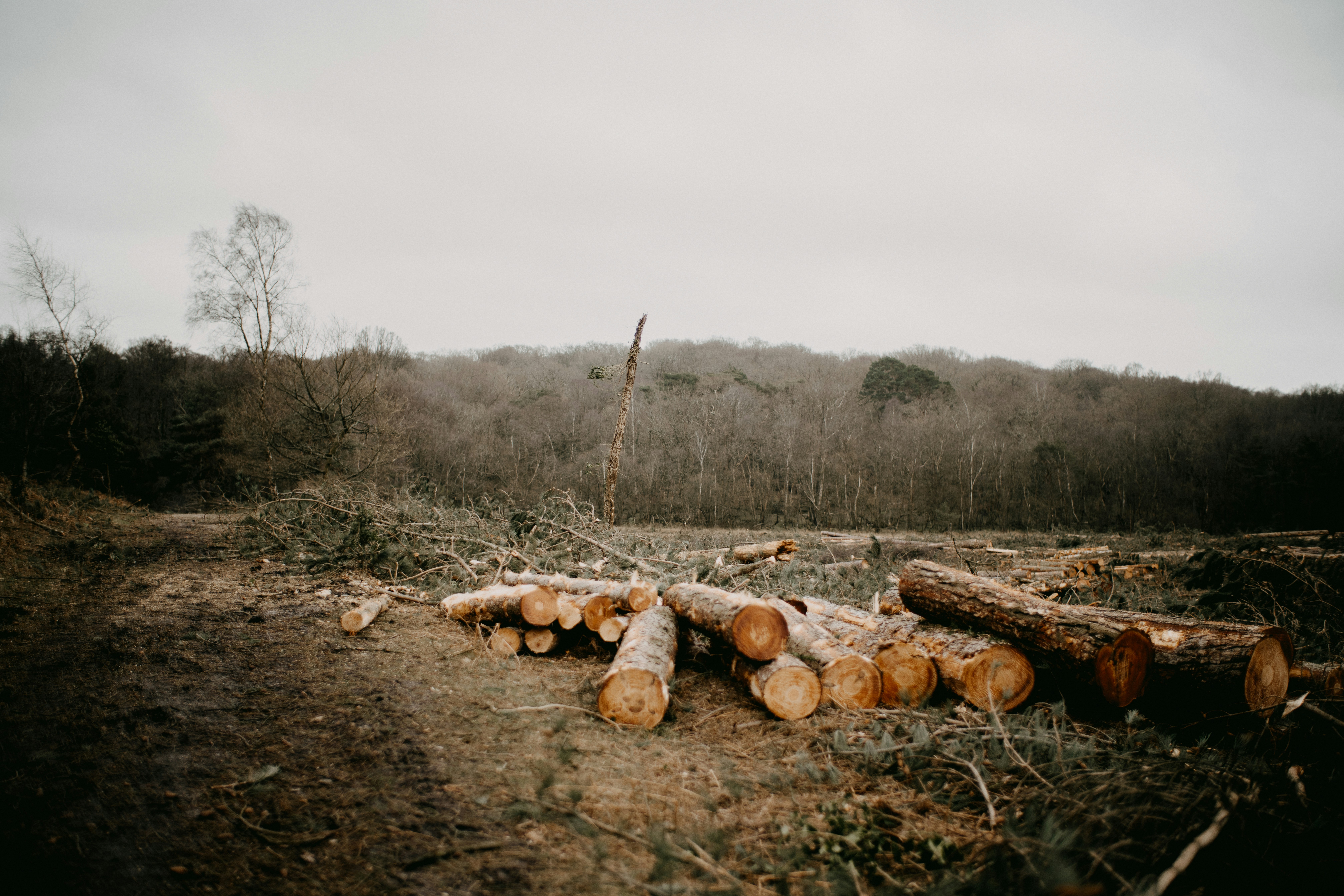
Deforestation involves the clearing or thinning of forests by humans. This can be achieved through logging, agriculture, mining, and urbanization. Forests cover about 31% of Earth’s land area, but this vital resource is diminishing at an alarming rate. Each year, about 18 million acres of forest—an area roughly the size of Panama—are lost.
Causes of Deforestation
There are various drivers of deforestation, including:
| Cause | Description |
|---|---|
| Agriculture | Large-scale agriculture (e.g., soy, palm oil) and subsistence farming contribute to land clearing. |
| Logging | Industrial and illegal logging for timber and paper products lead to extensive deforestation. |
| Mining | Clearing land for extracting minerals such as gold and iron ore contributes significantly. |
| Infrastructure | Urban expansion, road construction, and development projects often require clearing forested areas. |
| Fire | Wildfires, often exacerbated by human activities, can devastate forest ecosystems. |
| Climate Change | Climate-induced changes, like increased temperature and altered precipitation patterns, can affect forest health and contribute indirectly to deforestation. |
Impacts of Deforestation
Deforestation has a slew of negative impacts, including loss of biodiversity, disruption of water cycles, soil erosion, and contributing to climate change. Forests act as carbon sinks, meaning they absorb more carbon dioxide than they emit. When trees are cut down, not only is this balance disrupted, but the stored carbon is also released back into the atmosphere, exacerbating the greenhouse effect.

The Deforestation-Global Warming Nexus
The link between deforestation and global warming isn’t immediately obvious, but it is fundamentally important. Deforestation accounts for about 10-15% of global greenhouse gas emissions, making it a significant driver of global warming. Here, we’ll explore how these two are interconnected.
Carbon Sequestration and Release
Trees absorb carbon dioxide through photosynthesis, storing it in their biomass and soil. When forests are cut down or burned, this stored carbon is released back into the atmosphere. Deforestation thus not only reduces the planet’s capacity to absorb future emissions but also adds to the current levels of greenhouse gases.
Changing Albedo Effect
Albedo refers to the reflectivity of Earth’s surface. Forests have a low albedo, meaning they absorb most of the sunlight. When forests are replaced by lighter-colored surfaces, such as croplands or grasslands, the albedo effect increases, reflecting more sunlight back into the atmosphere. While this might seem beneficial, the overall effect actually contributes to warming, as the loss of forest cover disrupts local and global climate patterns.
Hydrological Cycles
Forests play a crucial role in water cycles, influencing weather patterns and water availability. Trees absorb water from the soil and release it into the atmosphere through transpiration. This process helps in cloud formation and precipitation. Deforestation disrupts these cycles, often leading to reduced rainfall and increased temperatures, further contributing to climate change.
Case Studies Illustrating the Impact
To grasp the extent of deforestation’s impact on global warming, let’s delve into some case studies that highlight areas severely affected by these practices.
The Amazon Rainforest
The Amazon Rainforest is one of the most biodiverse places on Earth and a crucial carbon sink. Over the past decades, vast portions have been cleared for agriculture, cattle ranching, and logging. This has not only led to loss of biodiversity but has significantly contributed to carbon emissions. Estimates suggest that deforestation in the Amazon could potentially turn the forest from a carbon sink into a carbon source.
The Congo Basin
The second-largest rainforest in the world, the Congo Basin, is also facing alarming rates of deforestation. Driven by agriculture, mining, and logging, this deforestation accounts for a significant portion of global carbon emissions. Protecting this area is pivotal in the fight against global warming.
Indonesia and Malaysia
Palm oil plantations in Indonesia and Malaysia have driven massive deforestation. These countries are among the top emitters of greenhouse gases due to the clearing and burning of peatlands. The destruction of these forests releases vast amounts of stored carbon, contributing substantially to global warming.

Solutions and Mitigation Strategies
Understanding the problem is only half the battle; the other half involves implementing solutions to mitigate the impacts of deforestation on global warming. Governments, organizations, and individuals all have roles to play in this effort.
Policy Interventions
Effective policy measures are vital for curbing deforestation and its impact on global warming. Governments can implement stricter regulations on land use, create protected areas, and provide incentives for sustainable practices.
| Policy Measure | Description |
|---|---|
| Land Use Regulation | Enforcing laws and regulations to control land clearing and promote sustainable land management. |
| Protected Areas | Establishing conservation areas to preserve critical ecosystems and biodiversity. |
| Incentives for Sustainable Practices | Providing financial and technical support for sustainable agriculture, logging, and mining practices. |
| International Agreements | Participating in global initiatives like the Paris Agreement to commit to reducing deforestation and associated emissions. |
Sustainable Agriculture and Forestry
Promoting sustainable agriculture and forestry practices can significantly reduce the pressure on forests. This includes agroforestry, sustainable logging, and reducing the demand for products that drive deforestation.
Reforestation and Afforestation
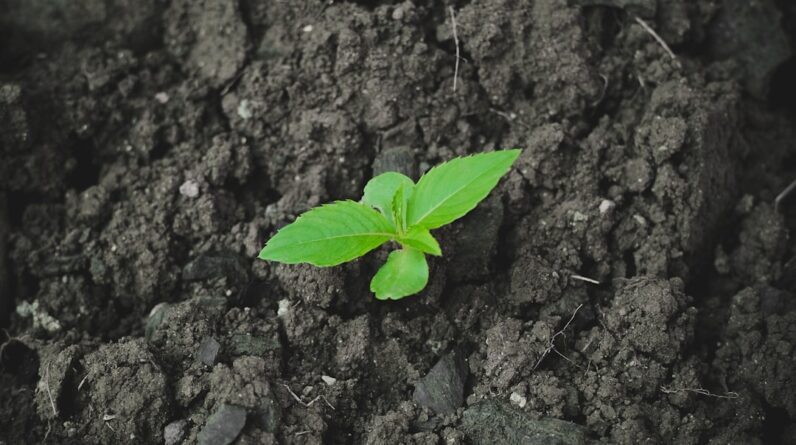
Reforestation involves replanting trees in deforested areas, while afforestation refers to planting trees in areas that were not previously forested. Both practices can help restore carbon sinks and improve ecosystems.
Raising Awareness and Education
Educating people about the importance of forests and how their choices affect global warming is crucial. Public awareness campaigns and incorporating environmental education in school curriculums can drive long-term changes in behavior and attitudes.
Supporting Indigenous Rights
Indigenous communities often have a deep connection to their land and play a crucial role in forest conservation. Supporting their rights and involving them in decision-making processes can lead to more effective and sustainable management of forest resources.
The Role You Can Play
You might be wondering how you can contribute to mitigating the impact of deforestation on global warming. Every action counts, and there are several ways you can make a difference.
Reduce, Reuse, Recycle
Embrace a lifestyle that minimizes waste. Reducing consumption, reusing products, and recycling materials can lessen the demand for resources that drive deforestation.
Support Sustainable Products
Choose products that are certified as sustainable, such as Forest Stewardship Council (FSC) certified wood and paper or palm oil certified by the Roundtable on Sustainable Palm Oil (RSPO). By supporting businesses that prioritize sustainability, you help reduce the pressure on forests.
Advocate and Educate
Raise your voice about the importance of forests and their role in combatting global warming. Engage with local and global initiatives, support reforestation projects, and educate those around you about the impacts of deforestation.
Conserve Energy
Reducing your carbon footprint can indirectly help mitigate deforestation. By conserving energy, using renewable sources, and reducing reliance on fossil fuels, you contribute to the broader effort of reducing greenhouse gas emissions.
Participate in Tree Planting
Join or organize tree-planting drives in your community. Planting trees not only helps absorb carbon dioxide but also contributes to local biodiversity and ecosystem health.
In Conclusion
Understanding and addressing the connection between deforestation and global warming is crucial for mitigating climate change. Both large-scale policy interventions and individual actions play significant roles in solving this global issue. By making informed choices and advocating for sustainable practices, you can be part of the solution that helps protect our planet for future generations.
Does this give you a clearer picture of how deforestation fuels global warming and what steps you can take to mitigate it? The path to a sustainable future may be complex, but your informed choices and actions can make a tangible difference. Let’s work together to address this pressing issue, and every tree saved or planted is a step towards a healthier, more resilient Earth.