Watersheds are vital components of our natural environment, serving as the lifeblood of ecosystems and communities alike. They are defined as areas of land where all the water that falls within it drains into a common outlet, such as a river, lake, or ocean. This interconnected system plays a crucial role in maintaining water quality, regulating water flow, and supporting biodiversity.
As you navigate through your daily life, you may not always be aware of the watershed that surrounds you, yet it influences everything from the water you drink to the air you breathe. Understanding the significance of watersheds is essential for appreciating their role in sustaining life on Earth. Moreover, watersheds are not just geographical features; they are dynamic systems that interact with various environmental factors.
They help filter pollutants, recharge groundwater supplies, and provide habitats for countless species. The health of a watershed directly impacts the quality of life for those who depend on its resources. When you consider the agricultural lands that thrive on watershed irrigation or the recreational opportunities provided by clean rivers and lakes, it becomes clear that protecting these areas is paramount.
As urbanization and climate change continue to exert pressure on these ecosystems, recognizing their importance is more critical than ever.
Key Takeaways
- Watersheds are crucial for providing clean water, supporting biodiversity, and regulating the water cycle.
- Deforestation can lead to soil erosion, reduced water quality, and disrupted water flow in watersheds.
- Reforestation involves planting trees to restore forest cover and improve ecosystem health.
- Reforestation plays a vital role in reviving watersheds by preventing soil erosion, regulating water flow, and enhancing biodiversity.
- Benefits of reforestation for watersheds include improved water quality, increased water availability, and enhanced ecosystem resilience.
The Impact of Deforestation on Watersheds
Deforestation poses a significant threat to the integrity of watersheds around the globe. When trees are removed from a landscape, the natural balance of the ecosystem is disrupted. Trees play a crucial role in maintaining soil stability and preventing erosion.
Without their roots to anchor the soil, heavy rains can wash away topsoil, leading to sedimentation in rivers and streams. This not only degrades water quality but also affects aquatic habitats and the organisms that rely on them. As you reflect on the consequences of deforestation, consider how it can lead to a cascade of negative effects that extend far beyond the immediate area.
In addition to soil erosion, deforestation can alter the hydrological cycle within a watershed. Trees absorb significant amounts of water through their roots and release it back into the atmosphere through a process known as transpiration. When forests are cleared, this process is disrupted, leading to changes in local climate patterns and reduced rainfall.
You may notice that areas previously lush with vegetation become arid and less hospitable for both wildlife and human populations. The loss of forests not only diminishes biodiversity but also compromises the ability of watersheds to provide essential services, making it imperative to address deforestation’s impact on these critical ecosystems.
Understanding Reforestation
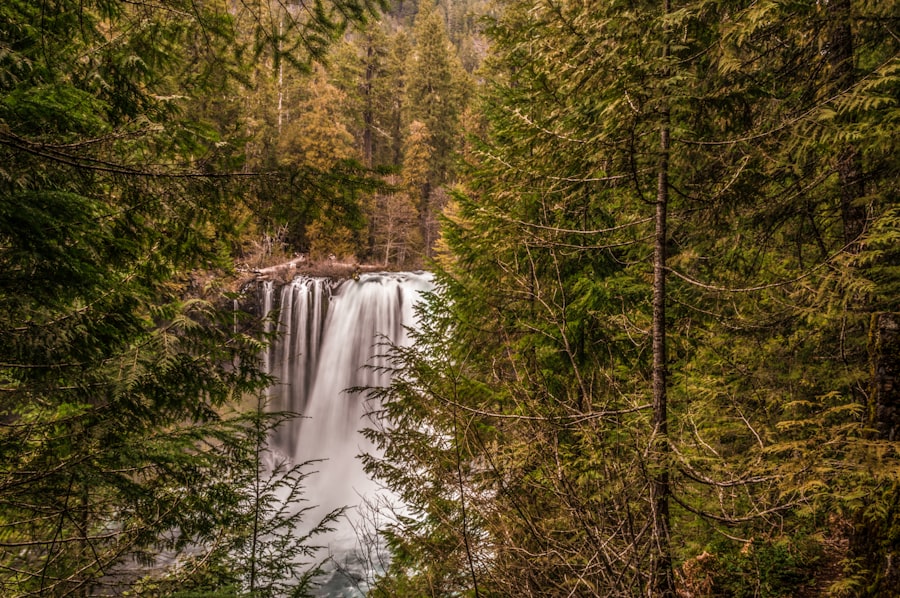
Reforestation is the process of replanting trees in areas where forests have been depleted or destroyed. It is a proactive approach aimed at restoring ecological balance and enhancing the health of ecosystems. As you delve into the concept of reforestation, it’s important to recognize that it goes beyond simply planting trees; it involves understanding the specific needs of an ecosystem and selecting appropriate species that will thrive in that environment.
This thoughtful approach ensures that reforestation efforts contribute positively to biodiversity and ecosystem resilience. Furthermore, reforestation can take many forms, from large-scale government initiatives to grassroots community projects. Each effort is unique and tailored to address local conditions and challenges.
You might find it fascinating that reforestation can also include agroforestry practices, where trees are integrated into agricultural landscapes to improve soil health and increase crop yields. By understanding the various methods and philosophies behind reforestation, you can appreciate its potential as a powerful tool for environmental restoration and climate change mitigation.
The Role of Reforestation in Watershed Revival
Reforestation plays a pivotal role in revitalizing watersheds that have suffered from degradation due to deforestation or other human activities. When trees are replanted in a watershed, they help restore the natural processes that maintain water quality and flow. As you consider the benefits of reforestation, think about how trees act as natural filters, trapping pollutants and sediments before they can enter waterways.
This filtration process is essential for maintaining clean water sources for both human consumption and wildlife habitats. Additionally, reforestation contributes to improved soil health by enhancing its structure and fertility. The roots of newly planted trees help bind soil particles together, reducing erosion and promoting water retention.
This is particularly important in areas prone to flooding or drought, where healthy soils can make a significant difference in water availability. As you reflect on these benefits, it’s clear that reforestation is not merely an act of planting trees; it is a comprehensive strategy for restoring the ecological integrity of watersheds and ensuring their long-term sustainability.
Benefits of Reforestation for Watersheds
The benefits of reforestation extend far beyond the immediate restoration of tree cover; they encompass a wide range of ecological, social, and economic advantages. For instance, reforested areas can enhance biodiversity by providing habitats for various species, including birds, mammals, and insects. As you explore these ecosystems, you may find that increased biodiversity contributes to greater resilience against pests and diseases, ultimately leading to healthier environments.
Moreover, reforestation can have significant economic benefits for local communities. Healthy watersheds support agriculture by providing reliable water sources for irrigation and improving soil fertility through organic matter from decomposing leaves and roots. You might also consider how reforested areas can attract ecotourism opportunities, offering recreational activities such as hiking, birdwatching, and nature photography.
By investing in reforestation efforts, communities can create sustainable livelihoods while simultaneously protecting their natural resources.
Challenges and Considerations in Reforestation Efforts
While reforestation holds immense potential for restoring watersheds, it is not without its challenges. One major consideration is selecting the right tree species for a given area. You may be surprised to learn that introducing non-native species can disrupt local ecosystems and lead to unintended consequences.
Therefore, it is crucial to conduct thorough research and engage with local communities to ensure that reforestation efforts align with ecological needs. Another challenge lies in securing funding and resources for reforestation projects. Many initiatives rely on grants or donations, which can be unpredictable and limited in scope.
As you think about this issue, consider how community involvement can play a vital role in overcoming these obstacles. Engaging local residents not only fosters a sense of ownership over the project but also ensures that efforts are tailored to meet specific needs and conditions within the watershed.
Successful Reforestation Projects
Across the globe, numerous successful reforestation projects serve as inspiring examples of what can be achieved when communities come together to restore their watersheds. One notable initiative is the Bonn Challenge, which aims to restore 150 million hectares of deforested and degraded land by 2020—a goal that has garnered international support from governments and organizations alike. As you explore these projects, you may find it encouraging to see how collaborative efforts can lead to significant environmental improvements.
Another remarkable example is the Green Belt Movement in Kenya, founded by Nobel laureate Wangari Maathai. This grassroots initiative has empowered women to plant millions of trees while promoting sustainable land management practices. The success of such projects highlights the importance of community engagement in reforestation efforts.
By learning from these examples, you can appreciate how collective action can lead to meaningful change in watershed restoration.
The Future of Reforestation for Watershed Restoration
Looking ahead, the future of reforestation for watershed restoration appears promising yet requires continued commitment and innovation. As climate change intensifies, there is an urgent need for adaptive strategies that consider shifting environmental conditions. You may find it essential for future reforestation efforts to incorporate climate-resilient species that can withstand changing temperatures and precipitation patterns.
Additionally, technology will play an increasingly important role in advancing reforestation initiatives. From drone-assisted tree planting to remote sensing for monitoring forest health, innovative tools can enhance efficiency and effectiveness in restoration efforts. As you contemplate these advancements, consider how they can empower communities to take charge of their environmental futures while fostering sustainable practices that benefit both people and nature.
In conclusion, understanding the importance of watersheds and the role of reforestation in their revival is crucial for fostering a sustainable future. By recognizing the interconnectedness of ecosystems and communities, you can appreciate how collective action can lead to meaningful change in restoring our planet’s vital resources. Through continued efforts in reforestation and community engagement, we can work towards healthier watersheds that support both biodiversity and human well-being for generations to come.
A related article to How Reforestation Revives Degraded Watersheds discusses the importance of preventing floods through massive tree planting. This article highlights the connection between reforestation efforts and the mitigation of natural disasters such as floods. To learn more about this topic, you can visit Preventing Floods by Massive Tree Planting.
FAQs
What is reforestation?
Reforestation is the process of planting trees in areas where forests have been depleted or degraded. It aims to restore the ecological balance and improve the health of the environment.
How does reforestation revive degraded watersheds?
Reforestation helps revive degraded watersheds by stabilizing soil, reducing erosion, and improving water quality. Trees help to absorb excess water, reduce runoff, and filter pollutants, leading to healthier watersheds.
What are the benefits of reforestation for watersheds?
Reforestation provides numerous benefits for watersheds, including improved water quality, increased biodiversity, enhanced habitat for wildlife, and reduced risk of flooding and landslides.
What are some reforestation techniques used to revive degraded watersheds?
Reforestation techniques include planting native tree species, implementing agroforestry practices, and using erosion control measures such as terracing and contour planting to restore degraded watersheds.
How long does it take for reforestation to have an impact on degraded watersheds?
The impact of reforestation on degraded watersheds can vary depending on factors such as the type of trees planted, the local climate, and the extent of degradation. In general, it may take several years for reforestation efforts to significantly improve the health of watersheds.