


Have you ever wondered how reforestation and water management can work together to restore and rejuvenate watersheds? This is a complex yet fascinating topic that affects our environment, communities, and future. Restoring watersheds is not just about planting trees and hoping for the best. It’s a multifaceted process that requires careful planning, dedicated effort, and ongoing management.
Understanding Watersheds
Watersheds are areas of land where all the water under it or draining off of it goes into the same place, such as rivers, lakes, or oceans. They are critical components of our environment that play a significant role in collecting and filtering water, supporting diverse ecosystems, and providing habitat for wildlife.
Importance of Watersheds
When healthy, watersheds naturally manage and purify water. They trap sediment, reduce the risk of floods, and maintain the water quality in rivers and streams. Without functioning watersheds, the consequences can be dire, including increased water pollution, habitat destruction, and greater occurrence of natural disasters.
Factors Affecting Watersheds
Many factors can negatively impact watersheds. Deforestation, urban development, agriculture, and industrial activities can lead to erosion, sedimentation, and water contamination. Understanding these factors is essential to restoring and maintaining healthy watersheds.
| Factor | Description |
|---|---|
| Deforestation | Removes trees and vegetation that help anchor the soil and absorb water. |
| Urban Development | Increases impervious surfaces, leading to higher runoff and pollution. |
| Agriculture | Can contribute to nutrient runoff and pesticide contamination. |
| Industrial Activities | Often introduce pollutants and change the water chemistry. |
The Role of Reforestation
Reforestation involves planting trees and restoring forested areas that have been depleted. When done correctly, it plays a central role in the restoration of watersheds by stabilizing soil, enhancing water absorption, and maintaining healthy ecosystems.
Benefits of Reforestation for Watersheds
Reforestation brings a plethora of benefits that contribute to the overall health of watersheds. Here are some key advantages:
- Soil Stabilization: Tree roots help bind the soil, preventing erosion and reducing sediment runoff.
- Water Filtration: Trees and vegetation act as natural filters, trapping pollutants and improving water quality.
- Flood Mitigation: Forests absorb a significant amount of rainfall, reducing the impact and frequency of floods.
- Biodiversity: Reforestation supports diverse ecosystems, providing habitat and food for numerous wildlife species.
Strategies for Effective Reforestation
Successful reforestation requires careful planning and execution. Here are some strategies that can help:
- Choosing Native Species: Select tree species that are native to the area to ensure better adaptation and growth.
- Creating Buffer Zones: Planting trees along riverbanks and streams helps protect waterways from runoff and erosion.
- Community Involvement: Engaging local communities in reforestation efforts promotes ownership and long-term commitment.
- Monitoring and Maintenance: Ongoing care is necessary to ensure that young trees survive and thrive.
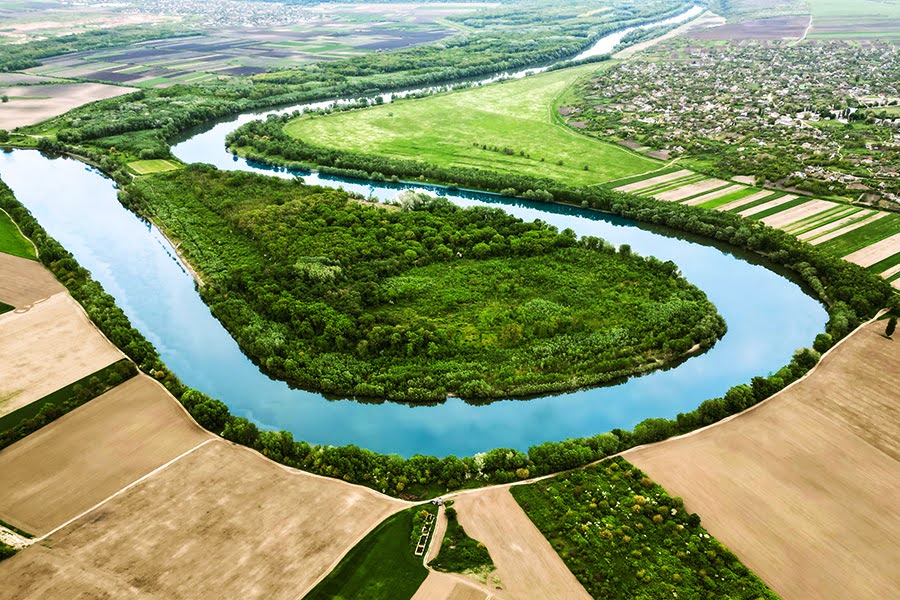
Integrating Water Management
Water management involves a variety of practices aimed at optimizing water usage, preserving water quality, and protecting water resources. When integrated with reforestation, it can significantly enhance watershed restoration efforts.
Sustainable Water Management Practices
Implementing sustainable water management practices is crucial for restoring and maintaining healthy watersheds. Here are some approaches you might consider:
- Rainwater Harvesting: Collecting and storing rainwater for later use reduces the demand on local water sources.
- Constructed Wetlands: Creating artificial wetlands can help filter pollutants and manage stormwater.
- Riparian Buffer Zones: Establishing vegetated areas along waterways helps filter runoff and protect water quality.
Addressing Water Quality and Quantity Issues
Water quality and quantity are interrelated issues that can be effectively addressed through integrated water management and reforestation. Here’s how:
| Issue | Management Practice | Reforestation Impact |
|---|---|---|
| Water Contamination | Wetlands, buffer zones, sustainable agriculture | Trees filter pollutants, improving water quality |
| Flooding | Rain gardens, permeable surfaces, floodplains | Forests absorb rainfall, reducing flood risk |
| Water Scarcity | Rainwater harvesting, efficient irrigation systems | Enhanced water absorption by forested areas |
Case Studies in Watershed Restoration
Real-life examples can often provide valuable insights into best practices and strategies for restoring watersheds. Let’s look at a couple of notable case studies:
Case Study 1: The Loess Plateau, China
The Loess Plateau in China was once an eroded and barren landscape. Decades of deforestation and overgrazing had led to severe soil erosion and water scarcity. In the 1990s, a comprehensive restoration project was initiated, focusing on reforestation and sustainable water management.
Key elements of the project included:
- Planting native tree species to stabilize soil and reduce runoff.
- Constructing terraces to collect and conserve water.
- Engaging local communities in conservation efforts.
Case Study 2: The Catskill Watershed, USA
The Catskill Watershed supplies the majority of New York City’s drinking water. To maintain high water quality, a variety of measures were implemented, including large-scale reforestation projects and advanced water management techniques.
Key strategies of this project:
- Protecting riparian areas by planting trees and establishing buffer zones.
- Implementing agricultural best practices to reduce runoff.
- Monitoring and managing land use to ensure sustainable practices.

Challenges and Solutions
Restoring watersheds through reforestation and water management is not without challenges. However, by identifying and addressing these challenges, sustainable solutions can be developed.
Common Challenges
| Challenge | Description |
|---|---|
| Land Degradation | Severely degraded lands can be difficult to restore. |
| Climate Change | Alters precipitation patterns, affecting reforestation and water management efforts. |
| Funding and Resources | Limited financial and human resources can hinder large-scale projects. |
| Community Resistance | Local communities may resist change due to cultural or economic reasons. |
Potential Solutions
Addressing these challenges requires a multifaceted approach. Here are some potential solutions:
- Land Recovery Techniques: Employ soil restoration methods such as mulching and nutrient addition to revive degraded lands.
- Climate Adaptation Strategies: Design projects with climate resilience in mind, selecting drought-resistant tree species and incorporating flexible water management practices.
- Securing Funding: Explore diverse funding sources such as government grants, private investments, and non-profit organizations.
- Community Engagement: Foster strong relationships with local communities by involving them in every step of the project, offering education and incentives.
The Future of Watershed Restoration
The future of watershed restoration through reforestation and water management looks promising, with technological advancements and increasing awareness driving progress. However, achieving sustainable outcomes requires continued effort, innovation, and collaboration.
Emerging Technologies
New technologies are being developed to enhance watershed restoration efforts. These include:
- Remote Sensing and GIS: Using satellite imagery and geographic information systems to monitor and manage watersheds.
- Drones: Deploying drones for tree planting and monitoring large areas efficiently.
- Bioengineering: Applying bioengineering techniques to stabilize soil and manage water flow.
Policy and Regulation
Effective policy and regulation are crucial for ensuring that watershed restoration projects are successful and sustainable. Governments and organizations are increasingly recognizing the importance of integrating environmental conservation into policy frameworks.
- Legislation: Enforcing laws that protect watersheds from harmful activities such as deforestation and pollution.
- Incentives: Offering financial incentives for sustainable land management practices and reforestation efforts.
- Cross-sector Collaboration: Encouraging collaboration between different sectors, including agriculture, forestry, and water management, to create comprehensive solutions.

Conclusion
Reforestation and water management are powerful tools for restoring and revitalizing watersheds. By understanding the importance of watersheds, the benefits of reforestation, and the strategies for effective water management, you can appreciate the complexity and necessity of these efforts. Challenges do exist, but they can be overcome with innovative solutions and committed collaboration. As we look to the future, continued advancements and increased awareness will hopefully lead to even greater successes in protecting and restoring our precious watersheds.
Whether you are a concerned citizen, a policymaker, or someone directly involved in environmental conservation, your efforts can make a significant difference. By supporting and participating in reforestation and water management initiatives, you contribute to a healthier, more sustainable planet for generations to come.


