As you delve into the intricate web of natural systems, it becomes increasingly clear that climate change is not merely a distant threat; it is a pressing reality that is reshaping the world around you. The rise in global temperatures, driven by human activities such as burning fossil fuels and deforestation, has far-reaching implications for ecosystems. You may notice that habitats are shifting, with some species struggling to survive while others thrive in new environments.
The delicate balance that has existed for millennia is now under siege, leading to a cascade of changes that affect everything from plant life to animal behavior. The impact of climate change extends beyond temperature increases. Changes in precipitation patterns, for instance, can lead to droughts in some regions while causing flooding in others.
These alterations disrupt the natural cycles that many species depend on for survival. You might observe how these shifts affect food availability, breeding seasons, and migration patterns. As ecosystems become increasingly stressed, the resilience of these natural systems is put to the test, revealing vulnerabilities that were previously hidden beneath the surface.
Key Takeaways
- Climate change is causing shifts in natural systems, impacting ecosystems and species.
- Warming has unforeseen consequences on ecosystems, affecting their stability and function.
- Species are adapting to changing environments by altering their behavior, physiology, and distribution.
- Extreme weather events play a role in nature’s response to warming, affecting ecosystems and species.
- Wildlife migration patterns are shifting unpredictably due to climate change, impacting ecosystems and species.
Unforeseen Consequences of Warming on Ecosystems
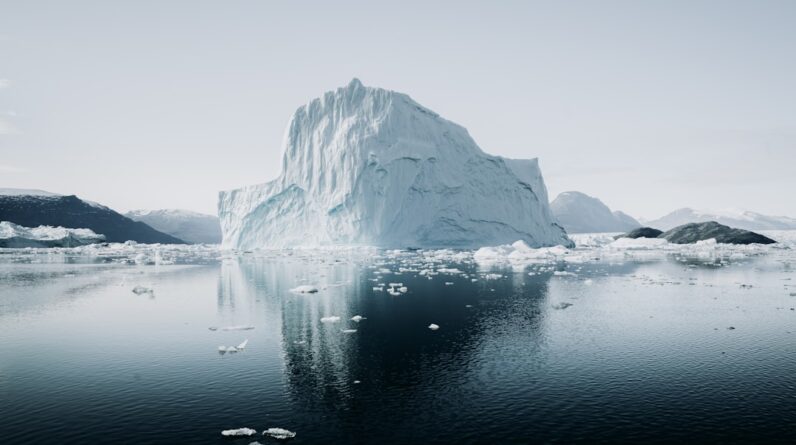
As you explore the unforeseen consequences of warming, you may find that the effects are often more complex than they initially appear. For instance, rising temperatures can lead to the melting of polar ice caps, which not only contributes to rising sea levels but also disrupts marine ecosystems. The loss of ice habitats affects species like polar bears and seals, which rely on these environments for hunting and breeding.
You might be surprised to learn that the repercussions extend beyond the immediate vicinity; changes in one ecosystem can trigger a domino effect that impacts others, creating a ripple of consequences across the globe. Moreover, warming can alter the timing of natural events, such as flowering and migration. You may notice that certain plants bloom earlier in the spring, which can throw off the synchronization between species that depend on one another for survival.
For example, if insects emerge before their food sources are available, it can lead to population declines. This misalignment can have cascading effects throughout the food web, ultimately affecting entire ecosystems. As you consider these unforeseen consequences, it becomes evident that climate change is not just an environmental issue; it is a complex challenge that requires a multifaceted understanding of ecological interdependencies.
How Species are Adapting to Changing Environments
In the face of climate change, you may be heartened to discover that many species are exhibiting remarkable adaptability. Some organisms are shifting their ranges toward cooler areas, such as higher altitudes or latitudes, in search of more favorable conditions. This migration is not without its challenges; as you observe these movements, you may notice that not all species can keep pace with the rapid changes in their environments.
Those that can adapt quickly may thrive, while others face the risk of extinction. Additionally, you might find it fascinating how certain species are altering their behaviors in response to changing climates. For example, some birds are adjusting their migration patterns to align with earlier springs, while others are changing their breeding times to coincide with food availability.
These adaptations highlight the resilience of nature and its ability to respond to environmental pressures. However, as you reflect on these changes, it’s essential to recognize that adaptation has its limits. Not all species will be able to cope with the rapid pace of climate change, and this could lead to significant shifts in biodiversity.
The Role of Extreme Weather Events in Nature’s Response to Warming
Extreme weather events have become increasingly common as a result of climate change, and their role in shaping natural systems cannot be overlooked. You may have witnessed firsthand how hurricanes, wildfires, and floods disrupt ecosystems and alter landscapes. These events can lead to immediate destruction but also create opportunities for regeneration and renewal.
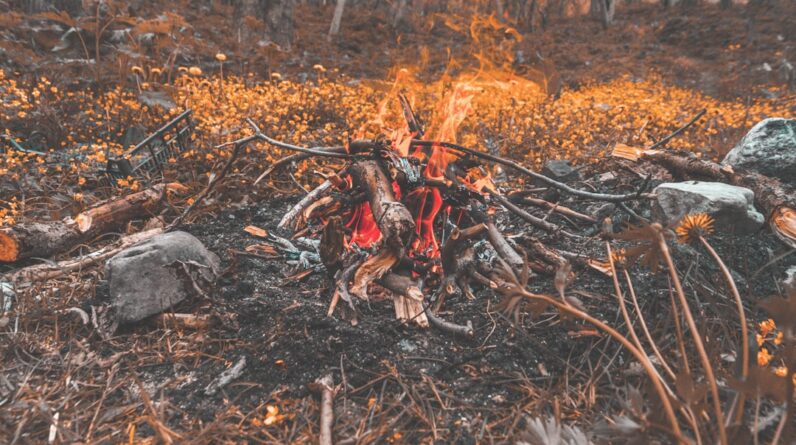
For instance, after a wildfire sweeps through a forest, it may seem devastating at first glance; however, this destruction can pave the way for new growth and increased biodiversity over time. As you consider the impact of extreme weather on ecosystems, it’s important to recognize that these events can also serve as catalysts for change. They can force species to adapt more rapidly than they might have otherwise.
For example, certain plants may develop fire-resistant traits in response to frequent wildfires. You might also observe how animal populations rebound after disturbances, often leading to a more diverse ecosystem in the long run. However, while nature has an incredible capacity for resilience, the increasing frequency and intensity of extreme weather events pose significant challenges that cannot be ignored.
Unpredictable Shifts in Wildlife Migration Patterns
As you study wildlife migration patterns, you may find yourself captivated by the intricate journeys undertaken by various species. However, climate change is causing unpredictable shifts in these patterns that can have profound implications for ecosystems. For instance, migratory birds may arrive at their breeding grounds earlier than usual due to warmer temperatures.
This shift can lead to mismatches between the timing of migration and food availability, ultimately affecting reproductive success. You might also notice how changes in ocean temperatures are influencing fish migration patterns. As certain fish species seek cooler waters, they may move into new territories, impacting local fishing industries and altering marine ecosystems.
These unpredictable shifts can create challenges not only for wildlife but also for human communities that rely on these species for sustenance and economic stability. As you reflect on these changes, it becomes clear that understanding wildlife migration in a warming world is crucial for conservation efforts and sustainable management practices.
The Threat of Invasive Species in a Warming World
In a warming world, the threat posed by invasive species becomes increasingly pronounced. As you explore this issue, you may find that climate change creates favorable conditions for non-native species to thrive and spread into new areas. These invasive species often outcompete native flora and fauna for resources, leading to declines in biodiversity and altering ecosystem dynamics.
You might be surprised to learn how quickly these invaders can establish themselves in new environments, often with devastating consequences. The introduction of invasive species can disrupt food webs and lead to the extinction of native species that cannot compete with these newcomers. As you consider this threat, it’s essential to recognize that human activities often exacerbate the problem—whether through global trade or habitat disturbance.
You may feel a sense of urgency as you contemplate strategies for managing invasive species and protecting native ecosystems from their encroachment.
The Resilience of Natural Systems in the Face of Climate Change
Despite the myriad challenges posed by climate change, there is a remarkable resilience inherent in natural systems that you may find inspiring. Ecosystems have evolved over millions of years to withstand various stresses and disturbances. As you observe nature’s response to climate change, you might notice how some ecosystems are adapting and even thriving under new conditions.
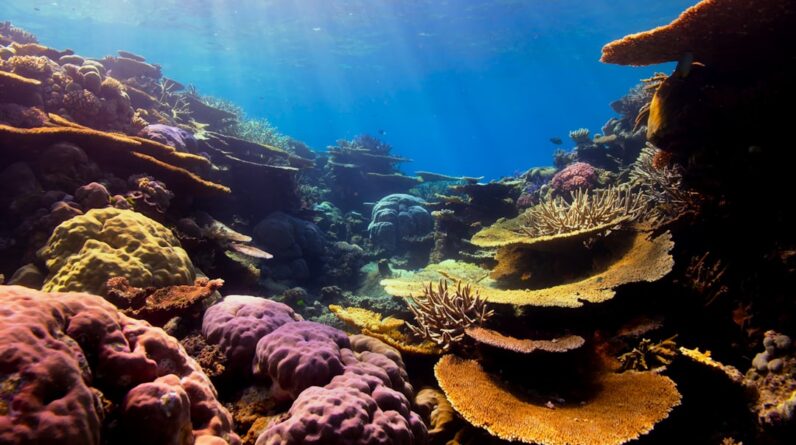
For example, coral reefs are showing signs of resilience through adaptive bleaching responses that allow them to survive warmer waters. However, this resilience is not uniform across all ecosystems or species. You may find it concerning that while some areas demonstrate remarkable adaptability, others are facing unprecedented challenges that threaten their very existence.
The key lies in understanding the factors that contribute to resilience—such as genetic diversity and ecosystem connectivity—and leveraging this knowledge to support conservation efforts. As you reflect on nature’s resilience, it becomes clear that fostering healthy ecosystems is essential for mitigating the impacts of climate change.
Strategies for Mitigating the Unpredictable Effects of Warming on Nature
As you contemplate strategies for mitigating the unpredictable effects of warming on nature, it’s essential to adopt a multifaceted approach that encompasses conservation efforts, sustainable practices, and community engagement. One effective strategy involves protecting and restoring habitats that serve as critical refuges for vulnerable species. By preserving biodiversity hotspots and creating wildlife corridors, you can help facilitate species movement in response to changing climates.
Additionally, promoting sustainable land-use practices can play a significant role in reducing human impact on ecosystems. You might consider advocating for policies that prioritize reforestation and sustainable agriculture as ways to enhance ecosystem resilience. Engaging local communities in conservation efforts is also vital; by fostering a sense of stewardship and connection to nature, you empower individuals to take action in their own backyards.
In conclusion, as you navigate the complexities of climate change and its impact on natural systems, it becomes evident that understanding these dynamics is crucial for fostering resilience and promoting sustainability. By recognizing the interconnectedness of ecosystems and advocating for proactive measures, you can contribute to a more harmonious relationship between humanity and the natural world—a relationship that is essential for both your well-being and the health of our planet.
In a related article, “How Can Trees Save the Earth from Global Warming,” the importance of trees in combating climate change is discussed. Trees play a crucial role in absorbing carbon dioxide and releasing oxygen, helping to mitigate the effects of global warming. To learn more about this topic, visit this article on the Live Life with a Cause website. For more insightful articles and resources on living a purposeful life, check out their blog. Live Life with a Cause encourages individuals to live with purpose and make a positive impact on the world, offering guidance and inspiration for those looking to make a difference.
FAQs
What are the unpredictable responses to warming in nature?
Some unpredictable responses to warming in nature include shifts in species distributions, changes in the timing of biological events (such as flowering and migration), and alterations in ecosystem functioning.
How does warming impact species distributions?
Warming can lead to shifts in species distributions as they move to areas with more suitable climate conditions. This can result in changes to the composition and structure of ecosystems.
What are some examples of changes in the timing of biological events due to warming?
Examples of changes in the timing of biological events due to warming include earlier flowering of plants, earlier arrival of migratory birds, and altered timing of insect emergence.
How does warming affect ecosystem functioning?
Warming can affect ecosystem functioning by influencing processes such as nutrient cycling, primary productivity, and the interactions between species. These changes can have cascading effects throughout the ecosystem.
What are some potential consequences of the unpredictable responses to warming in nature?
Potential consequences of the unpredictable responses to warming in nature include disruptions to food webs, loss of biodiversity, and impacts on ecosystem services such as pollination and water purification.